Before Dawn at Ion Orchard
Around 160 fans gathered for the launch of Pop Mart's snack themed Labubu collection at Ion Orchard in Singapore on June 28, 2025, with the first collector arriving at 5:30 a.m. By 2:20 p.m., all the figurines had sold out. A fluffy tempura shrimp AirPods case, priced at S$24.90, disappeared even earlier and appeared on resale listings for S$80 to S$90.
Contents
- Before Dawn at Ion Orchard
- How Labubu Became a Familiar Face
- A Convenience Store in Collectible Form
- A Morning of Queues and Quick Sellouts
- Why a Sealed Box Encourages Another Purchase
- When S$24.90 Becomes S$90
- Counterfeits Bring a Different Kind of Cost
- From Desks and Bags to Community Events
- Bringing Purchases Home Can Mean a Tax Bill
- What Collectors Can Do Before Buying
- Key Points
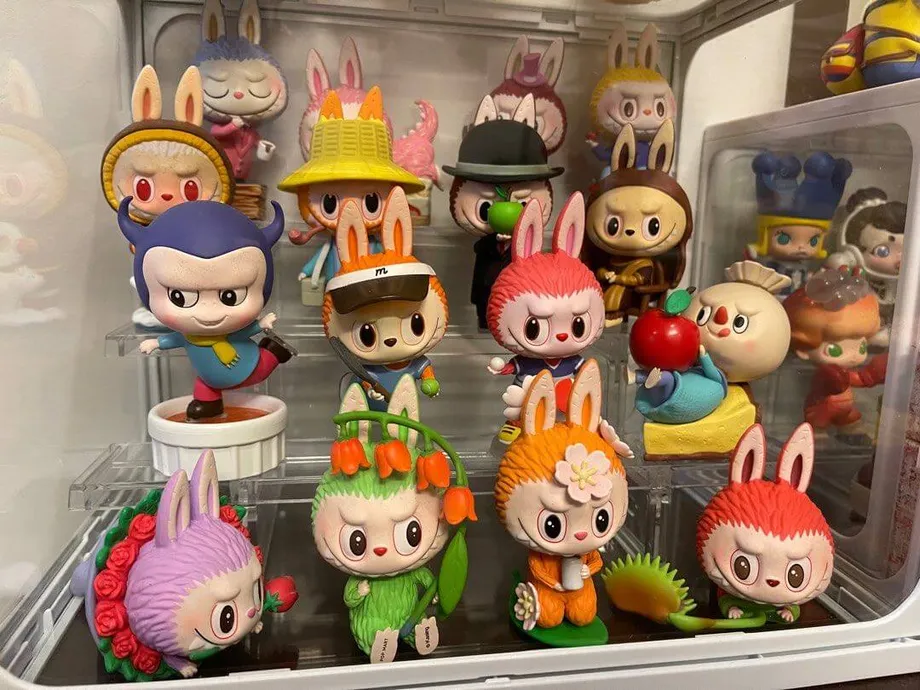
The collection, The Monsters Wacky Mart Series, dresses the mischievous character as familiar Japanese convenience store foods. Its 12 main designs include fried shrimp, corn on the cob, cup noodles, yakitori and onigiri. A secret 13th design, shaped like a microwave oven, appears in only one out of every 144 blind boxes.
Each box costs S$15.90, while a set of 12 costs S$190.80. Buyers cannot see which figure is inside an individual box before opening it. That mix of surprise, scarce designs and recognizable food shapes has given collectors another reason to queue, trade and search for a particular version.
The launch brought together several forces behind Singapore's Labubu craze: affection for an unusual character, celebrity attention, social media excitement and a resale market where popular items can cost several times their original price. Fans came equipped for a long wait, carrying foldable chairs and portable fans before the store opened at 10 a.m.
For some, the morning was about securing a new addition to a personal collection. Others were helping friends or relatives obtain something they wanted. The queue reflected a collecting community in which the chase can be a shared activity, even as limited stock makes buying at the retail price difficult.
How Labubu Became a Familiar Face
Hong Kong artist Kasing Lung created Labubu, a character with sharp teeth, fluffy ears and a mischievous expression. It first appeared in 2015 as part of The Monsters story series. Its combination of cuteness and quirkiness helped it attract both casual fans and dedicated collectors.
Pop Mart, a Chinese company specializing in designer collectible toys, began producing Labubu figures as part of its Monsters lineup in 2019. That relationship helped take the character from an illustrated story world into a growing range of objects that people could collect, display and carry.
Blackpink's Lisa has been among the most prominent celebrities associated with the character. Rihanna and Dua Lipa have also been spotted with Labubu figures. Such appearances have helped turn the toy into a fashion accessory and a lifestyle statement, extending its audience beyond people who already collect designer toys.
In Singapore, Labubu figures hang from backpacks and sit on office desks. Their presence in everyday settings helps explain why the character has become more than something found on a toy shop shelf. A recognizable face can be part of someone's outfit, workspace or collection at home.
A Convenience Store in Collectible Form
The Monsters Wacky Mart Series draws on the experience of browsing a Japanese konbini, or convenience store. The snack theme combines familiar foods with the character's playful appearance, appealing to food enthusiasts as well as fans of popular culture.
The collection extends beyond the main figures. Alongside the tempura shrimp AirPods case are a pillow shaped like a packet of chips, a messenger bag resembling a sardine can and fridge magnets sold in blind boxes. These products give fans ways to use the designs in daily life rather than only display them.
Texture is part of the attraction. Details such as fluffy corn silk and magnetic sandwich bread make the objects interesting to handle as well as look at. The different finishes add to their charm and to the value collectors attach to them.
The food theme also brings a sense of nostalgia and everyday comfort to the range. Familiar snacks give each design an immediate identity, while the variety offers existing fans something new to pursue. Limited availability adds urgency to that appeal, particularly when accessories sell out within hours.
A Morning of Queues and Quick Sellouts
Sarah C, a microbiology student aged 25 and an experienced collector, was first in line at Ion Orchard. Her explanation for arriving early captured the confidence among fans that the new release would attract strong demand.
It's Labubu; it's going to be popular.
By 8:45 a.m., staff had issued the 100th queue ticket. The store opened at 10 a.m., and by 11:30 a.m. everyone in the queue had been allowed inside. Most left carrying bags filled with merchandise after spending hours waiting.
The launch unfolded through a series of milestones:
- 5:30 a.m.: The first collector began queuing at Ion Orchard.
- 8:45 a.m.: The 100th queue ticket had been issued.
- 10 a.m.: The Pop Mart store opened.
- 11:30 a.m.: Everyone in line had entered, and the tempura shrimp AirPods case had sold out.
- 2:20 p.m.: All the figurines had sold out.
Some fans queued on behalf of other people. Sharing information, helping relatives obtain a desired item and comparing purchases formed part of the experience. The launch showed how collecting can combine competition for limited stock with cooperation among friends and family.
The speed of the sellouts also showed how effectively the release had drawn attention. The combination of a recognizable character, a new theme and limited availability brought customers to the shop well before opening time and moved the available figurines within the day.
Why a Sealed Box Encourages Another Purchase
Pop Mart's blind box format makes the purchase a surprise. A customer chooses a sealed box but learns which design it contains only after opening it. Someone hoping for corn on the cob may receive cup noodles instead, leaving an incentive to buy again or trade with another collector.
The rare microwave oven design adds another reason to keep searching. Its stated frequency of one in 144 boxes makes it much less common than the main designs. Collectors may buy several boxes or an entire case while trying to complete a set or obtain the secret figure.
A purchase of 12 boxes at S$15.90 each comes to S$190.80, the stated price for the set of 12. Spending more therefore allows a collector to open more boxes, while the surprise remains central to the attraction. Duplicate figures can become items to exchange within the collecting community.
Social media gives that process a wider audience. Fans share videos and photographs of opening their boxes, compare what they received and arrange trades. The moment of discovery becomes something other people can watch, helping sustain attention around a release after the shop queue has dispersed.
When S$24.90 Becomes S$90
The tempura shrimp AirPods case offers a concrete example of how quickly a retail shortage can feed the resale market. After selling out by 11:30 a.m., the accessory appeared on platforms such as Taobao with asking prices of S$80 to S$90, compared with its original S$24.90 price.
Popular items can attract listings at double or triple their retail price. In this case, the S$80 to S$90 range was more than three times the original price. A collector who missed the shop release faced a much larger bill to obtain the same accessory through those listings.
The resale market serves different purposes for different buyers and sellers. Some people see a chance to make a profit from products that are difficult to find. Others turn to resellers because a desired design or accessory is no longer available at retail.
Fans who want to buy at the original price can find that frustrating. An early start and hours in a queue become part of the cost of trying to avoid a resale premium. The demand for scarce items has also created problems beyond Singapore, with brawls at overseas launches prompting Pop Mart to pause sales temporarily in some locations, including the United Kingdom.
Counterfeits Bring a Different Kind of Cost
Fake Labubu products have appeared in Singapore and elsewhere as the character's popularity has grown. For buyers using the secondary market, the risk extends beyond paying a high price: the item received may be counterfeit.
In one case, a woman transferred S$220 for a first generation Labubu and later discovered that it was fake. She made a police report. Her experience illustrates the financial risk when a buyer pays for an item believing it to be genuine.
Pop Mart has urged fans to purchase through official channels and to report unauthorized use of Labubu's likeness. The company has also taken legal action against businesses selling unlicensed products featuring the character, particularly in the food and beverage sector.
Those disputes concern intellectual property, the rights that allow creators and rights holders to control commercial use of their characters and designs. For Pop Mart, pursuing unauthorized products is part of protecting the brand and its reputation. For collectors, knowing who is selling a product matters alongside its appearance and price.
From Desks and Bags to Community Events
Labubu's reach in Singapore extends into food, fashion, shopping and community activities. Businesses have drawn on the character's popularity, while fans have incorporated the figures into their daily routines and social lives.
Giant Tampines Hypermarket has installed claw machines featuring Labubu, giving customers a chance to win a figure for a fraction of the retail price. These machines offer another route into the craze, built around the excitement of trying to secure a prize.
The People's Action Party Sengkang team introduced a PAP themed Labubu doll during a grocery drive for senior citizens. Its appearance at a community event showed how widely recognizable the character had become, reaching beyond retail launches and collector gatherings.
Social media groups, collector meetups and trading events have created places for fans to exchange duplicates, discuss releases and share practical information. Adults, parents and seniors are among those taking part. Some collect for themselves, while others help loved ones or make it a family activity.
The appeal combines creativity, playfulness and connection. A figure displayed on a shelf, carried as a keychain or given as a gift can have a personal meaning beyond the transaction that bought it. Those everyday uses help explain how a designer toy has become a visible part of Singapore's popular culture.
Bringing Purchases Home Can Mean a Tax Bill
A woman who failed to declare Labubu dolls brought into Singapore from overseas was fined S$5,000 and had to pay more than S$3,900 in Goods and Services Tax, or GST. The incident adds a customs dimension to a craze more often associated with queues and resale prices.
GST is a tax on goods and services. For collectors bringing purchases into Singapore, the case shows that the amount spent on a toy can be only part of the eventual cost when customs obligations are overlooked.
The fine and tax payment together exceeded S$8,900. That sum came on top of the expense of obtaining the dolls. Buyers importing collectibles need to account for declaration and tax requirements when deciding what they can afford.
Counterfeits, unauthorized products and customs breaches present different problems, but each affects the cost and confidence involved in collecting. The enthusiasm surrounding Labubu has continued despite those concerns, making careful purchasing decisions a practical part of taking part in the craze.
What Collectors Can Do Before Buying
People starting a collection face choices about where to buy, how much to spend and whether to pursue a particular design. The experiences surrounding the June 28 launch point to several practical steps for those trying to obtain genuine products without unexpected costs.
- Buy through Pop Mart's official stores, authorized retailers or reputable online platforms to reduce the risk of receiving a counterfeit.
- Follow Pop Mart and collector groups on social media for release dates, restocks and events.
- Plan for major launches, whether that means joining a queue early or being ready when an online release begins.
- Connect with other collectors to exchange duplicates, share information and keep up with releases.
- Check a resale seller's reputation and the authenticity of the product before paying.
- Declare overseas purchases properly and account for customs and GST requirements when bringing dolls into Singapore.
The Ion Orchard launch shows why those decisions matter. A S$15.90 blind box offers an accessible starting price, but repeated purchases, scarce accessories and resale premiums can increase spending quickly. Trading duplicates and sharing information give collectors alternatives to simply buying more boxes.
Labubu's journey from Kasing Lung's 2015 story character to a widely carried collectible brings together storytelling, branding, nostalgia and social media. In Singapore, the result is visible in shop queues, office displays, family purchases and community events. The same popularity that brings fans together also supports a market where authenticity, availability and price require attention.
Key Points
- Around 160 fans attended the June 28, 2025, Wacky Mart launch at Pop Mart's Ion Orchard store.
- The collection has 12 main snack designs and a secret microwave oven figure appearing in one out of every 144 blind boxes.
- Individual boxes cost S$15.90, and a set of 12 costs S$190.80.
- The S$24.90 tempura shrimp AirPods case sold out by 11:30 a.m. and appeared in resale listings for S$80 to S$90.
- All figurines had sold out by 2:20 p.m.
- Counterfeit purchases, unlicensed products and customs obligations add financial and legal risks for buyers.
- Celebrity attention, social media and collector communities have helped Labubu spread into Singapore's fashion, workplaces and community activities.