A maize raid exposes a wider crisis
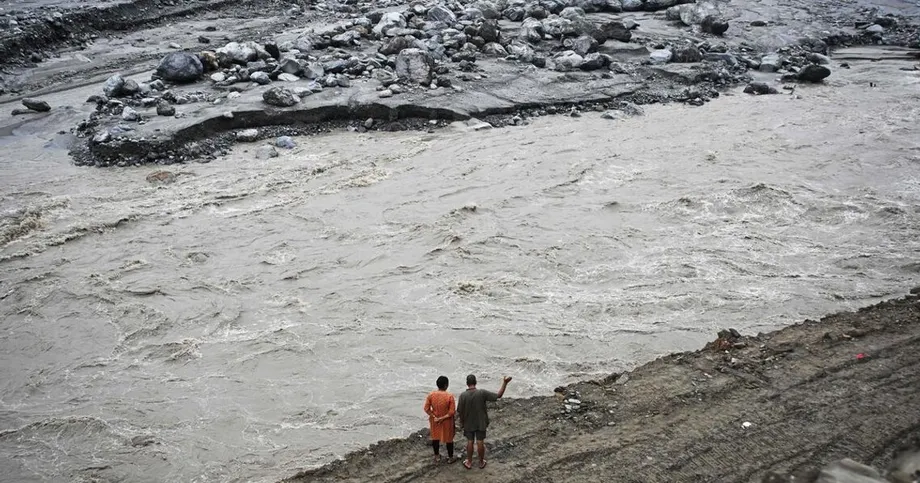
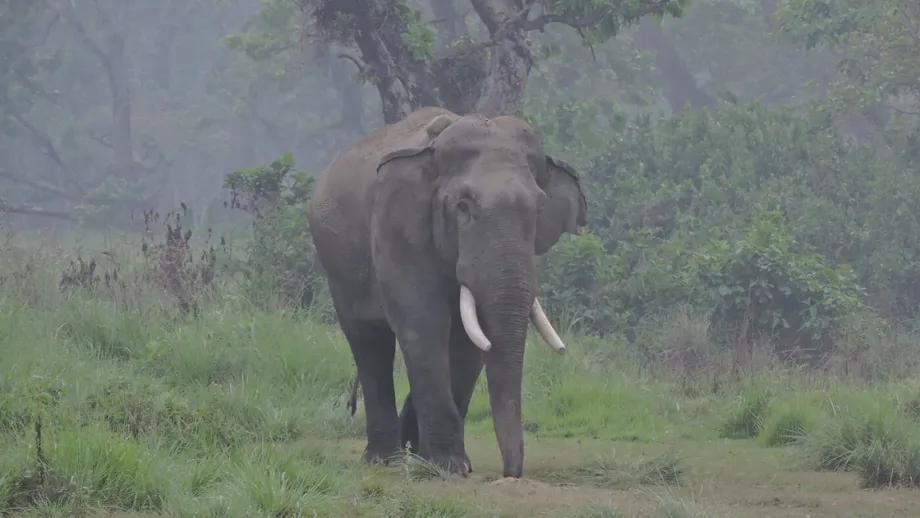
About 20 wild elephants entered Shantitole, a settlement in Bahundangi in Nepal's Jhapa district, in the early hours of June 10, 2024. By dawn, families found maize fields devastated, crops trampled and their livelihoods threatened. For farmers approaching harvest, a single night could erase months of work and the income they were counting on.
Contents
- A maize raid exposes a wider crisis
- Why elephants keep entering farms
- Farm losses become household emergencies
- Elephants face retaliation and poaching
- Solar fences brought relief, then weakened
- Repair commitments face a test of delivery
- A border fence can move the danger
- Changing crops and community responses
- How the response has developed
- Key Points
Sita Sunar lost her entire maize crop just before harvest. Her experience captures the immediate cost of a conflict that reaches beyond damaged fields: less food at home, lost earnings and another season of uncertainty. Houses and granaries are also damaged, while encounters between people and elephants can become fatal.
By June 17, 2025, Bahundangi and the wider Jhapa region faced a continuing struggle to protect residents without putting wild elephants at greater risk. Over the preceding decade, at least 58 people had died and 79 had been injured in elephant attacks in Jhapa. At least 16 elephants had also been killed in the district during that period.
The conflict brings together shrinking forests, farms planted with food elephants seek, damaged protective fences and migration routes crossing the Nepal-India border. Measures that protect one settlement can affect another, including communities across the frontier.
Bahundangi also offers examples of a different response. Farmers have shifted toward crops elephants tend to avoid, community teams help guide animals away from homes, and some residents have changed how they react when a herd arrives. Those changes have contributed to a substantial decline in fatalities in Bahundangi since 2015, even as crop damage and wider conflict continue.
Why elephants keep entering farms
Wild Asian elephants, known scientifically as Elephas maximus, historically moved through forests and floodplains across Nepal and India in search of food and water. Their traditional routes existed before the modern political boundary. Over several decades, population growth, expanding agriculture and new infrastructure have changed the land through which they travel.
Roads, settlements and farms have reduced forests and divided the remaining habitat into smaller pieces. Habitat fragmentation means that an animal may still find patches of forest, but moving between them requires crossing land occupied or used by people. Elephants lose both feeding areas and routes connecting those areas.
Scientific studies identify Nepal's eastern Terai, including Jhapa, as a hotspot for conflict between people and elephants. Small protected areas sit among agricultural fields and settlements. Migrating herds arriving from India, especially during the dry season, increasingly enter places occupied by people while looking for food.
Maize, rice and sugarcane provide concentrated sources of energy. As natural habitat and food supplies shrink, these crops draw elephants toward farms. The expansion of maize and paddy cultivation has made villages such as Bahundangi attractive feeding destinations.
Research from Thailand describes a similar connection between changing land use, habitat loss and elephants raiding crops. Jhapa's experience follows that pattern: farms provide food while the surrounding landscape offers fewer uninterrupted spaces in which elephants can feed and move.
Farm losses become household emergencies
Sita Sunar's destroyed maize crop represented a year's income and hard labor. Losing a harvest affects both what a household can eat and what it can sell. For families dependent on farming, damage that happens within hours can shape their finances for months.
Jhapa residents also face the destruction of houses and stored grain. The human toll includes sleepless nights, continuing anxiety and fear of another raid. Protecting a field becomes a question of personal safety when elephants are nearby.
Compensation mechanisms exist for wildlife damage, but access can be difficult. Tenant farmers who lack documents proving land ownership can struggle to obtain relief, leaving some of the most vulnerable households without support. A farmer may have cultivated and lost the crop while lacking the paperwork required to support a claim.
Applications can take months to process. Some people, including Sita, do not apply at all, accepting that they will have to bear the loss themselves. The existence of a compensation scheme therefore offers limited comfort when documentation requirements or delays keep payments out of reach.
Bahundangi's efforts to simplify compensation procedures are part of its wider approach to coexistence. Financial relief matters alongside physical protection because residents need a way to recover when prevention fails.
Elephants face retaliation and poaching
At least 16 elephants were killed in Jhapa over the preceding decade, with causes ranging from electrocution to poaching. Villagers have used electric fences, firecrackers and firearms in efforts to drive elephants away. Retaliatory actions add to the dangers animals face as they move through farms and settlements.
Poaching creates another threat. Tusks and tail hair fetch high prices on the black market, giving those involved a financial reason to kill elephants. Accounts of recent killings describe guns and muskets being used, often by organized groups operating across the border.
Nepal's wild elephant population is estimated at around 200 to 227 animals. Conservationists warn that killings, combined with habitat loss, threaten the survival of that already small population. Losing even a few elephants each year carries serious consequences when the national population numbers only a few hundred.
Residents and elephants are therefore caught in the same deteriorating situation. Crop damage can provoke retaliation, while the loss of habitat keeps bringing elephants into places where encounters are dangerous. Measures that reduce damage and make people safer also reduce the pressures that can lead to animals being killed.
Solar fences brought relief, then weakened
Bahundangi and nearby communities have tried several ways to discourage elephants from entering fields. These include beekeeping, based on elephants avoiding buzzing bees; ropes coated with chili powder; planting trees known as Hatti bar, believed to discourage entry; and digging trenches around farmland.
None of those approaches has provided a lasting solution on its own. Solar powered electric fencing along the border has been the most effective intervention described in the area. When fully operational, the fences reduced elephant intrusions by up to 98 percent, giving farmers a rare period of relief.
Keeping the barrier working has proved difficult. Poor maintenance has left sections in disrepair. Deliberate damage has also been linked to attempts to open illegal routes for smuggling riverbed materials. A fence can protect a long stretch of farmland yet leave communities exposed where a section has been broken.
Elephants have also learned to breach or go around barriers. Their ability to adapt means that installing a fence is only one part of the task. Communities and authorities must keep it functioning and respond when animals find another route.
As sections of the fence deteriorated, raids increased again. The contrast between the reduction achieved when the barrier worked and the renewed damage after it weakened has made repairs a priority for residents and local officials.
Repair commitments face a test of delivery
The Division Forest Office in Jhapa allocated nearly one million Nepali rupees for solar fence maintenance in the 2024-25 fiscal year. Mechinagar Municipality was also preparing to set aside additional money for urgent repairs.
Agni Prasad Adhikari, chief administrative officer of Mechinagar Municipality, described discussions among local authorities and security bodies about restoring the fence:
We've held several rounds of discussions within the municipality and with security agencies and the District Administration Office. There's consensus that repairing the solar fence is a priority.
Local and provincial authorities acknowledge the seriousness of the crisis. Officials also recognize that repairs require sustained commitment, cooperation across levels of government and support from the communities involved. A repaired fence needs continuing care if it is to remain useful.
Many residents remain skeptical because of previous delays and the continuing exposure of their homes and fields. The commitments described did not include a completion date for the repairs. For families facing another raid, the practical test is whether damaged sections are restored and maintained.
A border fence can move the danger
Elephants routinely migrate between Nepal and the Indian states of West Bengal and Assam. Their movements connect places that are managed by different authorities, even though the animals follow traditional routes shaped by food, water and habitat.
Solar powered fences erected on Nepal's side of the Mechi river have disrupted those routes. Communities in north Bengal report increased crop raids and human fatalities as elephants prevented from entering Nepal remain in Indian villages.
Fencing can therefore provide temporary relief for Nepali farmers while shifting danger across the border. A barrier assessed only by the number of elephants kept out of one area leaves out what happens to the animals and people on the other side.
Calls for a landscape approach to conservation address that problem. In plain terms, this means planning around the connected area elephants use, including forests, farms, settlements and border crossings, rather than treating each village or country as a separate space.
That approach calls for Nepal and India to cooperate on conservation, share information and coordinate responses to conflict. Protecting habitat connections and creating safe corridors for movement are central to it. Restoring forests and limiting further fragmentation from development would also help preserve routes between feeding areas.
Changing crops and community responses
Over the past decade, local leaders and conservationists in Bahundangi have encouraged farmers to move away from maize and rice, both favored by elephants. Alternatives include tea, bay leaves and lemons, which elephants tend to avoid.
The transition has reduced crop losses while diversifying and stabilizing farmers' incomes. Changing what is grown addresses part of the attraction that brings elephants onto farmland, while giving households other products to sell.
Beekeeping has also emerged as a useful deterrent within the wider coexistence effort, despite its limitations as a lasting solution by itself. Mustard cultivation supports bee populations and provides another source of revenue. Together, these activities connect protection of crops with ways for households to earn income.
Community rapid response teams trained by nongovernmental organizations patrol villages during seasons when conflict is most likely. They help guide elephants away from residential areas and reduce dangerous encounters. Their role adds a local response to measures such as fencing and changes in farming.
Residents have also reconsidered aggressive attempts to chase elephants. Many now recognize that shouting at or disturbing the animals can provoke a dangerous reaction. Staying indoors and applying for compensation after damage has become part of an approach intended to reduce injuries and deaths.
A local farmer described the change in attitude toward elephants and the decision to remain inside when they arrive:
We no longer fear elephants nor are we angry at them. When they come, we stay inside. If we don't disturb them, they walk their path. If we shout, they create trouble.
These changes, supported by community education and simpler compensation procedures, have contributed to the decline in fatalities in Bahundangi since 2015. The village's experience shows how changes in behavior, livelihoods and local organization can work alongside physical barriers.
How the response has developed
Jhapa's conflict has unfolded over years, with improvements in some parts of Bahundangi alongside continuing losses across the district. The main dates show why a decline in local fatalities can coexist with serious crop damage and demands for renewed protection.
- Since 2015: Changes in community responses, supported by education and simpler compensation processes, have contributed to fewer fatalities in Bahundangi.
- June 10, 2024: About 20 elephants entered Shantitole in the early hours, devastating maize fields before dawn.
- The 2024-25 fiscal year: The Division Forest Office in Jhapa allocated nearly one million Nepali rupees for solar fence maintenance, while Mechinagar Municipality prepared additional repair funding.
- By June 17, 2025: Damaged fencing, continuing raids and concern on both sides of the border kept repairs and cooperation central to the response.
Bahundangi's experience points toward combining measures and adjusting them as conditions change. Fencing needs maintenance, farmers need workable alternatives and accessible compensation, and communities need a role in decisions that affect their safety and income.
For Jhapa, the stakes remain concrete: protecting food supplies, homes and livelihoods for thousands of families while preventing further losses among Nepal's endangered elephants. Cooperation across the border is part of that task because the animals' routes connect communities in both countries.
Key Points
- About 20 elephants devastated maize fields in Shantitole, Bahundangi, on June 10, 2024.
- Over the preceding decade, Jhapa recorded at least 58 human deaths, 79 injuries and 16 elephant deaths.
- Habitat loss, expanding farmland and disrupted migration routes bring elephants into closer contact with settlements.
- Fully functioning solar fences reduced intrusions by up to 98 percent, but poor maintenance, deliberate damage and breaches weakened protection.
- Tenant farmers without land ownership documents can struggle to obtain compensation, and claims can take months.
- Crop changes, beekeeping, community response teams and less aggressive reactions have supported coexistence efforts in Bahundangi.
- Nepal and India face a shared problem because barriers and elephant movements affect communities on both sides of the border.