More Than Six in Ten Hospitals Report Deficits
Japan's hospitals are struggling to keep essential services running as wages, medical supplies and utility bills rise faster than the payments they receive for treating patients. An emergency survey by the Japan Hospital Association and five other organizations found that 61.2% of hospitals reported a deficit in current profit in the second half of 2024, up from 50.8% a year earlier.
Contents
- More Than Six in Ten Hospitals Report Deficits
- Why Treatment Payments Are Falling Behind Costs
- An Aging Population Changes the Care Hospitals Must Provide
- Department Closures Bring the Crisis Into Communities
- What Changed When Pandemic Support Ended?
- Patients Face Pressure From Both Access and Cost
- Emergency Loans Buy Time, While Hospitals Seek Savings
- How Hospital Payment Reform Fits Into the Debate
- The Choices Behind Keeping Local Care Available
- Key Points
The survey covered more than 1,800 hospitals. Revenue from medical services increased by 1.9%, while personnel costs rose by 2.7% and spending on medical supplies and utilities grew by 2.4%. The share reporting deficits increased by 10.4 percentage points, showing how widely the financial pressure had spread.
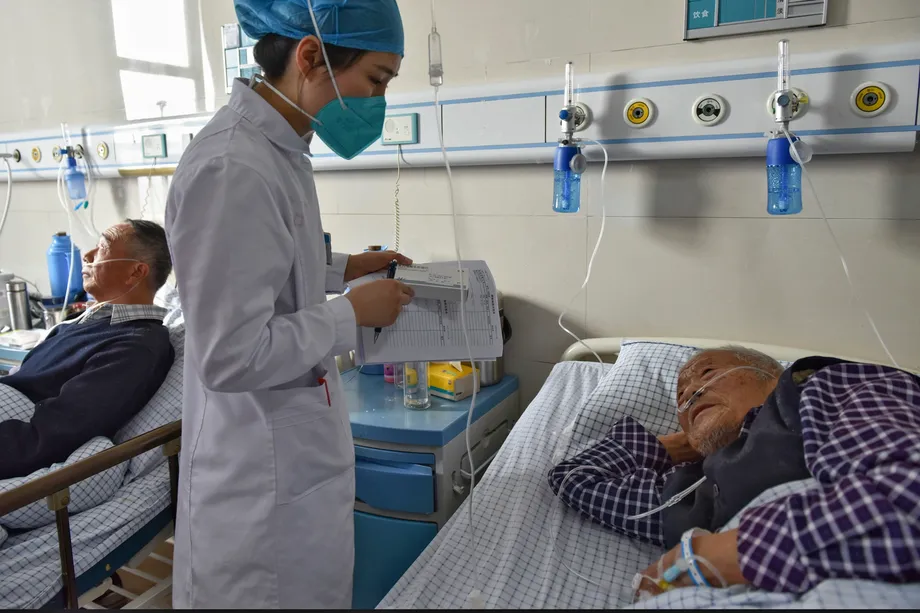
Hospitals are responding by closing departments, postponing equipment replacements and cutting employee bonuses. Rural communities face particular risks because losing a local service can mean traveling to another town for specialist treatment or emergency care.
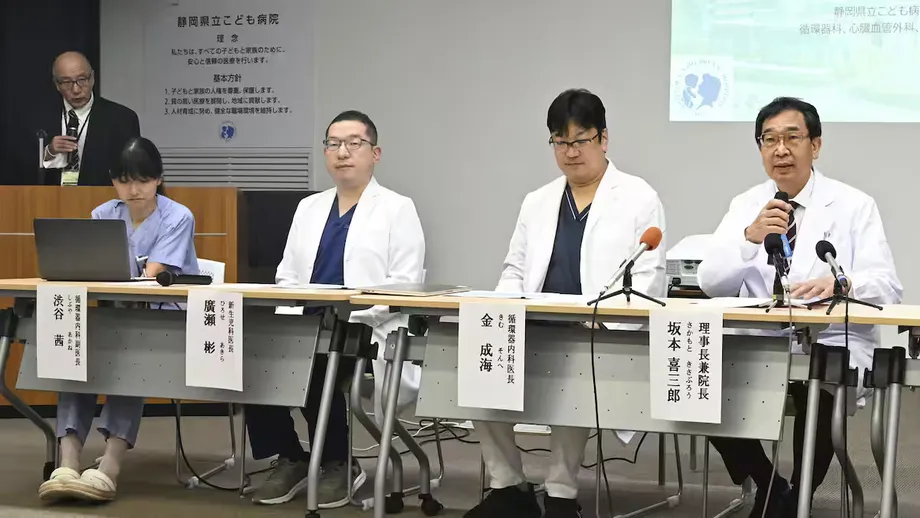
Takao Aizawa, president of the Japan Hospital Association, warned that the widening gap between income and expenses threatens the hospital system:
Expenses are rising much faster than the increase in revenue. If nothing is done, our country's hospital system will collapse.
As of June 16, 2025, the pressures extend beyond inflation. Japan's aging population requires more complex care, pandemic subsidies have ended, and hospitals remain bound by government prices that they cannot independently increase. Emergency assistance and changes in hospital management are part of the response, while medical organizations are pressing for changes to the way treatment fees are set.
Why Treatment Payments Are Falling Behind Costs
Japan uses a government fee schedule to set prices for medical procedures, medicines and medical devices nationwide. Hospitals cannot simply charge more for insured treatment when their electricity bill rises or staff wages increase. The schedule is revised every two years, with input from medical organizations.
The system is intended to control national healthcare spending and ensure that people can obtain care on equitable terms. Its weakness during a period of rising prices is the delay between increases in hospital expenses and adjustments to the payments hospitals receive.
The 2024 revision raised the main portion of medical fees, intended to cover personnel and other core costs, by 0.88%. Hospitals were therefore trying to cover growing expenses with an increase of less than 1% in that part of the schedule.
Medical supplies, equipment and utilities have become more expensive. Material and utility costs for medical services rose by 14% between 2018 and 2023. These bills must be paid even when a hospital's treatment payments change little.
Staffing adds another pressure. Hospitals need to raise wages both to keep pace with broader economic trends and to retain skilled workers in a competitive labor market. The government's target for medical worker pay increases was 2.5%, compared with 3.56% in the private sector.
Those figures leave hospital managers facing two demands at once: staff need better pay, while the institutions employing them must keep spending within a tightly controlled income. Smaller hospitals have fewer opportunities to spread costs across a large number of patients or departments.
An Aging Population Changes the Care Hospitals Must Provide
Nearly 30% of Japan's population is aged 65 or older. Older patients often need treatment for chronic conditions, several illnesses at once, or care over a long period. This increases both the amount and complexity of work hospitals must handle.
Elderly patients account for more than half of total healthcare expenditure. At the same time, their lower incomes mean they contribute less in insurance premiums. A shrinking population of working age must help finance care for a growing older population.
Japan's universal health coverage has supported high health outcomes, including long life expectancy and low infant mortality. Maintaining those achievements requires enough money and staff to deliver care, as well as an insurance system that keeps treatment affordable.
Private institutions account for about 80% of hospitals and 70% of hospital beds. They operate under the same fee schedule as public hospitals, but smaller scale and less access to government support can leave them under greater financial pressure.
Care delivery also contributes to costs. Limited differentiation among providers and the absence of a strong primary care system mean patients frequently visit hospitals for minor ailments. Primary care is the routine care that can assess common health problems and help patients reach specialist services when needed.
For hospitals, that pattern places everyday consultations alongside more demanding treatment. Proposals to strengthen primary care are intended to reduce unnecessary hospital visits while allowing hospitals to concentrate resources on patients who need their facilities and expertise.
Department Closures Bring the Crisis Into Communities
Ojiya General Hospital in Niigata Prefecture discontinued its neurosurgery, cardiovascular surgery and respiratory surgery departments in April 2024. The closures were intended to reduce a deficit exceeding ¥500 million. Patients needing those specialist services now have to travel to neighboring towns.
JA Niigata Kouseiren, a federation operating 11 hospitals, projected a record deficit of ¥6 billion to ¥9 billion for fiscal 2024. It planned to discontinue seven medical departments across three hospitals in 2025, with the aim of halving the deficit.
Closing departments reduces spending, but it also removes nearby treatment options. Residents must arrange transport and spend more time reaching care elsewhere. Rural areas are particularly vulnerable when a department closure or hospital shutdown leaves a region without nearby emergency or specialist treatment.
Yoshihiro Ota, vice chairman of the Association of Japanese Healthcare Corporations, warned about the consequences for communities:
Local hospitals could be closed suddenly, leaving patients with nowhere to go.
Other hospitals are postponing investment rather than closing departments. University hospitals, including the Institute of Science Tokyo and Nagasaki University Hospital, have been unable to replace aging MRI machines and other essential equipment. Delayed replacement risks a decline in the quality of advanced medical care.
Some hospital groups have also reduced staff bonuses and sought local government subsidies to limit losses. Lower bonuses and benefits can affect morale and make it harder to retain employees, adding staffing difficulties to the financial problems that prompted the cuts.
What Changed When Pandemic Support Ended?
COVID-19 brought a temporary source of financial support. Government subsidies helped hospitals treat infected patients and offset revenue lost when elective procedures declined. Those subsidies were discontinued in fiscal 2024, removing a financial buffer while operating costs continued to rise.
Hospitals treating COVID-19 patients had experienced substantial losses. Research found that monthly profits per bed fell by as much as ¥600,000, an amount equal to 15 times the average monthly profit per bed in 2019.
A per bed figure divides a hospital's financial result by its number of beds, making the scale of the change easier to compare. The size of the reported decline shows why pandemic assistance had become such an important part of hospital finances.
Patient behavior continued to affect revenue after the pandemic receded. Some people remained reluctant to seek hospital care, reducing income at institutions already facing higher wages and supply costs.
The recent sequence of changes helps explain why hospitals have little room to absorb further pressure:
- Between 2018 and 2023, material and utility costs for medical services rose by 14%.
- In April 2024, Ojiya General Hospital closed three surgical departments, and the health ministry began offering emergency loans to hospitals.
- In fiscal 2024, COVID-19 subsidies ended, while the main portion of medical fees rose by 0.88%.
- In the second half of 2024, 61.2% of surveyed hospitals reported deficits, compared with 50.8% a year earlier.
- In 2025, JA Niigata Kouseiren planned further department closures, while changes to patient spending limits were also planned.
- The next major medical fee revision was scheduled for fiscal 2026.
Patients Face Pressure From Both Access and Cost
Patients can experience hospital financial difficulties even when their own treatment bill stays the same. A closed department means a longer journey. Equipment that cannot be replaced can affect access to advanced care. Reduced services can also delay necessary procedures.
The government was also planning changes to the High-Cost Medical Expense System in 2025. The system limits how much patients must pay themselves for covered medical care. Raising those limits would increase the amount many patients have to find before financial protection applies.
The planned changes were intended to curb public spending. Patient groups feared that higher limits would make essential care unaffordable for some people with chronic or serious illnesses, including cancer. No specific implementation date was given for the planned changes.
Mizutobe Yuko, a lung cancer patient in Tokyo, described how an increase could affect people receiving continuing treatment:
Even a moderate increase of ¥30,000 per month could force patients to discontinue essential treatment due to financial hardship.
Household finances make that concern more pressing. Japan has experienced modest economic growth and wage increases, but inflation, especially for food and energy, has outpaced wage gains. Families therefore have less room to absorb additional medical spending.
The government's choices affect both sides of the treatment relationship. Hospitals need sufficient payment to keep services open, while patients need protection from bills that could interrupt care. Public health insurance deficits are growing, and more of the burden of financing elderly care is falling on younger generations and contributors of working age.
Emergency Loans Buy Time, While Hospitals Seek Savings
The Ministry of Health, Labor and Welfare began offering hospitals loans of up to ¥720 million in April 2024, without interest or collateral. Collateral is property or another asset a borrower pledges as security for a loan. Removing that requirement makes borrowing possible without providing such security.
The loans offer temporary help with immediate financial needs. Hospitals still need a way to bring regular income and regular expenses closer together, which is why medical organizations are also seeking changes to treatment payments.
Some hospitals have stayed profitable through active management. Their approaches include accepting more emergency patients, combining supply purchases to obtain better prices, and concentrating on services for which demand is high.
Collaboration can also allow institutions to share resources. Bulk purchasing, specialization and cooperation with other hospitals are among the management improvements being encouraged.
Smaller and rural hospitals cannot necessarily use all these approaches. Their options depend on the patients they serve and the services their communities need. Concentrating care in fewer locations may reduce costs, while requiring residents to travel farther.
Hospital consolidation and specialization are therefore part of the reform debate, alongside the need to protect access in vulnerable communities. The practical task is to save money while retaining the emergency, routine and specialist care people rely on.
How Hospital Payment Reform Fits Into the Debate
Japan has already introduced the Diagnosis Procedure Combination/Per-Diem Payment System, known as DPC/PDPS, for acute care hospitals. Acute care generally means active treatment for an illness or injury rather than continuing support over a long period.
The payment system is intended to encourage earlier discharge and reduce inpatient costs. Its per diem structure means payment is organized around days of hospital care within the system, making the length of a stay important to hospital finances.
DPC/PDPS has improved some aspects of care quality and competition, but it has not fully achieved its cost reduction goals, particularly as the population ages. Hospitals must still meet the needs of older patients whose care can be complicated and prolonged.
Medical organizations want the broader fee schedule to respond more readily to inflation and labor costs. The next major revision, scheduled for fiscal 2026, is a key point in that discussion.
Kenji Shimazaki, professor of medical policy at the International University of Health and Welfare, called for changes extending beyond immediate financial assistance:
The government should consider not only emergency support but also a system for determining medical fees that responds to inflation and other situations.
There is disagreement over how widely fees should rise. Some caution against increases across all services, arguing that hospitals which remain profitable through effective management show the need to address inefficiencies as well as funding.
The Choices Behind Keeping Local Care Available
Japan's hospital problems bring several pressures together: an aging population, government fee controls, inefficiencies in care delivery, inflation and the financial effects of the pandemic. Addressing only one leaves hospitals exposed to the others.
Emergency loans and management changes can provide temporary relief. The wider proposals include making the fee schedule more responsive to economic conditions, strengthening primary care, and encouraging hospitals to cooperate or specialize.
Investment is another part of the decision. Hospitals need to control costs while maintaining equipment and adopting new technology. Delaying an MRI replacement may protect cash in the present, while putting advanced treatment capacity under strain.
Patients and communities need reforms that preserve affordable care. Rural residents are especially exposed to service closures, while people with continuing illnesses are especially exposed to higher personal spending limits.
The central task for policymakers is to balance public finances with the resources needed to keep treatment available. For hospital staff, that means sustainable pay and workable services. For patients, it means being able to reach the right department and continue necessary treatment without costs becoming unaffordable.
Key Points
- An emergency survey covering more than 1,800 hospitals found that 61.2% reported deficits in the second half of 2024, up from 50.8% a year earlier.
- Medical service revenue rose by 1.9%, while personnel costs increased by 2.7% and medical supply and utility expenses rose by 2.4%.
- Government treatment prices limit hospitals' ability to recover rising costs. The main portion of medical fees increased by 0.88% in 2024.
- Nearly 30% of the population is aged 65 or older, increasing demand for complex care while the population of working age shrinks.
- Department closures, delayed equipment replacements and reduced staff bonuses are already affecting hospitals and communities.
- COVID-19 subsidies ended in fiscal 2024. Emergency loans of up to ¥720 million offer temporary assistance.
- Planned changes to patient spending limits in 2025 prompted concerns about treatment affordability. The next major medical fee revision was scheduled for fiscal 2026.
- Reform proposals combine more responsive fees, stronger primary care, hospital cooperation and protection for vulnerable patients and rural communities.