Higher Meal Prices Put Pressure on Kyoto Students
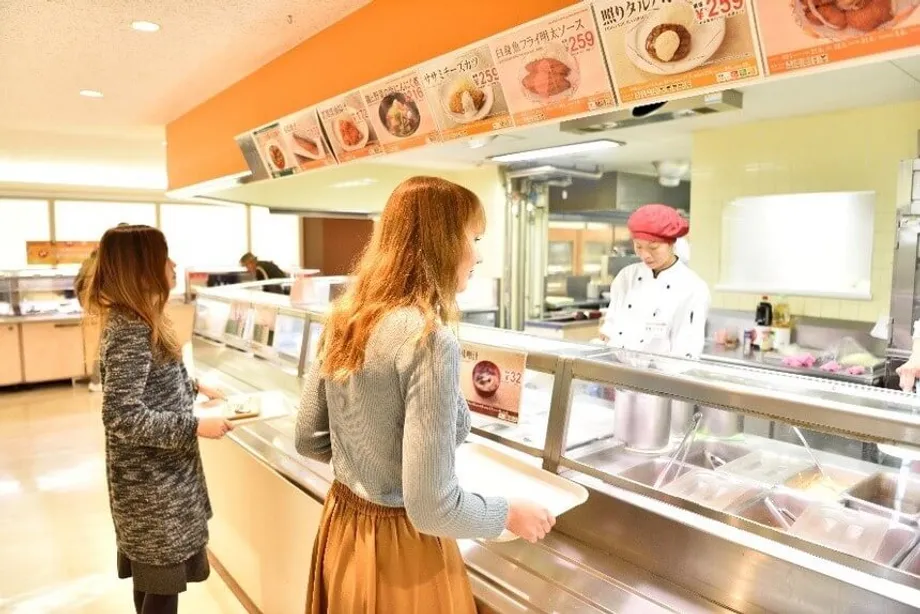
Kyoto University Co-op has raised prices for rice dishes at seven cafeterias for the second time, adding between 13 and 100 yen to menu items in March as rising food costs strain a service that many students depend on. A midsize bowl of rice now costs 55 yen more, while a large plate of curry and rice has increased by 90 yen.
Contents
- Higher Meal Prices Put Pressure on Kyoto Students
- Rice Costs Leave Cafeterias With Difficult Choices
- Financial Losses Bring an End to Free Tea
- Students Keep Lunch Spending Near 600 Yen
- A New Arts University Cafeteria Opens Above Its Planned Price
- Ritsumeikan Protects Its 100 Yen Breakfast
- Food Price Pressure Reaches Beyond Campuses
- Affordable Meals Depend on More Than Menu Prices
- Key Points
The increases have come alongside substantial financial losses. The co-op recorded a deficit of 106.6 million yen in fiscal 2024, and its accumulated deficit has reached 238 million yen. Even after charging more for meals, it is struggling to cover its costs.
Students make up about 10% of Kyoto's population, making affordable university meals a concern that reaches well beyond individual campuses. Cafeterias help students manage their daily budgets and provide a place to eat and spend time with others. Higher prices are changing both the cost of lunch and what students choose to put on their trays.
University co-ops have traditionally tried to keep meals inexpensive. They now face rising bills for food, labor, utilities and distribution at the same time. Rice, a staple in many cafeteria dishes, has become a particular source of pressure because its price has risen sharply amid domestic shortages and global market pressures.
As of June 9, 2025, Kyoto's universities are responding in different ways: raising menu prices, cutting services, improving operations and using financial support to protect some inexpensive meals. Students, meanwhile, are trying to keep their spending steady even when individual dishes cost more.
Rice Costs Leave Cafeterias With Difficult Choices
Kyoto University Co-op's March increases covered rice based menu items across seven cafeterias. The changes ranged from 13 yen to 100 yen, reflecting the growing cost of a basic ingredient used in everything from bowls of plain rice to curry meals.
The 55 yen increase for a midsize bowl of rice and the 90 yen increase for a large curry and rice show how the pressure reaches familiar, everyday choices. Students who regularly buy these dishes face a higher bill each time unless they change what they order.
Food is only part of the problem for operators. Higher labor, utility and distribution expenses also have to be paid from cafeteria income. Charging more for a dish therefore helps meet several rising costs, rather than simply covering the ingredients on the plate.
Co-op officials remain concerned about the unpredictable direction of rice prices and the possibility of further increases later in the year. Whether additional menu price increases will be needed, and when they might happen, has not been decided.
Financial Losses Bring an End to Free Tea
Kyoto University Co-op's fiscal 2024 deficit of 106.6 million yen shows the financial pressure continuing despite price increases. Its accumulated deficit of 238 million yen is the total shortfall built up over time, rather than the loss for that year alone.
The co-op has discontinued free tea at three cafeterias and replaced it with water dispensers. The change is expected to save more than 10 million yen annually, making a familiar part of the cafeteria experience one of the services being reduced to control spending.
Students still have access to water, but the removal of free tea shows that the response extends beyond the prices displayed on menus. Operators are looking at the running costs of the cafeterias as well as the cost of each meal.
The savings are expected to help reduce expenses, while the continuing deficit leaves the co-op under pressure to find further ways to balance affordable meals with the cost of providing them.
Students Keep Lunch Spending Near 600 Yen
About 80% of students rely on the cafeteria for lunch, according to a Kyoto University Co-op survey. That level of use makes changes to cafeteria prices part of everyday life for a large share of the students surveyed.
The average payment per meal has nevertheless stayed around 600 yen. With menu prices rising, that suggests students are adjusting their orders, including leaving out side dishes or miso soup, to keep the final bill within their budgets.
Takahiro Fujii, a fourth-year law student, described how his view of university meals had changed:
The image of university cafeterias serving affordable meals has completely changed. There is also no sign of a price reduction.
For students, the cafeteria is more than somewhere to buy lunch. It is also part of their daily routine and social experience. Academic studies indicate that even small price increases can lead to a substantial reduction in cafeteria use, with potential effects on nutrition, social life and academic performance.
Research described in a student price survey indicates that nearly 98% of university students in Japan feel the impact of rising food prices. Food and eating out are their leading areas of concern, placing the difficulties in Kyoto within a much wider student experience.
A New Arts University Cafeteria Opens Above Its Planned Price
Kyoto City University of Arts opened a new cafeteria in April after going a year and a half without one because of budget constraints. The opening restored a campus meal service, but rising food costs had already changed what it could offer at the intended price.
The facility cost about 120 million yen, funded equally by the university and the city government. Its set meals are priced between 550 and 650 yen.
Plans had originally called for 500 yen "one-coin set meals." Those plans were abandoned as food costs continued to climb, leaving the new cafeteria's set meals above the proposed price from the outset.
The main developments span several periods:
- Fiscal 2024: Kyoto University Co-op recorded a deficit of 106.6 million yen.
- March 2025: The co-op announced its second round of increases for rice based dishes at seven cafeterias, ranging from 13 to 100 yen.
- April 2025: Kyoto City University of Arts opened its new cafeteria after a year and a half without one.
The arts university's experience shows the challenge of restoring an affordable service while ingredient prices are moving upward. Funding the facility allowed the cafeteria to open, but the price of the meals still had to reflect the rising cost of food.
Ritsumeikan Protects Its 100 Yen Breakfast
Ritsumeikan University has kept its popular breakfast at 100 yen with supplementary funding from the university's Parents Association of Student Education Assistance. The meal includes rice, miso soup and two small dishes, and would normally cost about 400 yen.
The financial support covers part of the cost that students would otherwise have to pay. It allows the university to preserve an inexpensive breakfast even while the ingredients and other expenses involved in serving it become more costly.
Demand has grown. Daily breakfast servings are up 17% from the previous year, showing increased use of the low price option as students face pressure on their food budgets.
Tomoaki Hirabayashi, a third-year law student, explained why keeping the price steady mattered to him:
As prices are rising for everything, it's not easy to cook for myself. I'm grateful that the price is kept at 100 yen.
Ritsumeikan has also introduced operational reforms, including water conservation and efficiency improvements, to help offset higher food costs. These measures work alongside the additional funding that supports the breakfast.
Hiromi Matozaki, general manager of the cafeteria department, described the aim of keeping campus meals accessible:
Outside the university, it's no longer possible to buy an onigiri rice ball or bread for 100 yen. We want students to eat well in the cafeterias.
Food Price Pressure Reaches Beyond Campuses
Nonprofit organizations running children's cafeterias are also struggling with higher food and rice prices across Japan. These services provide free or inexpensive meals to children and families in need, making their ability to keep operating especially important to the people who use them.
Many have been forced to reduce services or seek additional funding as demand grows. Like university cafeterias, they face the task of keeping meals affordable while paying more to provide them.
Experts point to global supply chain disruptions, climate change affecting agricultural yields and increased energy costs as factors behind rising food prices. Supply chain disruptions affect the movement of goods, while changes in agricultural yields affect how much food farms produce. Energy costs add to the expense of producing, transporting and preparing food.
These pressures are unlikely to ease in the near future. Students and cafeteria operators therefore face a continuing need to adjust, whether through changes to purchases, additional financial support or reductions in operating expenses.
Affordable Meals Depend on More Than Menu Prices
Kyoto's cafeterias illustrate several different responses to the same cost pressures. Kyoto University Co-op has raised prices and removed free tea while continuing to record losses. Kyoto City University of Arts has restored its cafeteria, but at meal prices above the original target. Ritsumeikan has maintained a 100 yen breakfast through supplementary funding and operational changes.
Students are making adjustments of their own. Keeping average spending near 600 yen can mean buying fewer items, while the growing use of Ritsumeikan's breakfast shows demand for meals whose prices remain within reach.
Continued increases could affect student nutrition, well-being and academic life, particularly if students reduce what they eat or use cafeterias less often. The immediate challenge for universities is concrete: keeping food affordable for students while finding enough money to pay for it.
Key Points
- Kyoto University Co-op raised rice dish prices by 13 to 100 yen at seven cafeterias in March.
- The co-op recorded a fiscal 2024 deficit of 106.6 million yen and an accumulated deficit of 238 million yen.
- Replacing free tea with water at three cafeterias is expected to save more than 10 million yen annually.
- About 80% of students use the cafeteria for lunch, while average spending remains around 600 yen per meal.
- Kyoto City University of Arts opened a cafeteria in April with set meals costing 550 to 650 yen, above its original 500 yen plan.
- Ritsumeikan's subsidized 100 yen breakfast has seen daily servings increase by 17% from the previous year.
- Rising food costs are also putting pressure on children's cafeterias and other food services across Japan.