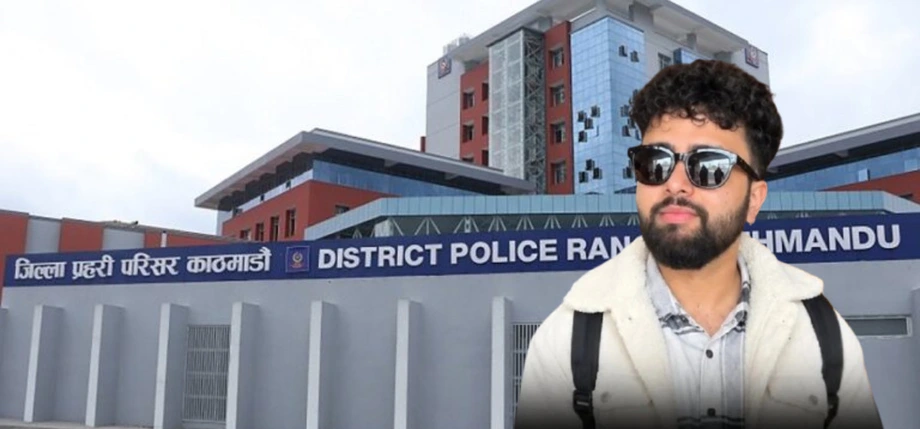
Questioning the Integrity of the Inquiry
Inam Sapkota, a 31-year-old fixer caught in a web of political and judicial connections, sits in police custody facing charges of money laundering and banking offenses. His arrest on October 14 at Tribhuvan International Airport was supposed to be a straightforward procedure, but what followed has become a case study in procedural chaos. Sapkota alleges that police blindfolded him, took him to an undisclosed location, and pressured him to provide statements against powerful figures. He claims he was threatened with harm to his family if he did not name specific individuals, including Nepali Congress President Gagan Thapa, former Chief Justice Cholendra Shumsher Rana, and Supreme Court judges.
Contents
The situation has escalated beyond a simple criminal investigation. Sapkota filed a complaint with the National Human Rights Commission, arguing that his human rights were being violated through physical and mental torture. His wife, Kabita Pandey, submitted a five-page application under Article 249 of the Constitution. The core of his grievance is not just what he was accused of, but how the police handled his detention and evidence.
If this is happening, it is not merely a matter of political revenge and conspiracy. It is also a serious challenge to the credibility of state investigative agencies and the democratic system itself.
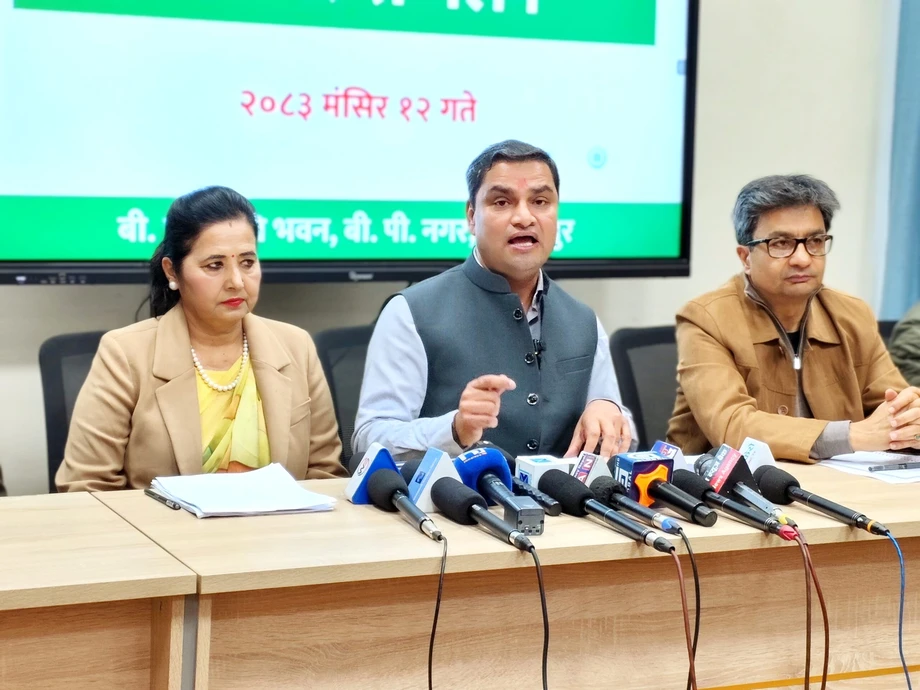
Bhishmaraj Angdembe, the leader of the main opposition party, questioned the impartiality of the investigation. He demanded a parliamentary probe into allegations that Sapkota was pressured to give statements against Gagan Thapa. Angdembe argued that if the ruling side prepared scripts for statements and allowed unauthorized individuals to misuse a detainee mobile phone, it amounted to a serious attack on the rule of law.
The Mobile Phone Mystery
One of the most contentious issues involves Sapkota's mobile phones. Police seized two phones at the airport, but Sapkota alleges they were handed to Kumar Ben, the Prime Minister's chief adviser, for two days. During this time, Ben's home became a hub for evidence gathering. Sapkota claims that Ben's team tampered with the phones to fabricate evidence using artificial intelligence and leaked investigation materials to subject him to a media trial.
The leakage of chat screenshots and audio recordings further complicated matters. A screenshot of a conversation between Sapkota and Supreme Court Justice Hari Phuyal went public, raising questions about judicial impartiality. Justice Phuyal acknowledged the contact but expressed surprise at how the documents emerged. He asked his investigation officer where the material was located. The officer replied that it was not in the investigation file. This discrepancy led to confusion about whether the evidence was genuine or fabricated.
Sapkota also claims that the audio recordings released by the police were not spontaneous statements but were prepared by the police themselves. He alleges that he was made to read a script they had prepared, and the audio was recorded and edited. He points out that he realized this only after the recordings were released. He suspects the investigation is being conducted not in accordance with the law but at the direction of certain individuals, with material obtained through torture being used as evidence.
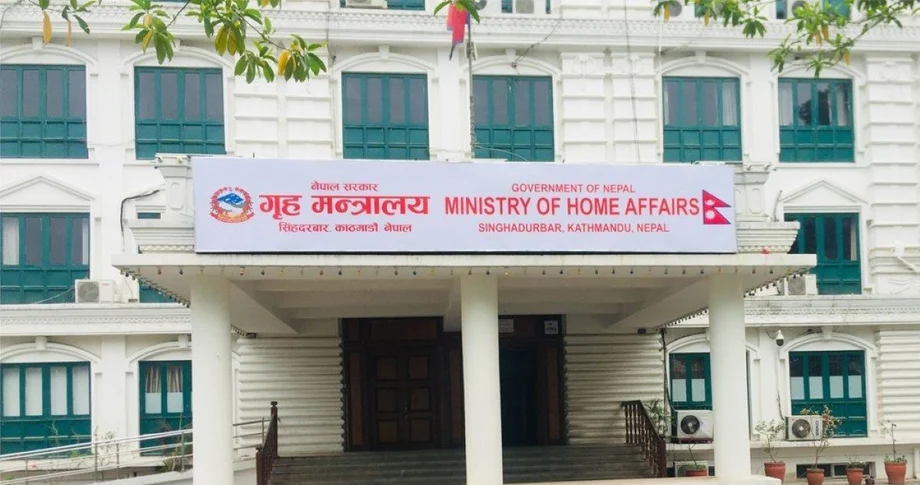
The Prime Minister's secretariat has not definitively resolved these discrepancies. The leakage of information suggests that political interference might be influencing the investigation, a point reinforced by the public presence of senior officials at the police compound.
Political Interference and Police Leadership
The investigation has drawn in high-ranking officials. Inspector General Dan Bahadur Karki, the police chief, was sacked in a move that many view as politically motivated. Government officials say Karki's removal was linked to his alleged nexus with Sapkota and his resistance to immediate arrest orders. The Prime Minister's secretariat wanted swift action, while Karki insisted on due process. Karki had also raised questions about Kumar Ben's access to the investigation, which angered the Prime Minister.
The tension between the police and the Prime Minister's secretariat has been palpable. Karki's reluctance to carry out orders immediately, combined with his perceived closeness to Sapkota, made him a target. The government replaced him with AIG Manoj Kumar KC, a move the PMO described as a routine reassignment but which Karki contested in the Supreme Court.
The presence of Prime Minister Balendra Shah's advisers at the police compound has also drawn criticism. The public visibility of these figures during an ongoing investigation raises questions about confidentiality. Senior security official Tek Prasad Rai notes that a growing tendency among police officers to prioritize political connections over policy and professionalism is weakening the investigative process. When political influence is sought, the integrity of the investigation can be compromised.
Timeline of the Arrest and Custody
- October 14: Inam Sapkota is arrested at Tribhuvan International Airport while preparing to fly to New Delhi.
- October 14 to October 15: Sapkota is kept blindfolded in an undisclosed location and questioned about various individuals.
- October 16: He is taken to his residence in Panipokhari with two suitcases, then blindfolded again and transported to the District Police Range in Bhadrakali.
- October 20: The District Police Range holds a press conference, with SSP Dilip Ghimrie stating that the police are the sole investigative agency.
- October 27: Sapkota files a complaint with the National Human Rights Commission through his wife.
- November 4: The Cabinet removes Karki from his post and appoints KC as the new police chief.
- November 5: Karki files a petition in the Supreme Court seeking reinstatement.
Broader Implications for Justice
The case of Inam Sapkota is not just about one individual. It touches upon the credibility of state institutions and the democratic system itself. Angdembe emphasized that democracy requires laws that ensure justice, not scripts designed to frame people for holding different views. He called for an impartial investigation into all allegations and the public release of the findings.
The Supreme Court judges have also been compelled to issue clarifications. Justice Shree Kant Poudel stated that his court decisions were based on facts and law. Chief Justice Manoj Kumar Sharma refuted the news linking him to financial transactions through Sapkota. These clarifications highlight the pressure on judicial figures to distance themselves from the controversy.
The situation illustrates the delicate balance between investigative power and individual rights. Sapkota's complaint raises valid concerns about the treatment of detainees. If the allegations of pre-written scripts and unauthorized seizure of evidence are true, they represent a serious assault on the rule of law. The police leadership must address these issues to maintain public trust.
The investigation into Sapkota is ongoing, with the police having 90 days to submit a report to the District Court. The outcome will set a precedent for how political figures and common citizens are treated during investigations. The public will be watching closely to see if the police can conduct an impartial inquiry or if political vendetta will prevail.
Key Points
- Inam Sapkota alleges police pressured him to give statements against political leaders and fabricated evidence.
- Sapkota claims his mobile phones were seized and tampered with by the Prime Minister's advisers.
- Inspector General Dan Bahadur Karki was sacked due to his handling of the case and alleged nexus with Sapkota.
- Bhishmaraj Angdembe called for a parliamentary probe into the investigation.
- Sapkota filed a complaint with the National Human Rights Commission seeking protection.
- The case raises questions about political interference in police investigations and judicial impartiality.
- The Supreme Court judges have issued clarifications regarding their contact with Sapkota.