A Canadian Actor, Two Flagship Stores and a Weekend Jump in Sales
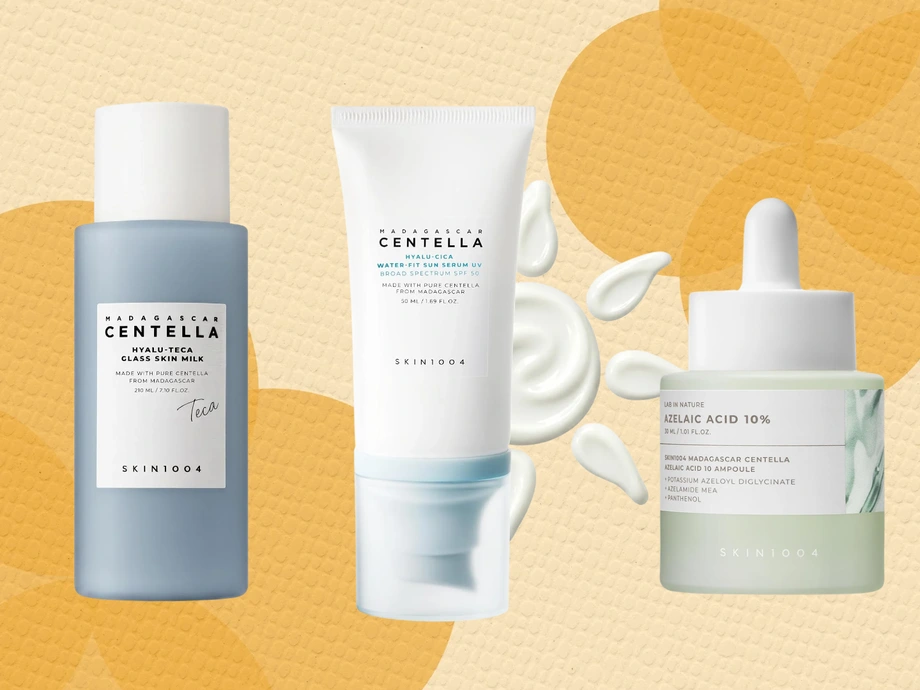
Skin 1004 opened a photo frame event on Nov 11 at its flagship stores in Myeong-dong in Seoul and in New York, built around Hudson Williams, the Canadian actor the brand named as its global ambassador in August. Shoppers step into one of two frames designed so the finished photograph looks as though they are posing beside him. The designs borrow from the brand's Hyalu-Cica and Poremizing product lines, and customers choose whichever they prefer before the shutter clicks.
Contents
- A Canadian Actor, Two Flagship Stores and a Weekend Jump in Sales
- The Photo Booth Log Shows What Drew People In
- A Gift Ladder That Turns Photographs Into Purchases
- Torriden Brings Six Photographs and a Key Ring to a Cream Set
- Anua Looks to an Animated Series, Zero Base One Chooses the Scent
- What All the Campaigns Have in Common
- The Food Industry Wrote the Playbook First
- Fandom Marketing Rests on a Much Bigger Export Business
- What Is Not Yet Known
- Key Points
Visitor numbers and revenue at both stores climbed once the frames went up. Across the weekend, foot traffic and sales reached about 1.5 times the level recorded on the weekend before the event started. Skin 1004 is operated by Craver Corporation, part of the Gudai Global group.
The Photo Booth Log Shows What Drew People In
Between Nov 11 and Nov 15, 78% of every photo booth session at the New York store used the Hudson Williams frame. In Myeong-dong the share reached 93%. The gap hints at where the actor's fans are concentrated, and the numbers also show how quickly a single promotion travelled, with the same frame running in two cities on opposite sides of the Pacific within five days of launch.
Williams built his following through the drama Heated Rivalry. Skin 1004's bet is that a fan who walks in for a photograph leaves knowing the brand, and possibly carrying a bottle of serum. The cosmetics themselves sit in the background of the campaign rather than the foreground.
The company's own reading of the shift is that shopping has become an experience to be collected, not only a transaction. An executive at Skin 1004 explained why the frames came before the giveaways.
In the global market these days, not only product function and quality but also the experiences and content connected to a brand act as important factors in a consumer's purchase decision. In particular, we judged that the interest built around an actor's fandom, and the voluntary sharing of content, are effective in creating new points of contact between a brand and its customers.
That logic explains the order of the campaign. First the store becomes somewhere fans want to be photographed. Then the merchandise gives them a reason to buy.
A Gift Ladder That Turns Photographs Into Purchases
From Nov 27, Skin 1004 added the second stage of the promotion. Buying two items from a selection the actor favours brings a photo strip. Buying three brings two photo cards, handed out at random. Buying four or more brings a dedicated key ring.
Each rung of that ladder asks the shopper for one more item, which is the mechanic that lifts the value of a single visit. Random photo cards do similar work in a different way, since a fan chasing a particular image of a favourite has to keep buying to complete a set. The same approach has become standard across the industry.
Torriden Brings Six Photographs and a Key Ring to a Cream Set
Torriden ran a promotion last month with the idol group Cortis, offering buyers of its Dive In Intensive Cream planning set six photographs of the members along with a photo holder key ring. The gifts were fully claimed on Olive Young's online mall, where the listing showed the giveaway as sold out. Olive Young is the country's largest beauty retail chain, and its online store is where a great deal of K-beauty discovery now happens.
Torriden had already tested the same fan base in a more unusual form. Earlier this summer it released an album built around the group's second studio album Green, packaging its lip balm as a component in a set that matched the concept of the track Blue Lips. The product was no longer something a fan bought alongside the music. It was part of the music release itself.
Anua Looks to an Animated Series, Zero Base One Chooses the Scent
Anua took the idea beyond real performers. Early this year the brand worked with the Netflix animation K-Pop Demon Hunters on a limited edition cosmetics set that included a character photo card, sold on Amazon in the United States. A fictional cast can carry a campaign in the same way a real one does, and an animation ties the product to a story that fans already follow.
Zero Base One went further in the other direction, into the product itself. Last year, when the group released its first studio album NEVER SAY NEVER, it worked with the fragrance brand TaylorScent to produce an album that contained solid perfume. Members picked their own scents, and the set included stick form solid perfumes built around those choices. Cosmetics stopped being a component slipped into a package and became something the artists helped design.
Beauty devices have joined the same circuit. APR appointed Jang Wonyoung of the group Ive as the model for its MediCube AGE-R beauty device last year and marked a new product launch with a photo card giveaway, extending star driven promotions from creams and serums into hardware.
What All the Campaigns Have in Common
A shopper buys a product she would use anyway and receives something tied to a star or a character she already follows. The brand reaches past its existing customers into that star's audience. Varying the gift by the number of items purchased pulls several products into one basket instead of one.
There is a second effect that costs the brand nothing. Fans photograph their photo cards and key rings and post the results, and the brand appears in feeds it never paid for. Social media communities built around Korean pop culture already work this way, organising events and spreading material across borders, which makes them unusually efficient channels for products tied to the people they admire.
Academic work on Hallyu fandom describes the same pattern. The emotional attachment fans form inside these communities raises brand loyalty and makes them willing to pay more for related products, and fans do buy the cosmetics and fashion endorsed by Korean artists. Social media communities then widen the reach of a product without the brand buying the visibility. The research treats a strong fandom as a route to export growth and to brands becoming international names.
The Food Industry Wrote the Playbook First
Cosmetics arrived late to this game. Food companies were already running it. In 2024, Lotte Mart offered photo cards to customers who bought Pepero sticks made in collaboration with the group PLAVE, and the stock sold out in two days.
What changed is the audience. K-beauty's growing international reach means a gift tied to a Korean actor or idol now moves products in New York and on Amazon as well as in Myeong-dong, which is why cosmetics brands are building fan promotions into their global launches rather than treating them as domestic stunts.
Fandom Marketing Rests on a Much Bigger Export Business
The promotions sit on top of an industry that has become one of the country's strongest exporters. South Korea shipped $3.61 billion in cosmetics from January to April 2025, moving ahead of the United States at $3.57 billion and becoming the world's second largest cosmetics exporter behind France, a lead of $40 million that followed a much larger shift the year before.
In 2024, Korean cosmetics exports reached $10.3 billion, overtaking Germany at $9.08 billion to take third place. Korean exports grew 20.3% that year, against 6.3% for France and 1.1% for the United States, and monthly shipments kept climbing into 2025, from $750.8 million in January to $1.03 billion in April. Basic skincare supplied $7.67 billion of the 2024 total, roughly three quarters of export value. That is a business built on products, and the fandom campaigns are a way of selling them into markets where the brand name is still new.
Skin care brands in particular need repeat purchases, since a serum or cream runs out and the customer has to decide again. A photo card can win the first purchase from a fan who has never used the product. Whether that fan returns for a second bottle once the key ring is on her bag is a different question, and one the industry has not answered with figures.
What Is Not Yet Known
None of the companies involved have published the revenue behind these campaigns. The 1.5 times increase at Skin 1004's two stores compares one weekend with another and covers a short window, and the brand has not said how much of the gain came from fans who had never bought its products before. Skin 1004 also has not given an end date for the photo frame event or for the gift promotion that began on Nov 27. Torriden, Anua and APR have not disclosed how much the collaborations cost or how many units they moved.
Key Points
- Skin 1004 launched a Hudson Williams photo frame event on Nov 11 at its Myeong-dong and New York flagship stores, and weekend visitors and sales at both rose to about 1.5 times the level of the previous weekend.
- Between Nov 11 and Nov 15, 78% of photo booth sessions in New York and 93% in Myeong-dong used the actor's frame.
- From Nov 27, two purchased items bring a photo strip, three bring two random photo cards and four or more bring a key ring.
- Torriden gave Cortis photographs and a key ring with its cream set last month, and the gifts sold out on Olive Young's online mall.
- Anua released a limited edition set with a character photo card from K-Pop Demon Hunters on Amazon in the US early this year.
- Zero Base One worked with TaylorScent last year on an album containing solid perfumes the members chose themselves.
- Lotte Mart sold out Pepero stock carrying PLAVE photo cards in two days in 2024, showing food companies used the tactic first.
- Korean cosmetics exports reached $10.3 billion in 2024 and $3.61 billion in the first four months of 2025, ahead of the United States.