Local Governments Raise Prices to Cover Rising Costs
South Korean local governments are beginning a series of public utility fee increases in late November and December. The rising costs are driven by long term price freezes that have allowed operational deficits to accumulate. Local authorities argue that raising fees is necessary to maintain stable public services and secure fiscal health. However, ordinary households are already feeling the pressure from high inflation and economic stagnation, making the situation difficult for many families.
Contents
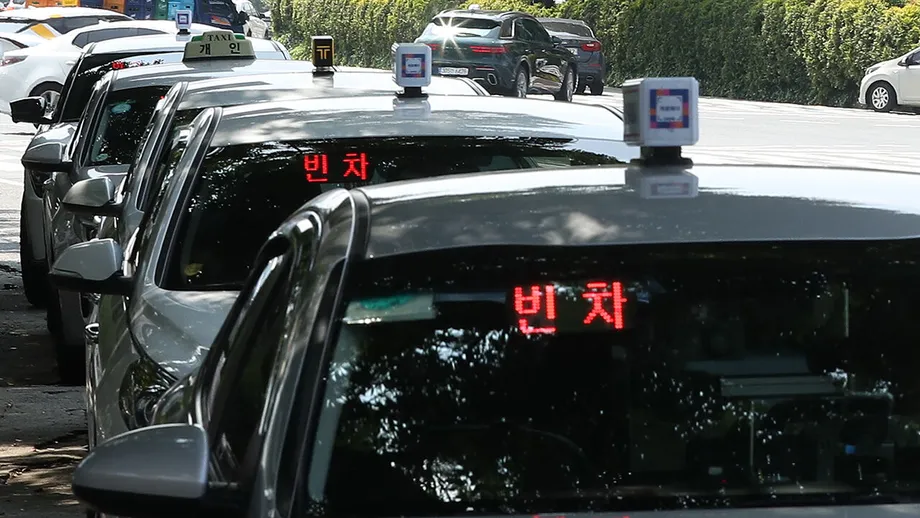
Prices for taxis, tap water, sewage, city gas, and garbage bags are all set to go up. North Chungcheong Province will raise the basic taxi fare from 4,000 won to 4,700 won starting in December. Daejeon City and Goseong County in South Gyeongsang Province will also raise their taxi fares to 4,800 won and 5,500 won, respectively. The water and sewage sectors are seeing similar adjustments. Yongin City will increase household tap water rates to 480 won per ton and sewage rates to 780 won per ton. Anseong City plans to raise sewage rates by an average of 12.9 percent, while Sejong City will increase tap water rates to 750 won per ton.
The Ministry of the Interior has announced a comprehensive plan to manage local prices and stabilize costs for consumers. This includes expanding the number of designated affordable service establishments to 12,000 by the end of the year. The ministry aims to provide financial incentives to local governments that manage prices responsibly and to cooperate on stabilizing fares for public transport. Officials emphasize that spreading out these increases over time will help reduce the immediate burden on residents.
The government's official report highlights specific details on fare adjustment mechanisms across different regions. It notes that local governments are carefully studying regional economic conditions before finalizing their adjustment plans. The report also points out that operational cost reductions and internal improvements by local authorities will be key to mitigating the impact of these hikes on the public.
Earlier reports on local public prices have noted that the current wave of increases follows a period of significant restraint. For several years, local governments kept prices stable to protect consumers from global economic shocks, particularly those originating from the Middle East. Now, as fuel and labor costs continue to climb, the gap between the actual cost of providing services and the prices charged has widened significantly.
Analyses of the taxi industry reveal that the sector is also facing serious financial difficulties. Driver shortages, combined with rising fuel and labor costs, have put immense pressure on taxi companies. Many operators argue that the current fare structure is no longer sustainable, leading to calls for higher prices to ensure business survival and better service quality.
The Real Cost of Public Services
A major driver behind the price hikes is the reality that many local governments are charging far less than it costs to provide services. In Haman County, South Gyeongsang Province, water rates currently cover only 42.9 percent of production costs. To secure the necessary funds for repairing aging water pipes and maintaining infrastructure, the county plans to raise fees by 15 percent annually from March next year until 2029.
Data on water production costs shows that in Gimje City, it cost 2,172 won to produce one ton of tap water in 2024, but the average rate charged to consumers was just 1,093 won. Similarly, Gwangyang City in South Jeolla Province has a sewage fee recovery ratio of only 22.6 percent, which is about half the national average of 45.3 percent. These figures illustrate a widespread structural problem where revenue from fees is insufficient to cover operating costs.
The financial strain is also evident in the public parking sector. In Cheongju City, North Chungcheong Province, public parking fees have remained frozen at 200 to 300 won per ten minutes for two decades. The city has struggled to find private operators willing to manage these facilities because the low fees do not cover minimum labor costs. Cheongju estimates that fares need to increase by 30 to 50 percent to secure adequate staffing and operational efficiency.
Ulsan City and its five basic administrative districts are also facing fiscal pressures. They estimate that constructing a single parking space costs approximately 120 million won. With such high infrastructure costs and stagnant fees, local governments argue that price adjustments are unavoidable to prevent further deterioration of public services.
Staggered Increases to Protect Households
To prevent a sudden shock to household budgets, local governments are adopting strategies to spread out the increases and adjust the timing of the hikes. Goseong County in South Gyeongsang Province has lowered the taxi surcharge from 1,000 won to 900 won, effectively reducing the actual increase to 500 won. North Chungcheong Province is implementing a tiered fare system where the percentage increase is lower for longer trips, rewarding residents who travel further.
Reports on sewage fee adjustments indicate that Sacheon City in South Gyeongsang Province has delayed its household sewage rate increase by one year, moving the effective date from July this year to July next year. Chungju City in North Chungcheong Province has also adjusted its water rate increase schedule to occur every two years. These delays help households prepare for the changes without facing immediate financial shock.
Plans for garbage bag price hikes in Pyeongtaek City show a similar approach. After raising prices for the first time in 20 years this year, the city plans to increase them by an average of 8 percent annually through 2028. Jeonju City, Asan City, and Jecheon City are also reviewing plans to raise garbage bag prices. Jeju Island has proposed a new system that divides public parking fees into three categories based on demand. Commercial areas in the city center will see a 40 percent increase, while residential areas will enjoy a 40 percent reduction.
Details on parking fee reforms suggest that Jeju Island is trying to balance demand and supply. By adjusting prices based on location and demand, the island aims to make parking more affordable for residents while encouraging efficient use of parking spaces in busy commercial districts. This targeted approach is seen as a way to make the necessary price adjustments less painful for the average citizen.
Government Support and Future Outlook
The Ministry of the Interior is providing financial incentives and support to help local governments manage these increases. The government plans to provide data on price recovery rates and neighboring local government prices to assist local authorities in making rational pricing decisions. In addition, the Ministry will evaluate local governments efforts to reduce costs and provide incentives based on these evaluations.
Workshops with local price officials have been held to share strategies and discuss challenges faced by different regions. The Ministry aims to establish a culture of reasonable pricing within local communities by expanding the number of affordable service establishments and offering incentives to small business owners who keep prices low.
A local official from Gwangju City emphasized that the side effects of long term price freezes inevitably transfer burdens to citizens in other forms. They stated that price realism is unavoidable for the soundness of local finances and the establishment of a stable public service foundation. However, they also noted that careful planning is required to ensure that the burden does not fall solely on residents during the slow recovery of the regional economy.
The government will continue to monitor the situation closely. If public prices rise too quickly, it could lead to a wider gap between the rich and the poor, as low income families spend a larger portion of their income on these essential services. Therefore, the government will encourage local authorities to combine price adjustments with internal cost cutting measures to minimize the impact on the public.
The Bottom Line
- Local governments are raising taxi, water, sewage, and parking fees to cover rising operational costs and long term deficits.
- Prices in Haman County and Gwangyang City are significantly below production costs, necessitating steep annual increases.
- Strategies to mitigate household burden include staggering increases over several years and adjusting fare structures based on distance and location.
- The Ministry of the Interior is providing financial incentives and data support to help local authorities manage prices effectively.
- Future adjustments will depend on the regional economic recovery and the ability of local governments to reduce internal operating costs.