A fever that falls can mark the start of the danger
Samarinda's health office has told residents of the East Kalimantan capital to watch for the stage of dengue that kills, when a fever that looks like it is easing slides into circulatory shock. Head of the city health office Ismed Kusasih said the advisory went out because rainfall has picked up, the condition that lets the mosquito carrying the virus breed faster.
Contents
- A fever that falls can mark the start of the danger
- Why the third to seventh day of illness matters most
- The warning signs that come before the collapse
- How doctors spot shock at the bedside
- Why the rainy season multiplies the mosquito population
- Other districts are counting cases as the rains arrive
- Six decades of dengue, from 58 cases to hundreds of thousands
- What treatment can and cannot do
- What residents are being asked to do
- Key Points
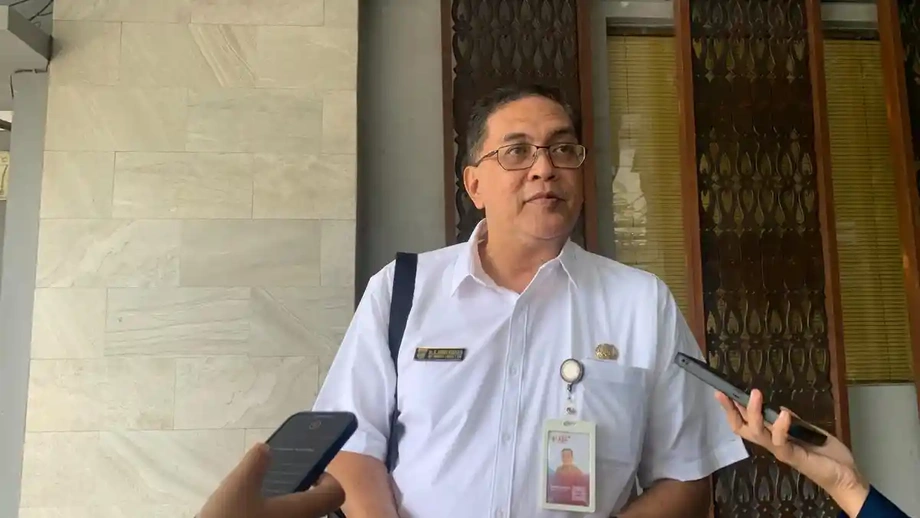
"We have circulated an advisory from the health office on the need to watch for a rise in dengue cases, because during the rainy season the incidence of this disease usually tends to increase," Ismed said on Saturday, 28 November 2026.
At the centre of his warning is Dengue Shock Syndrome, known in Indonesian clinics as DSS. It is the point where plasma leaks out of the bloodstream, blood pressure collapses and a patient can lose consciousness. Ismed described what the syndrome does to a patient.
"There is a term, Dengue Shock Syndrome, and this is the condition that causes a drop in consciousness in patients," he said.
Samarinda's own figures show why the warning arrives now. The city recorded 58 dengue cases in August, 51 in September and 63 in October, according to the health office's monitoring data, a rise of 12 cases, or roughly 24%, in that last month. Ismed said the November count still looks flat while officers finish it.
"For November it seems to be still flat; we are still compiling the data," he said.
Why the third to seventh day of illness matters most
Indonesian clinical guidance divides a dengue infection into three phases: a febrile phase, a critical phase and a recovery phase. A person bitten by an infected mosquito falls ill after an incubation period of four to ten days. The 2020 adult dengue guideline, published as Health Ministerial Decree HK.01.07/MENKES/9845/2020, places the start of the critical phase at the moment body temperature drops to 37.5 to 38 degrees Celsius or below and stays there, usually between the third and seventh day. Doctors call that stretch defervescence.
During those 24 to 48 hours, capillaries become leaky and plasma escapes into the chest and abdomen. Blood pressure can hold while circulation quietly drains, which is why a patient who feels better at home can be in the worst danger of the illness. The 2020 adult dengue guideline lists the laboratory footprints of that leak: a sudden hematocrit rise of at least 20% from the patient's own baseline, fluid in the abdomen, fluid around the lungs, and low serum protein.
- Days 1 to 3: sudden high fever, severe headache, pain behind the eyes, muscle and joint pain
- Days 3 to 7: temperature dips to 37.5 to 38 degrees Celsius or below, plasma leaks for 24 to 48 hours and shock risk peaks
- Days 6 to 9: fluid is drawn back into the vessels over 48 to 72 hours and appetite and urine output return
The 2021 guideline for children and adolescents, drafted as Health Ministerial Decree HK.01.07/MENKES/4636/2021, puts the same warning in a single sentence: the critical phase falls at the time of fever defervescence, when plasma seeps out and a patient can go into hypovolemic shock. Hypovolemic means the volume of fluid in the blood vessels is too low to keep pressure up.
Dengue haemorrhagic fever grades III and IV are classified as Dengue Shock Syndrome under that guideline, which also records how often the severe form turns dangerous in this region. Southeast Asia accounts for 15% of severe dengue cases worldwide. Among severe cases studied, 244, or 90%, involved plasma leakage, 39, or 14%, heavy bleeding and 28, or 10%, severe organ damage, with plasma leakage most frequent in children under 15.
The warning signs that come before the collapse
Doctors are trained to look for a set of signals that appear before shock, and the 2021 paediatric guideline treats any one of them as a risk factor for severe dengue. These warning signs are the reason a patient with a high fever needs a clinician's eyes rather than a few days of waiting at home.
- Vomiting that will not stop: three or more episodes in 12 hours, with oral fluids no longer kept down
- Constant abdominal pain or tenderness that grows worse and interferes with daily activity
- Restlessness or lethargy, with reduced awareness or irritability
- Bleeding from mucous membranes: nosebleeds, bleeding gums, or spots and bruises on the skin
- A liver felt more than 2 cm below the ribcage
- Fluid collecting in the eyelids, the chest or the abdomen
- A haematocrit that climbs while platelets fall quickly
Platelets are the cell fragments that let blood clot, and haematocrit is the share of blood made up of red cells. A platelet count dropping fast below 100,000 cells per cubic millimetre, together with a haematocrit above the normal range, is described in the guideline as an early sign that plasma is leaking. Repeated haematocrit readings matter because a rising figure means more intravenous fluid is needed to hold the volume inside the vessels.
Most patients with warning signs recover after early intravenous fluids, the guideline notes, though some go on to severe dengue. Dengue is counted as severe when plasma leakage causes shock or fluid buildup with breathing difficulty, when bleeding is heavy, or when an organ fails. The 2020 adult guideline mentions unusual presentations as well, including acute liver failure, encephalitis and heart muscle damage, which can appear even without shock.
How doctors spot shock at the bedside
Shock in dengue has a set of physical tells that a health worker can find without a laboratory. The 2020 adult guideline lists a fast and weak pulse, cold hands and feet, a narrowed pulse pressure under 20 mmHg (the gap between the systolic and diastolic readings), capillary refill taking longer than three seconds, and falling urine output. The 2021 paediatric guideline reduces the bedside check to 30 seconds of holding the patient's hand, a routine it calls the 5-in-1 maneuver, or magic touch, to judge how well blood is reaching the skin.
As shock progresses, the body compensates by tightening peripheral vessels and raising the diastolic pressure, so the pulse pressure narrows before blood pressure itself drops. A patient in early shock usually stays conscious. At the end of shock, both readings fall suddenly, and prolonged low pressure with low oxygen can set off multi organ failure.
The stakes are written into the numbers. Death rates in Dengue Shock Syndrome are ten times those of dengue haemorrhagic fever without shock, according to the 2020 adult dengue guideline, which names three causes: a patient reaching help late, treatment that misses the early signs, and shock that is managed inadequately. Patients with rising fluid loss, impending shock or heavy bleeding are meant to be treated in an intensive care unit.
Why the rainy season multiplies the mosquito population
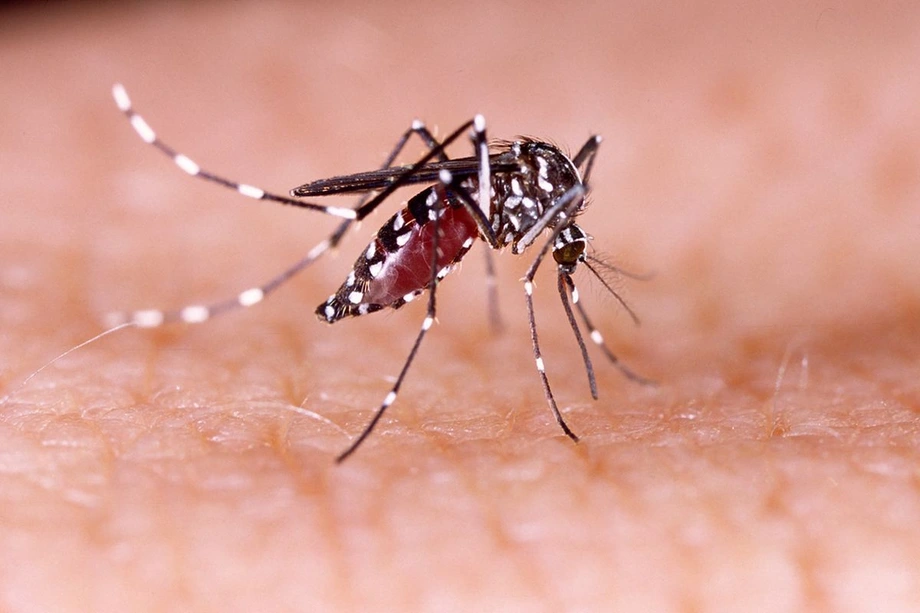
Aedes aegypti, the mosquito that spreads dengue, lays its eggs in clean standing water, and household containers are its favourite nursery. Curah hujan, or rainfall, fills buckets, flower pots, clogged gutters and discarded bottles, and the insect moves from egg to adult quickly. Yani Khairurrakhmawati, head of disease prevention and control at the Lamongan district health office in East Java, said a single week is enough.
"Ahead of this rainy season, what we worry about is the emergence of Aedes aegypti, because in a single week its cycle can already produce adult mosquitoes," she said on Wednesday, 25 November 2026.
Indonesia's health ministry and the World Health Organization promote a household routine called 3M Plus: drain water containers (menguras), seal them tightly (menutup) and recycle or bury used items that can hold water (mendaur ulang). The plus covers larvicide powder, mosquito repellent lotion, bed nets and fish that eat larvae. The ministry also pushes Gerakan 1 Rumah 1 Jumantik, one larva monitor per house, where a family member checks water containers each week and reports any larvae found.
Fogging, the smoke that many residents ask for when a case appears, has a narrow role. Pippy B. Mamud, head of disease prevention and control at the Lamandau district health office in Central Kalimantan, said spraying kills adult mosquitoes and leaves larvae and eggs untouched, so it must follow an epidemiological indication and the findings of a field investigation.
"Fogging must be based on epidemiological indications and the results of field investigations," she said.
Other districts are counting cases as the rains arrive
Lamongan, in East Java, recorded 86 dengue cases with severe symptoms up to November 2026, along with 110 mild cases and 12 still classified as suspected. The total of 208 is about half the nearly 400 cases the district logged across 2025. Yani credited the long dry season, which left little standing water, for the drop, and said the district found one Dengue Shock Syndrome case the day before she spoke.
Her advice to families is a three day rule for fever.
"The first dengue prevention step is that there must be no mosquito larvae around the home. The second is that if a family member has a fever for three days, take them to the puskesmas immediately," she said.
The puskesmas is Indonesia's neighbourhood health centre, the first stop for most patients. The Lamongan office has sent printed and electronic leaflets to every puskesmas, which pass them to volunteers in the Dasawisma neighbourhood groups who visit households.
In Empat Lawang, South Sumatra, the district health office counted 14 dengue cases and was coordinating with puskesmas across the regency on household advice and spraying. Its head, Deri Kurniawan, asked residents to check standing water around their homes and to shore up their own resistance.
"Residents must pay attention to standing water in their own surroundings, so it does not become a breeding place for the larvae that cause dengue," he said.
Magetan, in East Java, is warning about more than dengue as the weather shifts between seasons. Agoes Yudi Purnomo, who coordinates infectious disease control at the district health office, said cases of both dengue fever and dengue haemorrhagic fever tend to rise in this period, and warned of diarrhoea, leptospirosis spread through water or soil contaminated by rat urine, and hantavirus carried in rat droppings. His office is pressing residents to follow clean and healthy living habits.
Six decades of dengue, from 58 cases to hundreds of thousands
Dengue first appeared in Indonesia in Surabaya in 1968, when 58 people were infected and 24 died, a case fatality rate of 41.3%, according to a literature review of the disease's spread and control programmes in the country. The virus and its mosquito have since moved across the archipelago, helped by population density and travel. An estimated 390 million people in 128 countries are at risk of infection each year, and Asia records the highest number of cases annually.
National figures show how large the burden has grown. An outbreak in 2003 produced 50,131 cases and 743 deaths. From 2021 to February 2022, Indonesia recorded 71,044 dengue cases and 690 deaths. By the seventh week of 2022, 13,776 cases had been reported across 246 districts and cities in 19 provinces, with 145 deaths in 80 districts and cities across 16 provinces. Surveillance data from the early warning system listed 21,177 suspected cases that week, with the highest count in people aged 15 to 44.
Peak transmission in Indonesia falls between January and April, when rainfall is heaviest, which is why the health ministry asks for nest eradication to run continuously rather than only after cases surge. Samarinda's October figure of 63 cases sits at the front edge of that annual pattern, with the heaviest months still ahead.
What treatment can and cannot do
No drug attacks the dengue virus directly, the 2020 adult guideline states, and care rests on supportive therapy: keeping the circulation filled with fluid while the body clears the infection. Oral fluids are preferred and intravenous fluid is added when a patient cannot drink enough to prevent dehydration and hemoconcentration, the thickening of blood as plasma escapes. With adequate supportive care, death rates can be brought below 1%.
Once shock sets in, care escalates. Patients in Dengue Shock Syndrome receive crystalloid fluids, colloid fluids or both, together with oxygen at 2 to 4 litres per minute, and those with worsening volume loss or heavy bleeding go to intensive care for repeated monitoring. The guideline's authors place the recognition of plasma leakage at the centre of survival, since fluid given at the right hour works and fluid given after collapse works far less well.
Ismed said Samarinda's message to residents is to keep mild cases mild by reaching a clinic early, before a referral becomes unavoidable.
"The most important thing in dengue cases is to prevent the patient falling into the severe phase where they have to be referred to hospital," he said.
Clean surroundings remain the first defence in his account. He asked neighbourhoods to keep up the communal work days that clear mosquito habitats, from the kelurahan level up to the kecamatan, the district office above it.
What residents are being asked to do
Health offices across the country are handing out the same short list of symptoms: a sudden high fever lasting two to seven days, severe headache, pain behind the eyes, muscle and joint pain, nausea, vomiting and red spots on the skin. Nasrul Diman, head of the Tanjab Timur health office in Jambi, asked families not to dismiss those signs, and to bring a patient to the nearest health centre the same day.
"If you have these symptoms, get yourself checked at a health facility right away. An early examination is very important so the condition can be known and medical treatment given faster," he said.
Deri Kurniawan, in Empat Lawang, framed the same advice around water containers, because a single forgotten bucket behind a house can carry a neighbourhood's next cluster of cases. The ministry's guidance adds simpler habits that cut mosquito numbers: repair light and ventilation inside the home, avoid hanging clothes indoors where the insects rest, and use repellent during the rainy months.
Yani said the risk does not end when the rain stops, since larvae already laid will hatch and reach adulthood within days. Her office is counting cases weekly and watching for the jump that usually follows the first weeks of steady rain.
Key Points
- Samarinda's health office warned residents on 28 November 2026 about Dengue Shock Syndrome as rainy season rains return to East Kalimantan
- The city recorded 58 dengue cases in August, 51 in September and 63 in October, and its November count is still being compiled
- Head of the city health office Ismed Kusasih said DSS is the condition that causes patients to lose consciousness
- The 2020 adult dengue guideline places the critical phase between day 3 and day 7, when fever drops to 37.5 to 38 degrees Celsius and plasma leaks for 24 to 48 hours
- Death rates in Dengue Shock Syndrome are ten times those of dengue haemorrhagic fever without shock
- Lamongan recorded 86 severe cases, 110 mild cases and 12 suspected cases up to November 2026, and found one DSS case on 24 November
- Southeast Asia accounts for 15% of severe dengue cases worldwide, and 90% of those involve plasma leakage
- Dengue has no specific antiviral treatment; supportive fluid therapy can push death rates below 1%
- Households are asked to run the 3M Plus routine weekly and to take a fever lasting three days to a puskesmas