Tea from Yingde Shines at APEC
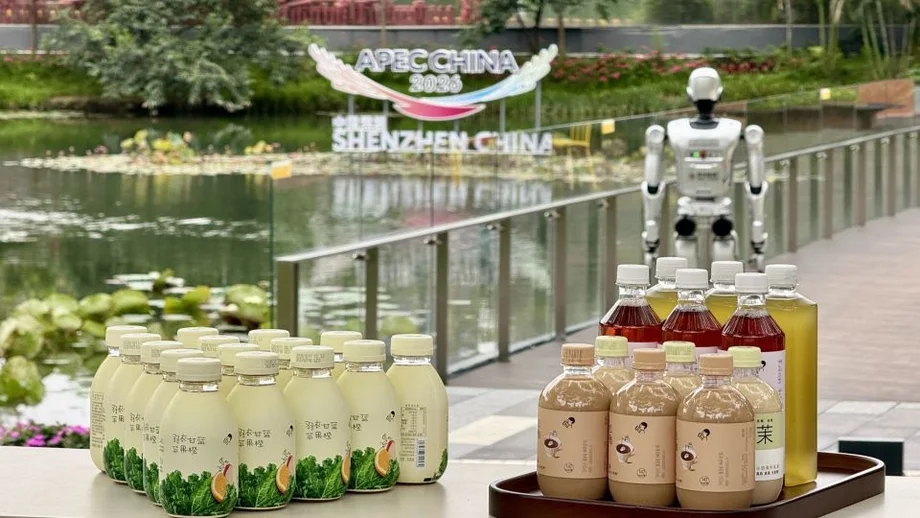
2026年11月24日, the streets of Shenzhen buzzed with international visitors for the APEC Leaders Week. In the media center of the Futian district, a new beverage caught the eye of global delegates: a bottled fresh milk tea with Yingde black tea as its core base. The product, named "Yinghong Ganlu" in Chinese, was more than just a drink; it was a showcase for the region's most famous agricultural asset. This moment highlighted a strategic shift for Yingde, a city in Qingyuan, Guangdong. The local tea industry is moving from promoting individual factories to promoting a unified regional brand marked by a specific geographical indication label.
Contents
The scale of this transition is significant. The regional public brand value of Yingde black tea reached 5.732 billion yuan in 2026. The entire industrial chain, covering planting, processing, and sales, generated over 10.2 billion yuan. This growth is driven by high-profile collaborations with leading new-style tea beverage chains. Heytea, a major player in the industry, purchased approximately 105 tons of Yingde black tea in 2025. This purchase alone drove nearly 267 million yuan in new beverage output value. The brand value and production figures reflect a market that is no longer satisfied with generic tea but seeks specific regional identities.
The Shift from Factory to Label
For years, consumers recognized specific tea factories rather than the Yingde name itself. The local tea enterprises often ran their own independent marketing campaigns. This fragmented approach meant that the public knew the taste of the tea but not its origin. The introduction of geographical indication labels changed this dynamic. The label acts as a quality guarantee, telling consumers exactly where the tea comes from and how it is processed.
The geographical indication label is not just a stamp. It represents a set of standards that define the tea's flavor profile. The tea from Yingde features a unique fermentation and secondary drying process. This results in a flavor base described as rich, mellow, sweet, and fragrant. These characteristics are essential for modern bottled beverages that require standardized tastes across large volumes. The label allows consumers to make purchasing decisions based on origin rather than just brand names, creating a more transparent market.
This shift has allowed Yingde tea to enter new consumption scenarios. The tea is no longer limited to traditional teahouses. It now appears in convenience stores, airlines, and international conferences. The geographical indication label ensures that whether the tea is in a porcelain cup or a plastic bottle, the quality remains consistent. This consistency is what builds consumer trust in the regional brand.
Heytea Drives Innovation
Heytea played a pivotal role in this transformation. The company launched the "Yinghong Cheesey Nuonuo" product in April 2025. This product sold 800,000 cups nationwide on its first day. The success of this single product proved that traditional Chinese teas could compete with modern coffee and fruit teas. Within a year, Heytea introduced six additional Yingde black tea series products. These products reached consumers in more than ten countries and regions.
The collaboration between Heytea and Yingde is based on deep supply chain cooperation. Heytea sources its tea from high-quality production areas certified with geographical indications. The tea undergoes controlled temperature and humidity fermentation. This process ensures that the tea leaves remain red and soft. Such quality control is critical for the manufacturing of bottled beverages. It allows the tea to maintain its aroma and taste without the need for artificial additives.
In December 2025, Heytea was awarded the title of "Global Promotion Partner for Yingde Black Tea" by the Yingde Tea Industry Association. This partnership underscores the mutual benefits of their collaboration. The tea industry gains access to a massive young consumer base. Heytea gains a unique selling point for its product lines. This synergy has created a new growth engine for the Yingde tea industry, moving it from a traditional agricultural product to a modern consumer good.
International Recognition in Germany
The influence of Yingde black tea extends beyond beverage chains. In November 2026, the Third China-Europe Scientists Forum was held in Frankfurt, Germany. This forum featured a parallel tea industry development conference. It was the only segment of the forum that connected the tea industry across primary, secondary, and tertiary sectors. It combined tea technology, culture, and trade into one platform.
Yingde Hongmen Hong Tea Industry Co., Ltd. presented its core product, the Yingde Black Tea No. 9 series, at the forum. The company was selected based on its strict organic planting and processing standards. The tea is grown without pesticides, fertilizers, or pollutants. The resulting leaves are thick and tight, with a shiny black color and golden tips. When brewed, the tea liquor is bright red with a golden ring. It has a persistent fruity aroma and a sweet aftertaste.
The tea was chosen as a specific high-end tea gift for the conference. It was presented to Nobel laureates, scientists, and international guests. The product won the "China Tea Brand Going Global Pioneer Award." The chairman Tan Youbin and general manager Chen Han were honored as "International Tea Culture Communication Ambassadors." These recognitions highlight the global potential of Yingde black tea. They show that the tea can compete with premium European teas in terms of quality and cultural significance.
Quality and Standards
The success of Yingde black tea relies on its strict quality standards. The tea is grown in the core production area of Yingde, which is known as the "Hometown of Chinese Red Tea." The region has a unique climate and soil composition. These natural conditions contribute to the high content of tea polyphenols, theaflavins, and thearubigins. These active nutrients provide health benefits that appeal to modern health-conscious consumers.
The processing of the tea follows traditional methods combined with modern technology. The leaves are carefully withered, rolled, fermented, and dried. The fermentation process is particularly critical. It determines the color and strength of the tea. The secondary drying process locks in the aroma. This combination of traditional craftsmanship and scientific precision ensures that each batch of tea meets the geographical indication standards.
The geographical indication label also protects the integrity of the market. It prevents inferior teas from other regions from being sold under the Yingde name. Consumers can trace the origin of their tea back to specific plantations. This traceability adds value to the product. It allows producers to command higher prices for their premium teas. The label thus serves as a tool for both quality control and brand building.
Future Prospects
Looking ahead, the Yingde tea industry plans to expand its global footprint. The focus is on developing new products that cater to different consumer preferences. This includes ready-to-drink teas, tea-infused desserts, and health supplements. The industry also aims to deepen its connections with international research institutions. This will help in developing new tea varieties and improving cultivation techniques.
The promotion of the geographical indication label will continue to be a key strategy. Local authorities are investing in marketing campaigns to raise awareness of the label. They are also working to improve the infrastructure for tea production and distribution. This includes better storage facilities and more efficient logistics. These improvements will help reduce costs and increase the competitiveness of Yingde tea in the global market.
The story of Yingde black tea is one of transformation. It has moved from a local agricultural product to an international brand. This transformation is driven by innovation, quality, and strategic partnerships. The geographical indication label has played a crucial role in this journey. It has provided a framework for quality and a symbol of origin. As the industry continues to grow, the label will remain a key asset for producers and consumers alike.
The Bottom Line
- Yingde black tea regional public brand value reached 5.732 billion yuan in 2026.
- The total industrial chain output exceeded 10.2 billion yuan.
- Heytea purchased 105 tons of tea in 2025, driving 267 million yuan in new beverage output.
- Yingde Hongmen Hong Tea Industry Co. won the "China Tea Brand Going Global Pioneer Award" in Germany.
- The shift from factory branding to label recognition is a key driver of industry growth.
- Geographical indication labels ensure quality and traceability for consumers.
- International collaborations are expanding the market for Yingde tea.
- The industry is focusing on product innovation and global expansion.