Low Dose Radiation Shows Promise for Alzheimer's Cognitive Decline
A team of researchers in South Korea has provided the first clinical evidence that exposing the entire brain to extremely low doses of radiation can delay cognitive decline in patients with mild Alzheimer's disease. The study, led by Professor Jeong Won-gyu of the Department of Radiation Oncology at Kyung Hee University Hospital at Gangdong, confirmed these findings through a randomized clinical trial involving 41 patients across three hospitals in South Korea. The findings were published in the international academic journal Radiotherapy and Oncology, which has an impact factor of 4.8.
Contents
Alzheimer's disease is a leading cause of dementia, characterized by the gradual decline of cognitive functions such as memory and judgment. While existing drug treatments and amyloid-targeting therapies are used, they have limitations regarding eligible patients and side effects, prompting continued research into new treatment methods. Preclinical studies have suggested that low-dose radiation may have anti-inflammatory effects in the brain and neuroprotective potential. However, clinical evidence involving patients has remained limited due to small study sizes or inadequate control groups.
The research team conducted the clinical trial at Kyung Hee University Hospital at Gangdong, Seoul Metropolitan Government Boramae Medical Center, and Chungbuk National University Hospital from June 2022. The participants were patients aged 60 to 85 with mild Alzheimer's disease who had confirmed amyloid accumulation in the brain through PET scans and had been taking existing dementia medication for at least three months.
The 41 patients were divided into a 0.24 Gy irradiation group of 14, a 3 Gy irradiation group of 14, and a non-irradiated control group of 13. The inclusion criteria required patients to be aged 60–85 with confirmed amyloid deposition via PET and a history of existing dementia medication use for ≥3 months. Exclusion criteria included contraindications to MRI, severe cardiovascular or respiratory diseases, and other neurological disorders. The 0.24 Gy was not a single-dose amount but a cumulative dose administered six times, at 0.04 Gy twice a week for three weeks. The research team analyzed 36 patients for whom assessments were possible, of whom 31 completed one year of follow-up.
How Low-Dose Radiation Works in the Brain
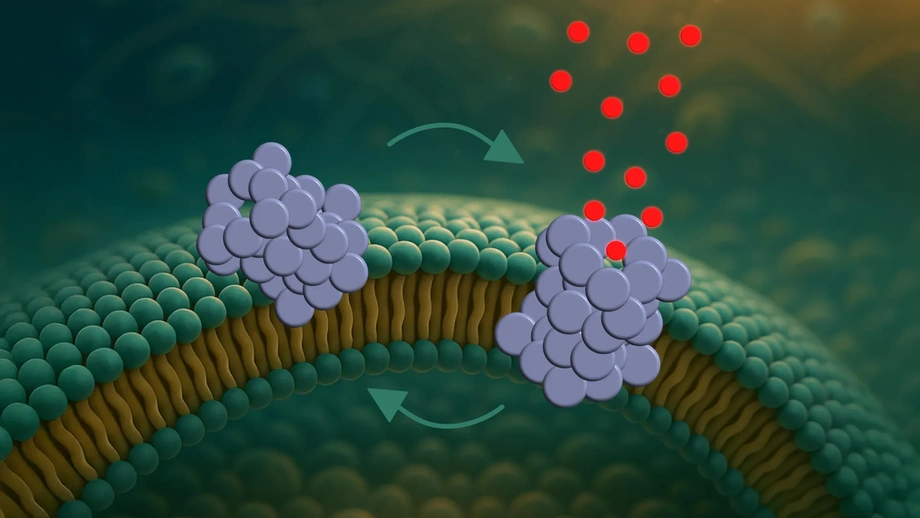
The potential of low-dose radiation lies in its ability to modulate microglia, the immune cells of the brain. Microglia help remove debris and regulate inflammatory responses. Animal studies have indicated that low-dose radiation may restore microglial function, reducing inflammation and protecting nerve cells. This mechanism offers a new avenue for treatment that complements existing pharmaceutical approaches.
The 0.24 Gy group received a total of six sessions, with each session delivering 0.04 Gy to the entire brain. This approach differs from traditional radiation therapy, which often uses higher doses in single sessions. The researchers examined whether changes related to cognitive function appeared even at such a low dose. Participants underwent the same procedures without knowing which group they were in, ensuring a double-blind study design.
The analysis found that after six months, worsening on the Clinical Dementia Rating–Sum of Boxes (CDR-SB), which assesses dementia severity, was 2.08 points smaller in the 0.24 Gy group than in the control group. The CDR-SB evaluates memory, judgment, ability to perform daily activities, and other areas, with a higher score indicating a worsening condition. After 12 months, the decline in scores on the Korean version of the Mini-Mental State Examination (K-MMSE-2) was also 2.42 points smaller than in the control group.
Meanwhile, after 12 months, worsening on the Alzheimer's Disease Assessment Scale – Cognitive Subscale (ADAS-Cog) was 5.36 points smaller in the 3 Gy group than in the control group. The statistical analysis for the 3 Gy group's 12-month results yielded a p-value of 0.044, indicating a statistically significant reduction in cognitive decline compared to the control group. These results suggest that some measures of cognitive function and dementia severity may have worsened relatively more slowly in the irradiated groups.
Statistical Significance and Safety Results
Safety assessments found no adverse events related to radiation exposure and no notable abnormalities on brain magnetic resonance imaging (MRI). However, on the prespecified primary outcome measure, the six-month ADAS-Cog assessment, neither radiation group showed a statistically significant difference from the control group. The 12-month cognitive-function assessment showed statistical significance with a p-value of 0.044.
The statistical significance in the 12-month assessment indicates that the observed differences are unlikely to be due to chance. The p-value of 0.044 is below the common threshold of 0.05, suggesting that the lower cognitive decline in the 3 Gy group compared to the control group is a meaningful result. However, researchers caution against overinterpreting these results because the study involved a relatively small number of participants and a limited follow-up period.
Professor Jeong Won-gyu emphasized the importance of the low total radiation dose. He noted that even at 0.24 Gy, some measures of dementia severity and cognitive function showed less worsening. The team will continue to rigorously verify treatment efficacy and safety in follow-up clinical trials to confirm these promising initial findings.
Implications for Future Treatment
The study adds to the growing body of evidence that radiation therapy, typically associated with cancer treatment, can have neuroprotective benefits. The use of positron emission tomography (PET) to confirm amyloid buildup ensured that participants had the specific biological markers associated with Alzheimer's disease. This precision helps isolate the effects of radiation from other potential causes of cognitive decline.
Participants in the study were monitored for up to one year, with 31 individuals completing the full follow-up period. The consistent procedures and blinded assessments helped maintain the integrity of the data. The results provide a foundation for larger, more definitive trials that could establish low-dose radiation as a standard non-pharmacological treatment for Alzheimer's.
The findings highlight the potential for a treatment that is both effective and safe, with minimal side effects compared to drug therapies. As the population ages, non-drug interventions that do not carry the risk of systemic side effects become increasingly valuable.
Key Findings Summary
- South Korean researchers found that low-dose radiation can delay cognitive decline in mild Alzheimer's disease.
- The study involved 41 patients across three hospitals, with participants divided into low-dose (0.24 Gy), higher-dose (3 Gy), and control groups.
- Potential mechanism involves the restoration of microglial function in the brain, reducing inflammation and protecting nerve cells.
- Patients receiving 0.24 Gy showed a smaller decline in cognitive function scores after 12 months compared to the control group.
- No significant side effects or abnormalities were observed in brain MRI scans for the radiation groups.
- Results are considered preliminary evidence for future large-scale clinical trials rather than a definitive confirmation of treatment efficacy.
Next Steps in Research
Researchers plan to expand the study to include more participants and longer follow-up periods to confirm the long-term safety and efficacy of the treatment. The current results serve as a strong basis for these next steps, offering hope for millions of Alzheimer's patients who could benefit from a new, non-invasive treatment option.
The Bottom Line
- Low-dose radiation therapy shows promise in slowing cognitive decline for Alzheimer's patients.
- A 0.24 Gy total dose delivered over six sessions was associated with better cognitive outcomes over 12 months.
- The treatment appears safe with no significant adverse events reported in the small study group.
- Larger clinical trials are needed to confirm these findings and establish radiation as a viable non-drug therapy.