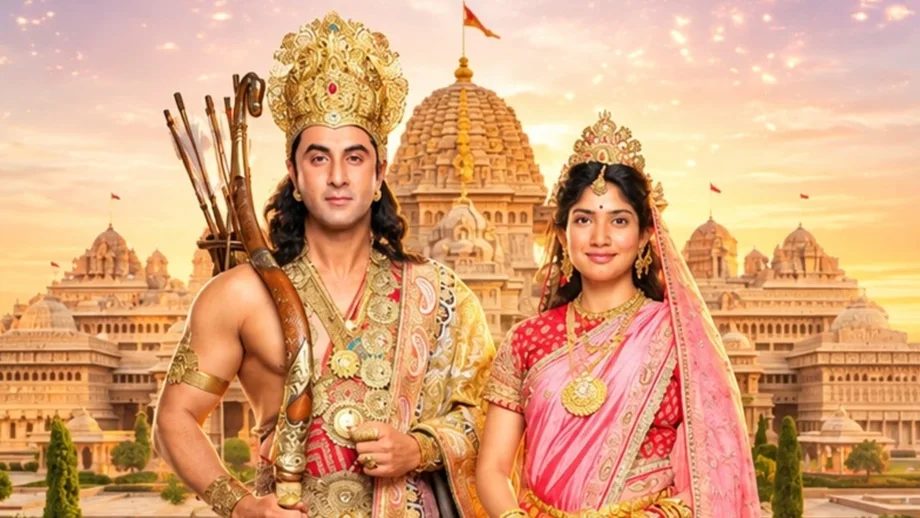
Ramayana Passes ₹1,800 Crore Worldwide
Ramayana, the Nitesh Tiwari film starring Ranbir Kapoor as Lord Ram, Sai Pallavi as Sita and Yash as Ravana, reached a worldwide gross collection of ₹1,814.55 crore on its 24th day in cinemas, Saturday, 28 November 2026. The film opened in cinemas on 5 November 2026. Gross collection is the total of ticket sales including taxes, and the worldwide figure adds money from India and from overseas markets together.
Contents
- Ramayana Passes ₹1,800 Crore Worldwide
- When Did Ramayana Hit Each Milestone?
- How Did Weekend and Weekday Earnings Change?
- Which Language Versions Earn the Most?
- Is the Film a Hit Yet?
- What Did the Supreme Court Say?
- Why Are Some Hindu Groups Objecting?
- Is Ramayana in the Oscar Race?
- What Comes Next for Part 2?
- Key Points
India gross stood at ₹1,212.55 crore and overseas gross at ₹602 crore, so about one third of the worldwide total came from outside India. The India net figure, which removes GST from ticket sales, reached ₹1,015.20 crore. Net is always lower than gross because the tax is taken out.
That total moves the film past Dhurandhar 2, whose lifetime worldwide gross was ₹1,813.39 crore, by a margin of ₹1.16 crore. Only Dangal sits above it. Trade figures put Dangal at ₹2,070.30 crore, while another estimate says about ₹2,000 crore. Ramayana needs ₹255.75 crore more to pass Dangal. Dangal's total was helped by its release in China, where Ramayana has not yet been released.
When Did Ramayana Hit Each Milestone?
The climb came in stages, and each benchmark arrived within a few days of the one before. The film's India net passed the ₹1,000 crore mark on day 23.
- Day 11, Sunday 15 November: ₹1,384.50 crore worldwide, passing KGF Chapter 2's roughly ₹1,215 crore to become Yash's highest earning film.
- Day 14, 18 November: ₹1,519.05 crore, the fastest Indian film to reach ₹1,500 crore, ahead of Dhurandhar 2, which took 16 days.
- Day 18, Sunday 22 November: ₹1,693.50 crore, just short of ₹1,700 crore.
- Day 19, Monday 23 November: ₹1,704.65 crore, making it the fifth Indian film to pass ₹1,700 crore after Dangal, Dhurandhar 2, Baahubali 2 and Pushpa 2.
- Day 21, Wednesday 25 November: ₹1,755.60 crore, passing Pushpa 2's ₹1,742.10 crore to take fourth place.
- Day 23, Friday 27 November: ₹1,790.10 crore, passing Baahubali 2's ₹1,788.06 crore to take third place.
- Day 24, Saturday 28 November: ₹1,814.55 crore, passing Dhurandhar 2 for second place.
The earnings did not rise in a straight line. Daily collections fell sharply at several points, as the next section shows.
How Did Weekend and Weekday Earnings Change?
The film's biggest single day came early in its run. On Monday 9 November, day 5, it collected ₹107.50 crore net in India. Trade figures describe that as the highest fifth day collection for any Indian film, beating Dhurandhar 2's ₹65 crore on the same day. The first Sunday, day 4, had brought in ₹56.15 crore.
The second Sunday, 15 November, gave ₹75 crore, a rise of about 33.6 percent over the first Sunday. The next day, Monday, fell to ₹32 crore, a drop of about 57 percent. Across the second weekend, the film earned ₹196 crore net in India.
Over the third weekend, from Friday 20 November to Sunday 22 November, the film earned about ₹79 crore net. Sunday's ₹35.60 crore was 52.5 percent below the second Sunday's ₹75 crore. Trade figures give Saturday as ₹27.40 crore, while another tally puts it at ₹27.65 crore. On Saturday, the film ran 15,851 shows and averaged ₹17,286 per show.
Weekday earnings dropped into single digits in the fourth week. On Wednesday 25 November, day 21, the film made ₹9.60 crore, the first time its daily net had fallen below ₹10 crore since release. That was a fall of 45.1 percent from Tuesday's ₹17.50 crore. Day 23 brought in ₹8.45 crore, and Saturday 28 November, day 24, rebounded to ₹14.65 crore.
Which Language Versions Earn the Most?
The Hindi version carries most of the money. On day 14, Hindi net collections in India reached ₹643.50 crore, about 76.2 percent of the India net total of ₹844.40 crore. Kannada followed with ₹68.75 crore, Telugu with ₹53.70 crore, Tamil with ₹39.65 crore and Malayalam with ₹38.80 crore.
On day 24, the daily split by language looked like this:
- Hindi: ₹9.50 crore
- Tamil: ₹1.90 crore
- Malayalam: ₹1.60 crore
- Kannada: ₹1.40 crore
- Telugu: ₹25 lakh
The Hindi net total passed ₹700 crore on day 18, when it reached ₹715.75 crore. That made it the second fastest Hindi film to that mark, behind Dhurandhar 2.
Is the Film a Hit Yet?
The makers told a High Court that Part 1 cost ₹2,000 crore. On that basis, a hit needs at least ₹1,100 crore net in India and ₹2,800 crore worldwide. India net stands at ₹1,015.20 crore, so about ₹84.80 crore more is needed at home. Worldwide gross of ₹1,814.55 crore is about 65 percent of the ₹2,800 crore target.
Film and trade expert Sumit Kadel says a film's hit or flop status depends on its distributor share, meaning the portion of ticket money that reaches the distributor after cinemas take their cut. The collection totals in these reports do not show that share, so the hit status is not yet settled.
Filmmaker Ram Gopal Varma has challenged the ₹2,000 crore figure. In a long post on X, he wrote that he had been told the real cost of Part 1 is slightly under ₹800 crore, after deals in which partners share benefits, global tax benefits and subsidies lower the final spending. He also rejected the idea that both parts cost ₹4,000 crore together, saying spending is not split evenly, since in some films half the budget goes to the climax alone.
What Did the Supreme Court Say?
On Friday, 27 November, the Supreme Court refused urgent hearing for a public interest petition against the film. The petition was filed on 23 November by Manoj Singh Thakur, an advocate from Raipur, the capital of Chhattisgarh.
The petition names the Ministry of Information and Broadcasting, the Central Board of Film Certification (CBFC), Prime Focus Studios, Monster Mind Creations, producers Namit Malhotra and Yash, director Nitesh Tiwari, and writers Shridhar Raghavan and Shreyas Jain. It argues that the film was promoted as based on Maharishi Valmiki's Ramayana while departing from its facts, and it alleges commercial fraud against audiences. The petitioner's lawyer asked for an early hearing.
Surya Kant, the Chief Justice of India, led the bench and first pointed to the fact that the film had already been released.
The movie has already been released. Those who wanted to watch it have already seen it.
Justice Joymalya Bagchi told the petitioner that people may make their own films to show their own understanding of the epic, and asked that the court's time not be wasted.
The court did not dismiss the petition on its merits, and it issued no order limiting screenings. No date for the next hearing has been announced, so the case will move through the regular listing process.
Why Are Some Hindu Groups Objecting?
The Vishwa Hindu Parishad (VHP) has demanded a ban on the film. VHP general secretary Bajrang Lal Bagra asked for the censor certificate to be revoked and screenings to stop, saying the makers distorted the Valmiki Ramayana and glorified the demon king Ravana.
Bagra said episodes central to Lord Ram's character were left out, including Ahalya's redemption, the friendship of Nishadraj Guha and the devotion of Kevat. VHP International President Alok Kumar said the film presents Ravana as a liberator of Dalits and the deprived, which he said changes the moral message of the epic. The protests have not stopped the film's collections.
Is Ramayana in the Oscar Race?
Reports say Ramayana is among the 20 films on the visual effects longlist for the 99th Academy Awards. The Academy has not yet released that list officially. Earlier reports said the film was submitted for the 99th Oscars, a claim the film's official spokesperson has not confirmed.
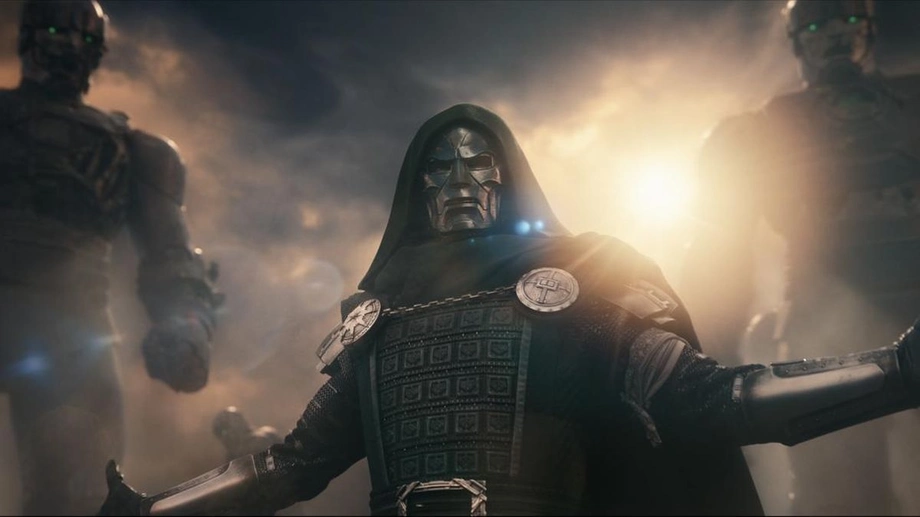
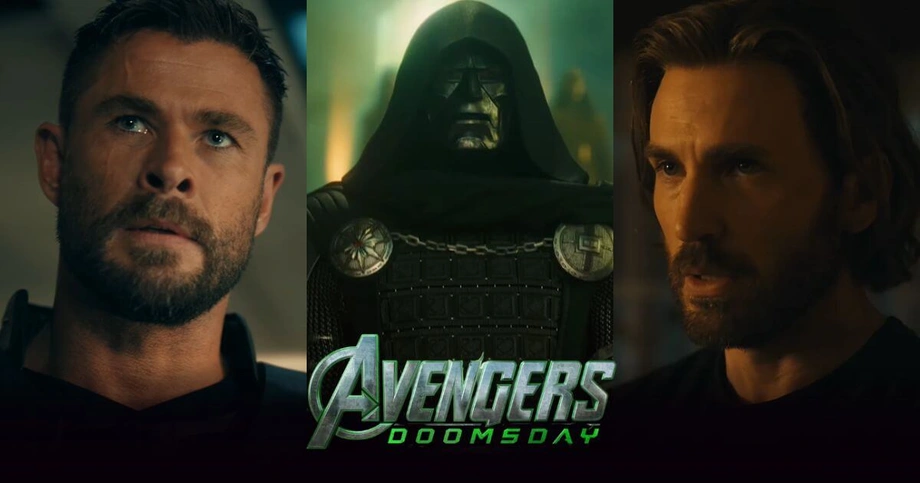
The visual effects work was done by DNEG and Monster Mind Creations. Reports say DNEG is owned by Namit Malhotra, one of the film's producers. DNEG has worked on Dune, Interstellar and Inception, and reports say five of the 20 longlisted films had DNEG as their visual effects producer. Competitors reportedly include Avengers: Doomsday, Odyssey and Dune 3. Reports also say the film was shortlisted for Best Visual Effects and Best Stunt Design at the Critics Choice Awards in 2027.
The remaining Oscar steps are set out below.
- 7 to 11 December 2026: shortlist voting
- 15 December 2026: announcement of a 10 film shortlist
- 11 to 15 January 2027: nomination voting
- 21 January 2027: five nominees announced
- 25 February to 4 March 2027: final voting
- 14 March 2027: 99th Academy Awards ceremony
Whether the film makes the shortlist or the final nominees is not yet known.
What Comes Next for Part 2?
Producer Namit Malhotra described Hanuman as India's version of an Iron Man figure. He said the brief glimpse of Hanuman in the scene shown after the credits of Part 1 was a deliberate choice. The makers saved his full introduction for Part 2, so audiences would wonder what Ram does after Sita is abducted.
Director Nitesh Tiwari said Sunny Deol was chosen for Hanuman because audiences see him as a hero with the image of a fierce figure who could make a mountain shake in anger, and that Dara Singh had played the role in the past.
Cinematographer Pankaj Kumar said 60 percent of Part 2 is already shot, while large amounts of visual effects and motion capture work are still to be done. The makers have confirmed that Part 2 has moved from 2027 to Diwali 2028. Ram Gopal Varma has predicted that Part 2 will earn ten times what Part 1 has earned.
Part 1 is also expected to release next year in Asian markets including China, Japan, Russia and South Korea, according to reports. No firm dates for those releases have been given.
Key Points
- Ramayana reached ₹1,814.55 crore worldwide by day 24, with India net at ₹1,015.20 crore.
- The film is second among Indian films, behind Dangal at ₹2,070.30 crore according to trade figures.
- It reached ₹1,500 crore in 14 days, the fastest for any Indian film.
- The makers' break-even targets are ₹1,100 crore in India and ₹2,800 crore worldwide, and hit status is not yet settled.
- The Supreme Court refused an urgent hearing on 27 November, and no next date has been announced.
- Reports place the film on the Oscar visual effects longlist, with nominees due on 21 January 2027.
- Part 2 is set for Diwali 2028, with 60 percent of its shooting complete.