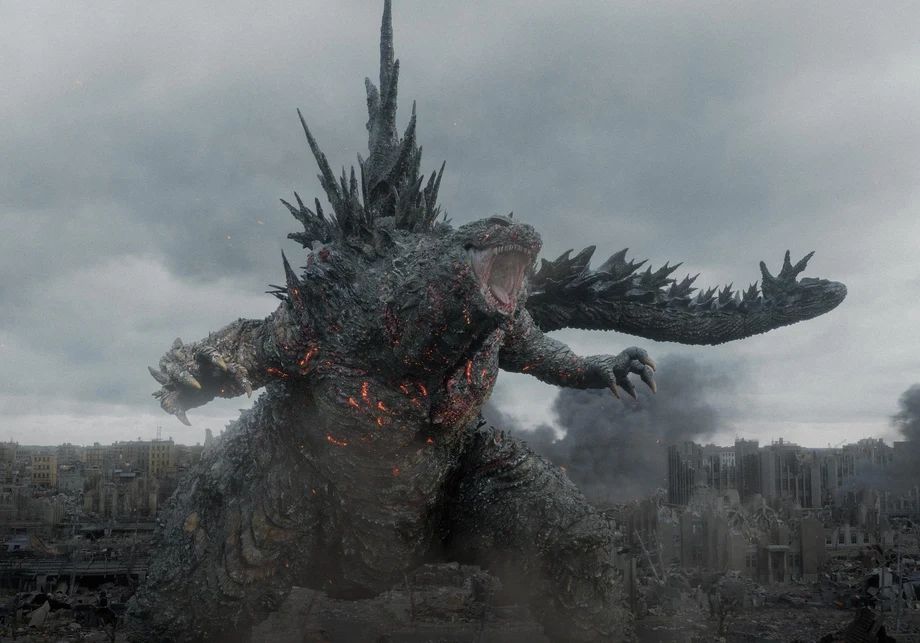
A private notification sets the contest in motion
The visual effects race for the 99th Academy Awards has narrowed to 20 films, with Takashi Yamazaki's Godzilla Minus Zero, Nitesh Tiwari's Ramayana: Rise of a Legend, Christopher Nolan's The Odyssey and Denis Villeneuve's Dune: Part Three all advancing. The Academy's Visual Effects Branch notified the artists behind the films before the US Thanksgiving holiday, and the first full account of the field emerged on Nov. 24, 2026.
Contents
- A private notification sets the contest in motion
- Godzilla Minus Zero carries Japan's Oscar momentum
- Disney holds one fifth of the field
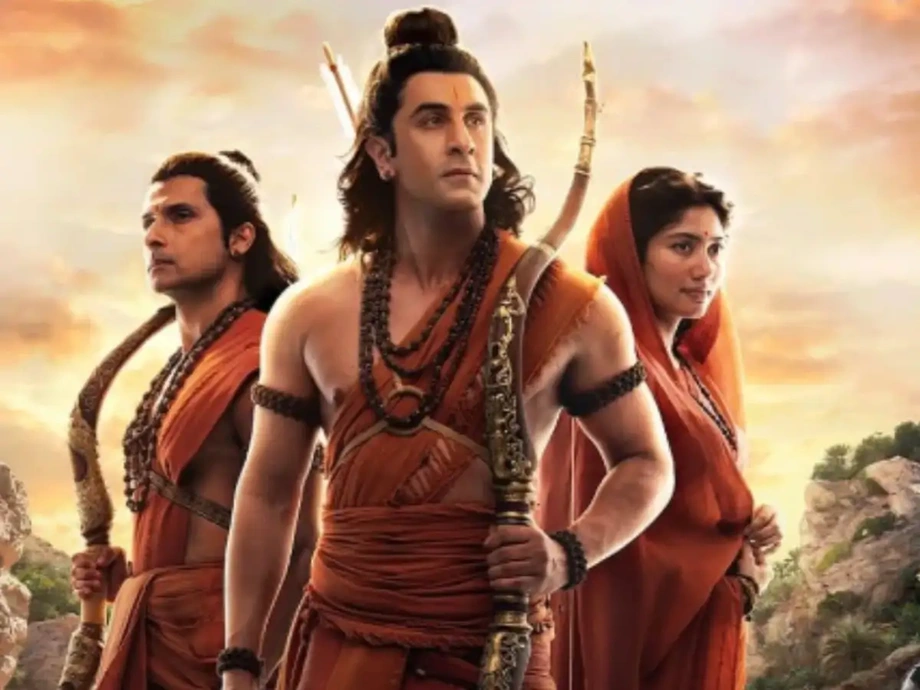
- Ramayana brings an enormous Indian production into the race
- Past winners raise the stakes for Dune, Nolan and Spielberg
- Backrooms and Wildwood represent very different kinds of filmmaking
- The remaining studios complete an unusually varied ballot
- How the 20 films become five Oscar nominees
- What to Know
The Academy does not publish this preliminary group externally and declined to comment on or confirm which films had advanced. The names were established through multiple industry confirmations. An initial tally verified 19 titles while one place remained outstanding, before the complete slate of 20 films emerged.
Disney leads with four pictures: Avengers: Doomsday, Star Wars: The Mandalorian and Grogu, Whalefall and Moana. Sony Pictures has three, including Ramayana, while Universal Pictures and Amazon MGM Studios each have two. The field also includes an Indian mythological epic, a Japanese monster film, an animated feature made with physical puppets and a director's first feature that grew out of YouTube videos.
Visual effects are images created or altered beyond what a camera can simply record on a set. They can include digital creatures, vast cities, epic battles or subtle changes to an otherwise ordinary scene. For readers following the contest, the practical sequence is simple: 20 films remain eligible for the next vote, 10 will make December's official shortlist, and five will become Oscar nominees in January.
Godzilla Minus Zero carries Japan's Oscar momentum
Godzilla Minus Zero returns director Takashi Yamazaki to the category two awards cycles after Godzilla Minus One won the visual effects Oscar at the 96th Academy Awards. That victory delivered the Godzilla franchise its first Academy Award. GKIDS is listed as the distributor of the new film.
The sequel is set two years after the events of Godzilla Minus One. Its story follows another struggle against Godzilla after the monster appears again, giving Yamazaki and his effects team an opportunity to continue both the narrative and the technical work recognized by the earlier win.
A second victory would make the new production an unusually quick repeat success for Japanese visual effects. Its presence beside Ramayana also gives the preliminary field two major Asian productions, competing directly with the largest fantasy and science fiction releases from Disney, Universal, Warner Bros. and other Hollywood studios.
Disney holds one fifth of the field
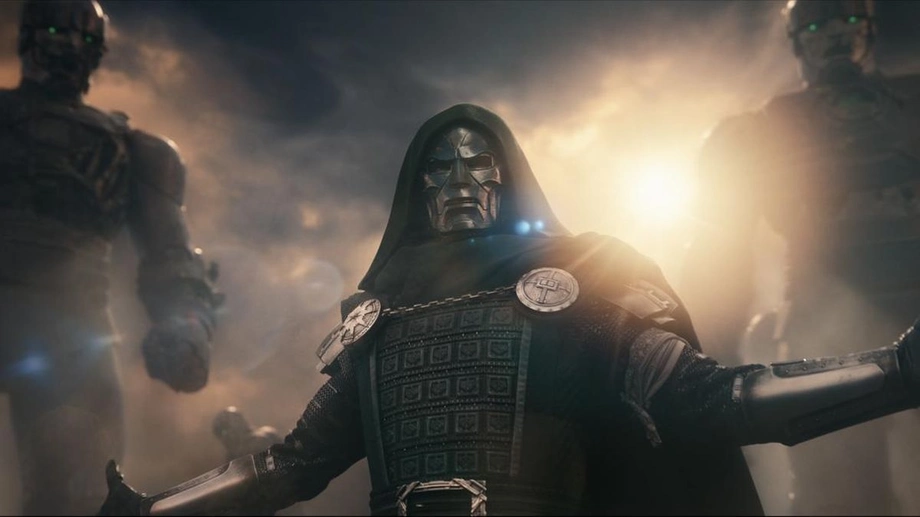
Disney's four selections account for four of the 20 places, or exactly one fifth of the field. Marvel Studios contributes Avengers: Doomsday, directed by Anthony and Joe Russo. Jon Favreau directed Star Wars: The Mandalorian and Grogu, while Whalefall comes from 20th Century Studios.
Thomas Kail directed the new film version of Moana, made with actors, which brings Dwayne Johnson back as the demigod Maui. The four productions cover superhero spectacle, space fantasy, a survival story and a musical adventure, giving Disney several different kinds of effects work before the branch's voters.
Sony is the next largest studio presence with three films, or 15 percent of the group. Alongside Ramayana, it has Destin Daniel Cretton's Spider-Man: Brand New Day and Jumanji: Open World. The remaining 13 places are divided among other studios and distributors, preventing any single company from dominating the preliminary ballot.
Ramayana brings an enormous Indian production into the race
Ramayana: Rise of a Legend reached cinemas worldwide on Nov. 5, 2026. Directed by Nitesh Tiwari and starring Ranbir Kapoor, the production has been described as the most expensive Indian film ever made. Its advancement puts its effects work into the same preliminary contest as Avengers: Doomsday, The Odyssey and Dune: Part Three.
The scale of that work is considerable. The film is cited as containing more than 9,000 visual effects shots. A shot is one continuous piece of screen action, so the figure reflects thousands of individual moments requiring digital construction, alteration or integration with footage of the actors.
DNEG and ReDefine collaborated on the computer generated environments and battles. DNEG, whose credits include Interstellar, Dune and Brahmastra, is a studio whose work has won eight Oscars. The company has operations connecting the United Kingdom and India and merged with Prime Focus in 2014. The film's producer, Namit Malhotra, is also DNEG's chief executive.
One sequence attracting particular praise features the computer generated character Jatayu fighting Ravana, who is played by Yash. A second installment, Ramayana Part 2, is scheduled for release in 2028, although its effects work is separate from the present Academy Awards contest.
Ramayana is the second major Indian film to reach this stage after S.S. Rajamouli's RRR, which entered the top 20 for the 95th Academy Awards. RRR did not receive a final visual effects nomination, but it won the Oscar for best original song with Naatu Naatu. Ramayana now has the opportunity to travel further in the effects category, beginning with December's cut to 10 films.
Past winners raise the stakes for Dune, Nolan and Spielberg
Dune: Part Three carries the chance of a trilogy sweep. Denis Villeneuve's Dune and Dune: Part Two both won the visual effects Oscar. At the ceremony in March, Avatar: Fire and Ash gave James Cameron's Avatar franchise three wins from three films in the category. Dune: Part Three opens on Dec. 18, 2026, and could match that trilogy record if it advances through the remaining votes and wins.
Two other films joined it in the same advancing studio group. Alejandro G. Iñárritu directed Digger, which stars Tom Cruise, while Craig Gillespie directed Supergirl. Warner Bros. is listed as the distributor for Dune: Part Three and Digger, with Supergirl listed under DC Studios.
Christopher Nolan also brings an extensive category history to The Odyssey. Inception, Interstellar and Tenet each won the visual effects Oscar. Yet Oppenheimer was left out of the top 20 for the 96th Academy Awards, demonstrating that a celebrated director and a major production can still miss the preliminary cut.
Steven Spielberg's Disclosure Day gives Universal its second advancing film alongside The Odyssey. Spielberg has previous experience with a winner in this category through Jurassic Park, which received the visual effects Oscar in 1994. Universal booked both films as major summer releases, and both now remain in contention.
Backrooms and Wildwood represent very different kinds of filmmaking
A24's Backrooms is the feature directing debut of Kane Parsons, who is 21. His YouTube series turned an internet legend about liminal spaces into a screen success. Liminal spaces are empty or transitional places, such as deserted corridors, that can feel familiar and unsettling at the same time. The film grossed more than $400 million worldwide.
Laika's Wildwood, directed by Travis Knight, uses stop motion animation. This painstaking technique involves photographing physical figures and sets through tiny changes in position, then playing the images together to create movement. Its inclusion places handcrafted animation beside productions built around enormous digital environments.
Knight's Kubo and the Two Strings previously reached the visual effects nominations. It and The Nightmare Before Christmas are the only two animated films ever nominated in the category. Wildwood therefore has the chance to become the third, provided it first survives the votes for the shortlist and the nominations.
The remaining studios complete an unusually varied ballot
Amazon MGM Studios has Project Hail Mary, directed by Phil Lord and Christopher Miller and starring Ryan Gosling, and The Sheep Detectives, directed by Kyle Balda and starring Hugh Jackman. Both of the studio's entered films advanced, giving it two places in the group.
Lionsgate is represented by Francis Lawrence's successful prequel The Hunger Games: Sunrise on the Reaping. Paramount's advancing film is David Ayer's survival thriller Heart of the Beast, starring Brad Pitt. Netflix has Peter Berg's epic war drama The Mosquito Bowl, adding a war story to a selection dominated by fantasy, science fiction and adventure.
Several prominent productions missed the cut. Paramount's Ebenezer, starring Johnny Depp, and its video game adaptation Street Fighter did not reach the top 20. Netflix's Frankenstein and The Electric State, which had given the company places in the previous year's race, are also absent this time.
The omissions leave Paramount with one advancing picture and Netflix dependent on The Mosquito Bowl. They also open more room for films from A24, GKIDS, Laika and Lionsgate, each of which holds one place. Every distributor still has the same immediate objective: enough support from Visual Effects Branch members to reach the official group of 10.
How the 20 films become five Oscar nominees
The next votes follow a fixed calendar, with the precise preliminary voting times given in Pacific Time, the time zone used in Los Angeles. The process moves from private branch voting to public shortlists, presentations of the effects work and finally the nominations.
- Before Thanksgiving 2026: The Visual Effects Branch notified the artists behind the 20 advancing films.
- Dec. 7 to 11, 2026: Preliminary voting opens at 9 a.m. Pacific Time on Dec. 7 and closes at 5 p.m. on Dec. 11.
- Dec. 15, 2026: The Academy announces shortlists across its categories, including 10 films for visual effects.
- Jan. 8 to 10, 2027: The 10 shortlisted films are presented during the Academy's voting events, sessions commonly called bake-offs.
- Jan. 11 to 15, 2027: Branch members vote for the final nominations.
- Jan. 21, 2027: The Academy announces five visual effects nominees along with the nominations in other categories.
- March 14, 2027: The 99th Academy Awards take place at the Dolby Theatre at Ovation Hollywood and air live on ABC.
The January presentations give branch members a closer look at the work behind the shortlisted films before they consider the nominations. A place in the current group keeps a production eligible for that process; the Academy's first public list for this stage of the contest will be the Dec. 15 shortlist.
Each film now carries a distinct objective. Godzilla Minus Zero can pursue a repeat Japanese victory, Dune: Part Three can pursue three consecutive wins for its trilogy, and Ramayana can attempt to move beyond the stage reached by RRR. Backrooms and Wildwood offer voters radically different production methods, while Disney must hope that having four contenders translates into support for at least one when the field contracts.
What to Know
- Twenty films have advanced in the visual effects race for the 99th Academy Awards, although the Academy has not publicly confirmed the preliminary list.
- Disney leads with four titles, while Sony has three, including Ramayana: Rise of a Legend.
- Godzilla Minus Zero follows Godzilla Minus One, which won the franchise's first Academy Award.
- Ramayana contains more than 9,000 visual effects shots and is the second major Indian film after RRR to reach this stage.
- Dune: Part Three could complete a trilogy of visual effects wins after its two predecessors took the Oscar.
- The official shortlist of 10 films arrives Dec. 15, nominations follow on Jan. 21, and the ceremony is scheduled for March 14, 2027.