A New Companion for the Lonely Generation
A small, fluffy creature with oversized eyes and long arms has begun appearing on bags across Tokyo, London, and New York. The robot is called Mirumi, and it costs roughly 150 dollars. It does not speak, does not have a screen, and does not connect to Wi-Fi. Its only job is to look around, turn its head toward sound, and act shy when touched. This simple behavior is driving a global buying frenzy that rivals the recent explosion of Labubu, the collectible monster that became a fashion statement after celebrities like Lisa from Blackpink and Rihanna posted photos of it.
Contents
Created by Yukai Engineering, a robotics company based in Tokyo, Mirumi represents a shift in how adults are treating technology. Instead of complex devices that demand attention or process data, Mirumi offers what Japanese designers call iyashi. This is a feeling of comfort or healing that comes from caring for something small and vulnerable, much like looking after a baby or a puppy. For a generation facing economic pressure and loneliness, Mirumi offers a low cost way to feel companionship.
The robot stands about 14 centimeters tall. It attaches to handbag handles and backpack straps using its flexible plastic arms. Its body is covered in soft, artificial fur that people find irresistible to pet. When someone nearby speaks, Mirumi turns its head to face them. If you stroke its head, it might look away as if feeling embarrassed. If its battery gets low, it shakes its head side to side to signal that it needs a charge. There are no cameras to watch you, and no internal memory to store your data. It is a private robot in a public world.
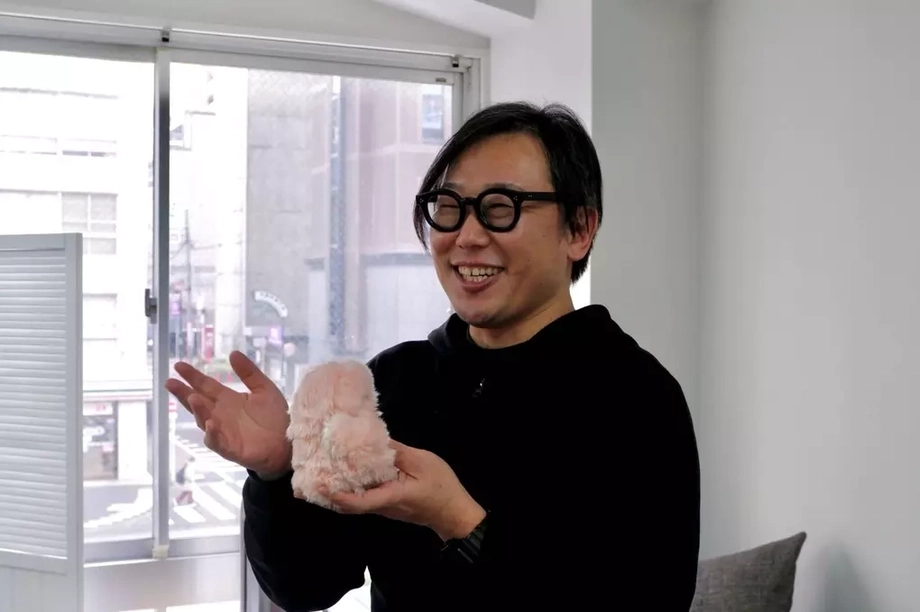
Shunsuke Aoki, the founder and chief executive of Yukai Engineering, says the idea came from watching babies on public transport. He noticed how a baby would glance at a stranger, hold the eye contact for a moment, and then shyly look away. That small exchange creates a spark of joy. The company wanted to build a robot that could capture that exact moment and share it with the world.
The product launched in Japan on April 23, 2026, at a price of 19,800 yen. It sold out quickly. It then appeared at fashion shows in Milan and pop up stores in London and the United States. Now, major retailers are adding it to their inventory, proving that this is more than a fleeting internet trend.
From Kickstarter to High Street
Mirumi did not arrive without warning. It first showed up as a prototype at the Consumer Electronics Show in Las Vegas in January 2025. People were captivated by its cute, owl like appearance. This led to a crowdfunding campaign on Kickstarter in late 2025 and early 2026, where it raised over 74 million yen from supporters in 32 countries.
The company set a goal to sell 100,000 units by the end of 2026. They are already moving fast. A trial run at a Nordstrom store in California showed the robot selling out in just one day. Nordstrom has since decided to carry the Mirumi in eight of its major United States stores, including the flagship location in Manhattan. Tacey Powers, a merchandising executive at Nordstrom, called the product unique. She noted that it sits right at the intersection of fashion and technology.
In London, the department store Harrods planned a temporary pop up shop for four weeks. Demand was so high that they extended the sale through the end of the year. The robot became the second best selling toy at Harrods. One customer even bought all four available colors in a single afternoon, spending about 736 euros. Another customer in New Jersey set an alarm for midnight to buy six units online before they ran out.
Prices vary by region due to currency and taxes. In the United Kingdom, the robot costs 149 pounds. In Japan, the standard price is 19,800 yen, with a special black limited edition costing 22,000 yen. The robot is recommended for people aged 15 and older, not for small children.
How the Robot Works
Mirumi uses simple technology to create a complex emotional response. It contains a small motor in its neck and two sensors. One sensor detects sound and voice direction. The other sensor on its head detects when someone pats it. A small computer chip connects these sensors to the motor.
When a sound is detected, the robot turns its head. If it is touched, it reacts with a shy gesture. The robot moves on its own as well, looking around or shaking its head randomly to look curious. These movements are programmed to feel natural and unpredictable, making the robot seem more alive.
Unlike many modern gadgets, Mirumi does not use artificial intelligence or facial recognition. It does not record audio or connect to a smartphone app. This simplicity is a feature, not a bug. It means the robot never runs out of battery quickly, does not need software updates, and does not collect personal data. It is a self contained emotional companion.
The robot runs on a built in lithium polymer battery. A full charge lasts about eight hours. Charging takes about two hours using a standard USB Type C cable. When the battery is low, the robot shakes its head to communicate its need for power. It does not use a screen to show a battery icon, keeping the design clean.
The design also focuses on physical attachment. The robot's arms can hug bag handles securely. It has a suction like grip that keeps it in place while moving. The body is made of ABS plastic and covered in 100 percent acrylic fur. The fur is designed to be soft and inviting, encouraging people to stroke it.
Labubu vs. Mirumi
It is impossible to discuss Mirumi without comparing it to Labubu. Labubu is a collectible monster toy created by Hong Kong artist Kasing Lung. It sold out globally in 2024 after being posted by Lisa, a member of the K pop group Blackpink. Labubu is a static figure. It does not move. Its appeal comes from rarity, design, and blind box collections where buyers do not know which figure they are getting.
Mirumi takes a different path. It is an interactive robot. Its appeal comes from movement and responsiveness. While Labubu collectors hunt for rare variants, Mirumi buyers enjoy the daily interaction of its movements. Both products target the same audience: young adults who enjoy cute accessories but want different things from them.
Market data shows that sales of bag charms and keychains have grown by 200 percent this year, according to the research firm Circana. This surge is partly driven by the Labubu phenomenon. However, Mirumi is tapping into a deeper need for companionship among adults.
Dr. Peter Fonagy, a psychologist at University College London, says that many young people today feel isolated and lack financial independence. They turn to childhood objects for comfort. Toys like Mirumi and Labubu provide a safe, predictable presence that does not demand much in return. Unlike a real pet or a human partner, a robot is always available and never argues.
Global Expansion
Yukai Engineering is now rolling out the Mirumi globally. After the success in Japan and the United States, the company is expanding to Europe and Asia. They have announced partnerships with Lane Crawford in Hong Kong and are planning pop up stores in Australia, China, and Germany.
The brand has also caught the attention of celebrities. Actress Paris Hilton commented on the company's Instagram page asking where she could order one. Spanish influencers like Marta Ojeda and Iera Gonzalez have posted videos showing the robot reacting to their movements.
For consumers, the question is whether the robot is worth the price. At around 150 dollars, it is more expensive than a standard fabric charm. However, the price includes the battery, the motor, and the sensors. The robot is durable and rechargeable. It does not need constant charging if used sparingly. It is a long term companion rather than a single use item.
The company is also looking at sustainability. They plan to introduce a recycling program where customers can return used units. They are using biodegradable fabrics to reduce waste. This focus on longevity sets it apart from fast fashion trends.
What to Expect Next
The future of the Mirumi looks bright. The company is already working on new models that might include facial recognition or audio clips. They are also exploring collaborations with fashion brands to create limited edition colors and fabrics.
For now, the focus remains on the simple joy of interaction. The robot is designed to be a happiness ambassador. It brings a smile to the face of the owner and to strangers who notice its movements. In a world that is becoming more digital and less personal, Mirumi offers a small, tangible moment of connection.
Whether it will become as iconic as Labubu remains to be seen. Labubu has a vast ecosystem of collectors and rare editions. Mirumi is building its own community of users who value the robot's unique personality. The market is large enough for both. The trend of adults buying toys for comfort is not going away.
Key Points
- Mirumi is a 14 cm robotic bag charm made by Yukai Engineering, priced at roughly 150 dollars or 19,800 yen.
- The robot reacts to sound and touch, turning its head and acting shy, without using Wi-Fi or apps.
- Sales have been strong in Japan, the United States, and the United Kingdom, with pop up stores selling out in days.
- It is compared to Labubu but offers interactive movement rather than static collectibility.
- The product targets adults seeking emotional comfort and companionship in a low maintenance package.