A New Look at an Old Problem
The Union government of India has long pointed to declining anaemia rates as a victory for its health programmes. The narrative was simple. Millions of women and children were being fed iron supplements. More and more people were getting better. The data from the National Family Health Survey (NFHS) supported this story, showing steady progress over decades. Then the government changed the rules of measurement. In May 2026, the latest NFHS report omitted anaemia data for the first time since its launch. Critics argued this was a deliberate move to hide rising numbers. Now, a major new survey from the Indian Council of Medical Research (ICMR) has arrived to settle the debate. The result is not a simple victory or defeat. It is a revelation that the country has been treating the wrong causes for too long.
Contents
The SAMPADA survey, conducted between 2023 and 2025, covered more than two lakh people across 81,000 households. It used a gold standard method of venous blood sampling rather than the traditional finger prick tests. The findings are clear. Anaemia is still widespread, affecting more than half of Indian women of reproductive age. Yet, the most shocking discovery is that iron deficiency explains only about half of these cases. This means millions of people are taking iron supplements for a problem that is not caused by a lack of iron.
This distinction changes everything about how India tackles public health. If half the patients do not have iron deficiency, giving them more iron is at best a waste of resources and at worst harmful. The survey points to infections, inherited blood disorders, and chronic inflammation as the real culprits. The government must now shift from a one size fits all approach to targeted diagnosis.
The Numbers That Challenge the Narrative
The SAMPADA survey provides some of the most comprehensive data on anaemia in India to date. It found anaemia in 55.9 percent of women of reproductive age. The number was 46.3 percent for adolescent girls and 41.8 percent for children aged 12 to 59 months. Pregnant women were not spared either, with 43.6 percent classified as anaemic. Lactating women faced an even higher rate of 58.1 percent. These figures are substantial, but they are lower than previous estimates from the NFHS. The NFHS had reported that nearly 67 percent of young children and 57 percent of women were anaemic.
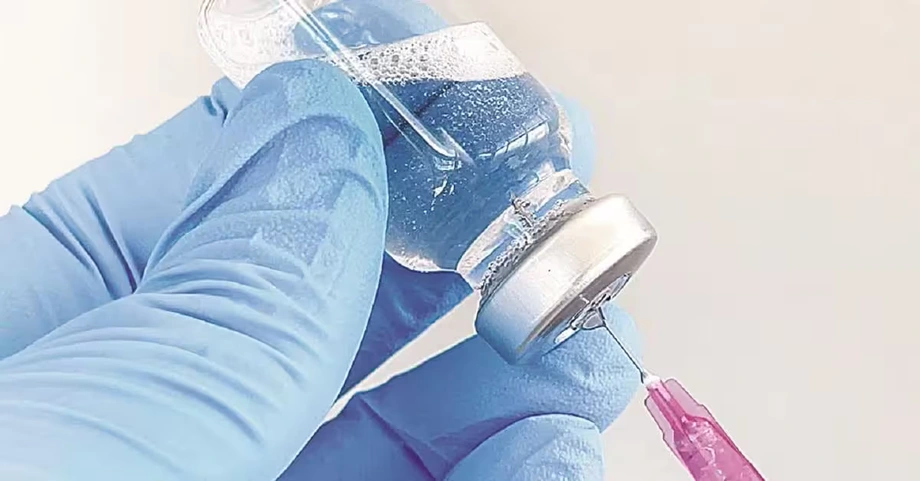
The difference in numbers is not just a matter of rounding. It comes down to how the blood was tested. The NFHS used capillary finger prick tests. This method involves pricking a finger and using a portable device to measure haemoglobin. It is quick and cheap, but it often overestimates anaemia. The SAMPADA survey used venous blood sampling. This involves drawing blood from a vein in the arm and testing it in a laboratory with automated analysers. This method is more accurate and is considered the gold standard for diagnosis.
Experts have been divided on how to interpret these changes. Public health expert Dr Sylvia Karpagam called the government's claim of lower anaemia rates misleading. She argued that the capillary method used in NFHS is a valid screening tool and that comparing it directly with the venous method of SAMPADA is difficult. The government, however, insists that the SAMPADA results are more reliable. Dr Rajiv Bahl, Secretary of the Department of Health Research, stated that the comprehensive profiling in SAMPADA provides a solid evidence base to strengthen the Anaemia Mukt Bharat programme.
Beyond the Iron Pill
The most critical finding of the SAMPADA survey is the breakdown of causes. Iron deficiency was found in 34.1 percent of women of reproductive age and 36.3 percent of adolescent girls. This means that while iron deficiency is a major contributor, it is far from the only one. For many women, their low haemoglobin is not due to a lack of iron in their diet, but to other factors.
Infections play a significant role. Diseases such as malaria and tuberculosis can affect the body's ability to produce red blood cells. Parasitic infections can cause hidden blood loss. Chronic inflammation is another major factor. When the body fights a persistent infection, inflammatory processes can interfere with the availability of iron for making haemoglobin. Iron may be present in the body but remain less accessible to the bone marrow. This is known as anaemia of inflammation.
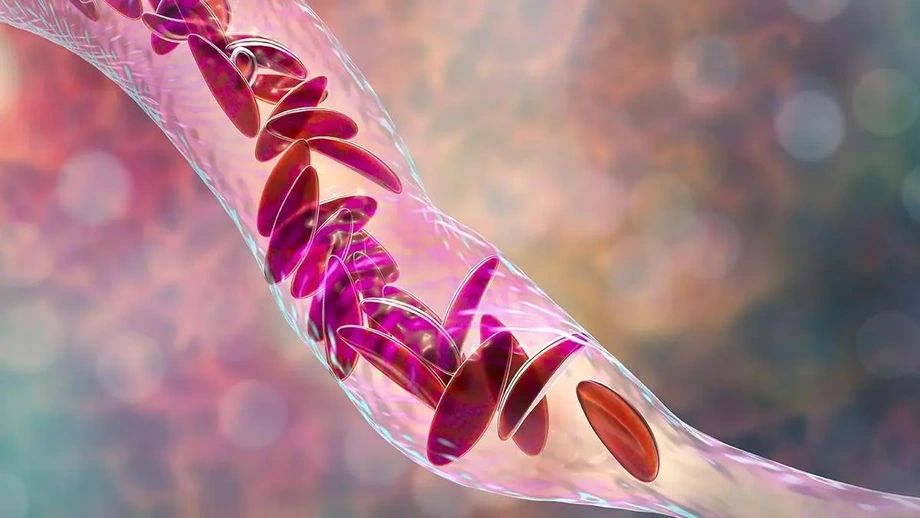
Inherited blood disorders are also a key factor. Conditions such as thalassaemia and sickle cell disease affect the production or structure of haemoglobin. These genetic conditions can cause anaemia even when iron stores are adequate. India carries a significant burden of these disorders. Punjab has a high prevalence of thalassaemia. The Northeast has high rates of haemoglobin E disorders. The Andaman and Nicobar Islands have a notable incidence of sickle cell disease. Treating a person with thalassaemia with high doses of iron will not correct their underlying genetic issue.
Kidney disease and gastrointestinal bleeding are additional causes. Damaged kidneys may produce insufficient erythropoietin, a hormone that signals the bone marrow to make red blood cells. Heavy menstrual bleeding can gradually deplete iron stores in women. Pregnancy places additional demands on the body, leading to increased risks of anaemia.
The Vitamin B12 Puzzle
The survey also shed light on vitamin B12 and folate. These vitamins are essential for red blood cell production. At first glance, deficiencies in these areas seem like obvious causes. Vitamin B12 deficiency was widespread, affecting 57.4 percent of women of reproductive age. Folate deficiency was also common. However, the SAMPADA data revealed a crucial distinction.
The prevalence of B12 and folate deficiency was broadly similar among anaemic and non anaemic individuals. This suggests that at the population level, neither deficiency explains a large share of the anaemia burden. A deficiency being widespread does not automatically mean it is responsible for another condition. The government notes that these deficiencies make a limited contribution to anaemia in India. This finding challenges the assumption that simply boosting vitamin intake will solve the problem.
Dr Rajiv Bahl highlighted that the survey provides nationally representative estimates of anaemia across children, adolescents, adults, pregnant and lactating women, and older adults. The data shows that severe anaemia is relatively uncommon, accounting for less than two percent of cases across most age groups. The majority of cases are mild or moderate. This offers an opportunity for early identification and timely intervention.
Regional Inequalities Exposed
The SAMPADA survey is not just a national average. It exposes deep regional inequalities. The burden of anaemia varies significantly from state to state. Among women of reproductive age, West Bengal recorded the highest prevalence at 72.4 percent. Assam followed with 71.9 percent. Chhattisgarh and Punjab reported 71.5 percent and 70.5 percent respectively. The Andaman and Nicobar Islands recorded the highest estimate overall at 81.2 percent.
Tripura also showed high rates, with 73.3 percent of adult women anaemic. In contrast, Kerala reported much lower numbers. Gujarat, often cited as a model state, reported 66.2 percent anaemia among women of reproductive age. Congress general secretary Jairam Ramesh used these figures to critique the government's narrative. He pointed out that Gujarat's rates were significantly higher than Kerala's, where the prevalence was just 29.1 percent for women in the reproductive age group.
The survey also provided the first nationally representative estimates for older adults. Anaemia affects 55.7 percent of elderly women and 44.7 percent of elderly men. This highlights that the problem extends well beyond childbearing years and into old age. The findings suggest that interventions need to be tailored to different age groups, health conditions, and life stages.
Policy Shifts and Funding Gaps
The release of the SAMPADA survey comes at a critical time for the Anaemia Mukt Bharat programme. Launched in 2018, the programme aimed to reduce anaemia through iron folic acid supplementation, screening, and awareness campaigns. However, questions remain about the effectiveness of this approach. If half the patients do not have iron deficiency, the current strategy may be missing the mark.
AIIMS Delhi is already working with the government to develop new diagnostic algorithms. Tulika Seth, Professor of Haematology at AIIMS Delhi, explained that the proposed approach involves initially providing iron supplementation and then reassessing patients. Those who do not respond to iron will undergo further investigations to identify other possible causes. This method avoids conducting multiple expensive tests on every patient while ensuring that those with non nutritional anaemia are referred for appropriate treatment.
Funding for the Anaemia Mukt Bharat programme is also under scrutiny. Lok Sabha data shows a sharp drop in fund allocation after 2021. The average fund utilisation rate is just 52.82 percent. A gap of over two thousand crore rupees exists between approved funds and actual expenditure. Only 38.93 percent of the total allocated money was spent in the 2024 to 2025 fiscal year. This suggests that money is available, but the mechanisms for spending it effectively need improvement.
Looking Forward
The SAMPADA survey provides a clear roadmap for the future. It confirms that anaemia is a complex issue driven by multiple factors. The government must move away from a one size fits all approach. Screening methods need to be updated to distinguish between iron deficiency and other causes. Diagnostic guidelines are being developed to help primary healthcare centres identify inflammation, genetic disorders, and chronic illnesses.
Dr Bharati Kulkarni, Director of ICMR National Institute of Nutrition, stated that the findings support more targeted and life course approaches to anaemia prevention. The evidence can help identify areas where further research and improved surveillance are required. The challenge now is to translate these findings into action. India has the data. It has the funding. What it needs is a shift in strategy that recognises the full spectrum of anaemia.
Key Points
The SAMPADA survey found that iron deficiency accounts for only about half of anaemia cases in India.
Over 55 percent of women of reproductive age are anaemic, with significant regional variations across states.
Causes such as infections, chronic inflammation, and inherited blood disorders are often overlooked in current treatments.
Vitamin B12 and folate deficiencies are common but do not explain a large share of the anaemia burden.
The government is developing new diagnostic algorithms to better identify non nutritional causes of anaemia.
Fund utilisation for the Anaemia Mukt Bharat programme remains low, with over half of allocated money unspent in recent years.