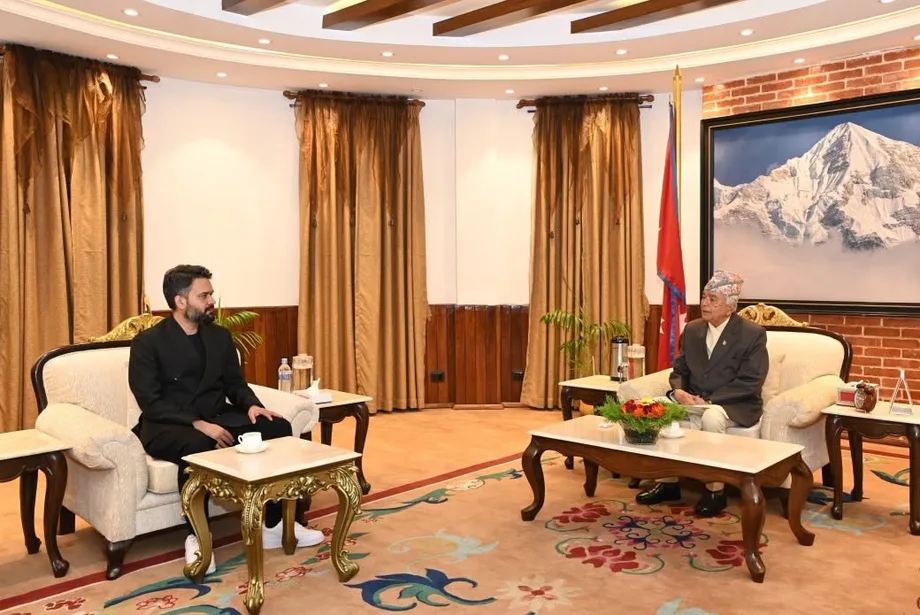
President Reviews Gen Z Protest Commission Amid Growing Ties With Prime Minister
The government of Nepal has moved to establish a special commission to investigate, compensate, and pardon individuals involved in the September 2025 Gen Z protests. The Cabinet approved the draft on November 20, and the document arrived at the Office of the President on November 24. President Ramchandra Paudel is currently examining the measure before issuing it into law. The proposed law seeks to implement a ten point agreement signed on December 10, 2025, between the state and protest leaders following two days of deadly unrest. Senior advocate Baburam Kunwar, who serves as the legal adviser to the President, confirmed that the draft reached Sheetal Niwas and requires detailed discussion before a final decision.
Contents
What the Draft Commission Will Handle
Once promulgated, the government will appoint a three member commission. The chairperson must be a current or former High Court judge or qualify for the position. Both the chair and the two other members must be at least thirty five years old, hold a bachelor degree, and possess experience in human rights, law, conflict management, or sociology. They cannot hold political party membership at the time of appointment. The commission will operate for three months from its appointment date, with the power to extend its term if the work remains unfinished.
The commission holds sweeping authority to investigate protest related cases across district courts, High Courts, and the Supreme Court. It can also review complaints currently under police investigation. A key function involves determining whether a disputed event falls within the scope of the Gen Z movement. The commission can separate grave offences from other charges and adjudicate only the non grave charges. Grave offences are defined as culpable homicide amounting to murder and planned theft using arms and ammunition during the protests. The commission can dispose of other cases by facilitating reconciliation, granting compensation, or issuing pardons. Cases resolved under Section 20 of the ordinance cannot be retried in any court.
How Compensation and Pardons Work
The draft establishes a dedicated relief fund to finance compensation and reparation efforts. Contributions will come from the Nepalese government, domestic individuals and organisations, and foreign governments or international agencies. The Ministry of Finance must approve incoming funds. The ordinance strictly prohibits spending fund money on administrative overheads. Eligible victims can receive payouts for physical harm and destruction of government, public, or private property. Individuals who have already received compensation or insurance payouts for the same incident do not qualify. If an eligible victim dies before receiving relief, the payout transfers to family members based on commission standards.
The commission also manages the release of defendants. If a person in custody or serving a prison sentence is connected to a case the commission disposes of, the commission will write to the Department of Prison Management to release them. For cases involving grave crimes that cannot be settled, the original case files will return to the respective courts through the Office of the Attorney General for standard trials. This structured approach aims to clear hundreds of pending prosecutions while preserving the judicial process for serious crimes.
Tracing the September Unrest to the Draft Law
The Gen Z uprising began on September 8, 2025, when youth led anti corruption demonstrations turned violent. A sweeping social media ban targeting twenty six platforms, including Facebook and WhatsApp, triggered widespread anger. Security forces opened fire outside Parliament in New Baneshwar, escalating the situation. Amnesty International documented at least nineteen deaths in Kathmandu on the first day. The following day brought arson, vandalism, and attacks on Parliament, Singha Durbar, the Supreme Court complex, and government offices. Total casualties reached seventy six deaths and over two thousand injuries across the two days and subsequent unrest.
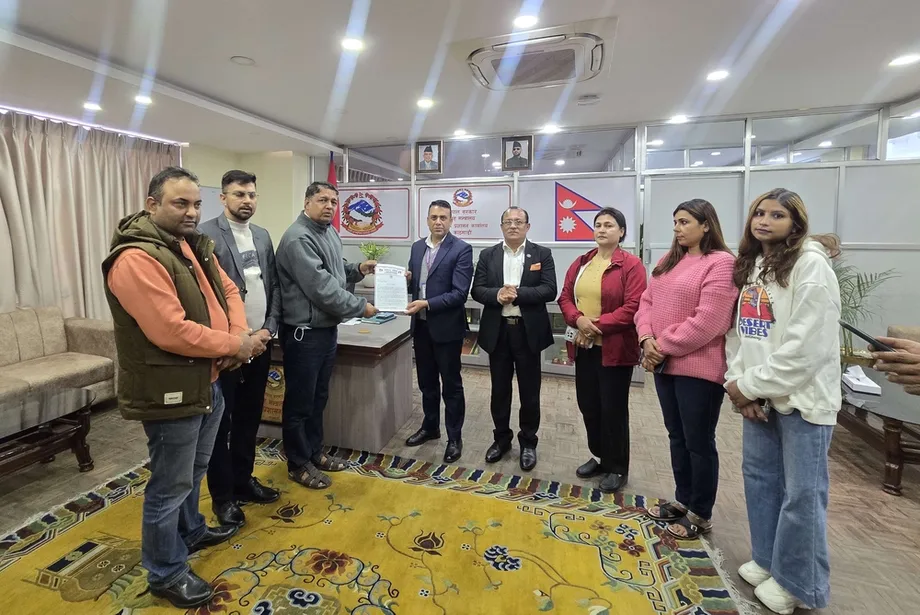
The proposed ordinance operationalises the ten point pact signed by then Prime Minister Sushila Karki and Bhoj Bikram Thapa, who represented injured individuals and martyrs families. The pact promised independent investigations into unlawful killings and rights violations, distinguishing political protest activity from premeditated violence. Rastriya Swatantra Party lawmakers have pressed for the release of young people charged simply for participating in the movement. The new commission addresses compensation, reconciliation, and case resolution, though it covers only a portion of the broader institutional reforms promised in the agreement.
Political Friction Stalls the Measure at Sheetal Niwas
The Gen Z commission ordinance sits alongside two other pending ordinances at the President's Office, creating a noticeable delay amid strained relations between Prime Minister Balendra Shah and President Paudel. The other stalled measures amend the Press Council Nepal Act and adjust laws governing culture and civil aviation. The President has already issued five ordinances ahead of the winter parliamentary session, but the hesitation with these three highlights institutional friction. Former law minister and senior advocate Govinda Bandi noted that the government did not hold adequate consultations before recommending the measure.
Presidential officials are preparing to scrutinise the contents carefully. An anonymous official at the Office of the President explained that opening a path to absolve individuals involved in heinous crimes in the name of reconciliation is a sensitive matter. Choosing the ordinance route for such a sensitive issue appears problematic to some constitutional watchers. The President cannot keep recommended ordinances on hold indefinitely, yet constitutional experts caution that the head of state should not carry the executive's credit or blame. The absence of regular briefings between the Prime Minister and the President has deepened misunderstandings, with Rabi Lamichhane, the RSP chair, frequently briefing the President instead of the Prime Minister.
Official and Expert Reactions
Senior advocate Baburam Kunwar confirmed the draft requires careful examination before the President acts. He noted that the commission needs to sit down and discuss the details thoroughly before making a decision. The proposed law aims to implement immediate legal action to honour the spirit of the diplomatic pact by conducting further probes, facilitating reconciliation, and swiftly clearing pending litigation.
The commission needs to sit and discuss the details. We will examine them within the coming days before making a final determination.
Former law minister Govinda Bandi emphasised the necessity of a commission focused on uncovering the truth rather than merely processing cases. He pointed out that both the Gauri Bahadur Karki led commission and the National Human Rights Commission have already investigated the Gen Z movement, yet neither successfully established why shots were fired or the exact triggers of the uprising. Any new commission must prioritise truth finding over rapid case closure. The commission will also strike records of disposed cases and forward them to the respective courts through the Attorney General.
The Bottom Line
- The government recommended an ordinance on November 20 to establish a three member commission for investigating Gen Z protest cases and granting pardons.
- President Ramchandra Paudel is reviewing the draft at Sheetal Niwas amid political friction with Prime Minister Balendra Shah.
- The commission can dispose of non grave cases through reconciliation or compensation, with resolved cases exempt from retrial.
- Grave offences like murder and armed theft remain under standard judicial oversight.
- The draft operationalises a ten point pact signed in December 2025 to provide immediate legal action and victim relief.
- The measure sits alongside two other pending ordinances, highlighting a communication gap between the presidency and the executive.