What Hunkar Madhes Put Before the Prime Minister
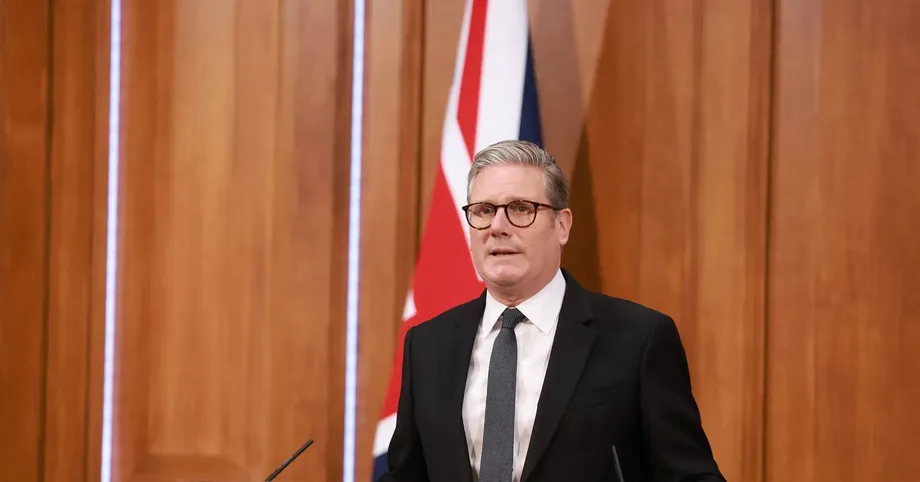
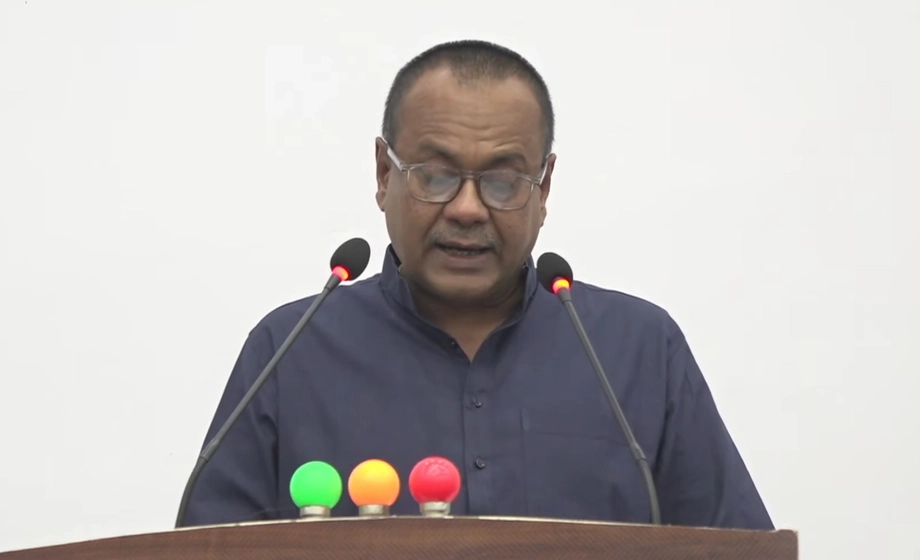
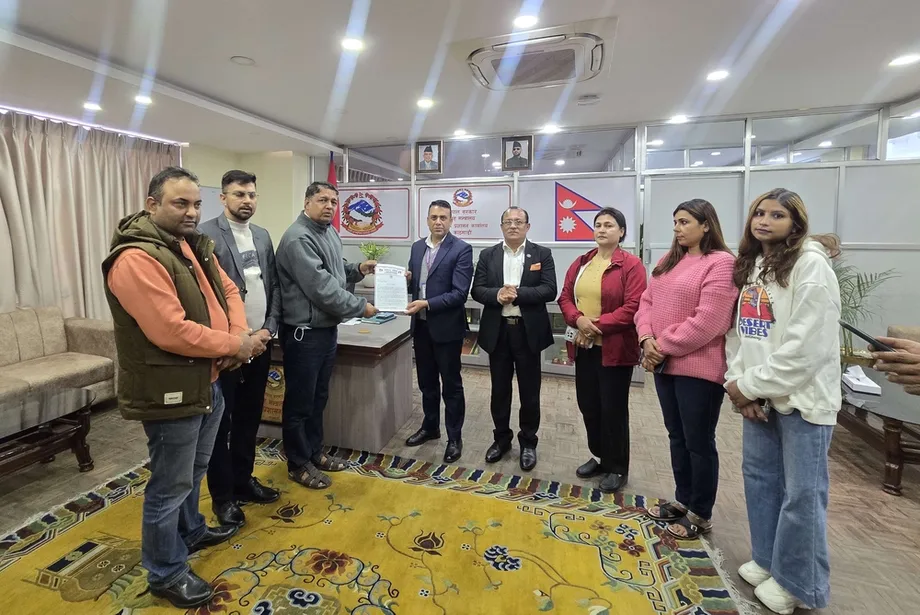
On Tuesday, Hunkar Madhes submitted a memorandum with 23 demands to Prime Minister Balendra Shah through the Kathmandu District Administration Office. The group handed the letter to the Chief District Officer, the senior district administrator who links the central government with local administration in Kathmandu. The demands cover constitutional change, federal powers, social reform, border rules, farming support, jobs, education and compensation for people affected by past Madhes movements.
Contents
- What Hunkar Madhes Put Before the Prime Minister
- Why the Groups Behind the Letter Say They Are Marginalised
- What the Political and Constitutional Demands Mean
- The Lal Commission Demand and the Question of Compensation
- Caste, Surnames and Equal Representation
- What the Border Demands Would Mean in Daily Life
- Farming, Jobs and the Push for a Low Tax Economy
- Local Disputes That Sit Beside National Demands
- Timeline of the Handover and the Open Questions
- What Would Change for Ordinary People
- What to Know
The submission was led by central facilitator Ram Kumar Kashyap. Central activists Keshav Kumar, Kaushlendra Kaushal, Ratneshwar Sanatani, Kanchan Kumari, Reena Jha, Anand Kumar Mahato and Prakriti Dulal went to the district office with him.
The memorandum asks the government to secure the rights of Madhesi, Tharu, Indigenous Janajati, Dalit, Muslim and other oppressed communities through constitutional amendment. It also calls for the effective implementation of federalism, the creation of empowered autonomous provinces and the implementation of the whole Tharuhat Madhes region as one autonomous province. Local level elections should be held without political parties, the letter says, because the group wants local representatives chosen outside party structures.
Hunkar Madhes warns that people will be forced into a strong struggle if the government does not address the demands. The warning gives the memorandum a sharper edge. The group is not asking for a single policy change. It is presenting a broad package that links identity, representation, land, farming, trade, taxation, education and compensation.
A memorandum is a formal written request, often used when a group wants a government to record a position and act on it. By sending it through the district office, the group placed the demands in the administrative channel that carries public petitions toward the prime minister.
Why the Groups Behind the Letter Say They Are Marginalised
Hunkar Madhes is active under a campaign connecting the whole Tharuhat Madhes area. In its submission, it says Madhesi, Tharu, Indigenous Janajati, Dalit and other communities face internal colonisation and external influence. Internal colonisation means one group inside a country treats another as less deserving of power, land or respect. The group says this pattern has kept these communities at the edge of national life.
The memorandum also argues that liberal and Marxist ideas have weakened the native civilisation, philosophy and culture of Nepal. It wants national progress based on Sanatan, federalism, social justice, good governance and prosperity. Sanatan refers to the eternal or traditional Hindu way of life, a concept central to the framing used by the group.
Hunkar Madhes also calls for an end to discrimination based on colour, caste, geography and opportunity. It places that call beside a demand for community socialism in economic and political life. In simple terms, the group wants public policy to put community equality and collective welfare ahead of exclusion.
What the Political and Constitutional Demands Mean
Federalism is the division of power between central, provincial and local governments. Hunkar Madhes says the current structure leaves provinces without real authority. It wants an immediate constitutional amendment in line with past agreements and says Nepal should be declared a Federal Democratic Hindu Republic. Nepal is a federal democratic republic with a secular state identity. The proposed wording would keep elected republican government while adding Hindu identity to the state.
The memorandum also asks the government to implement earlier agreements made with the United Democratic Madhesi Front and other sides. A front is a coalition, usually formed by parties or groups around a shared goal. The demand links the new submission to older political commitments that the group says remain unfinished.
Autonomous provinces are central to the submission. An autonomous province has its own elected government and meaningful control over local affairs. The memorandum wants empowered autonomous provinces and the implementation of one autonomous province covering the whole Tharuhat Madhes region. That request connects Tharu and Madhesi political demands under one provincial framework.
Hunkar Madhes also asks for an empowered and inclusive Jan Lokpal, a people backed anti corruption ombudsman with authority to investigate wrongdoing by public office holders. The group wants local elections shifted to a party free system. Under such a system, voters would choose local candidates without official party labels. No implementation date, legal drafting plan or transition method was given in the memorandum.
The Lal Commission Demand and the Question of Compensation
One of the most specific demands concerns the Lal Commission. The commission was formed to investigate state repression and massacre cases during Tharu and Madhes movements, according to the memorandum. Hunkar Madhes says 11 years have passed since its formation and its report has not been made public. It wants the report published and those found guilty punished.
The group also wants regular financial assistance for families of people killed in the movements and for people who were disabled. It asks that recipients be placed in categories, which usually means different levels of support based on loss or injury. The memorandum does not state the amount of assistance, the categories or a payment schedule.
For many families, publication of such a report can determine whether abuses are officially named and whether compensation or prosecution follows. Hunkar Madhes argues that delay has left both accountability and support unfinished.
Caste, Surnames and Equal Representation
On caste and social equality, the memorandum asks for a legal arrangement to remove caste based surnames from names. A surname can reveal caste, so the group sees its removal as a practical step against caste hierarchy. It frames this as part of ending caste discrimination and untouchability.
Those who practise discrimination should face life imprisonment, the letter says. It also demands reservation and proportional representation in state bodies. Reservation means reserved places for groups that have faced exclusion. Proportional representation means seats or appointments in proportion to the population share of each community.
The memorandum asks women to receive proportional representation in all state organs and political parties. It also wants education from the primary level in mother tongue, English and Sanskrit. Mother tongue education means children begin learning in a language spoken at home, which can make early schooling easier to understand.
What the Border Demands Would Mean in Daily Life
The memorandum gives detailed border demands. It asks for a special relationship with India, citing cultural, religious and open border ties between the two countries.
Border residents should receive a tax free system for daily consumer goods, the letter says. It also wants private vehicles from both countries to cross without customs charges for up to 48 hours. Another demand asks Nepal to allow easy movement through border points without a recommendation from an embassy.
For traders and families near the border, such rules would affect routine purchases, small trade and visits to relatives. The memorandum does not spell out which border points would be covered or how the tax free system would be monitored.
Farming, Jobs and the Push for a Low Tax Economy
Economic demands in the memorandum are as broad as the political ones. Hunkar Madhes wants Nepal developed as a tax haven, a place that attracts investment through low taxes, and asks for foreign investment friendly laws.
The letter wants the Hulaki Highway developed as an industrial corridor. An industrial corridor is a stretch of road where factories, warehouses, trade services and transport links are encouraged to cluster. The group links this road to jobs and regional commerce in the Madhes region.
Farmers should receive direct subsidies for fertiliser, seeds and irrigation, the memorandum says. It also asks for protection of Chure, river control and an irrigation authority to reduce desertification in Tarai Madhes. Chure is the low hill belt that helps regulate water flowing toward the plains.
Young people without jobs should get employment or a minimum maintenance allowance, according to the letter. Motorcycles, scooters and three wheelers used by workers should be free of customs duty and all other taxes. The memorandum gives no cost estimate for these exemptions or allowances.
Local Disputes That Sit Beside National Demands
The memorandum moves from national policy to named local disputes. It asks the government to resolve the Bitouri land issue in Rajbiraj, the 52 Kuti and 72 Kunda guthi issue in Janakpur and the road expansion problem in Birgunj.
A guthi is a traditional endowment or trust, often tied to temples, land or community services. These cases matter because they involve land, religious sites and urban traffic, all of which affect daily life and local business. The letter asks for immediate solutions but does not identify which ministry or agency should handle each case.
The local demands show how the group connects symbolic recognition with practical administration. A road widening dispute in Birgunj and a guthi issue in Janakpur are placed beside constitutional amendments and national tax policy.
Timeline of the Handover and the Open Questions
Events around the memorandum stretch over several dates. The sequence below keeps the main moments clear.
- November 24, 2026: In Kathmandu, coordinator Ramkumar Sharma said a Hulaki journey would start on Mangsir 10 and that the memorandum would be submitted to Prime Minister Balendra Shah the next day.
- Tuesday: Hunkar Madhes submitted the memorandum with 23 demands through the Kathmandu District Administration Office and the Chief District Officer.
- Mangsir 10: the Hulaki journey was scheduled to start.
- Eleven years after the Lal Commission was formed: the group says the report remains unpublished and is demanding release and punishment of those found guilty.
- No date was given for a government response, publication of the Lal Commission report, a constitutional amendment or new local elections.
What Would Change for Ordinary People
The memorandum turns a broad movement agenda into a checklist for daily life. If the constitutional and federal demands were accepted, Madhesi, Tharu and other communities named in the letter would gain stronger formal recognition and more control over regional government. If local elections moved to a party free system, candidates for wards and municipalities would no longer carry party labels.
For farmers, the subsidy and Chure demands concern the cost of fertiliser, seed and water. For border residents, tax free goods and 48 hour vehicle movement would shape shopping, trade and family visits. For workers, tax removal on two wheelers and three wheelers would lower purchase costs if put into law.
The letter also places dignity at the centre. Removing caste surnames, punishing discrimination and providing mother tongue education are meant to change how people are treated in schools, offices and public life. Hunkar Madhes says these steps are linked, not optional extras.
What happens next depends on whether the government answers the memorandum. The group has set out no negotiation timetable. Its warning of a strong struggle indicates that it expects political pressure if the demands remain unanswered.
What to Know
- Hunkar Madhes submitted a memorandum with 23 demands to Prime Minister Balendra Shah through the Kathmandu District Administration Office on Tuesday.
- Central facilitator Ram Kumar Kashyap led the handover with seven other central activists.
- The demands include constitutional amendment, a Federal Democratic Hindu Republic, autonomous provinces and party free local elections.
- Hunkar Madhes wants the Lal Commission report published 11 years after the commission was formed, with punishment for those found guilty and support for affected families.
- Social demands include ending caste based surnames, life imprisonment for discrimination, reserved representation and mother tongue education.
- Economic demands include subsidies for farmers, a tax haven model, a Hulaki Highway industrial corridor, jobs or allowances for unemployed youth and tax free vehicles for workers.
- Border demands include tax free daily goods for residents, 48 hour free movement for private vehicles and easier travel without embassy recommendations.
- The group warns that people will be forced into a strong struggle if the government does not address the demands.