A changing map of cancer in China
China's National Cancer Center has put the 2024 burden at approximately 5,150,600 new malignant tumor cases and 2,582,200 deaths. The five most commonly diagnosed cancers are now lung cancer, female breast cancer, thyroid cancer, colorectal cancer and liver cancer, in that order. Lung cancer remains first, but the composition of the rest of the ranking reveals a profound change in the country's health.
Contents
- A changing map of cancer in China
- What do the earlier datasets reveal?
- Why are cancers linked to infection losing ground?
- What liver cancer reveals about progress
- Why does lung cancer still lead?
- Why are thyroid diagnoses rising so quickly?
- What does cancer as a chronic disease mean?
- How screening is moving into routine care
- What can people do with this information?
- At a Glance
In 2005, the leading five were lung, stomach, liver, esophageal and colorectal cancer. Four were cancers of the digestive system, and several were closely associated with infections or conditions affecting food and water safety. By 2024, stomach and esophageal cancer had left the leading five, while female breast and thyroid cancer had entered. Colorectal and liver cancer are the two digestive cancers remaining on the current list.
The 2024 estimate includes about 2,672,000 new cases among men and 2,478,600 among women. Researchers built the national estimates from cancer registry records and statistical models. Registries systematically collect diagnoses and deaths for defined populations, allowing researchers to estimate the burden across a country too large for every diagnosis to be counted directly in one national database.
Chen Wanqing, a researcher at the National Cancer Center's National Cancer Registry Office, connected the changing ranking to daily habits as well as wider detection.
Habits such as smoking and drinking, sitting for long periods and not exercising have caused the incidence of breast, colorectal and lung cancer to keep rising. As screening coverage gradually improves, some early cancers that were difficult to find in the past can now be detected.
The result is often described as a move from cancers associated with infection toward cancers associated with modern lifestyles. That shorthand captures several simultaneous changes: vaccination and sanitation have reduced some causes of cancer, the population has grown older, tobacco exposure remains substantial, and medical tests now find tumors that previously escaped notice.
What do the earlier datasets reveal?
The International Agency for Research on Cancer provides a detailed baseline in its GLOBOCAN China fact sheet. It estimated 4,824,703 new cases and 2,574,176 deaths in 2022. After adjusting for population age using the world standard population, incidence was 201.6 cases per 100,000 people and mortality was 96.5 deaths per 100,000. The mortality rate was 127.5 among males and 67.8 among females.
For an individual reader, another measure may be easier to grasp. GLOBOCAN estimated that 20.5% of people in China would develop cancer before age 75, while 10.3% would die from it before that age. The development risk was 21.8% for males and 19.3% for females; the corresponding risks of death were 13.5% and 7.1%.
The 2022 rankings also show how close some positions were. Lung cancer led with 1,060,584 cases, followed by colorectal cancer with 517,106, thyroid cancer with 466,118 and liver cancer with 367,657. IARC placed stomach cancer fifth with 358,672 cases, just 1,511 ahead of breast cancer with 357,161. The current 2024 release places female breast cancer second and stomach cancer outside the leading five.
A national registry study by Rongshou Zheng and colleagues, published in the Chinese Journal of Oncology in 2024, gave the same rounded 2022 totals of about 4.82 million cases and 2.57 million deaths. Its five leading cancers by incidence were lung, colorectal, thyroid, liver and female breast cancer, together accounting for 57.4% of diagnoses. Lung, liver, gastric, colorectal and esophageal cancer caused 67.5% of cancer deaths.
The registry study estimated 2,903,900 urban cases and 1,920,800 rural cases. Incidence adjusted for age was higher in urban areas, at 212.95 per 100,000 compared with 199.65 in rural areas. Mortality moved in the opposite direction: 92.37 per 100,000 in cities versus 103.97 in the countryside. Age adjustment recalculates rates as though the populations being compared had the same age structure. This matters because cancer becomes more common with age, and a population with more older people can record more cases even when the risk within each age group is falling.
The studies also used different methods. The Chinese paper drew on 700 registries for 2018 and 106 registries with records from 2010 to 2018, then applied an age, period and cohort model. GLOBOCAN used incidence information from 919 local registries and modeled mortality from incidence using ratios derived from survival. Their rates and rankings therefore belong to distinct estimation systems.
Why are cancers linked to infection losing ground?
Newborn vaccination against hepatitis B, better drinking water and improved food hygiene have attacked important causes of cancer at their source. Hepatitis B can lead to chronic liver infection, cirrhosis and liver cancer. Helicobacter pylori, a bacterium that can live in the stomach, is an established cause of stomach cancer. Refrigeration has also changed how food is stored and reduced reliance on some older preservation methods.
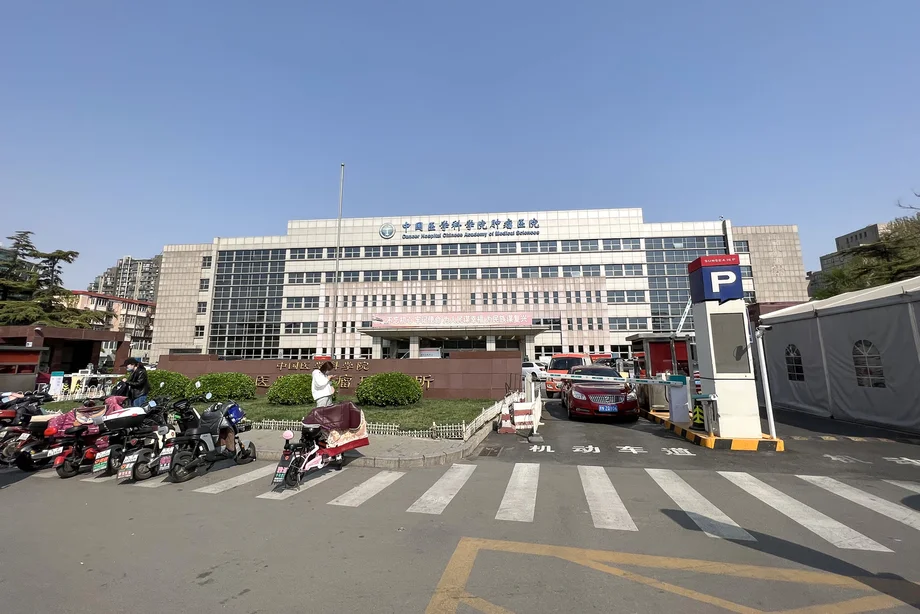
Tian Yantao, director of a pancreatic and gastric surgery ward at the Cancer Hospital of the Chinese Academy of Medical Sciences, described the combined effect of fresher food, infection control and endoscopy, which allows doctors to inspect the digestive tract with a camera.
Refrigerators are now very common, so people eat fresher food and ingredients. Helicobacter pylori infection is an established culprit in stomach cancer, and its transmission routes have been effectively cut off. The wider use of gastroscopy and colonoscopy is also one reason for the decline in upper gastrointestinal tumors.
Several dates help explain why the ranking changed gradually rather than overnight:
- 1986: China began a series of national cancer control initiatives.
- Early 1990s to 2002: Universal hepatitis B vaccination was introduced and then incorporated into the national immunization schedule.
- 2005: Stomach, liver, esophageal and colorectal cancer occupied four places in the leading five by incidence.
- 2022: Lung cancer remained first, while IARC still placed stomach cancer fifth and breast cancer sixth.
- 2024: Breast and thyroid cancer joined lung, colorectal and liver cancer in the National Cancer Center's leading five.
- 19 June 2026: A major academic review assessed the transition alongside China's screening, treatment and control policies.
Falling rankings do not make these diseases rare. GLOBOCAN still attributed 316,544 deaths to liver cancer, 260,372 to stomach cancer and 187,467 to esophageal cancer in 2022. Prevention has improved the population level risk, while diagnosis and treatment remain urgent for people already affected.
What liver cancer reveals about progress
A Scientific Reports study published on 16 April 2025 used Global Burden of Disease data to examine liver cancer from 1990 to 2021. It estimated 196,637 new Chinese cases in 2021, comprising 143,788 in males and 52,848 in females. That total comes from a different global modeling system and reference year from IARC's estimate of 367,657 cases in 2022.
The longer trend is clearer than a comparison between those two totals. China's liver cancer incidence rate adjusted for age fell from 10.58 per 100,000 in 1990 to 9.52 in 2021, a reduction of about 10%. Mortality fell from 10.75 to 8.35 per 100,000, a reduction of about 22%. Over the same period, the estimated global incidence rate rose slightly from 5.9 to 6.15, while global mortality edged down from 5.86 to 5.65.
Large gaps remained between men and women in 2021. Male incidence was 14.34 per 100,000, compared with 4.89 among females. Male mortality was 12.4 per 100,000, compared with 4.57 among females. The researchers attributed the broader improvements to hepatitis B vaccination, control of aflatoxin contamination in food and medical advances. Aflatoxins are toxins produced by certain molds that can contaminate stored crops.
Population growth and aging pushed absolute numbers of cases, deaths and years of healthy life lost upward even as rates adjusted for age declined. A projection from the same research anticipates continued declines in liver cancer incidence through 2030, especially among females. The two movements can coexist: each generation may face a lower rate, while a larger and older population still produces many patients needing care.
Why does lung cancer still lead?
Lung cancer accounted for 1,060,584 new cases in China in the GLOBOCAN 2022 estimates, or 22.0% of all diagnoses. It caused 733,291 deaths, representing 28.5% of cancer mortality. Liver cancer, the next largest cause of cancer death, accounted for 316,544 deaths. Lung cancer was also the leading cause of cancer incidence and death among both men and women in the national registry study.
Age is central to the explanation. The latest clinical analysis says lung cancer has the highest incidence and mortality among men aged 40 and above and women aged 60 and above, with male mortality climbing sharply as age increases. An older society contains more people reaching the ages at which lung cancer risk rises. Tobacco exposure is the second major reason, and smoking remains an established risk factor.
Greater detection among people who do not smoke, particularly women, has challenged the assumption that lung cancer only threatens smokers. Zhi Xiuyi, chief thoracic surgery expert at Xuanwu Hospital of Capital Medical University, explained why a single exposure cannot account for every case.
Lung adenocarcinoma is not so closely related to smoking. Smoking is only one factor behind the high incidence of lung cancer. There are many other environmental, occupational and genetic causes.
Adenocarcinoma begins in glandular cells and is one of several forms of lung cancer. Zhi's explanation widens the prevention conversation without diminishing the role of tobacco. Age, smoking history, work exposures, environmental conditions and family history can all matter when a doctor assesses an individual's risk.
Why are thyroid diagnoses rising so quickly?
Ultrasound with high resolution can now reveal papillary thyroid tumors only a few millimeters across. Papillary cancer accounts for most thyroid cancer diagnoses and generally has low malignancy and a favorable prognosis. Tumors this small were difficult to detect in the past but can now appear during routine physical examinations, adding substantially to recorded incidence.
Tian Wen, director of thyroid and hernia surgery within the General Surgery Department of the Chinese PLA General Hospital, pointed to prolonged anxiety and fatigue as one area of concern. He also said obesity is currently regarded as a factor behind the high incidence. Better detection and possible changes in underlying risk therefore need to be considered together.
For someone whose examination shows a nodule, doctors have a direct message: most thyroid nodules are benign and do not require immediate intervention. Regular monitoring may be appropriate instead of an urgent operation. The next step depends on the nodule's ultrasound appearance, size, location and changes over time. Chinese guidelines recommend screening people at higher risk rather than routinely scanning the entire general population.
The number of people living after a diagnosis helps explain the condition's visibility. GLOBOCAN estimated that 10,968,974 people in China had received a cancer diagnosis within the preceding five years and were alive in 2022. Thyroid cancer was the largest contributor at 1,631,663 people, ahead of colorectal cancer at 1,477,561 and lung cancer at 1,412,775. Prevalence includes people undergoing treatment and people being monitored after treatment.
An earlier ranking analysis found that thyroid cancer was the leading cancer by incidence among Chinese men and women aged 20 to 39 in the 2024 age study. A separate national academic analysis ordered the leading five as lung, thyroid, colorectal, breast and liver cancer and calculated that they represented 59.13% of new diagnoses. Its published summary did not reconcile that order with the National Cancer Center release, but both placed thyroid cancer near the top.
What does cancer as a chronic disease mean?
China has incorporated cancer into chronic disease management at the level of national strategy. In practical terms, care extends beyond an operation or a course of drugs. Prevention, early diagnosis, treatment, rehabilitation and continuing assessment become parts of one plan. For some patients, the objective is to control cancer as a condition that can coexist with a normal lifespan and a good quality of life.
Fan Daiming, an academician of the Chinese Academy of Engineering and chairman of the China Anti-Cancer Association, explained the approach through three groups of patients.
One third of tumors can be avoided by changing lifestyles. One third can be cured if screening finds them early. For another third, which may have reached the middle or late stages, current treatments can help people live longer and live well.
Fan also summarized treatment with five ideas: assessment, support, control, protection and survival. Assessment comes before attacking the cancer. Support means identifying weaknesses in the patient's resistance and addressing them. Control may mean restraining a tumor rather than destroying every cancer cell. Protection recognizes that treatment can injure healthy organs. Survival shifts attention from a shrinking mass or a falling laboratory value to how long and how well the patient lives.
For hospitals, that philosophy calls for cooperation among medical specialties and planned rehabilitation. For patients, it gives nutrition, physical function, treatment complications and everyday life a place alongside tumor measurements. The national academic review published in 2026 says relative survival over five years has steadily improved, supported by earlier diagnosis, advances in care and extensive health insurance coverage.
How screening is moving into routine care
The National Cancer Center started a pilot covering several cancers last year and says a preliminary national network for opportunistic screening has taken shape. Organized screening brings eligible people in a particular area into a centrally arranged program. Opportunistic screening instead uses contact that is already happening, such as a hospital appointment, a physical examination or a review for a chronic illness.
A doctor considers age, medical history, daily habits and family history, then recommends an appropriate cancer examination to someone who meets the criteria for elevated risk. The approach is intended to connect prevention, diagnosis and treatment rather than leaving a suspicious result without a route into further care.
Wei Wenqiang, a researcher in the National Cancer Center's Office of Cancer Early Diagnosis and Treatment, explained the attraction of embedding that process in ordinary medicine.
Opportunistic screening is a full service process, from prevention to diagnosis to treatment. It brings cancer screening into routine diagnosis and treatment. People follow through well, and it is economically feasible.
A Nature Reviews analysis by Changfa Xia, He Li, Chen Wu and Wanqing Chen places this work within a broader system of four national screening programs and dozens of local programs. They target eight cancers: cervical, female breast, lung, colorectal, esophageal, gastric, liver and nasopharyngeal cancer.
Implementation remains uneven, and screening data are not yet connected across the system. The next steps are wider promotion, unified quality control standards and greater attention to cancer risk assessment during medical visits. No date was given for completing the data connections or putting the common standards fully in place.
What can people do with this information?
The National Health Commission's China Healthy Lifestyle Code for Cancer Prevention contains 15 recommendations covering diet, exercise and daily habits. Research summarized with the guidance indicates that more than 40% of cancers can be effectively prevented through healthy lifestyles and reduced exposure to carcinogens. The clinical advice behind the changing cancer map points to avoiding tobacco, being active, reducing prolonged sitting, managing weight, paying attention to diet and maintaining regular sleep.
Prevention also includes measures that individuals cannot accomplish alone. Vaccination, food safety, clean water, occupational protection, screening quality and access to treatment all shape the national figures. The Healthy China 2030 Cancer Control Plan provides the policy roadmap for coordinating that work.
The Nature Reviews paper, written by researchers at the National Cancer Center, calculates that China holds nearly 17% of the world's population but carries approximately 25% of the global cancer burden, with more than 5 million new cancers diagnosed each year. That burden share is roughly one and a half times its population share. Its authors list prostate cancer among the rapidly rising diagnoses alongside lung, colorectal, thyroid, female breast and cervical cancer, while esophageal, gastric and liver cancer incidence has declined substantially.
For readers, the immediate lesson is concrete. A routine appointment can be an opportunity to ask whether age, family history, work exposures or personal habits warrant a cancer assessment. A thyroid nodule calls for proper evaluation rather than automatic surgery. A person who has never smoked still has reasons to discuss lung symptoms or other risk factors with a doctor.
At a Glance
- China recorded an estimated 5,150,600 new cancer cases and 2,582,200 cancer deaths in 2024.
- The leading five by incidence are lung, female breast, thyroid, colorectal and liver cancer.
- Four of the five leading cancers in 2005 were digestive cancers; only colorectal and liver cancer remain in the current leading five.
- Vaccination, sanitation, refrigeration and digestive tract examinations have helped reduce risks associated with several infection related cancers.
- Lung cancer still leads because of aging and tobacco exposure, while environmental, occupational and genetic factors also matter.
- Ultrasound is finding many very small thyroid tumors, but most thyroid nodules are benign and many can be monitored.
- China is expanding screening during routine medical visits, although implementation and data connections remain uneven.
- National policy increasingly treats cancer as a disease requiring prevention, treatment, rehabilitation and continuing management.