A survey finds the gap at seven in 10 visited restaurants
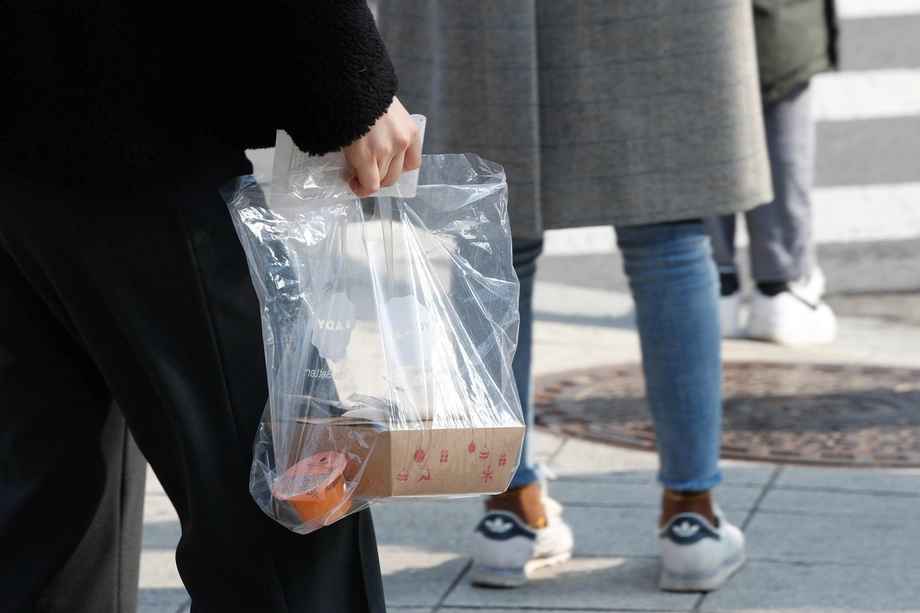
Seven of every 10 restaurants visited on four major delivery apps charged more for at least one menu item through an app than in the store, a survey released on Nov. 27, 2026 found. The survey covered 113 restaurants listed on Baedal Minjok, often called Baemin, Coupang Eats, Yogiyo and Ttaenggyeoyo from Oct. 23 through Nov. 1, with 45 visited in person and 68 checked online. Of the 45 visited, 31, or 68.9%, had what the consumer group called dual pricing.
Contents
- A survey finds the gap at seven in 10 visited restaurants
- Why pickup orders are part of the problem
- What a 1,000 won gap means at checkout
- Why operators say app prices have to rise
- What settlement sheets show after a day of sales
- How large the delivery market has become
- How pricing rules can push menus upward
- What the fee bills look like before food reaches a customer
- How Korea's receipt compares with the United States
- The timeline behind the numbers
- What to Know
Dual pricing means the same dish has different listed prices depending on where it is ordered. In this survey, the store price was the baseline. A restaurant counted as dual priced if at least one of the apps showed the same menu item higher than the store menu.
The pattern was sharper in chains. All 20 franchises visited had dual pricing, compared with 11 of 25 independent restaurants, or 44.0%. That is a 56 percentage point gap between the two types of outlets. The price difference for one item ranged from 400 won to 3,500 won, with 1,000 won the most common gap.
Consumers Union of Korea said free delivery contests among apps can hide the higher food price. A customer may save on delivery but pay more for the same dish. The group said apps should let restaurants set a separate takeout price and show store, delivery and takeout prices before a customer places an order.
The 68.9% figure came from the 45 visits. The online part covered 68 restaurants and examined a different question, how pickup and delivery prices compared before discounts.
Why pickup orders are part of the problem
Pickup means a customer orders through an app and collects the food. The customer does not get a rider at the door. Yet among the 31 restaurants with dual pricing, 17, or 54.8%, charged the same food price for pickup as for delivery.
Online checks of restaurants offering both options found the same price for delivery and pickup before discounts at all 61 Coupang Eats restaurants and all 46 Yogiyo restaurants. On Ttaenggyeoyo, 42 of 44 had the same price. On Baedal Minjok, 62 of 84 had the same price. Put another way, two of 44 Ttaenggyeoyo listings and 22 of 84 Baedal Minjok listings showed a difference before discounts. A restaurant listed on two apps could appear in two app counts.
The online comparisons compare pickup and delivery within the same app. The store versus app comparison comes from the 45 visits. Together, they show two gaps: store to app, and pickup to delivery. The second gap matters because a customer who walks to the restaurant still sees the delivery price.
What a 1,000 won gap means at checkout
For a single dish, a 1,000 won gap may look small next to a monthly food budget. At checkout, it sits on top of any delivery fee shown by the app. If an order has three dishes at the most common gap seen in the survey, the food alone costs 3,000 won more than the store menu would suggest.
Consumers Union of Korea, which carried out the survey, asked platforms to make three prices visible. In a translated statement, the group said:
Delivery apps should allow listed restaurants to set takeout prices separately, and consumers should be able to check differences among store, delivery and takeout prices before ordering.
The request focuses on visibility and choice. If an app allows a lower pickup price, customers would see it before paying the delivery price.
Why operators say app prices have to rise
Restaurant owners describe a different arithmetic. A 57 year old owner of a chicken franchise in Seoul's Dongjak District said an app order for one chicken brought in 25,000 won. Fair Trade Commission figures showed 1,950 won in brokerage fees, or 7.8% with value added tax separate, 750 won in payment fees, or 3%, and a 3,400 won delivery fee paid by the owner. The total of 6,100 won came out before spending on chicken, oil, sauce, packaging, wages or rent.
After those deductions, 18,900 won reached the outlet. In comments translated from Korean, the owner said app sales kept revenue steady but left little profit, while price increases drew complaints:
If I sell one chicken through a delivery app for 25,000 won, there is no money left after the app fee and delivery fee. If I raise the price, customers complain that chicken is too expensive, so I am stuck either way.
That account matches the survey pattern. The app price includes more than cooking and packaging, but customers usually see one food price rather than the fee chain behind it.
What settlement sheets show after a day of sales
Settlement is the amount a restaurant receives after the app subtracts its charges. A restaurant owner in their 20s near Gwanghwamun showed one day in which app sales reached 966,000 won and the settlement was 633,994 won. About 34% of sales were deducted before payout. The largest deduction was 136,755 won for discounts and marketing, followed by 98,600 won for delivery, 64,873 won for brokerage, 17,981 won for value added tax and 13,797 won for payment and settlement fees.
Excluding discounts and tax, delivery and platform fees alone took about 18% of that day's sales. The owner raised menu prices on the app by 2,000 won compared with store prices to soften the blow. Even then, the owner said the extra money was not enough to cover the costs, and a larger increase could reduce orders.
A cafe owner aged 60 in Dongjak District showed a similar squeeze. Total sales on the 16th were 308,700 won, while the settlement was 176,056 won. Delivery, brokerage and payment fees took 68,496 won, or 22.2%, including 40,800 won for delivery, 23,366 won for brokerage and 4,330 won for payment and settlement. In comments translated from Korean, the owner described how an ordinary sale shrinks after deductions:
Even if I sell 15,000 won worth, the actual settlement is about 7,000 won.
Those settlement sheets explain why owners look at app menu prices as a way to stay in business. The survey suggests many have already made that choice.
How large the delivery market has become
Delivery is central to South Korean restaurant sales. National Data Administration figures showed food service online transactions reached 36.9891 trillion won in 2025, up 12.2% from the year before. A Seoul city survey of 186 franchise outlets, released in June 2025, found that delivery apps accounted for 48.8% of franchise outlet sales.
The same Seoul survey showed how the cost share grew. Fees took 17.1% of delivery app sales in October 2023 and 24% in October 2024, an increase of 6.9 percentage points in one year. Average operating profit margin stood at 8.7%, but the chicken category had the lowest margin at 6.5%. For chicken outlets, fees at 17.5% were larger than labor costs at 15.2%.
South Korea announced 631.9 billion won fines against Baemin and Coupang in November, with Woowa Brothers facing 331.1 billion won and Coupang facing 300.8 billion won. The decision was made on Oct. 29. Both companies dispute the findings, and Coupang said it would challenge the penalty in court.
How pricing rules can push menus upward
The fines centered on most favored nation conditions, often shortened to MFN. In plain language, a restaurant could not offer another app a better deal unless it offered the same terms to the platform imposing the rule. If the restaurant refused, it could lose membership delivery benefits that help bring in customers.
Coupang applied such requirements from July 2023 through January 2026. They covered menu prices, minimum order amounts, discounts, customer delivery fees, the number of menu items and operating hours. From August 2023 through June 2024, Coupang also ran a support program that allowed it to change the trading terms of participating restaurants directly. Baemin applied similar requirements from May 2024 through October 2025 to restaurants using its own delivery service. Eligibility for Baemin Club delivery discounts depended on minimum order amounts, menu prices and discounts.
The regulator said the loss of status had a steep price. Daily sales at restaurants excluded from Wow status fell from 220,000 won to 90,000 won. At restaurants losing Baemin Club status, daily sales fell from 110,000 won to 30,000 won. Baemin held 58.45% of South Korea's delivery app market by order value in 2025, while Coupang Eats held 34.44%, leaving 7.11% for all other competitors. The regulator also penalized Baemin for pushing restaurants toward a costlier delivery service and for showing delivery estimates that made restaurant delivery look slower, even though it found restaurant delivery was 1.4 minutes faster on average.
What the fee bills look like before food reaches a customer
Korea Foodservice Industry Association figures show what one app plan can cost. Under a plan for restaurants in the top 35% by transaction value, a restaurant paid 1,802 won in brokerage fees, 693 won in payment processing fees and 3,740 won in delivery fees on a 21,000 won order. The total was 6,235 won, about 30% of the sale. Payment processing, often called PG, is the system that handles card payments.
The association said the plan cut the brokerage fee by 462 won compared with the earlier 9.8% brokerage charge, but the delivery fee rose by 550 won. Even with the lower brokerage charge, the owner paid 88 won more.
Advertising adds another cost. A distribution industry official said discounts on delivery apps are shared by the platform and the franchise, with half or more often paid by headquarters and franchisees. Money spent on app promotions leaves less for benefits customers can receive directly, such as membership points on a company app. A franchise official said single person brands face a special problem. With one main menu item, the app fee takes a larger share of a small order, so brands build sets priced at 14,000 won to 15,000 won to make app sales worthwhile. For one diner, that can feel expensive.
How Korea's receipt compares with the United States
Delivery platforms in the United States, including DoorDash and Uber Eats, show the food price, delivery fee, service fee, tax and optional tip as separate lines. A customer can see the cost of convenience before paying and choose between delivery and collecting the food. In South Korea, many customers see a food price on the app and may focus on whether delivery is advertised as free.
The Korea Franchise Industry Association compared the two markets. In the United States, customers pay the delivery fee and rider tip. In South Korea, owners carry more of the discount and delivery burden. For a 23,000 won chicken with a 3,000 won promotion and advertising attached, a Korean owner lost 7,154 won per chicken. A United States owner earned 12.19 dollars, about 16,200 won, on a similar sale.
That comparison helps explain the appeal of higher app prices for owners. A free delivery offer still has to be paid for somewhere. When the owner pays it through fees and promotions, the food price on the app becomes the place where the cost reappears.
The timeline behind the numbers
The price survey and the regulatory case followed different clocks, but they met in the last week of November.
- Oct. 23: The survey of prices on the four apps began.
- Oct. 29: The Fair Trade Commission decided on the penalties against Baemin and Coupang.
- Nov. 1: The survey ended.
- Nov. 9: Woowa Brothers and Coupang were told they faced fines of 331.1 billion won and 300.8 billion won.
- Nov. 27: The menu price findings were released.
The findings gave no date for apps to change takeout price settings or display all three prices. No platform response to those requests was included, and no court date was given for Coupang's planned challenge.
What to Know
- The surveyed store visits found dual pricing at 31 of 45 restaurants, or 68.9%.
- All 20 franchises visited charged more on at least one app, versus 11 of 25 independent restaurants.
- The most common store to app gap was 1,000 won per menu item, within a range of 400 won to 3,500 won.
- Among dual priced restaurants, 17 of 31 charged the same for pickup and delivery.
- The consumer group wants separate takeout prices and clear display of store, delivery and takeout prices before ordering.
- App fees and delivery costs can take about a quarter or more of an order, putting pressure on owners to raise menu prices.