Why Tsushima became a Mounjaro stop
At Busan Port on November 26, the international passenger terminal filled with travelers carrying cooler bags instead of suitcases. Many were heading by ferry to Tsushima, the closest part of Japan to South Korea, for one purpose: picking up Mounjaro, a weekly injection used for diabetes and increasingly sought for weight loss. Online, the trip has a nickname, sushijaro, a blend of sushi and Mounjaro. At Gimpo Airport near Seoul, other travelers heading to Japan described carrying three month supplies in cooler bags.
Contents
- Why Tsushima became a Mounjaro stop
- What the November rule actually permits
- The pickup line that overwhelmed a courier office
- Trash, traffic and a plea from Tsushima residents
- Proxy pickup offers and the legal boundary
- Why cold storage and dosing worry doctors
- Japan is warning about diet use too
- How large is the travel and spending surge?
- The inequality question behind sushijaro
- What remains unsettled
- Key Points
The attraction is price. For the 2.5 mg dose, medicines in Japan were quoted at 80,000 to 120,000 won for a month, against 280,000 to 300,000 won in South Korea. A separate three month comparison put the Japanese price at about 30,000 yen, roughly 250,000 won, and the Korean price above 900,000 won. A Seoul resident at the terminal gave an even simpler calculation: about 500,000 won in Korea and about 200,000 won in Japan for the amount she had booked.
South Korea changed the rules on November 12, allowing travelers to bring legally prescribed medicines bought abroad for personal treatment, including Mounjaro and Wegovy, up to a roughly three month supply. That opened a route that was already tempting. Ferries from Busan to Tsushima take about 1 hour 10 minutes to 1 hour 30 minutes, depending on the service. A round trip ticket costs around 100,000 won, or about 10,000 yen. Some travelers said that even after air fare from Seoul and ferry costs, a Japanese supply would cost 500,000 to 700,000 won and was still worth the trip.
What the November rule actually permits
The new import rule was announced by the Ministry of Food and Drug Safety after consultations with the Korea Customs Service. It allows up to six bottles or vials as the basic quantity. When a course needs more than six containers, the allowed amount stays within a three month supply under the medicine's directions. For a once weekly injection, the ministry's example allows 12 doses. The medicine must be formally approved in the country where it was prescribed and bought through the regular medical system. Travelers must carry it into Korea themselves. Ordering the same product from an overseas website for delivery by courier remains prohibited.
The rule was revised after patients complained that medicines prescribed for their own care were treated like products obtained through unauthorized channels or brought in for resale. Before the change, regulators said they had trouble checking manufacturing and distribution channels and legal protections in recalls or compensation cases. Customs enforcement had already surged: authorities recorded 1,097 unauthorized entries of Wegovy and Mounjaro from January through August 2026, compared with 134 cases in all of 2025. Across obesity drugs, the Korea Customs Service detected 5,030 illegal import cases in the same eight month period, against 1,189 in all of 2025.
An earlier review of safety checks and illegal imports recorded 2,641,523 Mounjaro safety checks between its Korean launch in August 2025 and August 2026, including 3,122 checks involving people under 18. Those figures measure safety review activity during prescribing and dispensing, not the number of patients treated.
- November 11: The ministry announced the revised personal import allowance.
- November 12: The rule took effect, covering Mounjaro, Wegovy and other eligible medicines.
- November 14: More than 3,000 people traveled between Busan Port and Tsushima on the first weekend after the change.
- November 24 and 25: Photos of long lines at a Tsushima delivery office spread on social media.
- November 25 and 26: The Hitakatsu courier office stopped storing parcels and handling counter pickup.
- December 1: At least one Japanese online clinic canceled bookings from this date onward.
The pickup line that overwhelmed a courier office
The usual method is simple once the pieces are in place. A traveler in Korea books an online consultation with a Japanese clinic. The clinic issues a prescription, and the medicine is shipped to a delivery office in Tsushima. Websites with Japanese hospital booking and consultation instructions circulated online. The traveler crosses from Busan, shows identification, collects the package and returns the same day. For many visitors, the chosen pickup point was Yamato Transport's Hitakatsu office, 5 to 10 minutes by taxi from Hitakatsu Port and about 2 km away on foot.
The rush turned that small office into a bottleneck. A person who collected a supply said about 50 people were ahead and 100 behind, with a three hour wait. Other social media posts described waits close to four hours. Videos and photos posted on November 24 and 25 showed lines outside the office. Some travelers tried to move ahead because their return ferry was approaching, and arguments broke out. Some missed their boats.
Yamato Transport's Hitakatsu office stopped storage and counter pickup after hundreds of visitors arrived. The notice was given on November 25, while accounts published on November 27 said the suspension was already in effect from the previous day. Japanese online clinics then warned customers to find another pickup point. One clinic said it would cancel all bookings from December 1. Another told people who applied after 5 p.m. on November 25 to arrange a different delivery address.
Trash, traffic and a plea from Tsushima residents
The pressure spilled beyond the courier counter. Around Hitakatsu Port, residents found delivery boxes near toilets and supermarkets. Wrapping paper that likely held medicine packages appeared on the ground. Korean language writing was visible on discarded material. Along the route from the port, some visitors walked in the road even though a sidewalk was available, creating safety concerns on a narrow island road.
A local resident described what the sudden influx looked like from the ground.
I worry about the trash. Hundreds come at once, so they throw away boxes here in Tsushima. I often see wrapping paper that probably held the medicine. I wish they would come purely for tourism.
Korean online users also criticized the scenes, urging visitors to respect local rules and basic manners. The damage to daily life was practical rather than abstract: a courier office halted a service, residents cleaned up packaging, and travelers scrambled to keep medicine cold while waiting for a ferry.
Proxy pickup offers and the legal boundary
A Korean guesthouse operator in Tsushima said the requests began arriving by phone and text message dozens of times a day. Travelers offered 2,000 yen, about 17,000 won, for each package they wanted someone to accept on their behalf. The operator described a small informal market that grew around the courier backlog.
The guesthouse operator explained why the answer was no.
Receiving medicine for someone else is illegal, so I refuse, but the requests do not stop.
Japan's Pharmaceutical and Medical Devices Act forbids accepting medicine for another person without a valid reason. On social media, some travelers discussed booking hotels and asking lodgings to keep packages refrigerated, or asking campsites with refrigerators to accept deliveries. The Tsushima Busan Office posted a notice saying all campsites in Tsushima could not receive parcels. Local hospitals were said to be guiding patients toward delivery to their accommodation instead of the courier office. Earlier online communities also shared tips for avoiding customs checks. No figure was given for how many travelers used such arrangements or how many packages were accepted.
Why cold storage and dosing worry doctors
Mounjaro belongs to a class called GIP/GLP1 receptor agonists. In simple terms, it copies gut hormones involved in blood sugar control and fullness, so people eat less and their bodies handle glucose differently. It is injected once a week. It is also a peptide, a chain of amino acids that behaves like a protein. Mounjaro normally needs refrigeration at 2 to 8 degrees Celsius, or 36 to 46 degrees Fahrenheit. Extended time outside that range can degrade the protein, reduce effectiveness or trigger unusual immune reactions.
Choi Eun-jung, a family medicine specialist, said changing doses without medical monitoring creates a separate danger because doctors look at more than body weight.
Doctors monitor how muscle and fat are lost before increasing or decreasing the dosage, and doing that alone can be very dangerous.
Kwak Soo-heon, a professor in the Department of Internal Medicine at Seoul National University College of Medicine, said the drug requires regular hospital contact when used as a specialized treatment.
As a specialized drug, Mounjaro requires regular hospital visits to monitor treatment progress.
He said large quantities bought without medical supervision can lead to pancreatitis or hypoglycemic shock. Kang Jae-heon, a professor of family medicine at Kangbuk Samsung Hospital, argued that South Korea should consider insurance coverage if public health need justifies it. That proposal matters because obesity drugs are not covered for weight treatment in Korea, leaving patients to pay the full price each month.
Japan is warning about diet use too
The low price in Japan comes with a regulatory twist. Mounjaro is approved in Japan for adult type 2 diabetes, not for weight loss. It is listed under Japan's national health insurance system for diabetes treatment, which cuts the official price by 25 percent. South Korea has approved it for adult type 2 diabetes and adult obesity, but does not cover obesity drug costs under insurance and does not set the selling price. Depending on the product and comparison, the Korean price was described as two to five times higher. Japan's health minister described the surge as inappropriate.
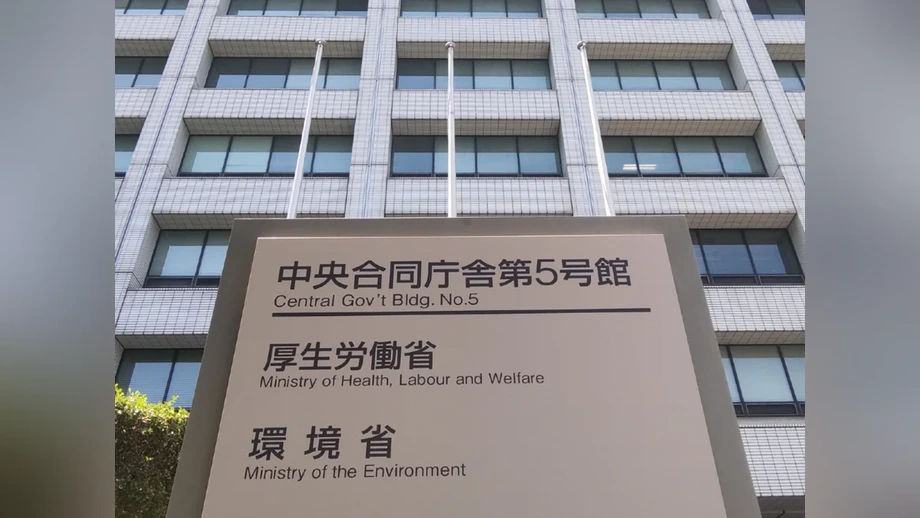
Japan's Ministry of Health, Labour and Welfare told medical institutions in June that diet use lacked proven effectiveness and could cause harm. The ministry's notice gave the reason plainly.
The diet efficacy of Mounjaro has not been proven, so when it is used for purposes other than its original intent, caution must be exercised as there is a risk of unexpected health harm.
The notice was issued on June 16, 2026, under the numbers 医薬安発0616第16号, 医政総発0616第1号 and 医政産情企発0616第1号. It said there were cases of the drugs being used for cosmetic or weight loss purposes at some medical institutions and pharmacies, and warned that this could lead to unexpected health harm. It stated, 'The safety and efficacy of off-label use outside the approved indications have not been confirmed,' and called for supplies to be maintained so that patients who truly need the medicines do not face interruptions.
Medical institutions were told to follow package inserts, explain risks to users and maintain systems capable of immediately treating side effects. The notice restated that advertising private treatment involving domestically unapproved medicines or off-label use was prohibited in principle, and banned false or exaggerated advertising, including claims of effectiveness supported by weak scientific evidence. It also asked that side effect reports under Article 68-10, Paragraph 2 of the Pharmaceutical and Medical Devices Act include 'off-label use (cosmetic purposes)' in the 'reason for use' field.
All prefectures and cities with public health centers were asked to relay the instructions to medical institutions. Eli Lilly Japan and Novo Nordisk Pharma were asked to work with wholesalers to reinforce warnings to medical institutions and pharmacies, request side effect reports and cooperate in collecting safety information. At the June 16 post-cabinet press conference, Health Minister Kenichiro Ueno said public warnings would also be issued that day through X and other social media. The ministry's briefing recorded his pledge to continue working with related organizations and pharmaceutical companies to prevent unexpected health damage from off-label use.
The Pharmaceuticals and Medical Devices Agency received about 950 Mounjaro side effect reports from launch in 2023 through September 22. Thirty five involved weight loss or cosmetic use. Reported problems included hypoglycemia, pancreatitis, nausea and ketoacidosis. Ketoacidosis is a dangerous build up of ketones in the blood that makes it too acidic. The Japan Society for the Study of Obesity also warned last month about health risks from weight loss use of drugs such as Mounjaro and Wegovy.
Tokyo Metropolitan Police arrested a Tokyo resident in his 40s for alleged unlicensed sales. Police said he sold 27 Mounjaro pens to three people after advertising them on social media at 9,000 yen each. All three bought the drug for weight loss, and one reported feeling unwell after using it. Those concerns have followed the Tsushima rush, where Korean authorities are tightening customs clearance because of safety risks and possible illegal resale.
How large is the travel and spending surge?
Ferry demand rose so quickly that some travel agencies stopped taking new bookings. Han Seung-woo, a passenger from Gaya dong in Busan, said reservations appeared full until December 8 after he decided to go for Mounjaro.
Han explained the calculation that drew him to the trip.
I heard that purchasing Mounjaro in Japan is cheaper, so I decided to go to Tsushima. It seemed like reservations were fully booked until December 8.
As of November 27, one Busan ferry service had sold all day trip return tickets through December. The first weekend after the rule change brought more than 3,000 travelers between Busan Port and Tsushima, and passenger numbers for the month were expected to exceed 50,000. A shipping company official said reservations jumped 10 days earlier and seats were hard to find until the following month.
Korean spending in Japan was already rising before the drug rush. The won fell to 843.56 won per 100 yen on November 26, after dropping below 900 won in July. Goldman Sachs forecast the won could reach 1,280 won per dollar by the end of next year, possibly below 1,250 won if the dollar weakens. The bank linked expected won strength to a widening current account surplus from semiconductor exports and demand from large exporters converting foreign currency into won for taxes and dividends. Stephen Chiu, chief emerging market foreign exchange strategist at Bloomberg Intelligence, said the won could reach 1,200 won.
Bank of Korea data show the travel account deficit with Japan grew from 575.7 million dollars in 2022 to 4.0667 billion dollars in 2023, 4.9126 billion dollars in 2024 and 5.7054 billion dollars last year. Japan made up 42.3 percent of Korea's total travel account deficit last year. Japan Tourism Agency data show Korean travelers spent 293.8 billion yen in Japan in the third quarter, up 45.8 percent, while 9,298,400 Koreans visited from January through October, up 21.4 percent. The travel account deficit for all destinations narrowed 55.6 percent from a year earlier in the first three quarters, helped by a rise in foreign visitors to Korea. An official at the Bank of Korea said the new drug purchases would enter the statistics with a delay.
The official explained the timing this way.
Demand picked up in earnest this month, so the related spending will gradually show up in the statistics from December through next year.
The inequality question behind sushijaro
The rush is also about who can afford continuing treatment. Mounjaro costs 300,000 to 400,000 won a month in Korea and remains fully out of pocket for obesity care. Its effect fades when people stop taking it, so access over time matters as much as the first prescription. Interviews in a health inequality series found patients who stopped treatment because of cost and others who split doses to save money. After the November 12 allowance, online users began sharing sushijaro maps that pointed to Japanese clinics, ferries and pickup points.
Obesity affects more than one billion people worldwide and raises the risk of hypertension and diabetes. The risk is higher among low income households and people with disabilities, who also face the heaviest fees. New drugs can reduce appetite and weight, but their benefit depends on continued access, nutrition advice and contact with a doctor. Park, a 37 year old salaried worker, said Mounjaro took him from 90 kg to 77 kg before Chuseok, then he regained weight to 80 kg during the holiday and booked another Japan trip. He said he had bought a month of the drug in Japan for about 70,000 won, against about 300,000 won in Korea.
Michael Marmot, a professor of public health at University College London, spent decades on the Whitehall study, started in 1967, showing that lower civil service grades had higher death rates from cardiovascular disease. His work is often used to explain how work conditions and daily control over life shape health. Korea has its own sharp gaps. The Korea Health Promotion Development Institute's 2023 figures put healthy life expectancy at 72.84 years in Bundang gu, Seongnam, and 60.95 years in Yeonggwang gun, South Jeolla, a gap of 11.89 years. The government is considering insurance coverage for obesity treatment, but no decision date was given.
What remains unsettled
Several practical questions remain open. No date was given for restoring the Hitakatsu courier office's storage and counter pickup service. The Ministry of Food and Drug Safety said it would monitor the revised policy with customs authorities and continue separate measures for safe use. It also planned to designate Mounjaro as a drug with potential for misuse. Health authorities warned that customs clearance may be withheld when dosage exceeds standard limits or when the same drug is brought in repeatedly within a short period.
The legal boundary is also difficult to enforce. Before the revision, unauthorized import could violate customs law with up to five years in prison or smuggling fines. Under customs law, smuggling charges usually target businesses. To charge an individual, authorities must show habitual or intentional smuggling. If a traveler says they did not know they had to declare the drug, authorities may only dispose of it on site. Pharmaceutical Affairs Act penalties apply to imports for sale, leaving personal use cases harder to punish. South Korea's Ministry of Food and Drug Safety also advised that medicines bought overseas have limited legal protection if side effect damages occur. The ministry urged people to obtain prescriptions and buy drugs abroad only when necessary.
For now, the known dates are narrow: canceled clinic bookings from December 1, ferry tickets sold out through December, and customs checks that travelers will face as they return. What happens to the island's courier service and to the wider price gap remains unresolved.
Key Points
- South Korea's November 12 rule allows legally prescribed medicines bought abroad for personal treatment, generally up to six containers or a three month supply.
- Japanese prices for Mounjaro are far lower than Korean prices, even after ferry or travel costs, driving the nickname sushijaro.
- Online consultations and delivery to Tsushima courier offices created a day trip pickup system from Busan.
- Yamato's Hitakatsu office halted storage and counter pickup after long lines, arguments and missed ferries.
- Doctors and regulators warn about cold chain failures, unmonitored dose changes, side effects and illegal resale.
- The surge is also tied to health inequality, since Korean obesity treatment remains fully out of pocket.