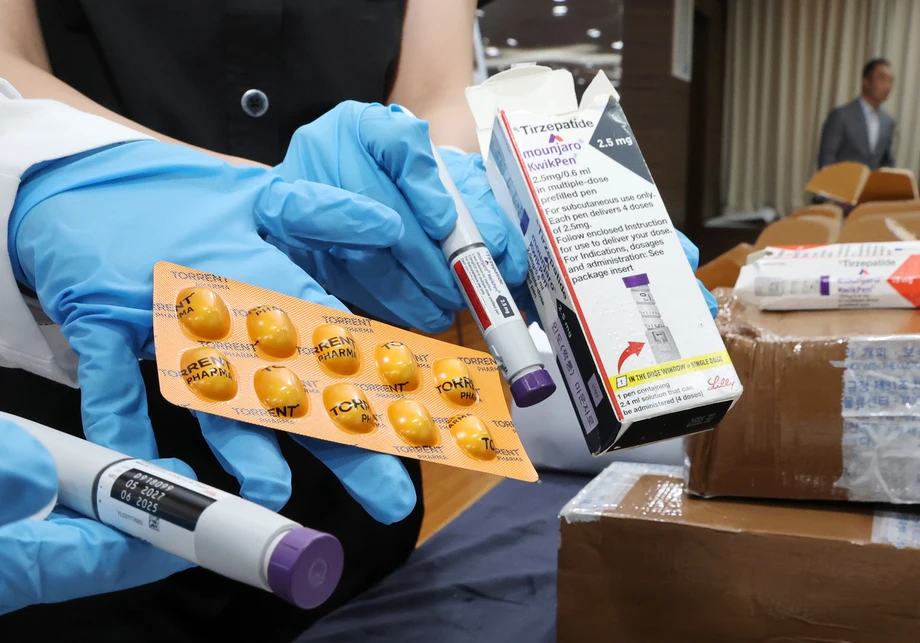
New rules open the border to medicines for personal treatment
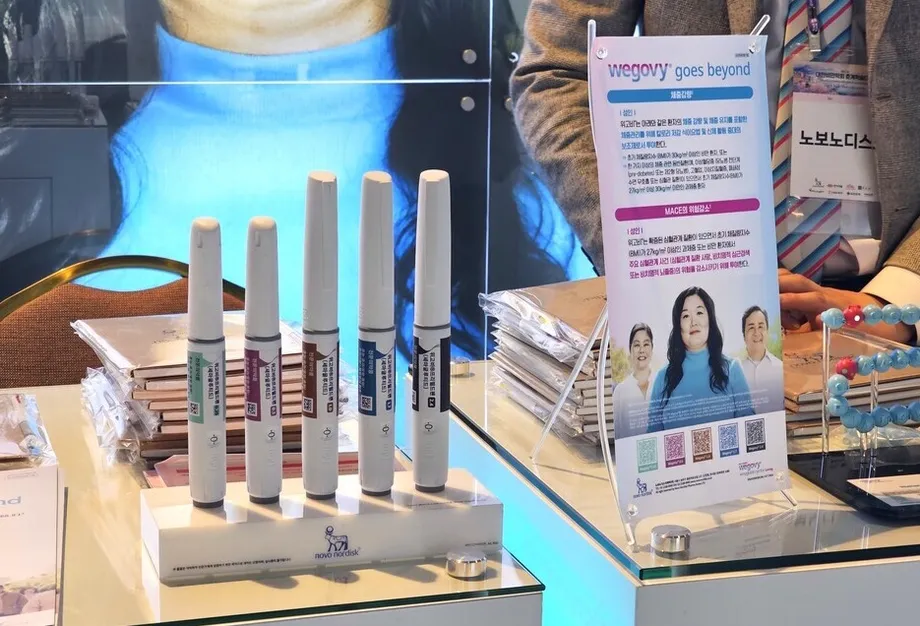
South Korea will allow travelers to bring legally prescribed Wegovy, Mounjaro and other medicines for personal treatment into the country from November 12, 2026, easing restrictions that had stopped patients at customs even when they obtained their drugs through legitimate medical care overseas.
Contents
- New rules open the border to medicines for personal treatment
- How the quantity allowance works
- No separate paperwork, but customs checks remain
- Who benefits beyond people shopping abroad?
- How the restrictions developed
- Why Japan has become a destination for prescriptions
- What the supply price figures show
- Korean insurance negotiations are still unfinished
- Storage and misuse remain safety concerns
- Key Points
The Ministry of Food and Drug Safety announced the change on November 11 after consultations with the Korea Customs Service. The basic allowance is six bottles or vials. Quantities above six are permitted when they stay within a three-month supply under the medicine's prescribed directions. For the weekly injections described by the ministry, that means up to 12 doses.
The change matters particularly for people buying Mounjaro in Japan, where some medical institutions charge about 100,000 won for four weeks of the lowest dose, compared with roughly 300,000 won in South Korea. It also covers patients returning with medicines originally prescribed in Korea, along with foreign nationals and international students carrying their existing treatment.
Travelers must carry the medicines into South Korea themselves. Ordering the same products from an overseas website for delivery by international mail or courier remains prohibited.
The decision follows a sharp rise in customs cases. Authorities detected 1,097 unauthorized entries of Wegovy and Mounjaro in travelers' luggage from January through August 2026, compared with 134 during all of 2025. Patients had complained that the restrictions treated medicines prescribed for their own care much like products obtained through unauthorized channels.
How the quantity allowance works
The revised criteria cover medicines formally approved by the drug regulator in the country where they were lawfully prescribed and purchased through the regular medical system. A purchase abroad must therefore meet conditions beyond simply coming from a shop or website.
Six bottles or vials is the basic quantity allowance, rather than a universal measure of three months of treatment. Packaging and dosing schedules differ between medicines. When the quantity exceeds six containers, the prescribed directions determine whether it fits within the permitted three-month supply.
For the injection products used once a week, with one unit providing one dose, the ministry's example allows 12 units. One description of the change gives a range of 12 to 13 weekly doses, but the ministry's stated example is 12. Travelers planning around that example should use the 12-dose figure.
The permission is for a person's own treatment. It does not open a route for bringing in commercial quantities or stocking medicines for resale. The prescription, lawful purchase and quantity requirements work together to define which medicines qualify.
No separate paperwork, but customs checks remain
The Ministry of Food and Drug Safety said travelers would not need to prepare an additional set of documents specifically for the new allowance. In its explanation of the revised process, the ministry said:
No additional documents are required for legally purchased medications. As long as the quantity aligns with regulations, the Korea Customs Service will verify authenticity.
Customs officers will still examine whether products are genuine and may check their ingredients and lawful purchase. Medicines with unclear ingredient labels, or products already flagged for import restrictions, may need further verification.
Narcotic medicines and psychotropic substances, which affect mental activity and are subject to special controls, are excluded from this general allowance. Their entry remains governed by separate procedures. A medicine's ingredients therefore matter alongside its brand name.
The practical change is that a legitimate overseas prescription can now support entry under the revised rules. Customs safety checks continue, but patients carrying eligible quantities no longer face the previous general restriction on these obesity treatments.
Who benefits beyond people shopping abroad?
Korean patients who take their prescribed medicines on an overseas trip can bring the remaining doses home under the revised criteria. Previously, returning with medicine that had originally been prescribed in South Korea could still lead to customs clearance being held up.
Foreign residents and international students can also enter with medicines they have been using abroad. The allowance includes medicines prescribed and purchased during a trip, as well as treatment that began before travel.
For those patients, the change concerns continuity of care as much as price. A student arriving for a semester or a resident returning from a family visit can carry eligible treatment without having it automatically blocked under the former approach.
The policy applies more broadly than Wegovy and Mounjaro. Those brands have drawn attention because of demand and price differences, but the revised criteria concern qualifying medicines carried for personal treatment.
How the restrictions developed
The Ministry of Food and Drug Safety notified customs in October 2024 that Wegovy, Mounjaro and Saxenda were medicines of concern under its harmful medicine controls. Authorities cited counterfeit products and misuse, along with difficulties tracing overseas manufacturing and distribution channels.
Customs applied restrictions associated with unauthorized overseas sales to medicines carried by individual travelers as well. That left some people unable to bring in drugs obtained with prescriptions issued in their own names. Officials also cited limited legal protection when overseas purchases became subject to recalls or compensation claims.
The main developments span two years:
- October 2024: The drug safety ministry flags Wegovy, Mounjaro and Saxenda to customs amid concerns about counterfeit medicines and misuse.
- 2025: Authorities record 134 unauthorized entries of Wegovy and Mounjaro through travelers' luggage.
- January to August 2026: The corresponding luggage figure rises to 1,097 cases.
- November 11, 2026: The ministry announces revised criteria following consultations with customs.
- November 12, 2026: The allowance for eligible medicines carried for personal treatment takes effect.
The revised policy responds to complaints about legitimate treatment being interrupted at the border while retaining restrictions on overseas deliveries and unauthorized purchases.
Why Japan has become a destination for prescriptions
Mounjaro's price gap has encouraged South Koreans to seek prescriptions in Japan. The practice has acquired the nickname "Sushijaro," combining sushi with the medicine's brand name.
A supply of the initial 2.5 milligram dose lasting four weeks costs about 280,000 to 350,000 won in South Korea, compared with roughly 80,000 to 120,000 won at some Japanese medical institutions. The commonly cited comparison of 300,000 won against 100,000 won puts the Japanese medicine bill at about one-third of the Korean price.
At those representative prices, three supplies lasting four weeks each would cost 900,000 won in Korea and 300,000 won in Japan, a difference of 600,000 won before travel and any other expenses. Actual charges vary by medical institution and dose.
Customs figures obtained by Democratic Party lawmaker Jung Il-young show Japan's role in the travel pattern. Of 501 cases in which travelers' medicines were held for customs clearance from January through May 2026, 319 involved arrivals from Japan. That was 63.7 percent, or nearly two out of every three cases.
Japan lists Mounjaro under its national health insurance system for Type 2 diabetes, giving the government a role in setting its official price. In August 2026, Japan applied a special price adjustment for sustainability that reduced the official price by 25 percent following rapid sales growth.
What the supply price figures show
Price data obtained by Democratic Party lawmaker Nam In-soon from South Korea's National Health Insurance Service and Health Insurance Review & Assessment Service show a gap earlier in the distribution chain too.
For January through June 2026, the factory shipment price of a 2.5 milligram Mounjaro pen was 68,397 won in South Korea, against 13,340 won in Japan. The Korean figure was about 5.1 times the Japanese figure. Comparable prices were 59,576 won in France and 60,678 won in the United Kingdom.
These supply prices are the amounts charged before medicines reach patients through medical institutions or pharmacies. Patients' bills include the effects of local distribution, prescribing and payment arrangements, which explains why the supply comparison and the clinic price comparison have different ratios.
The international figures were converted into won using average exchange rates over August 2023 to July 2026. For the 5 milligram dose, South Korea's supply price was 90,827 won, about 16 percent above the 78,298 won average for Europe and Japan. At 15 milligrams, the Korean price was 167,971 won, about 14 percent above the comparison average.
Korean insurance negotiations are still unfinished
Mounjaro's price in South Korea also reflects its position outside national health insurance coverage. Without a government negotiated reimbursement price for the treatment, the manufacturer sets its supply price commercially.
Lilly Korea sought insurance coverage for Mounjaro to treat diabetes, but price negotiations with the National Health Insurance Service broke down in May 2026. The company submitted another application in June, and the process was continuing when the travel policy was announced.
No date was given for a coverage decision. The border change and the insurance application address different parts of access: one governs what patients can carry into the country, while the other concerns how treatment is priced and paid for within Korea.
Allowing purchases from cheaper markets may put competitive pressure on domestic prices. Any immediate saving for an individual traveler, however, will depend on the price charged abroad, the quantity prescribed and the cost of making the trip.
Storage and misuse remain safety concerns
Wegovy and Mounjaro are injectable treatments that require attention to refrigeration and temperature control during transport. Patients need to follow the storage instructions for their specific product throughout the journey, including time spent outside airports and aircraft.
Improper handling can reduce a medicine's effectiveness or create safety risks. The journey from a clinic to a hotel, then to an airport and home, becomes part of managing the treatment rather than simply transporting a purchase.
Lee Joo-yeol, a professor of health administration at Namseoul University, warned that easier access through trips to Japan could widen opportunities for abuse and misuse. Procedures to designate obesity treatments as medicines requiring particular attention for abuse and misuse had also been delayed.
Customs enforcement figures extend beyond the traveler luggage cases. The Korea Customs Service's Central Customs Analysis Laboratory recorded 5,030 obesity medicine seizures through August 2026, compared with 1,189 in all of 2025 and four in 2024. That broader seizure series sits alongside the 1,097 cases specifically involving Wegovy and Mounjaro in travelers' luggage.
The laboratory's figures included products with inconsistent amounts of active ingredients or unidentified impurities. Those findings explain why authorities continue to check authenticity even as they ease entry for medicines prescribed through legitimate medical systems.
The Ministry of Food and Drug Safety said it would monitor the revised policy with customs authorities while continuing measures for safe use. The two agencies described their aim as reducing inconvenience while protecting public safety.
Key Points
- From November 12, 2026, travelers may bring eligible medicines, including prescribed Wegovy and Mounjaro, into South Korea for personal treatment.
- The basic allowance is six bottles or vials. Larger quantities must remain within a three-month supply under the medicine's directions; the ministry's example permits 12 weekly injection doses.
- The medicine must be formally approved by the relevant overseas regulator and lawfully prescribed and purchased through the local medical system.
- Patients returning with Korean prescriptions, foreign nationals and international students are covered.
- No separate paperwork is required under the announcement, but customs will still verify products and may conduct further checks.
- Overseas orders delivered by mail or courier remain prohibited. Narcotic and psychotropic medicines fall outside the general allowance.
- Lower Japanese prices help explain demand, while refrigeration, authenticity and safe use remain central concerns.