A Sent Message Could Start the Clock for Workers
Uzbekistan is considering a change that would allow an employer to notify a worker of dismissal by SMS and start the worker's period of three months to seek reinstatement in court from the day that message is sent. The countdown could also begin when a copy of the dismissal order is handed over or sent by post.
Contents
- A Sent Message Could Start the Clock for Workers
- What Article 171 Would Change
- How the Court Deadline Would Work
- Why the Ministry Wants Faster Procedures
- Article 166 and the New Union Notification Timing
- Digital Records and Alternative Job Offers
- New Guarantees for Working Students
- Professional Internships of Up to Three Months
- Consultation Timeline and What Is Not Decided
- Key Points
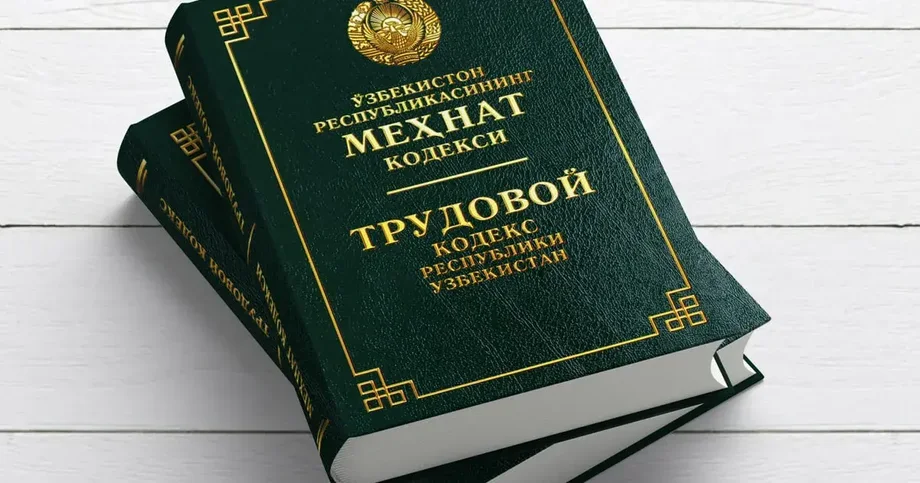
The Ministry of Employment and Poverty Reduction has prepared amendments to the Labour Code and the Law on Employment of the Population. Public consultation runs until 9 December 2026. The package covers Article 171 of the Labour Code, which concerns delivery of dismissal documents, and Article 166, which deals with notifications to trade unions and local labour authorities. It has not entered into force.
The proposal concerns how an employee learns about an order ending an employment contract. The dismissal itself would still rest on that order. Other parts of the package would shorten notification procedures when compensation replaces a dismissal notice period, extend employment guarantees to working students in distance education and create professional internships lasting up to three months.
What Article 171 Would Change
Article 171 addresses a familiar workplace problem: an employee may be absent or may refuse to accept a copy of the dismissal order. Under current practice, the employer can send the copy by post with confirmation of delivery. The draft would permit registered postal delivery without the employee's prior consent and add several electronic routes.
An SMS would have to be sent to a mobile phone number registered in the employee's name. Every notification would have to state the date on which the employment contract ends and the grounds for ending it. The proposed delivery channels are:
- A personal account in the Unified National Labour System (UNLS).
- An SMS sent to the phone number registered in the employee's name.
- An email address.
- Other internet applications, including messaging services, when the employment contract provides for that method of communication.
- Registered post with confirmation of delivery, without obtaining consent first.
Remote employees would be covered by the same procedure. Another provision would require an employer to provide a replacement copy of the dismissal order within three days if the employee reports that the original copy has been lost or damaged.
How the Court Deadline Would Work
A worker who considers a dismissal unlawful can ask a court for reinstatement, meaning an order returning that person to the job. The draft retains a window of three months for such a claim but defines its starting point as the day the order copy is handed over, the day it is posted or the day an SMS notification is sent, depending on the method used.
For postal and electronic communication, the clock could therefore begin before the worker actually reads the document. Physical delivery and posting take time, while an SMS can be sent almost instantly and read later. The proposed reference point is the administrative act of handing over or sending the notice, rather than the moment at which its contents become known to the employee.
The proposal leaves open how sending and receipt will be documented when a worker challenges a dismissal. The legal weight of an electronic notice depends on compliance with the required procedures for sending it and confirming receipt, but no detailed process has been set out for proving notification in a dispute. This question matters because the same notice can start the period available for going to court.
Why the Ministry Wants Faster Procedures
The ministry's explanatory note says employers widely use early termination with compensation instead of observing the full dismissal notice period. Even in those cases, the existing general deadlines for informing trade unions and labour authorities continue to apply. The developers of the draft say this combination obstructs prompt staffing decisions and creates an additional administrative burden.
The package follows an open dialogue between the president and entrepreneurs. Its stated goals are to remove legal uncertainty in employment relations, create transparent procedures for employers and reduce business costs. For a company, electronic delivery would reduce reliance on a physical handover when an employee is unavailable. For an employee, the convenience of additional communication channels comes with the possibility of an earlier start to the court deadline.
Article 166 and the New Union Notification Timing
Article 166 concerns the warning given before certain dismissals. A notice period is the interval between warning an employee and the final day of employment. An employer can propose financial compensation and end the contract earlier instead of keeping that interval in place.
When compensation replaces the notice period, the draft would require trade unions and local labour authorities to be informed before the relevant order is issued. The present requirement is notification at least two months in advance. The change would therefore compress the warning given to these organisations in cases where the employee receives compensation.
The duty to consult trade unions about measures that could soften the consequences of dismissal would remain. Employers would also have to submit each dismissed employee's occupation, specialisation, qualifications and salary through the UNLS. The proposed change concerns the timing of advance notification; it does not remove the consultation and reporting duties attached to the dismissal process.
Digital Records and Alternative Job Offers
The Unified National Labour System is already used to formalise employment contracts and record personnel changes. Under the proposal, it would serve both as a channel for delivering dismissal information and as a route for reporting details about dismissed employees. Wider use of electronic records could reduce paper handling and give labour authorities standard information about occupations, qualifications and pay.
A separate ministry plan has also envisaged online conclusion and termination of employment contracts at enterprises with fewer than 50 employees. Together with the present amendments, that plan points toward more personnel procedures being handled through digital systems rather than through documents exchanged in person.
The Cabinet of Ministers would approve a separate procedure for offering other vacancies to people dismissed on certain grounds. Those offers could include work that does not require professional qualifications. The draft does not yet provide the list of grounds or the detailed operating rules, and no date has been given for the Cabinet procedure.
New Guarantees for Working Students
Working students in distance education at higher education institutions would receive guarantees currently associated with evening and correspondence study. The draft proposes at least 15 calendar days of study leave each year, with average salary preserved, for laboratory and examination sessions. The allowance would apply regardless of the student's year of study, and employers could establish a flexible work schedule.
Employers would also cover at least 50 percent of the cost of travelling to the educational institution and back for an examination session or state attestation once a year. State attestation is the final official assessment used to confirm that a student has completed the required programme.
The proposed 15 days can be compared with the existing provision for students in correspondence courses. Those students receive at least 30 days during the first and second years and at least 40 days from the third year. The distance education allowance would therefore be half the initial 30 day allowance and 25 days shorter than the later allowance. The education benefits would apply when a worker is obtaining education for the first time at each level: secondary professional education, a bachelor's degree and a master's degree.
Professional Internships of Up to Three Months
A separate part of the package creates a category for an intern learning a profession. It is intended for citizens who have no work experience, are entering employment for the first time or want to move into a different field. The internship could last up to three months and would provide practical skills at an enterprise.
A professional internship agreement would have to identify the profession or position being learned, the assigned mentor, the duration and other conditions. The intern would receive a certificate after completing the process. The employer could decide whether the internship is paid, and the explanatory material allows it to be organised without pay. The draft does not establish a general wage or allowance for this category.
Consultation Timeline and What Is Not Decided
The regulatory portal is the immediate venue for workers, employers, unions and students to examine the package and submit proposals. The consultation stage comes before any decision to adopt the amendments.
- Under current practice: an absent employee or one who refuses the order copy can be contacted by post with delivery confirmation, while the relevant union and labour notifications generally require at least two months of advance warning.
- Late November 2026: the ministry's package was published for public discussion, covering dismissal notices, court deadlines, student guarantees and internships.
- 9 December 2026: the public consultation is scheduled to close.
- After the consultation: no date has been announced for adoption, parliamentary consideration or entry into force.
Until the amendments are adopted and brought into force, they remain proposals rather than powers that employers can use. The next fixed date in the process is the consultation deadline, and the detailed safeguards for confirming electronic notification remain to be settled.
Key Points
- Uzbekistan's Ministry of Employment and Poverty Reduction has drafted amendments to the Labour Code and the Law on Employment of the Population, with consultation ending on 9 December 2026.
- Article 171 would permit dismissal notices through the UNLS, email, SMS to a number registered in the employee's name and contractually agreed messaging applications.
- The notice must state the termination date and grounds, and the same procedure would apply to remote employees.
- A court claim for reinstatement would retain a window of three months, but that period could start when an order is posted or an SMS is sent.
- When compensation replaces the dismissal notice period, unions and labour authorities would be informed before the order instead of at least two months in advance; consultations and employee data reporting would remain.
- Working students in distance education would receive at least 15 days of paid study leave annually, travel support of at least 50 percent and access to flexible schedules.
- The package also introduces internships lasting up to three months, which may be unpaid, while no date has been set for the amendments to take effect.