Paydays move as AirAsia tries to hold on to cash
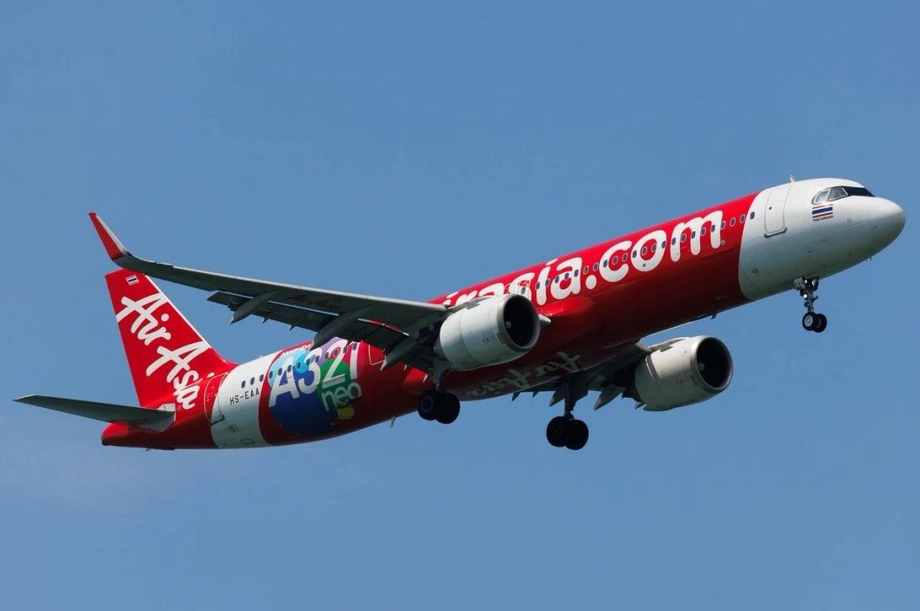
AirAsia Group Bhd confirmed on November 27, 2026, that employees in Malaysia will be paid later than usual from November through March 2027, as Southeast Asia's largest budget airline tries to conserve cash. Salaries will arrive on the 30th of each month, or on the last day of February, instead of earlier in the second half of the month. The confirmation came as AirAsia Philippines separately began cutting jobs and its pilots union moved towards a possible strike.
Contents
- Paydays move as AirAsia tries to hold on to cash
- What the company promises to employees
- The losses and cash balance behind the decision
- Fewer aircraft, creditor talks and a 2028 rebuilding plan
- What Malaysia would demand before offering support
- A more confident message in September
- Philippine job cuts put pilots at the centre
- How the dispute reached a strike notice
- The fuel shock reaches beyond AirAsia
- Key Points
The change concerns the timing of pay rather than the amount. AirAsia says salaries will still be paid in full, but even a short postponement can matter to workers whose rent, loan instalments and other bills are arranged around an established payday. The group employs about 26,000 people, mostly in Asia, although the confirmed payroll change applies specifically to its employees in Malaysia.
An internal email sent late last week by Chief People Officer Muhammad Khurram Zia described the five calendar month arrangement as a "temporary operational adjustment". It referred to a "challenging environment" and asked employees for "patience and flexibility". Two people familiar with the matter confirmed the contents, and one said staff had previously received their wages earlier in the second half of each month.
What the company promises to employees
Bo Lingam, AirAsia's group chief executive officer, said the new schedule aligned internal payroll processes and did not change salary entitlements. He addressed employees using Allstars, the company's internal name for its staff, and acknowledged that a different payday could require personal adjustments.
We remain committed to ensuring our employees are supported throughout the process and will communicate any further changes directly to our Allstars. We recognise that any change to the usual payment schedule may require adjustment for our Allstars and we appreciate their understanding and patience as we complete this transition.
The company's guarantee means an employee should receive the same full salary for work performed, with the money arriving nearer the end of the month. AirAsia described the arrangement as temporary and covering November 2026 through March 2027. It did not announce a similar payroll change for employees elsewhere in the group, while the measures in the Philippines concern staffing, routes and flight frequencies rather than Malaysian paydays.
The losses and cash balance behind the decision
On November 23, AirAsia reported its third consecutive quarterly loss. The consolidated net loss was RM381.3 million, 54 per cent smaller than in the preceding quarter. A narrower loss means the airline was still spending more than it earned, although the rate of loss had slowed. Bo Lingam said the results suggested "the worst is behind us", while warning that fuel costs were expected to rise further in the fourth quarter.
Cash and bank balances stood at RM905 million, equivalent to about US$219.93 million, on September 30. That was 5 per cent below the balance on June 30. AirAsia's shares have fallen by more than 70 per cent during 2026 as fuel expenses and foreign exchange losses squeezed the business.
Fuel and currencies affect an airline in different but connected ways. Aircraft require large quantities of jet fuel, so a price increase can quickly raise the cost of every flight. Many aviation expenses, including fuel, aircraft leases and some debt payments, are denominated in US dollars. AirAsia Philippines earns most of its revenue in pesos, so a weaker peso means it needs more local currency to meet those dollar costs. Jet fuel in the Philippine market was reported to have crossed US$200 a barrel, adding to the pressure.
Fewer aircraft, creditor talks and a 2028 rebuilding plan
The company's earnings statement said eight older aircraft had been returned to lessors so far this year, with a target of 25 returns by the end of December. Lessors are companies that own aircraft and rent them to airlines. Returning planes can reduce lease and maintenance bills, but it also leaves an airline with less capacity. AirAsia has suspended routes that it considers unviable and said more aircraft could leave the fleet during 2027.
A restructuring with creditors is also underway. In practical terms, this involves discussing debts and payment arrangements with the companies and lenders to which AirAsia owes money. The airline presents this as part of a plan to reset the business before rebuilding in 2028. The payroll change, route suspensions and aircraft returns all serve the same immediate purpose: keeping more cash available while those discussions continue.
What Malaysia would demand before offering support
Malaysia's government has been considering ways to support AirAsia without exposing public funds to unnecessary risk. No financial support agreement had been signed as of November 27. The Finance Ministry said on November 26 that any decision to help would come with requests for priority over other lenders and stronger oversight of AirAsia's board and management.
Priority over other lenders would give the government a stronger claim to repayment if it provided financial assistance. Closer oversight would give it more visibility over decisions made by directors and executives. The ministry did not announce an amount, a form of assistance or a date for a decision, leaving the scale and structure of any support unresolved.
A more confident message in September
Tony Fernandes, AirAsia's co-founder, struck a different tone at a press conference in Bangkok on September 18. He dismissed suggestions that Malaysia Airlines or Batik Air could be asked to take over AirAsia's domestic capacity as a contingency. He said at the time that the airline had neither sought nor received government assistance, described its liquidity as strong and rejected the idea that it was close to collapse. He also presented the return of older, less fuel efficient aircraft as fleet optimisation.
Fernandes was speaking after AirAsia posted a second quarter net loss of RM831 million, or about US$204 million. He acknowledged that fuel was a genuine pressure and said fares and the cost structure would need adjustment. He also said AirAsia was raising US$1 billion in international debt markets and RM700 million, about US$172 million, in local credit facilities. The purpose was to refinance existing debt at a lower cost, potentially reducing interest expenses without removing the underlying fuel and currency pressures.
Philippine job cuts put pilots at the centre
AirAsia Philippines announced its workforce reduction on November 26. Anna Victoria Lu, its president and general manager, blamed elevated jet fuel prices and unfavourable exchange rates. She said the airline had reviewed routes and flight frequencies to keep operations sustainable, and that the changes affected how many employees it needed. The company has not identified which routes or frequencies will be cut.
The AirAsia Philippines Pilots Union says about 90 captains and first officers received retrenchment notices ending their employment on December 31, 2026. That represents roughly half of a pilot group numbering around 200. A wider estimate put the total number affected near 250 employees, including cabin crew and other staff, but the airline has not confirmed that figure or released its own total.
Lu said the decision was difficult and promised assistance for employees leaving the business. Speaking in her capacity as president and general manager, she addressed the effect on workers and their families.
We deeply recognize the impact this has on our colleagues and their families, and we are committed to supporting them with care and transparency through this transition.
On November 27, Lu said AirAsia Philippines remained fully operational and committed to the Philippine market. She assured passengers that the workforce adjustment would not affect flights, bookings or other services. That assurance covers current operations, while the company has still to publish details of the route and frequency changes associated with the review.
How the dispute reached a strike notice
The AirAsia Philippines Pilots Union, known as APPU, says the retrenchment process was rushed and involved too little consultation. Its president, Oscar Joseph Ramos Jr., also raised unresolved representation issues. The dispute developed alongside a formal effort to choose the pilots' collective bargaining representative, meaning the organisation authorised to negotiate pay and working conditions on their behalf.
- September 4: APPU asked the Department of Labor and Employment for a certification election so pilots could choose their bargaining representative.
- November 19: The department granted the petition. The union received the order on November 25.
- November 25 to 27: The union says pilots were called to individual management meetings after about 90 lost access to their crew schedules. Retrenchment notices were issued with an effective date of December 31.
- November 26: AirAsia Philippines announced the workforce reduction, and APPU filed a notice of strike at the labour department's main office in Manila.
- November 27: The government moved to bring both sides into conciliation, while the airline said scheduled flights and bookings were unaffected.
The Trade Union Congress of the Philippines questioned the timing of the dismissals, described them as union busting and asked lawmakers to investigate. Its spokesperson, Carlo Onate, also urged the airline to reinstate the pilots. The union's position is that the cuts followed closely after it secured the right to hold a representation vote.
Labor Secretary Francis Tolentino confirmed receiving the strike notice. He said a task force had been formed and the National Conciliation and Mediation Board would bring the parties together on November 27. He treated the dispute as a priority because a stoppage could disrupt travel before the busy end of year holidays and said he would oversee the talks himself.
A strike notice is a formal step in a labour dispute, not an announcement that aircraft will immediately stop flying. Conciliation gives both sides an opportunity to reach an agreement before any stoppage. No outcome from the November 27 meeting was announced, and no start date for a strike was given.
The fuel shock reaches beyond AirAsia
The Iran war has driven jet fuel prices sharply higher, placing airlines under their most severe financial strain since the COVID-19 pandemic. Budget carriers are especially exposed because their business depends on keeping fares low and aircraft busy. When fuel and currency costs rise faster than ticket revenue, cutting marginal routes, reducing frequencies and seeking additional income from fees become ways to limit losses.
Several airlines have already reached more drastic outcomes. US budget carrier Spirit Airlines collapsed in May, Latvia's airBaltic sought bankruptcy protection in September, and Norway's Norse Atlantic suspended flights on November 26 while searching for urgent financing to meet immediate needs. Their experiences show why AirAsia's later paydays, aircraft returns and creditor negotiations matter beyond internal administration.
The wider Philippine market was also showing strain. Passenger traffic slipped to 46.3 million across nine months as capacity shrank and domestic fares rose. For AirAsia Philippines passengers, the immediate promise is that bookings remain valid and flights continue as scheduled. For employees, the consequences are more direct: Malaysian staff face later paydays until March, while the pilots named in retrenchment notices are due to leave on December 31 unless the labour process produces a different outcome.
Key Points
- AirAsia will pay employees in Malaysia on the 30th of each month from November 2026 through March 2027, except on the last day of February.
- Group chief executive Bo Lingam says salaries will be paid in full and entitlements will not change.
- AirAsia reported a third consecutive quarterly loss of RM381.3 million, while cash and bank balances fell 5 per cent to RM905 million by September 30.
- Eight older aircraft had been returned to lessors, with 25 returns targeted by the end of December and further exits possible in 2027.
- Malaysia has not signed a support agreement, but any assistance would come with demands for repayment priority and closer oversight.
- The Philippine pilots union says about 90 pilots received notices ending their employment on December 31; the airline has not given a total for all affected staff.
- APPU filed a strike notice on November 26, prompting government conciliation, while AirAsia Philippines says flights and bookings remain unaffected.
- A creditor restructuring is underway as AirAsia attempts to reset the business before rebuilding in 2028.