Renewable power reaches everyday services
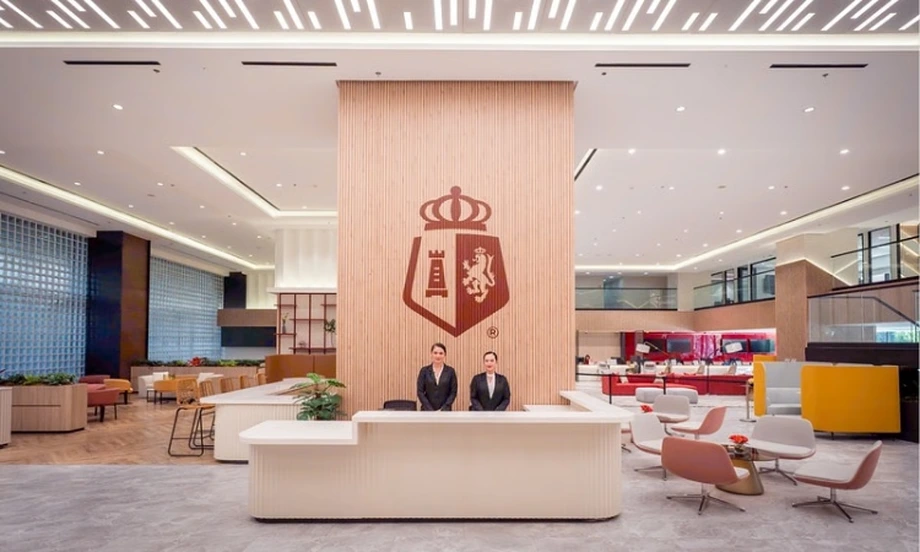
More than 100 branches of the Bank of the Philippine Islands (BPI), seven Healthway medical facilities and about 30 Globe facilities have shifted to renewable electricity through ACEN Renewable Energy Solutions (ACEN RES). So have more than 1,500 Globe cell towers and three Mapúa campuses. The result is a corporate energy program that reaches bank counters, hospital wards, classrooms and mobile connections rather than remaining only a generation target.
Contents
- Renewable power reaches everyday services
- What the figures from 119 facilities reveal
- Why Ayala is connecting energy with other services
- British School Manila joins the customer list
- Why ACEN surrendered 5 GW while retaining a 7 GW pipeline
- Construction in Zambales and Quezon becomes the immediate test
- Market leadership alongside mixed quarterly finances
- The milestones that will show whether the model is working
- What to Know
ACEN RES is the retail electricity supply arm of ACEN, Ayala Corporation's power company. It helps participating businesses obtain electricity from renewable energy assets. This arrangement allows a customer to purchase renewable supply without developing and operating its own power plant, giving very different organizations a common way to change their electricity sourcing.
The participating education sites are Mapúa Malayan Colleges Laguna in Cabuyao and Mapúa University's Manila and Makati campuses. Both institutions belong to iPeople, the education partnership between the Yuchengco and Ayala groups. The seven AC Health sites in the Healthway Medical Network include Healthway Cancer Care Hospital, bringing the program into facilities where reliable electricity supports patient care.
Ayala Corporation presents this cooperation as a way for its businesses to address shared needs, manage costs and improve services while pursuing lower emissions and better energy efficiency. The facility figures appear in the Ayala program account on ACEN's policy reports page, which carries a 2024 copyright notice.
What the figures from 119 facilities reveal
An earlier Ayala assessment covering 119 Group facilities estimated that renewable electricity use avoids approximately 329,000 tonnes of carbon emissions annually. It also calculated more than ₱191 million in yearly electricity savings. Ayala compared the avoided emissions with the carbon dioxide released by 72,000 typical cars driven for a year.
The emissions and peso figures answer different questions. The first estimates the environmental benefit of choosing renewable generation, while the second measures the effect on electricity spending. Ayala did not provide a site by site breakdown, and consumption varies greatly between a hospital, a bank branch and a telecommunications facility. Savings at additional sites will therefore depend on their electricity use, tariffs and supply contracts.
For the organizations involved, lower electricity spending can free resources for facilities and services. For the wider economy, demand from banks, schools, hospitals and telecommunications companies gives renewable generators another source of customers. Reducing emissions also helps limit the warming that contributes to climate risks, including the extreme heat and heavy rainfall that can disrupt Filipino homes, health and livelihoods.
Globe's participation shows why the program extends beyond office buildings. Its cell towers are spread across the country and support the mobile connections used for payments, education, work and emergency communication. Renewable sourcing at more than 1,500 towers connects the energy transition with infrastructure that people use throughout the day.
Why Ayala is connecting energy with other services
Tony Valdez, senior vice president and head of retail at ACEN, said the program allows the renewable supplier to work around the requirements of different Ayala businesses. He presented the facility examples as practical evidence for companies considering a similar change.
Working across Ayala allows us to connect renewable electricity supply with the needs of different businesses. This helps participating companies reduce emissions and manage energy costs while delivering everyday services with a smaller environmental footprint. We hope these practical examples give other businesses confidence to make the transition too.
Ayala Land has a solar supply agreement with ACEN that runs over the long term. ACMobility is working with ACEN RES to combine renewable electricity supply with charging infrastructure for electric vehicles (EVs). That connection matters because charging moves a vehicle's energy demand from fuel stations to the electricity system. The emissions and operating costs associated with an EV charging network consequently depend partly on how its electricity is generated and purchased.
Paolo Borromeo, Ayala Corporation's chief social infrastructure officer, linked the energy arrangements to Alagang Ayala, an effort to combine the capabilities of Group businesses across healthcare, education, sustainability and other community services.
ACEN RES demonstrates how sustainability can strengthen business performance.
Borromeo said Alagang Ayala was exploring similar opportunities to turn the Group's collective strengths into better social infrastructure. In the energy program, that means treating renewable purchasing as part of running a school, hospital, property or transport service, rather than as an isolated environmental project.
British School Manila joins the customer list
The British School Manila announced on November 23, 2026, that it had partnered with ACEN RES to transition to 100 percent renewable energy. The school's anniversary announcement connected the decision with its 50th anniversary and its aim of reducing its environmental impact.
BSM serves more than 950 students from over 50 nationalities. Its chief operating officer, Maita Borromeo, spearheaded the initiative. She received support from Head of School Martin van der Linde, Service Sustainability Governor Trevor Morrish-Hale, the school's Operations team and its Service and Sustainability Student Heads.
The school also tied the agreement to its teaching mission. By including sustainability in its operations and school culture, BSM aims to show students how institutional decisions and collective action can produce lasting environmental benefits. The agreement extends the education examples beyond Mapúa and iPeople, giving ACEN RES another visible campus customer.
The announcement did not disclose BSM's annual electricity consumption, the expected reduction in emissions, the contract value or any projected savings. Those details will determine how the school's transition compares quantitatively with the figures Ayala has published for its own facilities.
Why ACEN surrendered 5 GW while retaining a 7 GW pipeline
ACEN's retail expansion is taking place while its generation business becomes more selective about development. The company is pursuing approximately 7 gigawatts (GW) of new renewable energy projects in the Philippines, on top of more than 3 GW already in operation and under construction.
That pipeline remains after ACEN voluntarily surrendered Department of Energy service contracts covering roughly 5 GW of solar and wind proposals at an early stage. A renewable energy service contract gives a developer rights and obligations for investigating and developing a resource under government terms. The surrendered agreements concerned early proposals, while the more than 3 GW portfolio covers capacity that is operating or being built.
ACEN said the relinquishment supports the Department of Energy's effort to rationalize service contracts, make efficient use of renewable resources and advance viable projects. Energy Regulatory Commission data placed ACEN fourth among Philippine power players as of June, showing that the company retains a substantial position despite returning those contracts.
Eric Francia, ACEN's president and chief executive, described the change in a November 2026 interview as a move toward completing projects and using capital carefully, with the Philippines remaining its principal market.
The Philippines remains the core and largest market for ACEN. While our strategic focus has shifted from rapid expansion to execution and measured growth, our commitment to the energy transition remains as strong as ever. We look forward to working closely with the government and our industry partners in building a more secure, affordable and sustainable energy future.
Construction in Zambales and Quezon becomes the immediate test
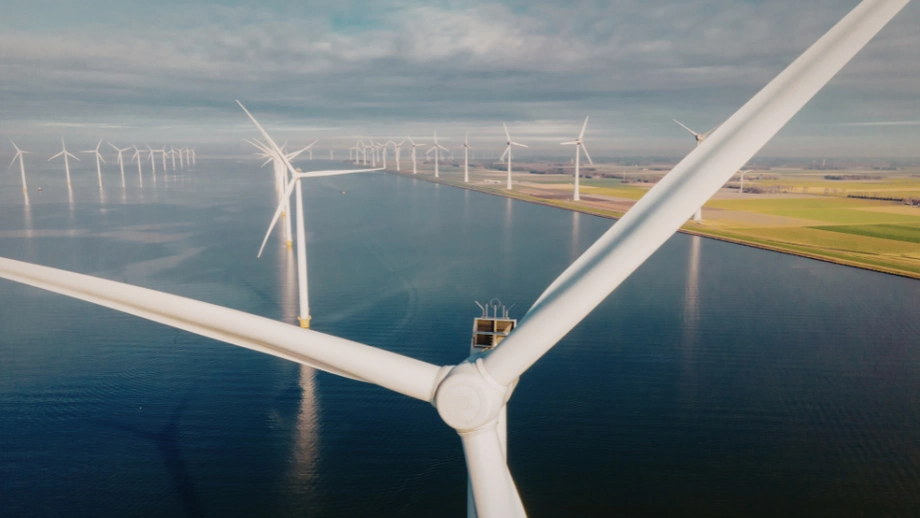
ACEN's ongoing Philippine investments include 500 megawatts (MW) of solar capacity and 800 MW of battery energy storage in Zambales, together with more than 300 MW of wind capacity in Quezon. One GW equals 1,000 MW. These units measure power capacity, while actual electricity production varies with sunlight, wind and operating conditions.
Battery storage performs a different task from solar or wind generation. It can charge when electricity is available and discharge later, helping align supply with periods of demand. The 800 MW figure for Zambales describes the battery's power capacity; ACEN did not provide its discharge duration or commercial operation dates for the named projects.
Around 40 percent of ACEN's renewable capacity across its markets is under construction. Its stated priorities are to finish committed builds, improve the performance of existing assets and pursue selected investment opportunities. Completing construction is now central to turning its retained pipeline into electricity that customers can actually buy.
ACEN identified commercial operation as an immediate priority because a strong El Niño could affect the country's power supply. El Niño can bring hotter and drier conditions to the Philippines, complicating resource planning while heat can increase cooling demand. The company said timely completion of renewable generation and battery projects would help strengthen energy security and resilience.
Market leadership alongside mixed quarterly finances
ACEN also holds a market share of more than 50 percent in the government's Green Energy Option Program. The program allows eligible electricity customers to choose renewable supply through participating suppliers. ACEN RES puts that policy into practice for organizations such as the Ayala facilities and British School Manila, creating a retail connection between customer demand and renewable generation.
The company's finances contain two figures covering different periods. ACEN disclosed that net income through the end of September reached ₱3.3 billion, an increase of 84 percent from a year earlier. It separately recorded a ₱609 million net loss in the third quarter because of provisions and impairment charges, despite what it described as strong performance from its renewable energy portfolio.
The cumulative income figure and the quarterly loss can therefore coexist without measuring the same three months. They also illustrate the financial setting for Francia's emphasis on capital efficiency. Building solar, wind and storage capacity requires substantial investment, while retail customers are attracted by the possibility of managing electricity costs as well as reducing emissions.
No separate profit figure for ACEN RES was provided. Its importance in the strategy is instead visible in its customer list and ACEN's share of the Green Energy Option Program, while the generation business supplies the larger pipeline of projects needed for continued expansion.
The milestones that will show whether the model is working
Three stages frame the transition from corporate commitments to electricity delivery:
- Ayala's earlier assessment: 119 facilities, approximately 329,000 tonnes of avoided annual emissions and more than ₱191 million in annual electricity savings.
- November 23, 2026: British School Manila announced its transition to 100 percent renewable energy with ACEN RES during its 50th anniversary.
- November 2026: ACEN detailed its roughly 7 GW Philippine development pipeline and its shift from rapid expansion toward execution and measured growth.
These developments occupy different parts of the same system. Schools, banks, hospitals and telecommunications networks create demand. ACEN RES arranges renewable supply for participating customers. ACEN's construction teams must then bring generation and storage projects into operation while the company protects its finances and returns proposals it does not intend to pursue.
The next concrete milestones will be commercial operation announcements for projects under construction and updated customer figures showing whether participation, emissions reductions and electricity savings continue to grow. For Filipinos using the participating services, the practical test is whether cleaner electricity can support dependable banking, education, healthcare and communications while keeping costs manageable.
What to Know
- More than 100 BPI branches, seven Healthway facilities and about 30 Globe facilities have shifted to renewable electricity through ACEN RES.
- The program also covers more than 1,500 Globe cell towers and Mapúa campuses in Cabuyao, Manila and Makati.
- Ayala estimated that renewable electricity at 119 Group facilities avoids about 329,000 tonnes of emissions and saves over ₱191 million annually.
- British School Manila announced on November 23, 2026, that it would transition to 100 percent renewable energy with ACEN RES.
- ACEN retains a Philippine pipeline of approximately 7 GW after voluntarily surrendering service contracts for roughly 5 GW of proposals at an early stage.
- Its projects include 500 MW of solar and 800 MW of battery storage in Zambales, plus more than 300 MW of wind capacity in Quezon.
- ACEN holds over 50 percent of the Green Energy Option Program market and reported ₱3.3 billion in net income through September, alongside a ₱609 million third quarter loss.