A power warning reaches beyond the dams
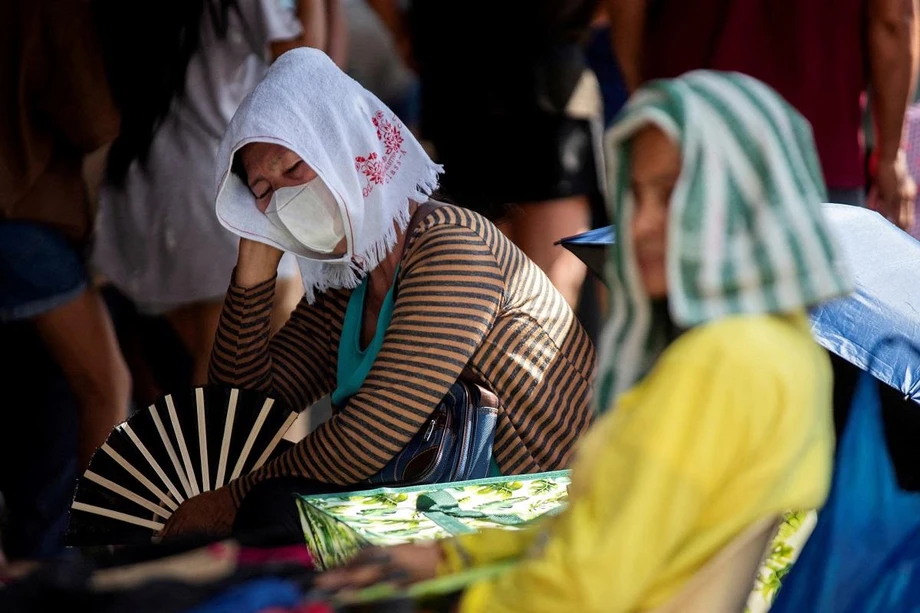
Philippine hydropower generation could fall by as much as 60% as El Niño reduces the water available to run turbines, putting pressure on electricity supplies while communities and farms also need water. Energy Secretary Sharon Garin raised the prospect of that reduction on November 10, warning that intense heat could also disrupt power operations.
Contents
- A power warning reaches beyond the dams
- Why rain changes electricity production
- What the El Niño calendar shows
- Mindanao seeks electricity security
- Cebu prepares for water shortages
- Farm losses bring irrigation into focus
- New irrigation systems target vulnerable farmland
- Why recovering dams still need careful management
- Key Points
The National Water Resources Board (NWRB) has also warned of a possible decline of up to 60% in hydropower output. Its coordination with the Department of Energy (DOE) brings together three demands that become harder to balance during dry weather: drinking water, irrigation and electricity.
Mindanao has particular exposure. DOE figures as of April 30 put the region's dependable hydropower capacity at 1,059 megawatts, about 26% of its electricity supply mix. Coal accounted for 2,041 megawatts, or about 50%. Hydropower therefore represents roughly one quarter of Mindanao's dependable generating capacity, making falling river flows a practical concern for local governments and electricity users.
The 60% warning concerns the electricity produced by hydropower plants. The effect on electricity service will depend on how much water reaches those plants, how much other generation is available and how demand is managed.
The NWRB's assessment also offered some reassurance: major dams in Luzon, including Angat Dam, were stable after recovering from levels close to critical in July, helped by rainfall in August and September. Continued monitoring is central to protecting that recovery as drier conditions threaten future inflows.
Why rain changes electricity production
Hydropower plants use moving water to turn turbines connected to generators. When less water flows through a river or reservoir, operators have less water available to produce electricity. A dam can hold water for later use, but its stored supply still depends on rainfall and incoming river flows.
The Climate Change Commission's Water Sufficiency assessment, published through the National Integrated Climate Change Database and Information Exchange System, identifies El Niño and La Niña as major influences on rainfall variability in the Philippines.
The assessment explains that prolonged dry seasons and reduced rainfall can lower river flows, leave less water available for irrigation and slow the replenishment of groundwater. Higher temperatures also increase the movement of water into the atmosphere through evaporation and plants, a combined process called evapotranspiration.
Dams, reservoirs and hydropower plants are among the infrastructure the assessment identifies as vulnerable to changes in temperature and rainfall. That creates a shared problem: the same dry period can reduce electricity generation, shrink water supplies and make crops need more careful irrigation.
Heavy rain during the wet season offers only part of the answer. The assessment explains that large amounts of rain falling in a short period can run across the ground faster than the soil can absorb them. Some water becomes floodwater rather than replenishing supplies available for later domestic and agricultural use.
What the El Niño calendar shows
The Philippine Atmospheric, Geophysical and Astronomical Services Administration (PAGASA) announced on November 5 that a very strong El Niño was present in the tropical Pacific. It expected the event to peak toward the end of 2026 and persist into the first half of 2027, increasing the likelihood of rainfall shortages, dry spells and drought.
PAGASA Administrator Nathaniel Servando described the conditions already recorded in October 2026:
Based on the latest drought assessment, five (5) provinces experienced meteorological drought, eleven (11) provinces were under dry spell, and ten (10) provinces experienced dry conditions in October 2026,
Meteorological drought means a prolonged shortage of rainfall. The agency's different categories show that provinces were experiencing varying degrees of dryness, requiring responses suited to local water conditions.
- October 2026: PAGASA recorded five provinces experiencing meteorological drought, 11 under dry spell and 10 experiencing dry conditions.
- November 4: National officials discussed risks to water and electricity supplies, while Batac City distributed irrigation equipment to farmers.
- November 5: PAGASA announced the very strong El Niño and its expected persistence into the first half of 2027.
- November 10: Garin warned of a possible 60% reduction in hydropower generation.
- November 11: The Department of Agriculture reported nearly P10 billion in agricultural damage and losses.
The forecast gives water and electricity managers a planning period extending beyond the end of 2026. Reservoir monitoring and local preparations must account for the possibility of continued dry conditions during the following months.
Mindanao seeks electricity security
Mindanao local governments are pursuing electricity load management and installing solar power systems in government buildings as river flows face pressure. Load management means adjusting how much electricity is used and when it is used, helping reduce pressure on the power system during periods of tight supply.
DOE's dependable capacity figures describe the generating capacity considered reliably available under operating conditions. Actual electricity production changes with plant operations and, for hydropower, the water available. Mindanao's 1,059 megawatts of dependable hydro capacity makes water conditions an important part of electricity planning.
Iligan City has asked the Power Sector Assets and Liabilities Management Corporation, National Power Corporation, Energy Regulatory Commission and other energy agencies to secure a 45 megawatt allocation for the city. Iligan hosts facilities of the Agus Hydroelectric Power Plant Complex, which has six operating plants along the Agus River.
The Iligan City legislative council set out its argument in Resolution No. 26-630:
Considering Iligan City's invaluable contribution to the energy sector as host of hydroelectric generating facilities, it is both equitable and reasonable that the City be afforded a preferential allocation of electric power for its own consumption and development,
The request puts a concrete figure on the city's effort to secure supply. Approval and a delivery schedule for that allocation have not been announced, and no national schedule or plant by plant breakdown was given for the possible 60% hydropower decline.
Cebu prepares for water shortages
Cebu's preparations show how the same weather threat affects households directly. The provincial disaster risk reduction and management office identified 183 barangays as areas at high risk, while provincial officials prepared water rationing and faster access to refilling stations.
Aldrin Barede, head of the Cebu Provincial Inter-LGU Water Systems Office, described infrastructure problems on November 10:
We really lack infrastructure for water supply, and non-revenue water is also a problem. Most of the piping in the province needs repairs and maintenance,
Non-revenue water is water entering a supply system that does not generate billed revenue, including water lost through leaks. Repairing pipes can help preserve usable supplies when rainfall is scarce.
Cebu is deploying water tanks to barangays, especially in mountain communities, and establishing stations where government water trucks can refill quickly. The province is also speeding construction of six water treatment plants. Two, in Moalboal and Barili, are already operating.
Provincial officials have identified at least seven major water sources, including the Lusaran Weir, Buhisan Watershed, Mananga River, Luyang Weir and Cotcot Watershed, along with well fields on Metro Cebu's east coast and the Mactan-Cordova desalination plant. Maintaining access to several sources is part of the local response as dry conditions threaten supplies.
Farm losses bring irrigation into focus
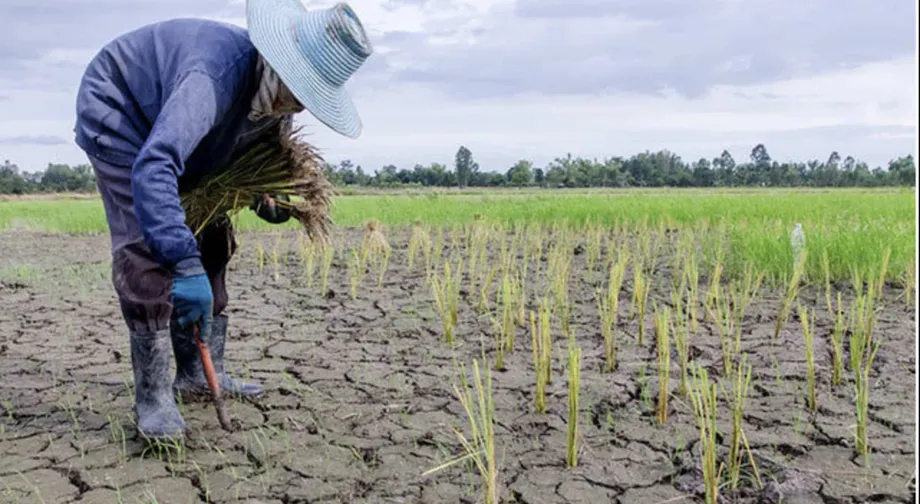
The Department of Agriculture put damage and losses from El Niño at nearly P10 billion as of November 11, affecting more than 320,000 farmers. Affected regions stretched from northern Luzon to parts of the Visayas and Mindanao, showing the breadth of the agricultural strain.
The Climate Change Commission assessment cites an older FAO AQUASTAT estimate that agriculture accounted for 82.23% of Philippine water use in 2009. Although that figure describes an earlier period, it helps explain why irrigation occupies such a large place in water planning.
Negros Occidental Governor Eugenio José Lacson said the province's priority was to maintain farm output by improving access to irrigation. Speaking on November 5, he described the production goal:
We hope to maintain the production, if not increase a little, at least maintain the production,
Lacson drew on the province's experience during the 2023–2024 El Niño. Farmers whose land relies entirely on rainfall would temporarily shift toward crops better able to withstand dry weather. The province was also aiming to install rubberized dams near rivers to help serve land without irrigation.
Batac City in Ilocos Norte distributed 1,100 water pumps and 890 irrigation hoses on November 4. Provincial agriculture officials had identified rice fields without irrigation facilities among the areas affected by drought, giving the equipment distribution a direct connection to an existing problem.
New irrigation systems target vulnerable farmland
Northern Luzon provinces are also expanding irrigation equipment powered by solar energy. In September, the Isabela provincial government and the Department of Agriculture provided 130 solar pumps and 40 mobile solar water pumps for priority areas.
Solar pumps use electricity from sunlight to move water, helping farms where access to conventional power or fuel may complicate irrigation. Their usefulness during drought still depends on having a water source from which to pump.
In late October, the P1.49 billion Alfonso Lista Pump Irrigation System was inaugurated in Barangay Santo Domingo in Alfonso Lista, Ifugao. The project is expected to increase crop yields across more than 2,300 hectares of agricultural land.
The responses differ according to local needs. Batac is providing equipment to move water, Isabela is expanding solar pumping, and Negros Occidental is combining irrigation plans with temporary changes in crop choice. All address the immediate task of keeping farms productive with less dependable rainfall.
Why recovering dams still need careful management
Angat and other major Luzon dams benefited from rain in August and September after approaching critical levels in July, according to the NWRB. Their recovery gives water managers stored supplies to work with while they track incoming water and demand.
The longer record shows why access and availability need attention together. The Climate Change Commission assessment found that water supply coverage rose from 84.8% in 2010 to 86.6% in 2016, an increase of 1.8 percentage points. Water availability declined during the same period.
More people were being reached by water services while the resource supporting those services was under pressure. The assessment identified growing demand, groundwater extraction, pollution, land use changes and limited reservoir capacity among the strains on the water sector.
Coordination is another concern. The assessment described overlapping responsibilities among institutions and weaknesses in bringing policies, plans and information together. It also recorded the absence, during its reporting period, of an integrated knowledge management system to consolidate water studies, assessments, maps and project monitoring results.
The NWRB and DOE's continuing coordination addresses a practical need within that wider problem: decisions about water must account for household supply, farm irrigation and electricity production together. For residents, the immediate measures are concrete, from water deliveries in Cebu to electricity planning in Mindanao and irrigation support in northern Luzon.
Key Points
- The NWRB and Energy Secretary Sharon Garin warned that El Niño could reduce hydropower generation by as much as 60%.
- DOE figures put Mindanao's dependable hydropower capacity at 1,059 megawatts, about 26% of its electricity supply mix.
- PAGASA expected the very strong El Niño to peak toward the end of 2026 and persist into the first half of 2027.
- Iligan requested a 45 megawatt electricity allocation, while Mindanao local governments pursued load management and solar installations.
- Cebu identified 183 barangays at high risk and prepared water deliveries, refilling stations and treatment facilities.
- Agricultural damage and losses reached nearly P10 billion by November 11, affecting more than 320,000 farmers.
- Luzon dams recovered after August and September rains, with continued monitoring aimed at protecting water, irrigation and electricity supplies.