Why the First Bite From a Hot Pot Matters
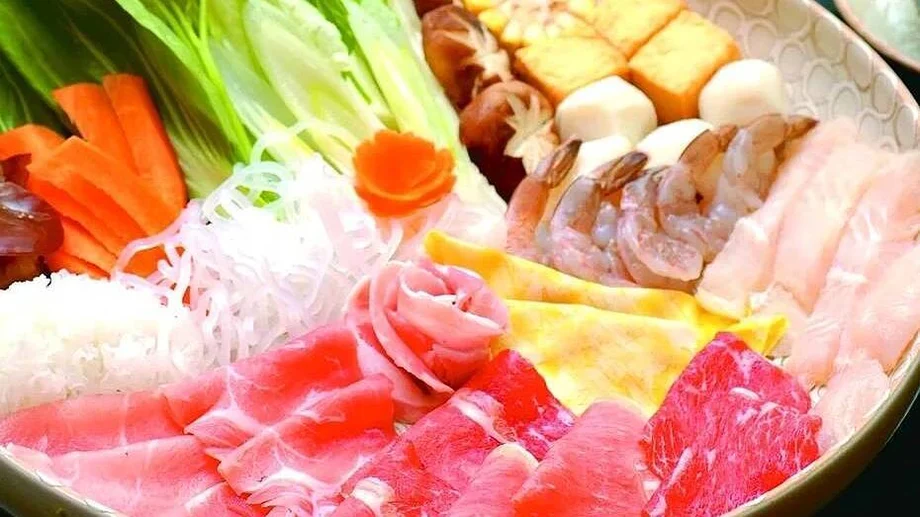
On cold days, a steaming hot pot, a bowl of soup or a fresh cup of tea can feel like comfort. Dr Huang Shih-wei, director general of the central branch of Show Chwan Medical System in Taiwan, warns that the habit of lifting food straight from boiling broth, blowing on it once and eating it right away can injure the esophagus again and again. The esophagus is the tube that carries food from the mouth to the stomach. Its inner lining is soft, and repeated heat injury can keep it in a cycle of damage and repair.
Contents
- Why the First Bite From a Hot Pot Matters
- What Counts as Very Hot?
- How Heat Injures the Food Pipe
- Which Cancer Type Is Linked to Heat?
- What Do Large Studies Show?
- Why Tobacco, Alcohol and Betel Nut Matter
- What About Soup Broth, Salt and Teeth?
- How the Warning Developed
- What Doctors Say to Change at Meals
- Which Symptoms Need a Doctor?
- Key Points
Huang said food and drinks above 65°C have been listed by the International Agency for Research on Cancer as probable causes of cancer in humans. Hot pot ingredients often hold heat inside. A tofu cube, a fish ball, a seafood piece or a thick slice of meat may feel cool on the surface after a quick puff of air while the centre remains scalding. The first bite can release that heat into the mouth and send it down the food pipe, where it touches the lining.
The concern is not a single sip or one careful bite. It is a pattern that repeats for years: burn, inflammation, repair, then another burn. Over time, cells that divide often have more chances to copy mistakes in their DNA. Some of those mistakes can affect genes that normally hold cell growth in check. Huang and other doctors describe this as a route by which chronic heat injury can help abnormal cells develop.
What Counts as Very Hot?
On 15 June 2016, a working group of 23 scientists convened by the International Agency for Research on Cancer, the cancer agency of the World Health Organization, evaluated coffee, maté and very hot beverages. The IARC Monographs evaluation was published as a summary in The Lancet Oncology, with detailed assessments planned for Volume 116 of the IARC Monographs. Very hot meant any drink served above 65°C, or 149°F.
IARC made three main classifications. Drinking very hot beverages went into Group 2A, meaning probably carcinogenic to humans. Coffee drinking went into Group 3, meaning it could not be classified as a cancer hazard after a review of more than 1000 studies. Maté served warm or cold also went into Group 3. The review changed the earlier 1991 classification of coffee from Group 2B, possibly carcinogenic, to Group 3.
The Group 2A decision drew on studies in China, the Islamic Republic of Iran, Turkey and South America, where tea or maté has often been drunk at about 70°C. In those settings, esophageal cancer risk rose as serving temperature rose. Animal experiments added limited evidence for cancer hazards from very hot water.
Dr Christopher Wild, director of IARC, said the evaluation was about temperature rather than the drink itself. He pointed to the heat as the part that appeared to explain the cancer signal.
These results suggest that drinking very hot beverages is one probable cause of oesophageal cancer and that it is the temperature, rather than the drinks themselves, that appears to be responsible.
The word probable matters. IARC classifications describe cancer hazards based on current knowledge, not the exact risk for one person. A Group 2A label tells people that evidence is strong enough for concern and for prevention advice, while the share of esophageal cancers linked to very hot drinks remains unknown.
How Heat Injures the Food Pipe
The esophagus is a muscular tube lined by squamous cells, which are flat cells that form a protective surface. Huang said this lining is delicate and tolerates temperatures below about 50°C. A drink above 65°C is well beyond that level. When hot liquid or food touches the lining, the surface can burn, peel and become inflamed.
The body responds by making new cells to replace the damaged ones. That repair is useful after an injury. Trouble begins when the injury returns frequently, because the lining stays in a loop of inflammation and regrowth. In simple terms, cells are being asked to copy themselves again and again in an irritated place.
Blowing on food helps only at the surface. The middle of a dense hot pot ingredient can stay much hotter than the outside. Huang said many burns happen at the bite that follows a few quick puffs, when the person believes the food is cool enough. Scalding soup and tea can be even more direct, because liquid spreads over the lining as it is swallowed.
Which Cancer Type Is Linked to Heat?
A risk factor guide from the American Cancer Society separates the two main types of esophageal cancer. Squamous cell carcinoma starts in the flat cells lining most of the esophagus. Adenocarcinoma starts in gland cells, often in the lower part near the stomach. Very hot liquids are linked mainly with squamous cell esophageal cancer, while acid reflux and Barrett's esophagus are more closely tied to adenocarcinoma.
Barrett's esophagus develops when stomach acid repeatedly washes upward into the lower esophagus. The normal squamous lining changes into cells that look more like stomach or intestinal cells and resist acid better. Those cells can become more abnormal over time. Doctors call this dysplasia and grade it as low grade when cells still look somewhat normal and high grade when they look much more abnormal.
The guide lists other risk factors that help explain why esophageal cancer is not a single story. About 9 in 10 cases are found in people aged 55 or older. Men are more likely than women to develop the disease. Tobacco, alcohol, excess body weight, achalasia, Plummer-Vinson syndrome, strictures after lye burns and some inherited syndromes all raise risk. Those syndromes include Tylosis with esophageal cancer, Bloom syndrome, Fanconi anemia and familial Barrett's esophagus.
HPV also appears in some tumors. Signs of HPV infection have been found in up to 1 in 3 esophageal cancers in parts of Asia and South Africa. In the United States, evidence has not shown the same link. Heat is one route among several, and it can combine with other exposures.
What Do Large Studies Show?
A UK Biobank analysis followed 454,796 adults for about 12 years and identified 242 squamous cell cancers and 710 adenocarcinomas of the esophagus. Participants reported whether they preferred drinks warm, hot or very hot. Compared with warm drinks, very hot drinks were linked to about 2.5 times the risk of squamous cell cancer at up to four cups a day and about 5.6 times the risk at more than eight cups a day. Drink temperature showed no clear link with adenocarcinoma in that analysis.
A larger study led by University of Oxford researcher Keren Papier examined 977,282 adults in the UK Biobank and the Million Women Study. Published on 8 September in the International Journal of Cancer, it identified 2348 esophageal cancers, including 1045 squamous cell cancers and 1303 adenocarcinomas. On average, researchers followed participants for 11.1 years in the UK Biobank and 14.2 years in the Million Women Study.
The Papier study found that people who preferred very hot drinks had 3.17 times the relative risk of squamous cell cancer compared with people who preferred warm drinks. A hot preference was linked to a 69% higher relative risk than a warm preference. After adjusting for temperature, people who had six or more hot drinks a day had a 71% higher relative risk than those who had fewer than six. The pattern was similar for coffee and tea, which points to heat as the common factor. Relative risk compares one group with another, while a person's own chance depends on many things.
Earlier work in the Golestan region of Iran measured tea temperature and found higher future risk of squamous cell cancer among people who drank very hot tea. Animal experiments added support by showing limited evidence for cancer hazards from very hot water and by linking repeated 70°C exposure to abnormal changes in mouse esophagus. These studies were observational, meaning they watched habits and health over time rather than assigning people a temperature to test. Many temperature habits were reported by participants at one point in time. Researchers adjusted for smoking and alcohol, and the results show patterns of higher risk in groups of people.
Why Tobacco, Alcohol and Betel Nut Matter
Huang said scalding food plus smoking, drinking alcohol and chewing betel nut creates a particularly dangerous combination for the esophagus. Heat can strip away the mucus layer that protects the lining and loosen the bonds between surface cells. Once that barrier is weaker, harmful chemicals can reach deeper layers more easily. Smoke brings nitrosamines, alcohol is converted into acetaldehyde, and betel nut contains alkaloids that can irritate and damage tissue.
Dr Wild also said smoking and alcohol are major causes of esophageal cancer in many countries with high incomes. He noted that many esophageal cancers occur in Asia, South America and East Africa, where regularly drinking very hot beverages is common and the reasons for high rates are less well understood. For readers, the practical point is that heat is one exposure sitting beside other established risks.
The American Cancer Society guide states that tobacco products, including cigarettes, cigars, pipes and chewing tobacco, are major risk factors. The more a person uses tobacco and the longer it is used, the higher the risk. Drinking alcohol also raises risk, and using tobacco with alcohol raises it much more than either one alone. Risk factors change odds across a group; they are not a prediction for one individual.
What About Soup Broth, Salt and Teeth?
Hot broth has a second concern besides temperature. Soup dishes can contain high levels of sodium from salt, soy sauce and doenjang. When people drink the broth alone and leave vegetables, tofu or meat behind, they take in much of that salt. Too much sodium can irritate the stomach lining and has been linked with chronic gastritis and stomach cancer. It can also raise blood pressure, increasing the risk of stroke, osteoporosis, edema and weight gain.
Research published in Circulation Research found that a diet high in salt can stimulate immune cells, trigger inflammation and contribute to autoimmune disease and cardiovascular problems. The message for broth is simple: enjoy the flavor, but treat the liquid as the saltiest part of the dish.
The temperature advice is similar. Swallowing boiling broth right away can repeat the same thermal injury that hot drinks cause. Huang advised waiting until food and drinks are warm, below about 50°C. Advice for broth has also suggested cooling to 55°C to 65°C or below. Both approaches aim to keep soup enjoyable without scalding the esophagus. Rinsing with cold water right after very hot broth can cause tiny cracks on the surface of teeth and worsen sensitivity, so lukewarm water is the better choice.
The appeal of quick broth is easy to see. Actress Kim Jung Nan, 55, showed a product that steeps like a small pouch to make doenjang soup, fish cake soup and ramen broth at home. Convenience can fit into a safer routine when the broth is cooled, seasoned with less salt and eaten with some solid ingredients instead of drained cup by cup.
How the Warning Developed
The science behind the warning has built up over several dates.
- 1991: IARC placed coffee drinking in Group 2B, meaning possibly carcinogenic to humans.
- 15 June 2016: A working group of 23 scientists evaluated coffee, maté and very hot beverages. Very hot beverages went into Group 2A, while coffee and maté at temperatures that are not scalding went into Group 3.
- 13 June 2018: IARC announced that IARC Monographs volume 116, titled Drinking Coffee, Mate and Very Hot Beverages, was available online. It contained two monographs, one on coffee and one on maté and very hot beverages.
- 2012: The evaluation cited about 400,000 deaths from esophageal cancer, or 5% of all cancer deaths, and described it as the eighth most common cancer worldwide.
- 8 September: The study of 977,282 adults in the United Kingdom reported higher squamous cell cancer risk with hotter drink preferences.
The World Health Organization had already advised people, in Technical Report Series 916, not to consume drinks at a scalding hot temperature. The 2016 evaluation lined up with that advice and gave a clearer name to the hazard.
What Doctors Say to Change at Meals
Huang advised people in cold weather to stop eating in a hurry. Food and drink should be ladled into shallow bowls or plates and left until the temperature falls to a comfortable warmth, which he put below about 50°C. Ingredients should not go from boiling broth straight into the mouth. Tea and soup should be given time to cool as well.
Dr Arun Ramanan V, a consultant in medical oncology at Gleneagles Hospital in Chennai, explained why repeated heat matters. He described the esophagus as a muscular tube with a protective inner lining and said repeated exposure can keep the lining in cycles of injury and repair.
The esophagus is a muscular tube that transports food and liquids from the mouth to the stomach. On the inside, it is lined with a protective layer of cells called the mucosal lining. Drinking very hot liquids over and over again can damage this delicate lining due to the heat. The body will naturally repair the damaged cells, but repeated exposure can cause ongoing cycles of injury, inflammation and repair.
He also advised people not to drink tea or coffee immediately after it is made. Let the drink cool until it feels comfortable, avoid anything that scalds the mouth or throat, and skip the habit of gulping many cups when they are piping hot. A splash of milk or water can lower the temperature if a person wants it. Coffee and tea can stay in the menu; the temperature is the part to change.
Which Symptoms Need a Doctor?
Early esophageal cancer often has no clear symptoms. Huang said many patients seek care only when they feel food sticking, swallowing becomes difficult or pain appears behind the breastbone. At that point, the tumor may already have grown locally or invaded deeper tissue. People who love scalding food and already notice food getting stuck should seek medical assessment.
Dr Arun listed warning signs that deserve prompt checking. They include difficulty swallowing that starts with solid foods and later reaches liquids, unexplained weight loss, persistent pain behind the breastbone, repeated vomiting and blood in the vomit. A doctor may suggest an upper gastrointestinal endoscopy, a test that uses a thin camera tube to look inside the food pipe. If needed, a small piece of tissue can be taken for a biopsy.
Huang also urged regular esophageal endoscopy for people with many years of very hot food habits plus alcohol or tobacco use. Checkups matter because risk builds quietly. The symptoms can come from many conditions, so medical testing is the way to find out what is happening.
Key Points
- Food and drinks above 65°C are classified by IARC as probably carcinogenic to humans.
- Repeated heat injury can keep the esophageal lining in a cycle of damage, inflammation and repair.
- Squamous cell esophageal cancer shows the clearest link with very hot drinks; no clear link was seen with adenocarcinoma in large UK studies.
- A UK Biobank analysis of 454,796 adults and a larger study of 977,282 adults both found higher squamous cell cancer risk with hotter drink preferences.
- Smoking, alcohol and betel nut can combine with heat to raise damage to the esophagus.
- Hot broth adds a sodium problem, especially when the liquid is drunk without solid ingredients.
- Let food and drinks cool, avoid blowing once and biting into a hot centre, and seek care for swallowing problems or unexplained weight loss.