Early Care Brings Blood Sugar Back Into Range
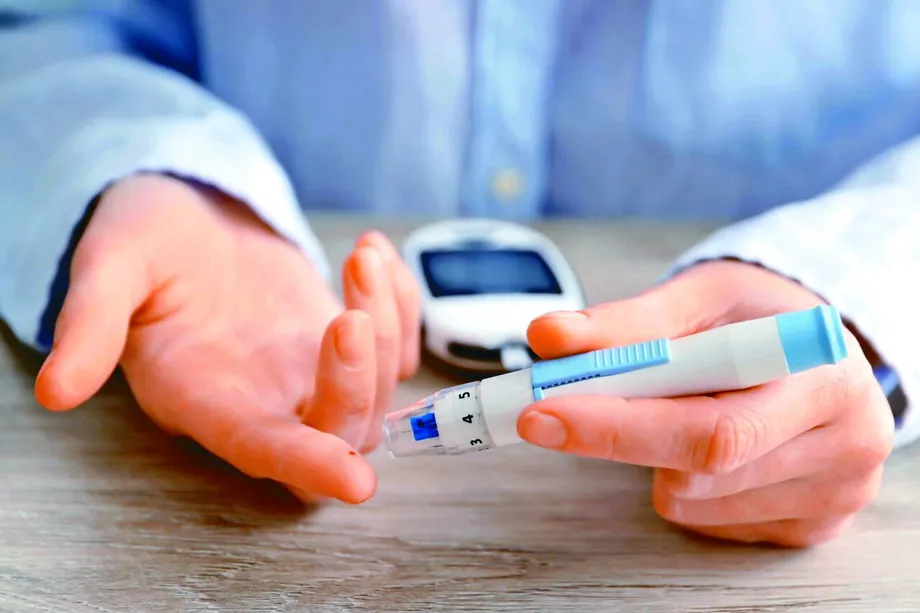
Taiwan's National Nutrition and Health Survey for 2020 to 2024 found that 13.1% of adults aged 20 and older had diabetes, roughly one in eight people. Alongside that finding, the Health Promotion Administration has announced encouraging results from a prevention program: about 22,000 people with prediabetes saw a key blood sugar measure return to the normal range after continued health management.
Contents
- Early Care Brings Blood Sugar Back Into Range
- What the Two Sets of Numbers Mean
- Why Feeling Well Can Delay Action
- Five Actions That Connect Screening With Care
- What the Food Advice Looks Like
- Movement Throughout the Week
- Blood Sugar Is Part of a Wider Health Picture
- November Events Put Early Action in Focus
- Key Points
The agency presented the figures on November 3, 2026, ahead of World Diabetes Day. Its Metabolic Syndrome Prevention Program has managed about 670,000 people, including approximately 160,000 who met the criteria for prediabetes. After at least three follow-up visits, about 14% of that group had glycated hemoglobin readings within the normal range.
Prediabetes means blood sugar is higher than normal but has not reached the level used to diagnose diabetes. It often has no obvious symptoms, making a routine health check an important opportunity to identify a problem before someone feels unwell.
Health Promotion Administration Director-General Shen Ching-fen said early detection and action can change a person's health outlook. Her message was that progression from prediabetes to diabetes is not inevitable.
The agency is asking people to focus on five actions: regular health checks, attention to blood sugar changes, balanced meals, regular physical activity and management of metabolic health. For people already told that their blood sugar is high, those actions include returning for the checks recommended by a medical professional.
What the Two Sets of Numbers Mean
The national survey and the prevention program describe different groups. The survey's 13.1% figure concerns diabetes among Taiwan's adult population. The program's 14% figure concerns improvement among participants who met the criteria for prediabetes and received continued management.
About 160,000 of the program's 670,000 participants had prediabetes. Using those rounded figures, that is approximately 24%, or close to one in four participants. The program therefore reaches a broader group with metabolic health concerns, with prediabetes forming a substantial part of its work.
Glycated hemoglobin, often called HbA1c, is a blood test that reflects average blood sugar over roughly the previous two to three months. Sugar attaches to hemoglobin, the protein in red blood cells that carries oxygen. Measuring the proportion with sugar attached helps clinicians see a longer pattern than a single blood sugar reading provides.
The agency said about 22,000 participants returned to the normal HbA1c range after at least three follow-up visits. It did not give the time between those visits or say how long the improved readings were maintained. Continued monitoring remains part of its advice, including after a reading improves.
Why Feeling Well Can Delay Action
People with prediabetes may go about their daily lives without noticing anything unusual. The agency warned that an absence of symptoms can lead people to overlook an abnormal result from a health check and postpone further care.
Chou Yen-yu, head of the agency's chronic disease prevention division, described prediabetes as an important opportunity to improve health. She said changes to food choices, physical activity and weight management, combined with continued medical follow-up, can help lower the risk of developing diabetes.
Shen, the agency's director-general, made the central point in direct terms:
Prediabetes does not mean that it will necessarily progress to diabetes. What matters is detecting it early and taking action.
The practical consequence is straightforward: a person whose screening result shows raised blood sugar should discuss the next steps with a medical professional. Waiting for symptoms can mean missing a period when changes in daily habits and regular health management may improve blood sugar.
Five Actions That Connect Screening With Care
The Health Promotion Administration's five actions bring together finding a problem, following it over time and changing daily routines. Regular health checks are the starting point, while repeated monitoring helps people and their clinicians understand what happens afterward.
- Use adult preventive health services to check blood sugar, blood pressure and blood lipids.
- Follow medical advice on repeat blood sugar testing when a result is abnormal or prediabetes has been identified.
- Choose balanced meals with more fiber and less oil, salt and sugar.
- Build physical activity into daily life and include strength training each week.
- Track metabolic health, including waist circumference, blood pressure and blood lipids, alongside blood sugar.
The agency advises people with abnormal results to seek further assessment and management according to medical advice. A screening appointment can identify the need for care; subsequent appointments allow clinicians to review changes and decide what should happen next.
Participants in the prevention program received at least three follow-up visits before the improvement figures were recorded. That repeated contact is a central part of the announcement: the reported progress came during continued management, with attention to both daily habits and health measurements.
What the Food Advice Looks Like
Whole grains, vegetables and moderate amounts of fruit are among the foods the agency recommends. Its advice focuses on a balanced eating pattern with more fiber, while reducing sugary drinks, refined sugar and foods high in fat or salt.
Fiber is the part of plant foods that the body does not fully digest. Foods containing it can help make meals more filling, and some types slow the absorption of sugar. Choosing whole grains rather than relying heavily on refined grains is one way to put that advice into practice.
Fruit remains part of the agency's recommendations, with attention to quantity. The message is to eat it in moderation within balanced meals. Sugary drinks and refined sugar are among the items people are encouraged to reduce.
Weight management also features in the advice from Shen and Chou. For someone with prediabetes, food choices, activity and weight can be discussed together during follow-up appointments, allowing the plan to reflect that person's health and medical needs.
Movement Throughout the Week
Adults should accumulate at least 150 minutes of physical activity at moderate intensity each week, according to the agency. They should also do strength training on at least two days a week.
One way to divide the activity target is 30 minutes on five days, which adds up to 150 minutes. Moderate intensity generally means breathing faster while still being able to talk. The agency encourages people to build movement into ordinary routines through walking after meals, taking stairs or walking as part of their commute.
Strength training works the muscles against resistance. It serves a different purpose from simply accumulating walking time, which is why the agency lists it alongside the weekly activity target. People with health conditions should use medical advice to guide the activities suitable for them.
The examples give people several places to begin. A walk after dinner or a journey made partly on foot can become a regular part of the week. The agency's focus is on making activity a repeated habit alongside dietary changes and continued checks.
Blood Sugar Is Part of a Wider Health Picture
Waist circumference, blood pressure and blood lipids are also priorities in the agency's advice. Blood lipids are fats circulating in the blood, including cholesterol and triglycerides. Together with blood sugar, these measurements help clinicians assess metabolic health, meaning how the body processes and uses energy.
Metabolic syndrome is a cluster of related health risks that can include raised blood sugar, high blood pressure, excess fat around the waist and abnormal blood lipids. Someone can therefore need attention to several measurements at the same time.
Shen urged people with prediabetes or metabolic syndrome to follow medical recommendations and continue monitoring. In practical terms, a follow-up visit may involve reviewing blood pressure or waist measurements as well as discussing a blood sugar result.
The program's reach of about 670,000 people gives the announcement a wider public health dimension. Its work brings several related risks into the same management process, while the results among 160,000 participants with prediabetes show why blood sugar monitoring is a major part of that effort.
November Events Put Early Action in Focus
The figures were released ahead of a public event at the Southern Branch of the National Palace Museum in Chiayi. The Health Promotion Administration is working with the Taiwanese Association of Diabetes Educators, other professional organizations and the Chiayi County Health Bureau on health education activities and an illumination ceremony.
The November calendar connects the announcement with an international campaign encouraging people to identify diabetes risks and act early:
- November 3, 2026: The agency announced the national diabetes prevalence figure and results from its prevention program.
- November 7, 2026: A World Diabetes Day fair and illumination ceremony are scheduled at the museum's southern branch.
- November 14, 2026: World Diabetes Day takes place, with the International Diabetes Federation promoting Early Action on Diabetes.
The local event will use health education and interactive activities to help people recognize their own risks. The agency's wider request is for that awareness to lead to health checks, appropriate follow-up and sustained changes in everyday life.
Key Points
- Taiwan's 2020 to 2024 national nutrition and health survey found diabetes in 13.1% of adults aged 20 and older.
- The Metabolic Syndrome Prevention Program has managed about 670,000 people, including around 160,000 with prediabetes.
- About 22,000 participants with prediabetes, or 14%, reached a normal HbA1c range after at least three follow-up visits.
- Prediabetes often has no obvious symptoms, making regular checks and continued monitoring important.
- The agency recommends balanced meals, at least 150 minutes of moderate physical activity weekly, and strength training on at least two days.
- A public awareness event is scheduled for November 7 in Chiayi, ahead of World Diabetes Day on November 14.