A fall, years of suffering and a constitutional challenge
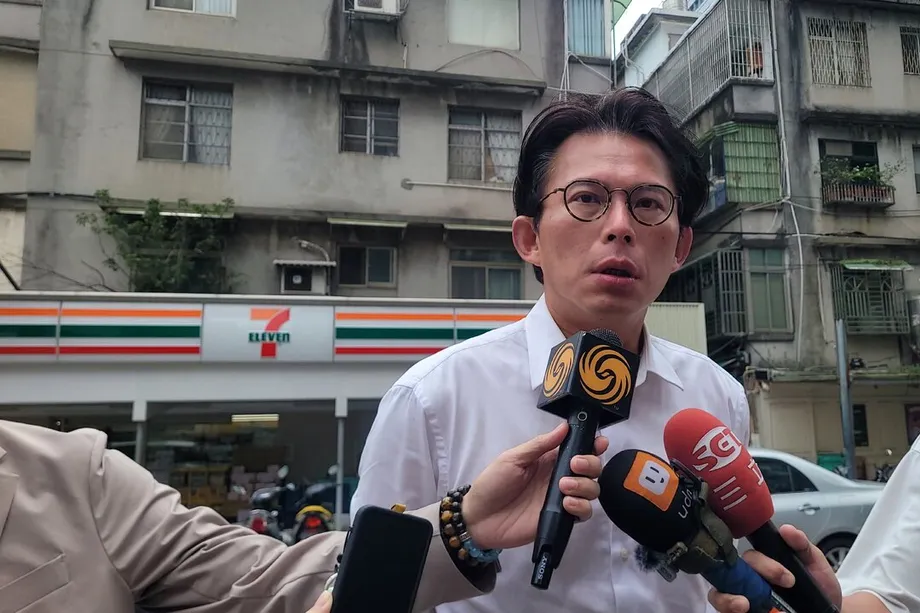
A retired factory worker from Hsinchu who became almost completely paralysed after a fall has asked Taiwan's Constitutional Court to consider whether he should be allowed to receive medical help to end his life. His lawyer, Chi Yueh-liang, filed the application on October 27, 2026, after the Supreme Court rejected the man's final appeal in June.
Contents
- A fall, years of suffering and a constitutional challenge
- How Chung's life changed after retirement
- The route from Hsinchu to the Constitutional Court
- Why existing end of life laws are central
- The three conditions proposed by his lawyer
- The experiences behind Chi's campaign
- Personal choice and pressure for legislation
- Key Points
The applicant, a man in his 60s identified by his surname, Chung, wants legal permission for euthanasia and protection from criminal prosecution for the medical professionals who would assist him. Chi describes the application as Taiwan's first constitutional lawsuit seeking to legalise euthanasia.
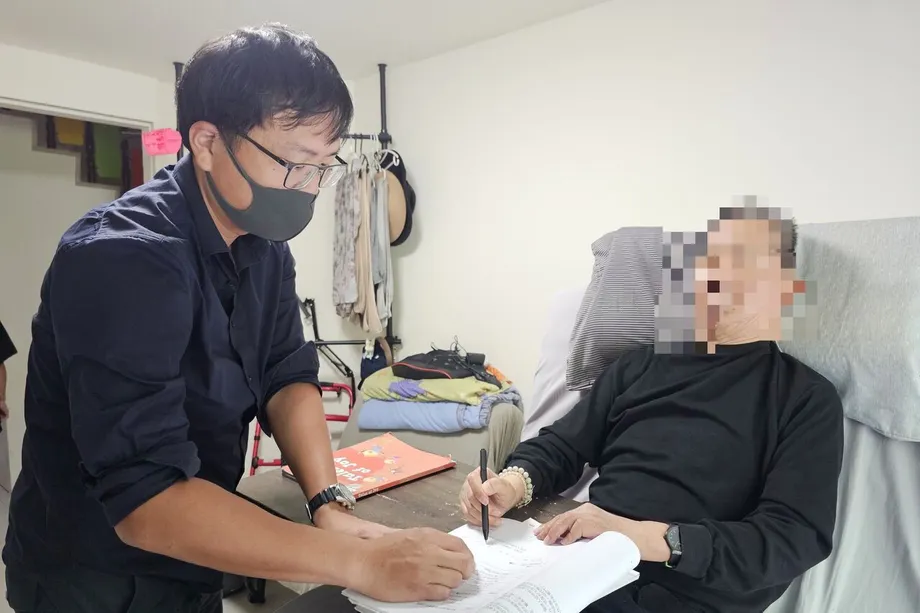
Chung's injuries affect the third through seventh vertebrae in his neck. According to his application, he experiences stiffness, numbness and severe discomfort below his neck, continuing nerve deterioration, incontinence and a loss of the ability to manage basic daily activities. He depends on other people for care.
The case brings a concrete demand before the court: whether personal control over life should include access to a medically assisted death when a person experiences suffering they consider unbearable. Chi is challenging both the court decisions rejecting Chung's request and the legal restrictions that prevent medical staff from carrying it out.
The application follows an unsuccessful attempt to obtain permission through the ordinary courts. Chung is now seeking constitutional review, a process through which the Constitutional Court can examine whether laws or judicial decisions conflict with rights protected by the constitution.
How Chung's life changed after retirement
Chung had worked in a factory before retiring several years ago. A subsequent fall while walking injured his neck and changed his daily life. His application describes an abdomen that feels as though it is tightly bound with rope, alongside limbs that have become almost entirely paralysed.
Chung described his condition in the application with the words:
Like a living dead person.
His account also compares his experience to confinement in a cage. Those descriptions express his own experience of injury, dependence and suffering, which forms the basis of his request for legal relief.
Chung wanted to make his wishes known while he could still express them clearly. With support from his family, including help from his daughter, he studied legal texts and other legal materials and pursued a court application. Family members helped prepare the written documents.
His request places his own wishes at the centre of the dispute. He is asking for a lawful medical option that he can choose, while also asking the state to remove the threat of criminal punishment for those who help him.
The route from Hsinchu to the Constitutional Court
Chung first applied to the Hsinchu District Court in 2025 for permission to exercise what he argued was his right to an assisted death. He also sought exemption from criminal liability for participating medical personnel. His request failed at the first and second court levels.
The Supreme Court rejected his further appeal in June 2026, bringing that route through the ordinary courts to an end. Chung then turned to Chi, a lawyer practising in Hualien who also chairs an association promoting personal autonomy over life in Taiwan.
The main steps in the legal effort are:
- 2025: Chung applied to the Hsinchu District Court for permission to receive euthanasia and protection for medical staff assisting him.
- After the initial rejection: He continued his challenge through a further court proceeding, which also failed.
- June 2026: The Supreme Court rejected his appeal, making the rejection final.
- October 27, 2026: Chi submitted an application for constitutional review of the judgments and relevant legal provisions.
The constitutional application moves the dispute from a request for individual permission to a challenge concerning the legal framework itself. Chi argues that the restrictions interfere with a basic right to make decisions about one's own life and with human dignity.
Why existing end of life laws are central
Chi's argument focuses partly on the difference between declining medical treatment and obtaining medical assistance intended to bring about death. Taiwan's Patient Right to Autonomy Act and Hospice Palliative Care Act provide a framework for certain decisions about life sustaining treatment and care near the end of life.
Withdrawing or withholding life sustaining treatment allows a patient to decline measures that keep them alive. Palliative care aims to relieve pain and other distress. Euthanasia, as sought in this application, involves medical professionals providing measures intended to end a patient's life at that patient's voluntary request.
Chi says the Ministry of Health and Welfare has relied on the two existing laws as safeguards for dignity in dying. He argues that those arrangements leave people such as Chung without the option they seek, particularly when their suffering continues despite care.
He also challenges Article 275 of Taiwan's Criminal Code, which addresses conduct including helping another person die by suicide. The threat of prosecution under that provision is central to Chung's request for protection for the medical workers who would assist him.
For Chung, the practical issue is whether a medical professional could lawfully respond to his request. For the court, the application asks whether the current restrictions are compatible with the constitutional rights claimed by a person who can make decisions and is experiencing severe, persistent suffering.
The three conditions proposed by his lawyer
Chi sets out three conditions for the euthanasia option sought in the application. They concern medical assessment, the patient's own choice and the involvement of medical professionals.
- A physician would assess that the patient has an incurable condition and is experiencing unbearable suffering.
- The decision would reflect the patient's voluntary wishes.
- Medical professionals would provide the measures to carry out euthanasia.
The proposal therefore places both a medical judgment and an individual decision at the centre of eligibility. A physician would assess the illness and suffering, while the patient would decide whether to request the procedure.
Chi wants access to a death that is dignified and free from suffering to be recognised as a genuine legal option. He also urges lawmakers to put personal autonomy at the centre of any legislation, arguing against a framework so restrictive that people seeking assistance could rarely use it.
The three conditions describe the lawyer's requested approach. A detailed system would also need decisions about how requests are assessed and administered. No hearing date, decision date or determination on whether the Constitutional Court will hear the case was announced in the accounts of the filing.
The experiences behind Chi's campaign
Chi, who is also a psychologist, says his advocacy grew out of watching members of his family die from illness. His father died three months after being diagnosed with advanced liver cancer. Chi recalls that morphine failed to relieve his father's pain.
Chi says his father, suffering from the cancer, asked him:
When can I die?
That experience helped lead Chi to begin campaigning for legal access to euthanasia nine years ago. His work has included public advocacy through the association he chairs and, more recently, accompanying a Taiwanese man to Switzerland for an assisted death.
The man, identified by his surname, Ho, was in his 40s and had Charcot-Marie-Tooth disease, or CMT. This is an inherited condition affecting peripheral nerves, the nerves connecting the brain and spinal cord with muscles and the rest of the body. It can cause progressive muscle weakness, wasting and loss of sensation.
Ho had developed symptoms during adolescence and lived for years with declining movement. According to Chi, he eventually moved by crawling with difficulty and feared losing the ability to move further. He decided to travel to Switzerland in June 2026 rather than wait for Taiwan to change its laws.
Chi met Ho in Switzerland and shared lunch with him the day before his death. He described Ho as calm and certain of his decision. In Chi's account, Ho activated the procedure himself by pressing a button, a form of assisted suicide in which the person takes the final action.
Ho asked the association to keep working for legal change in Taiwan, Chi said. The experience gave Chi another personal reason to pursue the campaign, alongside Chung's constitutional application.
Personal choice and pressure for legislation
Chung's case concerns a person making an explicit request about his own life. Chi also connects his campaign to killings in Taiwan involving families under the strain of prolonged caregiving, arguing that the suffering behind such cases makes legal reform urgent.
The conditions he proposes would require the patient's voluntary choice and a medical assessment. In any legislative debate, those requirements would govern how an individual request is considered, alongside questions about the care available to patients and the responsibilities of those providing it.
Chi has pointed to the Netherlands' long experience with euthanasia and discussions in Belgium and elsewhere about requests from older people who feel their lives are complete. Those broader positions are part of his advocacy; Chung's application centres on incurable illness, unbearable suffering and a voluntary request for medical assistance.
Two avenues now define the campaign. Chung is seeking constitutional relief after losing in the ordinary courts, while Chi is also urging legislators to create a usable legal framework. The immediate development is the filing of the constitutional application, with the court's response still to come.
For Chung, the requested change is specific: permission to choose a medically assisted death without exposing the people helping him to criminal prosecution. His case asks Taiwan to address that request through constitutional rights as well as the existing rules governing medical care and criminal responsibility.
Key Points
- A retired Hsinchu factory worker identified as Chung is seeking legal access to euthanasia after a neck injury left him almost completely paralysed.
- The Supreme Court rejected his appeal in June 2026. Lawyer Chi Yueh-liang filed a constitutional review application on October 27.
- The challenge concerns earlier court decisions and legal restrictions, including Article 275 of the Criminal Code.
- Chi proposes three conditions: medically assessed unbearable suffering and incurable illness, a voluntary request, and assistance from medical professionals.
- Chi describes the filing as Taiwan's first constitutional lawsuit seeking to legalise euthanasia.
- No hearing or decision date was announced in the accounts of the filing.