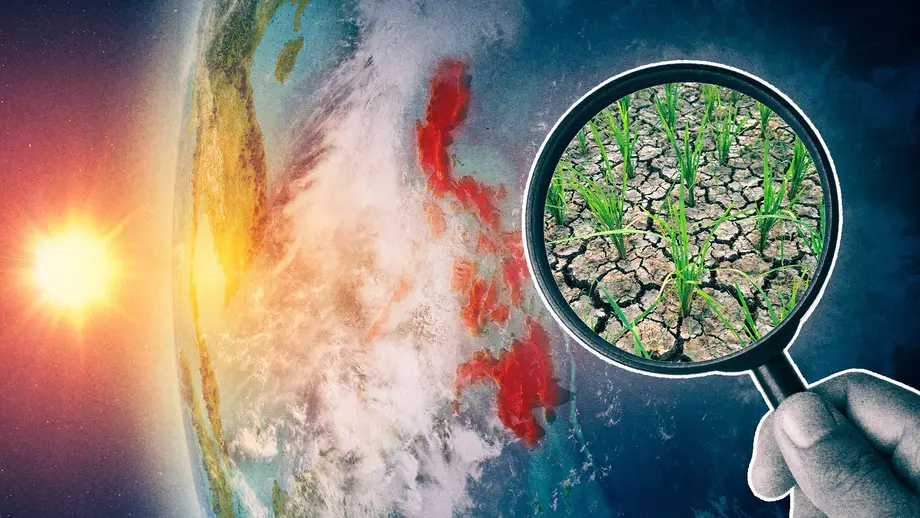
A familiar threat arrives with an early warning
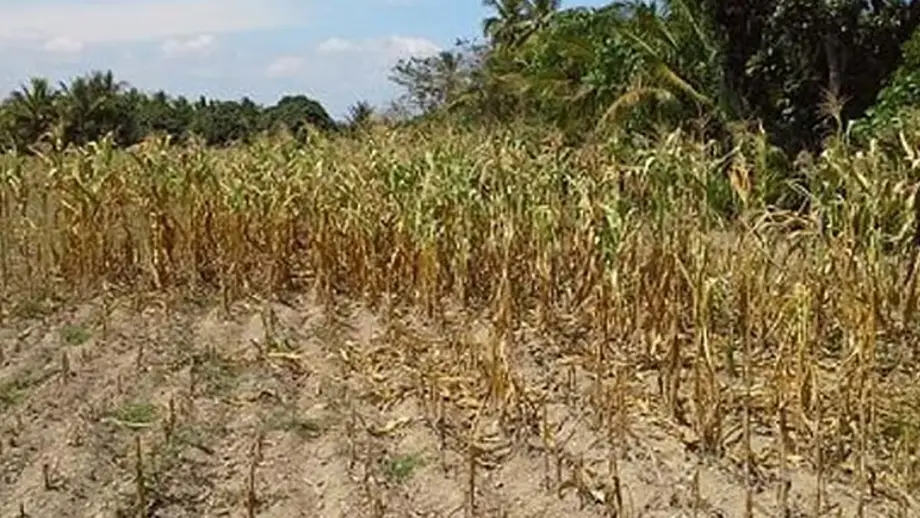
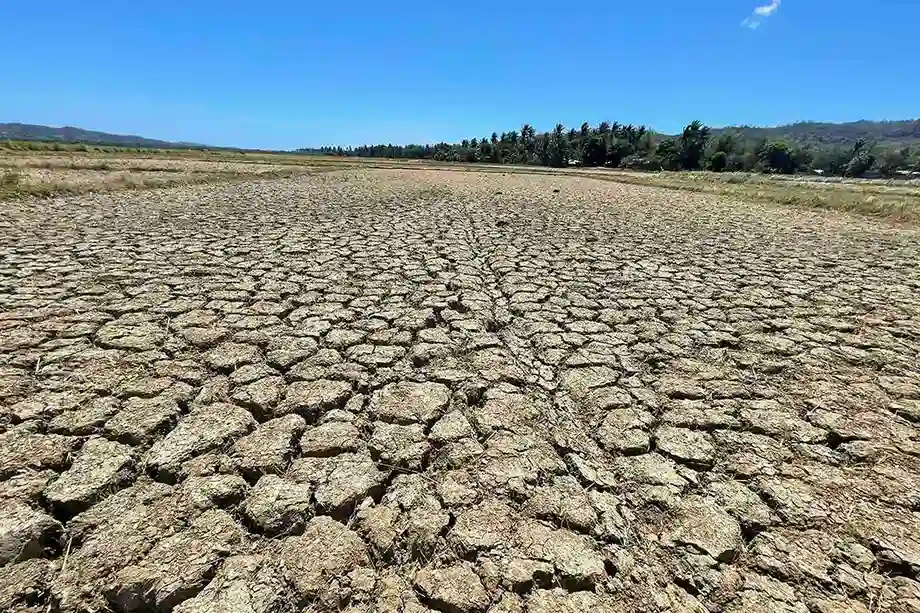
A very strong El Niño is expected to start causing drought in the Philippines by the end of November and to keep dry conditions going until March 2027. The Philippine Atmospheric, Geophysical and Astronomical Services Administration has warned of two linked dangers: long dry spells that can cut farm output, drinking water and hydropower, and brief periods of heavy rain that can still hit western parts of the country.
Contents
- A familiar threat arrives with an early warning
- How scientists decide that El Niño is very strong
- What the 1982 to 1983 event taught farmers and water managers
- How 1997 to 1998 combined drought with a financial crisis
- What 2015 to 2016 did to crops, dams and public order
- Why 2023 to 2024 matters as the latest baseline
- How the 2026 warning developed
- Which areas are already under calamity declarations
- What a state of calamity allows officials to do
- How the government is trying to protect the harvest
- What United States aid adds to the response
- What families and local governments should prepare for now
- Key Points
The Philippines has seen this pattern before. The United Nations has described the country as having strong sensitivity to El Niño because past events struck farms, water systems and health at the same time. The current event may peak around the end of 2026 and persist until June 2027, according to PAGASA statements cited in recent forecasts. PAGASA puts the chance of a very strong event at 81 percent between October 2026 and January 2027. One model puts the chance of it becoming the strongest on record at 69 percent.
Past events show where pressure builds first: rice fields, reservoirs, fish catches, household budgets and clinics. The 2026 outlook is different because scientists saw the event forming early. PAGASA first flagged weak conditions in mid 2026, and forecasters now expect Western Visayas to be on alert for dry spells. The main worry is a sequence in which dry fields, low dams, higher food prices and heat stress arrive together. Estimated direct and indirect costs from the current event are put at P286.8 billion, while parts of the Pacific have already warmed more than 3 degrees Celsius above normal this year.
How scientists decide that El Niño is very strong
El Niño is a natural warming of the central and eastern equatorial Pacific Ocean. That warm water changes winds and rain patterns far from the ocean. In the Philippines, it usually means hotter days and less rain. La Niña is the opposite phase, with cooler than normal water in the same region.
The University of Miami's Relative Oceanic Niño Index is now the standard measure for the El Niño Southern Oscillation. It replaced the Oceanic Niño Index in February 2026. The index measures how warm the central and eastern equatorial Pacific is compared with the global tropics, using a sea surface temperature anomaly averaged over three months. Values at or above 0.5°C mean El Niño, values at or below minus 0.5°C mean La Niña, and values between them mean a neutral phase.
The page lists monthly and seasonal values back to 1850, with greater uncertainty before 1940 and NOAA seasonal values from 1950. It cites the 2024 method by L'Heureux and colleagues and the ERSSTv6 dataset described by Huang and colleagues in 2025. In the historical comparison, a very strong event means a Relative Oceanic Niño Index reading of 2.0°C or higher for five overlapping periods of three months. On that basis, the World Meteorological Organization identifies 1982 to 1983, 1997 to 1998 and 2015 to 2016 as the earlier very strong events.
What the 1982 to 1983 event taught farmers and water managers
The 1982 to 1983 event was the largest El Niño in a century, according to the United Nations Department of Humanitarian Affairs. It reached a peak Relative Oceanic Niño Index value of 2.4°C in the November 2026 data set. Drought appeared on almost every continent, while the Pacific saw floods and cyclones. The Woods Hole Oceanographic Institution attributes 1,300 to 2,000 deaths and more than $13 billion in damage to homes, property and livelihoods to that event.
Scientists did not predict the event at the time, and few meteorologists and oceanographers had even heard of El Niño. In the Philippines, drought covered 19 percent of the country for more than nine months, according to a 2000 report by the United Nations University. The Visayas and Mindanao saw rice and corn crop failures. Floods from monsoon rains and tropical cyclones damaged rice and corn in the Ilocos Region, Cagayan Valley, Central Luzon, the Bicol provinces, Western Samar and Northern Leyte.
Coconut and sugarcane output also suffered. Reservoirs were nearly empty, cutting hydropower and irrigation water. The Philippine Institute for Development Studies later put total losses at $450 million. Its numbers and a 2019 World Bank Group review list 640,000 metric tons of rice and corn lost, P38 million in insurance claims, P316 million in hydropower generation losses and 450,000 hectares of affected farmland. The Food and Agriculture Organization also recorded a large rainforest fire in Mindanao and noted that long droughts can make some forest vegetation more prone to wildfire.
CARE's Situation and Action Report lists about P700 million in losses at the time for 1982 to 1983, using the older Oceanic Niño Index peak of 2.2. The same report says its figures are nominal, come from different compilers and scopes, and are not directly comparable across events.
How 1997 to 1998 combined drought with a financial crisis
The 1997 to 1998 event reached a peak Relative Oceanic Niño Index value of 2.3°C. Around the world, it killed about 21,000 people and caused $36 billion in infrastructure damage, according to the World Food Program and the Food and Agriculture Organization. In the Philippines, the United Nations University put drought coverage at 68 percent of the country, compared with 28 percent in 1972 and 16 percent in 1982. CARE's historical table puts drought at about 70 percent of national territory.
Water supplies shrank in many urban and rural areas. The Angat Dam, which serves Metro Manila, fell to critically low levels. Water supply was cut by about 10 percent, and service was shortened by four hours a day. Forest fires burned 9,400 hectares of second growth and logged over forest, including areas in Palawan where endangered species live. The damage was estimated at P150 million.
Health problems arrived with the water shortage. By early 1998, outbreaks of malaria, dengue or H fever, diarrhea and cholera had been reported. Acute malnutrition rose, especially among indigenous peoples. The United Nations University recorded 72 deaths, 42 of them from food poisoning after people ate root crops that had not been prepared well for human consumption.
The disaster overlapped with the Asian financial crisis, which made household stress worse. The World Bank said agricultural losses totaled about $87 million. Fisheries losses reached P7.24 billion by November 1998. Hydropower's share of total power generation fell from 19 percent in 1992 to 1 percent in 1998 as dams lost water. Gross domestic product growth slowed to 1.2 percent in the second quarter of 1998, the worst performance since 1992. Poverty rose from 25 percent in 1997 to 28 percent in 1998, and the World Bank said El Niño agricultural shocks played a larger role than the financial crisis in that increase.
The official CARE table lists 1.06 million metric tons of crops lost over 677,441 hectares and national rice output down by more than 20 percent.
What 2015 to 2016 did to crops, dams and public order
The 2015 to 2016 El Niño reached a peak Relative Oceanic Niño Index value of 2.3°C. It affected more than 60 million people worldwide. The United Nations said the event helped make 2015 the hottest year on record, with more than 7,000 deaths from heat waves recorded in a 2016 United Nations Office for Disaster Risk Reduction account. The event ran for 18 months, from February 2015 to July 2016.
In the Philippines, damage reached 85 percent of the country, with Luzon and Mindanao bearing much of it. A national plan listed P10 billion in crop damage and 1.48 million metric tons of crops lost, including rice, corn, cassava, banana and rubber. More than 400,000 farming households and 556,000 hectares were affected. Warmer waters cut fish catch by 23 percent, suggesting that at least 100,000 fisherfolk would need other ways to earn income.
Dams were another weak point. Nine of 25 dams dried up, six were at critical levels and 10 were below normal. The plan listed P600 million in defensive expenditures, meaning spending meant to reduce damage rather than build new assets. Malnutrition and reduced access to drinking water raised disease risks. A March 2016 survey found that about 25 percent of households in Mindanao reported poor food consumption. A 2026 United Nations account said pest outbreaks, including rats, made drought impacts worse.
The economic shock and the belief that government action was insufficient led to protests. The most remembered were the Kidapawan protests on April 1, 2016. The Commission on Human Rights recorded two dead protesters, two police officers seriously wounded, and 179 farmers and police officers injured. CARE's table cites $327 million in agricultural losses from the Asian Development Bank, six cities, 16 provinces and 65 municipalities under a state of calamity, and dry conditions lasting about 18 months. A 2017 United Nations estimate put total losses as high as $11 billion.
Why 2023 to 2024 matters as the latest baseline
The 2023 to 2024 event had an Oceanic Niño Index peak of 2.0 in CARE's table. It caused P15.30 billion in final agricultural damage, affecting 333,195 farmers and fisherfolk and 270,855 hectares. The table records 784,344 metric tons of production lost across 15 regions. The social welfare department's disaster database recorded 531,114 families, or 2,283,636 people, in 11 regions.
Taken together, the historic record includes four very strong events in the last 50 years, roughly one every 12.5 years. The World Resources Institute puts such events roughly every 10 to 15 years. PAGASA records 19 El Niño events from 1950 to 2010, seven strong ones and two Super El Niño events. The outlook for the current period counts three crossings of the Super El Niño threshold since 1950, making the 2026 to 2027 event a possible fourth. The labels matter because very strong describes the index measurement, while Super El Niño is an informal name often used for the biggest events.
The current event has been developing more slowly than the events of 1982 and 1997. That has given forecasters months of observation before the worst dry season. PAGASA first flagged weak El Niño conditions in mid 2026 and has watched the event strengthen since then. The 2023 to 2024 table provides a recent baseline for comparing losses and household impacts.
How the 2026 warning developed
PAGASA has been tracking the event since March. PAGASA climate monitoring chief Ana Liza S. Solis warned it could be the most severe since modern tracking began in 1950. The weather agency now expects the peak between October and December, with Western Visayas already on alert for dry spells. El Niño years usually bring fewer typhoons overall, but storms that form can still become powerful before landfall.
- September 26, 2026: Drought losses reached P6.87 billion, a figure later cited by Senator Francis Pangilinan.
- October 19: PAGASA recorded drought in nine provinces, meaning three consecutive months with rainfall at least 60 percent below normal.
- October 21: The Department of Agriculture assessed P8.57 billion in farm losses across 14 regions, affecting 288,058 farmers and 291,154 hectares.
- November 3: Six solar irrigation sites were activated in Leyte ahead of the next cropping season.
- November 4: PAGASA said a very strong El Niño was present in the tropical Pacific.
- November 9: Senate Resolution 765 urged President Ferdinand Marcos Jr. to put areas affected or threatened by El Niño under a state of calamity.
- November 12: Isabela declared a state of calamity for one year.
- November 17: Bohol declared a state of calamity.
- November 25: Catanauan declared a state of calamity, and the Palace said harvest season imports would be avoided.
- End of November 2026 to March 2027: The expected drought window in PAGASA's warning. Some forecasts say dry conditions may persist until June 2027 or the first half of 2027.
The forecast maps have widened as the event strengthened. One outlook put Metro Manila and 47 provinces at risk of severe drought before January 2027, expanding to Metro Manila and 82 provinces by the end of March. A climate forum used different groupings and projected 54 provinces by year end and 87 provinces and highly urbanized cities by March. Those totals count provinces and cities in different ways.
Which areas are already under calamity declarations
The National Disaster Risk Reduction and Management Council said 106 cities and municipalities had been placed under a state of calamity because of El Niño. It reported 388,375 affected people, or 104,149 families, and P5.5 billion in agricultural production losses. Its latest list included 66 cities and municipalities in Cagayan, 23 in Caraga, 12 in Bicol, four in Calabarzon and one in Soccsksargen. The agency also recorded 39 forest fires in Caraga and water supply interruptions in at least four areas.
Isabela placed its whole territory under a state of calamity for one year after drought caused P2.881 billion in agricultural losses since July. The provincial board approved the declaration on November 12. Bohol followed on November 17 after crop losses exceeded P360 million, with more than 7,400 hectares of rice fields damaged and 18,384 farmers affected across 36 local government units. Catanauan, a farming and fishing town, declared a state of calamity after damage reached an estimated P147 million.
PAGASA defines drought as a long period of reduced rainfall. The technical test is either three consecutive months with rainfall at least 60 percent below normal, or five consecutive months with rainfall 21 percent to 60 percent below normal. For November, the weather bureau forecast drought in 12 provinces, including Albay, Camarines Norte, Camarines Sur, Capiz, Leyte, Southern Leyte, Negros Oriental, Western Samar and Siquijor.
What a state of calamity allows officials to do
Senate Resolution 765 was filed on November 9 and authored by all 20 senators present during the session. It was backed by Senate President Win Gatchalian and Senate President Pro Tempore Tito Sotto. The resolution urged President Ferdinand Marcos Jr. to place areas hit or threatened by the Super El Niño under a state of calamity.
Under Republic Act 10121, a state of calamity lets local governments impose price ceilings on basic necessities, prevent hoarding and profiteering, use emergency funds for rehabilitation and provide loans carrying no interest to affected communities. Malacañang ruled out a nationwide declaration for now. Palace press officer Claire Castro said on November 10 that the government had not given serious consideration to such a move because local needs were being addressed.
Aid was still limited against the scale of need. The National Disaster Risk Reduction and Management Council said P39.06 million had been extended to 24,618 of the 35,893 families identified as needing help.
How the government is trying to protect the harvest
The Department of Agriculture has already raised a rice loss warning, lifting its projected losses from 700,000 to one million metric tons and saying the number could rise if dry conditions persist. Its October 21 assessment found corn was the hardest hit crop nationally, while rice was hardest hit in the Davao Region. Vietnam, the largest rice supplier to the Philippines, is also facing hotter conditions and less rain in its main rice producing region. A weaker peso makes imported rice more expensive because importers need more local currency to pay dollar bills.
Rice arrivals had reached about 4.8 million metric tons by October, and the agriculture agency expected 5.5 million to 5.8 million by December. Officials said current food supplies were sufficient while encouraging imports before regional production suffered more disruption. The central task is to keep rice available without shrinking the next local harvest.
Palace press officer Claire Castro spoke about farm income and supplies on November 25. She said the government would avoid imports during harvest season to protect local farmers, even with a Super El Niño underway. She said fuel, rice, pork and chicken supplies were enough so far, while President Ferdinand Marcos Jr. had ordered close monitoring so imports could be arranged if local stocks could not be replenished. She said illegal imports of vegetables were banned.
Other preparation measures include a solar powered irrigation system and cloud seeding on standby. Agriculture Secretary Kiko Laurel told the President that cloud seeding might not fall in the right place, but could still ease the heat and keep soil from drying too much wherever it did fall. PAGASA expects the El Niño to peak around the end of 2026 and persist until June 2027.
Budget plans form another part of the response. Lawmakers had backed a proposed P45.67 billion disaster fund for 2027, nearly P5.85 billion or 14.68 percent above the P39.82 billion in the 2026 budget. The amount sits in the executive branch's spending plan submitted to Congress, so it remains a proposal. The fund would cover preparation, emergency response and recovery across several disasters, including drought. Budget Secretary Kim Robert C. De Leon said investment in resilience was needed before emergencies overwhelmed communities.
What United States aid adds to the response
United States Ambassador to Manila Lee Lipton announced $4 million in disaster assistance for 38,000 vulnerable families in Eastern Visayas and Bicol, including Camarines Sur province. He visited Camarines Sur on November 23. The United States Embassy said on November 25 that the funding would work through vetted partners such as the World Food Program to support Philippine Department of Social Welfare and Development programs in small rural communities. The embassy said the aid showed efficient delivery and measurable impact.
Ambassador Lipton described his goal for the alliance during the visit. He said he wanted the partnership to improve life for people in both countries through shared work.
As Ambassador, I want to take our alliance to the next level. I want to build a better future for Americans and Filipinos, and I want to do this together.
Lipton also met Camarines Sur Governor Luis Raymund Villafuerte Jr. to discuss business and trade development, advanced technology integration and supply chain security. He met Naga City Mayor Leni Robredo on public health, advanced American technologies and services, and education, including ways to protect digital health records. At the Metro Naga Chamber of Commerce and Industry, he discussed the local investment climate and stronger economic ties.
The ambassador and Mayor Robredo visited Balatas National High School, where students from five area schools are taking part in the English Access Scholarship Program funded by the United States Embassy. The program is part of the United States Department of State's workforce development work. It has more than 2,000 Filipino alumni since it began in 2005, and it helps students build English skills for careers in science, technology, engineering and mathematics.
What families and local governments should prepare for now
Past events show that drought arrives as a chain. Less rain cuts rice and corn harvests, then reduces reservoir levels. Lower reservoir levels reduce hydropower just as hotter days raise demand for cooling. In 1997 to 1998, hydropower's share of generation fell from 19 percent to 1 percent. In 2015 to 2016, nine dams dried up and six more reached critical levels. Those figures explain why water storage, irrigation repair and power planning matter as much as emergency food.
Health is part of the same chain. Poor water quality and malnutrition can raise the risk of diarrhea, cholera, malaria and dengue. Children, older people and outdoor workers face higher risk from heat and dehydration. Households can store water where possible, keep drinking water safe, and plan for interrupted supply. Farmers can prepare irrigation options and watch local rainfall alerts. Local governments can use calamity powers early when prices rise or hoarding begins.
The early warning is the main change from the 1982 and 1997 events. PAGASA has tracked this event since March, giving households, farmers and local governments months to prepare before the driest months. The exact scale of drought, crop loss and health impact for 2026 to 2027 remains unknown.
Key Points
- A very strong El Niño is expected to bring drought from late November 2026 into March 2027, with some forecasts saying dry conditions may persist until June or the first half of 2027.
- PAGASA puts the chance of a very strong event at 81 percent from October 2026 to January 2027; one model gives it a 69 percent chance of being the strongest on record.
- Past Super El Niño events caused crop losses, reservoir shortages, hydropower drops, health outbreaks and social unrest in the Philippines.
- The 1982 to 1983 event affected 19 percent of the country for more than nine months and caused about $450 million in losses, according to a later Philippine study.
- The 1997 to 1998 event hit 68 percent of the country, cut Angat Dam supply and pushed poverty from 25 percent to 28 percent.
- The 2015 to 2016 event damaged 85 percent of the country, lost 1.48 million metric tons of crops and preceded the violent Kidapawan protests.
- The 2023 to 2024 event caused P15.30 billion in final agricultural damage across 15 regions.
- Current responses include calamity declarations, irrigation and cloud seeding standby measures, import monitoring, a proposed P45.67 billion disaster fund and $4 million in United States aid.