Most of the money has gone to power and transport
New Delhi, November 26, 2026: India has attracted roughly USD 31 billion in climate and sustainability equity funding since 2021, but more than 90 per cent of it has flowed into cleaner power, fuels with lower carbon emissions and transport. A joint study released on Thursday by Boston Consulting Group (BCG) and the Indian Venture and Alternate Capital Association (IVCA) says this concentration leaves manufacturing, waste management and agriculture with far less capital as India pursues its climate transition.
Contents
- Most of the money has gone to power and transport
- Fewer but larger deals defined 2026
- Why the annual investment gap matters
- Storage and grids are the next test
- Green hydrogen is moving from targets to contracts
- Bioenergy depends on reliable supplies of waste
- The milestones on India's climate calendar
- Four barriers keep capital from reaching new projects
- Adaptation offers benefits, but needs a market
- What would make more projects investable
- The next cycle is about where capital goes
- Key Points
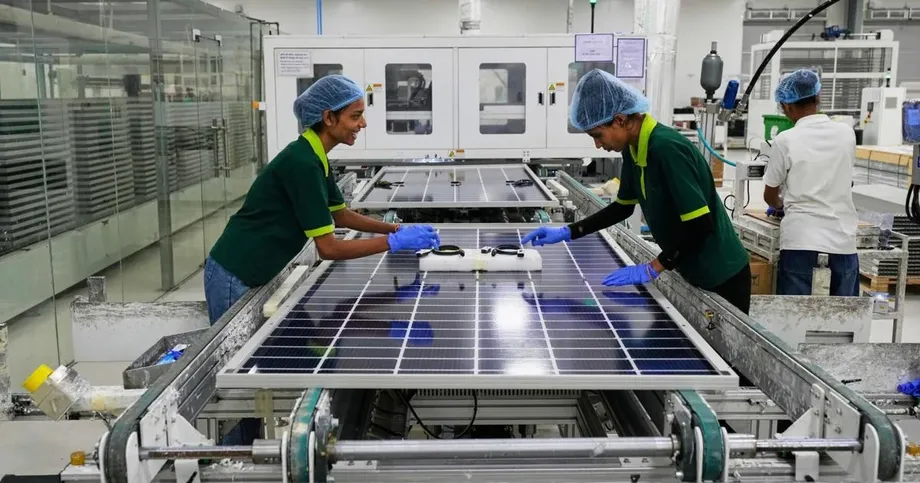
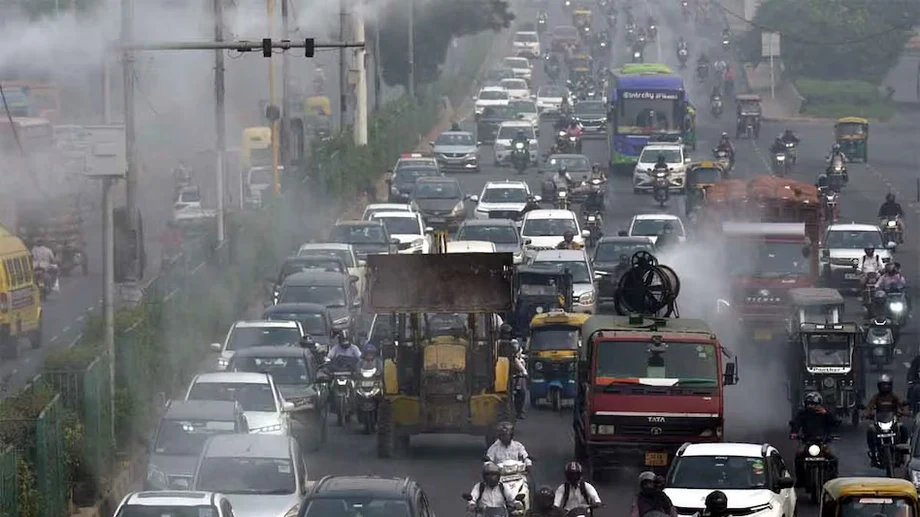
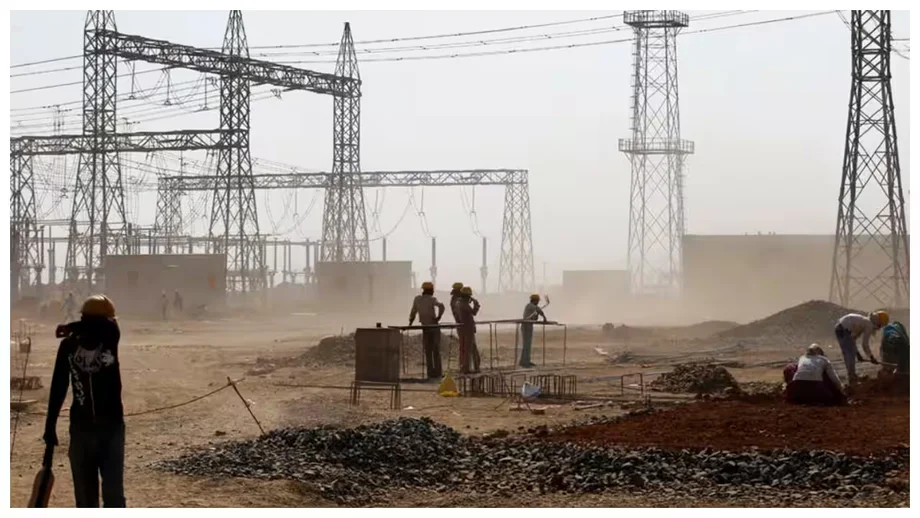
Power and low carbon fuels attracted about $19 billion between 2021 and October 2026, while transport received $9.5 billion. Together, those rounded figures amount to $28.5 billion, or about 92 per cent of the total. Manufacturing and waste attracted around $1 billion, as did agriculture. The study attributes the imbalance to the stronger commercial records of renewable power and electric mobility, while returns in several other sectors have yet to be established at scale.
The $31 billion figure covers equity funding, meaning money invested in exchange for ownership stakes. It is separate from the study's wider estimate of current annual climate investment. That distinction matters when comparing the funding already raised with the much larger financing requirement for the coming decades.
Fewer but larger deals defined 2026
Funding activity remained substantial in 2026, with approximately $6.2 billion raised across 243 rounds in the first ten months of the year. BCG and IVCA describe a shift towards fewer but larger transactions, reflecting growing maturity in parts of the climate investment ecosystem. The pattern also shows continued investor interest in commercially established areas such as solar and wind power and electric mobility.
Anirban Mukherjee, managing director and senior partner at BCG and India leader of its Climate & Sustainability Practice, said improving economics had helped renewable power and electric mobility attract investment at scale. He argued that investors now need similar confidence in newer segments.
India's climate transition is no longer a question of intent. Capital is arriving, but unevenly. In renewable power and electric mobility, investment has followed at scale because the economics now stand on their own.
The task ahead is to build that same confidence in storage, grids, green fuels, industry and adaptation, where many of the businesses that will matter most are still waiting for funding that fits their stage, timelines and risks. With much of India's infrastructure yet to be built, the choices we make today will shape the economy for generations to come.
Why the annual investment gap matters
India's ambition is to reach net zero emissions by 2070. Net zero means reducing emissions as far as possible and balancing the remainder with removals, rather than continuing to add greenhouse gases to the atmosphere without an offsetting reduction. The study estimates that this transition will require cumulative investment of $22 trillion to $24 trillion by 2070, equivalent to roughly $500 billion a year.
Current annual climate investment is approximately $135 billion. Reaching $500 billion would therefore require annual investment to be about 3.7 times its present level. On these rounded figures, the yearly shortfall is $365 billion, and current investment covers about 27 per cent of the required amount. Closing that gap will require capital to move beyond established sectors and financing to suit technologies with different costs, risks and development periods.
Storage and grids are the next test
Solar and wind power create a practical challenge: their output changes with the weather and the time of day. Batteries can move surplus solar electricity generated during daylight hours to evening peaks, while expanded grids are needed to carry renewable power to users. The study expects the next phase of investment to move increasingly towards this supporting infrastructure as solar and wind become cheaper sources of new electricity.
Battery storage capacity could rise from around 5 to 5.5 gigawatts in FY27 to between 75 and 85 gigawatts by FY36. Pumped storage capacity is projected to increase from 7 to 8 gigawatts in FY26 to between 90 and 110 gigawatts by FY36. Pumped storage uses surplus electricity to move water to a higher reservoir, then releases it through turbines when power is needed.
Renewable energy and storage tariffs have reached around ₹5 to ₹6 per kilowatt hour (kWh), broadly comparable with bids for new coal based power. Yet returns from storage projects remain difficult to assess at scale, and competitive bidding can leave limited room for profits. Viability gap funding, storage linked tenders, requirements for domestic equipment and simpler allocation of pumped storage sites are helping deployment. Viability gap funding is public support intended to bridge the distance between a project's economics and the level needed to make it financially workable.
The study also distinguishes commercial maturity from the scale of future need. It places renewable power, electricity grids, electric vehicles and energy efficiency among areas that can attract investment without active policy support. Battery storage, green hydrogen and bioenergy still depend on such support, even though storage and grid expansion remain central investment opportunities.
Green hydrogen is moving from targets to contracts
Green hydrogen is produced by splitting water using renewable electricity. It could replace fossil fuels in industrial activities, with fertiliser companies and refineries emerging as initial buyers. India aims to produce 4 million to 6 million tonnes annually by FY30, but the study put commissioned production capacity at roughly zero in FY26.
Renewable electricity accounts for 50 per cent to 70 per cent of green hydrogen's production cost, giving India a potential advantage because of its inexpensive renewable resources. Turning that advantage into operating plants still requires buyers, financing and evidence that projects can earn dependable returns.
Some demand is already being contracted. Around 7.24 lakh tonnes, or 724,000 tonnes, of green ammonia per year has been contracted for 13 fertiliser units. Four refineries have also awarded contracts for approximately 30,000 tonnes of green hydrogen per year. The sector's next step is to move from these contracts to its first commercial scale plants. Long-term purchase commitments, known as offtake arrangements, can help investors forecast revenue, but no start date was given for those plants.
Bioenergy depends on reliable supplies of waste
Bioenergy uses organic material to produce fuels. Ethanol blending has reached 20 per cent, while compressed biogas (CBG), biodiesel and sustainable aviation fuel offer further areas for growth. CBG is purified gas produced from organic material and compressed for use as fuel. Mandatory CBG blending is expected to rise to 5 per cent by FY29, supported by purchase arrangements and commissioned plants.
Reliable supplies of feedstock, the organic material fed into a plant, remain a major constraint. The study cites around 92 million tonnes of crop residue burned annually, using 2019 as the reference year, alongside waste from sugar mills and cities that could potentially supply bioenergy facilities. Collecting material scattered across farms and other locations, then delivering it consistently at a workable cost, is an area where the study sees room for innovation.
Supply problems can directly affect earnings. A biogas plant operating below its designed capacity spreads its costs across less output and may earn less than projected. Policy mandates can create demand, but plants still need dependable material supplies and high utilisation to establish commercial returns.
The milestones on India's climate calendar
The projections use India's financial years, which run from April to March. The main dates and funding periods set out in the study are:
- 2021 to October 2026: India attracted roughly $31 billion in climate and sustainability equity funding.
- First ten months of 2026: Equity funding reached approximately $6.2 billion across 243 rounds.
- FY26 and FY27: Pumped storage capacity was estimated at 7 to 8 gigawatts in FY26, while battery storage could reach 5 to 5.5 gigawatts in FY27.
- FY29: Mandatory CBG blending is expected to reach 5 per cent.
- FY30: India is targeting annual green hydrogen production of 4 million to 6 million tonnes.
- FY36: Battery storage could reach 75 to 85 gigawatts and pumped storage 90 to 110 gigawatts.
- 2070: India aims to reach net zero, with the study estimating a cumulative investment requirement of $22 trillion to $24 trillion.
No year by year schedule was given for lifting annual climate investment from approximately $135 billion to $500 billion.
Four barriers keep capital from reaching new projects
The BCG and IVCA study identifies four connected challenges: technology validation, risk assessment, capital mobilisation and project bankability. Validation means demonstrating that a technology performs reliably outside a laboratory. Risk assessment requires enough operating evidence and data for investors to price potential losses. Capital mobilisation concerns bringing in money at the necessary scale, while bankability means making a project suitable for financing through manageable risks and sufficiently predictable revenue.
Emerging technologies often lack testing facilities, established performance records and early customers. Shared testing infrastructure and reliable data on climate risks could help investors judge whether a business is ready for commercial expansion.
Time presents another mismatch. Some climate projects require 12 to 15 years of capital support, compared with typical venture fund lives of seven to ten years. A fund's life is the period over which it invests and seeks to return money to its backers. Projects using a technology at commercial scale for the first time can consequently become too expensive for venture funding while remaining too unproven for conventional infrastructure finance.
Adaptation offers benefits, but needs a market
Climate adaptation means adjusting to climate effects that are occurring or expected, rather than reducing the emissions that cause warming. The study identifies water management, cooling, resilient infrastructure, insurance and analytics that measure climate risks as emerging markets. For households and businesses, these activities can mean more reliable water supplies, better protection from heat and infrastructure designed to withstand severe weather.
The study cites potential economic benefits of $2 to $19 for every dollar invested in adaptation. These benefits can include avoided damage and disruption across the economy, rather than a standard cash return paid to an investor. Building viable businesses will therefore depend on who pays for the protection, how benefits are measured and whether risks can be assessed consistently.
What would make more projects investable
A national climate finance taxonomy is among the study's central recommendations. This would provide a common classification system for economic activities that qualify as climate or green investments, giving financiers clearer rules. The study also calls for green product standards and consistent monitoring, reporting and verification frameworks so that performance and environmental claims can be measured and checked.
Other proposals include shared testing facilities, dependable data on climate risks, stronger payment security and faster project approvals. Green public procurement, under which government agencies purchase products with lower environmental impacts, could help create early demand. Payment security would give producers greater confidence that customers, including public entities, will pay on time.
Financing structures also need to match longer development periods. Patient capital is money that can wait longer for returns, while catalytic capital is intended to unlock additional investment. Blended finance can combine public or philanthropic funds with private capital, with the former absorbing some early risks and helping projects reach a stage at which commercial investors can participate.
Nakul Zaveri of LeapFrog Investments and co-chair of IVCA's Climate & Sustainability Council said India had made considerable progress in attracting private capital, particularly for renewable energy and electric mobility. He said the priority was to broaden the pool of investable opportunities and develop financing for businesses and projects at different stages of maturity.
As investors, we recognise that capital will follow opportunities where the economics are viable, risks can be assessed and there is a clear pathway to scale.
Those investor tests connect the study's policy proposals to its funding figures: testing, standards and data improve the evidence available, while purchase commitments, payment security and suitable financing improve the prospects for revenue and scale.
The next cycle is about where capital goes
Manufacturers, waste operators and agricultural businesses still face a much thinner equity market than renewable power and transport companies. For power and mobility, the challenge is increasingly to build the storage, charging networks, grids and domestic battery production needed to support further expansion. Fast-charging networks and fleet electrification are among the opportunities identified by the study, alongside green hydrogen, biofuels and adaptation services.
The study argues that India's next climate investment cycle will depend on directing money towards underfunded sectors and technologies capable of delivering commercially viable solutions at scale. Raising a larger total will not resolve the mismatch if projects cannot secure capital for their full development period. With much of the country's future infrastructure still to be built, investment decisions will shape how effectively India combines economic growth, energy security and its 2070 net zero ambition.
Key Points
- India attracted roughly $31 billion in climate and sustainability equity funding from 2021 to October 2026.
- Power and low carbon fuels received about $19 billion and transport $9.5 billion, together accounting for more than 90 per cent of the total.
- Manufacturing and waste, and agriculture attracted only around $1 billion each.
- Funding reached $6.2 billion across 243 rounds in the first ten months of 2026, indicating fewer but larger transactions.
- The estimated requirement is $22 trillion to $24 trillion by 2070, or roughly $500 billion annually, compared with current annual investment of about $135 billion.
- Battery storage could reach 75 to 85 gigawatts by FY36, while pumped storage could reach 90 to 110 gigawatts.
- India targets 4 million to 6 million tonnes of annual green hydrogen production by FY30, although commissioned capacity was roughly zero in FY26.
- Some climate projects need 12 to 15 years of support, compared with typical venture fund lives of seven to ten years.
- Recommended measures include a climate finance taxonomy, shared testing facilities, better risk data, blended finance, green public procurement and faster approvals.