Two voting models are on the table
Sri Lanka has begun examining how people living abroad could vote in future elections, with officials considering two different approaches: casting ballots at Sri Lankan diplomatic missions or voting online. The government has not yet chosen a system, and the proposals remain at an early stage.
Contents
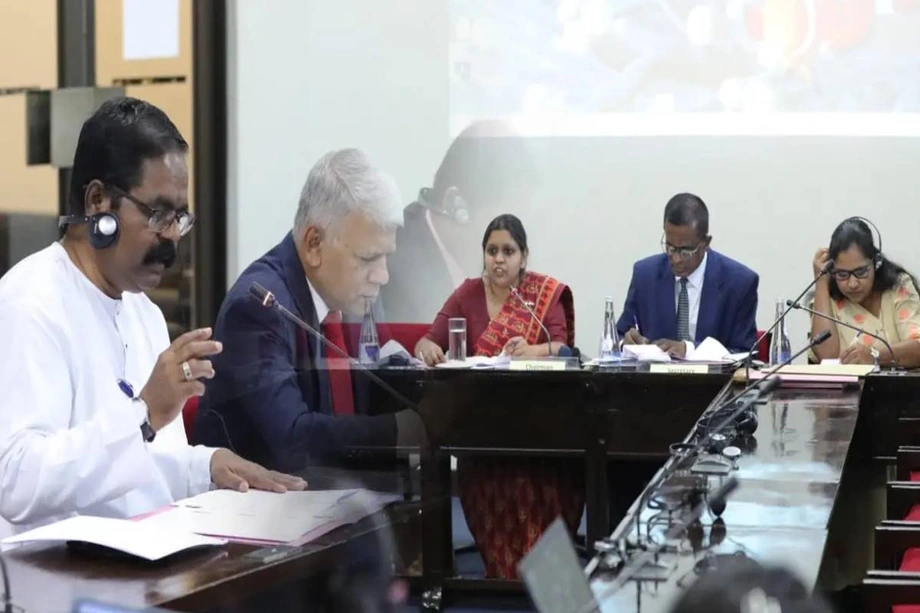
Foreign Affairs, Foreign Employment and Tourism Minister Vijitha Herath said committees from the Ministry of Public Administration and the Election Commission had prepared reports that the government was studying. The Election Commission's proposal would allow voting at Sri Lankan embassies, while the ministry committee has proposed online voting and is beginning work on the technical arrangements such a system would require.
The Commission's proposal and the figures on Sri Lankans abroad are set out in an Election Commission statement. Public Administration Minister Chandana Abeyratne said he plans to invite political parties next month to discuss how overseas voting could work in elections other than provincial council polls.
The central question is practical as well as political: how can people abroad cast a vote that is counted securely, while making sure the rules apply fairly to voters and candidates? Sri Lanka has not announced a timetable for introducing a system or said what legal changes would be needed.
How many Sri Lankans live abroad?
The government estimates that about 3 million Sri Lankans live or work overseas. That broad estimate includes groups measured in different ways, so it should not be mistaken for a count of people already eligible to vote from abroad.
United Nations Department of Economic and Social Affairs data count 1,492,103 people born in Sri Lanka who now live in another country. That is close to 7% of Sri Lanka's population, and does not include people of Sri Lankan ancestry born overseas in later generations. The International Organization for Migration puts the number of Sri Lankan workers abroad at more than 1.7 million.
The estimates also vary by geography and definition. Sri Lankan government data put the number living or working in the Middle East at 1,007,855 in 2026. A wider estimate of the diaspora, including permanent residents abroad and their children born in other countries, ranges from 2 million to 3 million.
These figures describe populations, not a confirmed overseas electoral roll. The government has not specified which categories of people would qualify, how citizenship status would be checked, or how many people would register if voting from abroad became possible.
Political parties are due to be consulted
Abeyratne's planned meeting with political parties is an early step in deciding which elections might be covered and how the rules should work. The current proposal excludes provincial council elections from the planned consultation, according to his statement.
That discussion matters because overseas voting would require agreement on basic questions such as who may register, how voters prove their identity and where ballots are counted. The Election Commission member Ameer Faiz said at a regional conference that legal authority is needed before the plan can move from intention to implementation.
Faiz described the challenge as one of detail, including how to reach citizens spread across countries and time zones, which voting method to choose and what to do when a problem occurs during polling. Those decisions affect the design of the system: a voter at an embassy, for example, follows a different process from someone submitting a postal ballot or using an online service.
Officials have not given a date for a decision, a draft law or the first election that might include overseas voters. The next stated step is the planned consultation with political parties on elections other than provincial council polls.
Regional systems offer different choices
A two day regional conference in Colombo brought together the Sri Lankan Election Commission, the International Foundation for Electoral Systems and representatives from Australia, Bangladesh, the Maldives, Nepal and the Philippines to discuss overseas voting. The examples showed that countries can use different methods rather than relying on one standard model.
Bangladesh has explored a postal voting approach, while Australia uses in person voting at diplomatic missions and postal ballots. The Maldives has used dynamic registration, a process in which voters sign up for the relevant election period. The Philippines has used internet voting, and Nepal has used a Digital Verifiable Paper Audit Trail, or D-VPAT, a system designed to provide a paper record that can be checked against an electronic vote.
The Philippines recorded 234,475 people enrolled for pre voting in a 2025 pilot, equal to 19.2% of its registered overseas voters. That figure illustrates one measure of participation: the share of registered voters who enrolled in advance. It does not predict how many Sri Lankans would take part under a different system.
At the conference, IFES Regional Director Vasu Mohan said that about 304 million people lived outside their countries in 2024. He said there was no single international answer to overseas voting, and that each country developed its own approach. The conference also discussed legal, administrative, technology and security challenges that governments must address.
Legal authority and safeguards remain central
Overseas voting is commonly called out of country voting, meaning that citizens cast a ballot while outside the country holding the election. A country may allow it through embassies, postal ballots, online systems or a combination. Each method has different costs and demands for identity checks, ballot handling and protection against interference.
Mohan said the International Convention on the Rights of Migrant Workers is the international instrument that addresses political participation and voting rights for people living abroad. He noted that it places those rights within national law. For Sri Lanka, that leaves domestic legislation and constitutional rules as the framework for deciding eligibility and procedure.
Australia's Deputy High Commissioner to Sri Lanka, Ruth Baird, said overseas voting raises legal, policy, administrative, technology and operational questions. She also stressed the need to protect the integrity and security of elections while making voting accessible and maintaining public confidence.
Those concerns apply especially to online voting. A system would need to confirm that a voter is eligible, keep the ballot secret and prevent someone from voting more than once. The government has said a special technical programme is needed, but has not published its design or named the technology it might use.
Opposition leader raises objections
Pivithuru Hela Urumaya leader Udaya Gammanpila has opposed the proposals and said his party submitted a 13 point objection to the Election Commission. He has argued that overseas votes could affect election results and that rules on campaign spending and the 48 hour election silence period could be difficult to enforce abroad.
Gammanpila has also questioned whether people who gave up Sri Lankan citizenship should be treated in the same way as citizens temporarily working overseas. He argues that voters abroad may be less directly affected by domestic issues such as inflation, unemployment and shortages of medicines or fertiliser. He has said visa restrictions could also make it harder for some candidates to campaign in particular countries.
He has linked his objections to a proposed Global Sri Lankan Heritage Citizenship programme mentioned in President Anura Kumara Dissanayake's budget. Gammanpila claimed that overseas voting combined with broader citizenship could extend voting rights to as many as 6 million people. Other versions of his argument compared that figure with an existing electorate of about 18 million, while another estimate described the overseas group as roughly 25% of an expanded electorate.
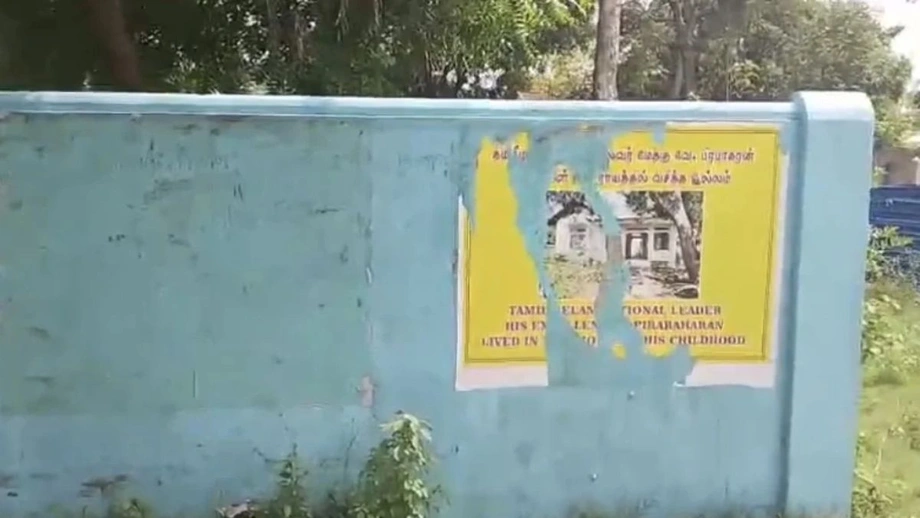
Those figures are Gammanpila's claims, not an official count of people eligible to vote. His remarks also included allegations about separatist influence among parts of the overseas Tamil community. The material presented does not provide independent evidence to establish those allegations. The government has not publicly set out a final eligibility rule or endorsed the 6 million estimate.
What has happened so far?
The Election Commission and a ministry committee prepared reports on overseas voting.
The Commission proposed voting at Sri Lankan diplomatic missions; the ministry committee proposed online voting.
Foreign Minister Vijitha Herath said the government is studying both reports and beginning technical planning.
Public Administration Minister Chandana Abeyratne plans to consult political parties next month on elections other than provincial council polls.
Udaya Gammanpila said his party submitted a 13 point objection to the Election Commission.
The next decisions are whether Sri Lanka will proceed, which elections and voters would be covered, and what legal and technical protections would be required. No implementation date has been announced.
Key Points
Sri Lanka is studying overseas voting for an estimated 3 million people living or working abroad.
The Election Commission proposed voting at diplomatic missions; a ministry committee proposed online voting.
UN data count 1,492,103 Sri Lanka born people living abroad, while broader diaspora estimates reach 2 million to 3 million.
Political party consultations are planned for next month, excluding provincial council elections.
The government has not announced the eligibility rules, required legal changes or a start date.