What Indian Travellers Are Looking For Now
Searches for wellness travel in India rose 1,600% over the past year, while fitness trip queries rose 950%, according to Google Trends. Silent retreat searches rose 150%, and the question what is slow travel became a breakout query, a search phrase flagged for particularly rapid growth. Those figures, published by the Google India Team on 23 Nov 2026, show a country exploring holidays built around rest, movement, curiosity and time away from routine.
Contents
- What Indian Travellers Are Looking For Now
- Why Wellness Travel Leads the Shift
- Quiet Escapes and the Meaning of Slow Travel
- Experiences Replace the Sightseeing Checklist
- The Rise of the One Day Trip
- Stays Built Around Real Life
- Solo Travel Grows as Community Matters
- How AI Enters Trip Planning
- What the Search Shift Means for Tourism Businesses
- What Readers Should Take From the Data
- Key Points
The same data shows one day trip near me searches up 130%, with Maharashtra leading India in that category. Hidden gems India and travel community each rose 400%, while AI for Travel rose 600%. Taken together, the searches point to travellers who want more control over a break: what they do, how far they go, who they meet and how much planning they need.
Google India Team published its 2026 travel analysis as a four minute guide to three trends: mindful retreats, or rest focused trips; hyper local getaways, meaning short breaks close to home; and independent exploration. The analysis said people are moving away from fixed sightseeing lists. That shift matters for travellers because it turns a holiday from a checklist into something closer to a personal plan.
The numbers measure search interest, which means how often people typed certain words into Google compared with an earlier period. They are like a count of curiosity during planning. A booking or trip completion dataset would be needed to count purchases or journeys. No such figures or update timetable were given.
Why Wellness Travel Leads the Shift
Wellness travel is the loudest signal in the data. The phrase wellness travel India rose 1,600%, far above the 950% rise for fitness trip and the 150% rise for silent retreat. If the percentages are read side by side, interest in wellness travel grew four times as fast as interest in hidden gems India, which rose 400%.
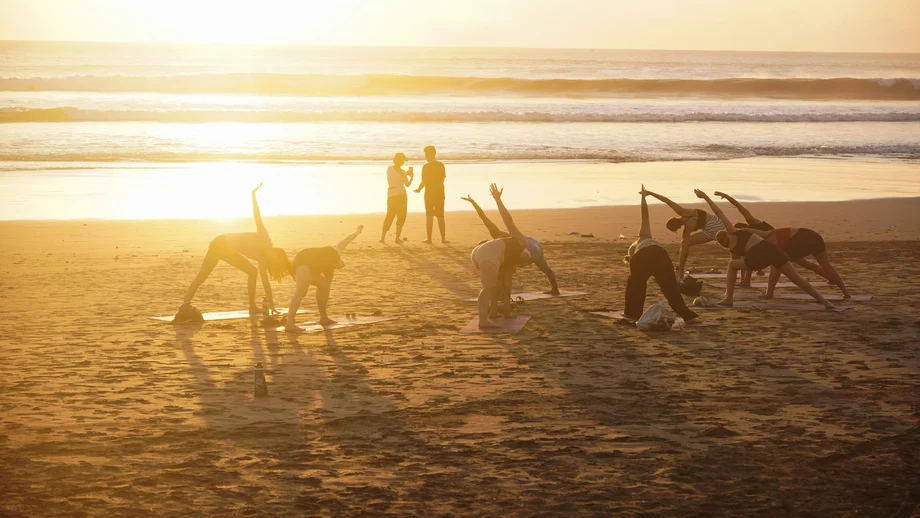
For readers, the idea is simple: a wellness holiday puts health and calm at the centre of the trip. It can mean yoga, exercise, good food, meditation, sleep or time in nature. A traveller may still see a new place, while the main aim is to come back feeling rested or stronger.
India already has well known wellness circuits, including yoga retreats in Rishikesh and Ayurveda therapies in Kerala. The new search pattern shows that this idea is also taking hold among Indians. People are looking for the same kind of reset at home, using searches that are practical and specific.
Another travel survey put the pull of wellness stays at 91% of Indian travellers. A survey answer and a search trend measure different kinds of interest, so each adds a separate piece to the picture. Placed beside the 1,600% rise, it shows that wellness is appearing in both what people say they want and what they look up.
Quiet Escapes and the Meaning of Slow Travel
Silent retreat searches rose 150%. A silent retreat usually means a stay with long periods of quiet, limited conversation and activities such as meditation or walking. The aim is to step away from noise, work messages and constant decisions.
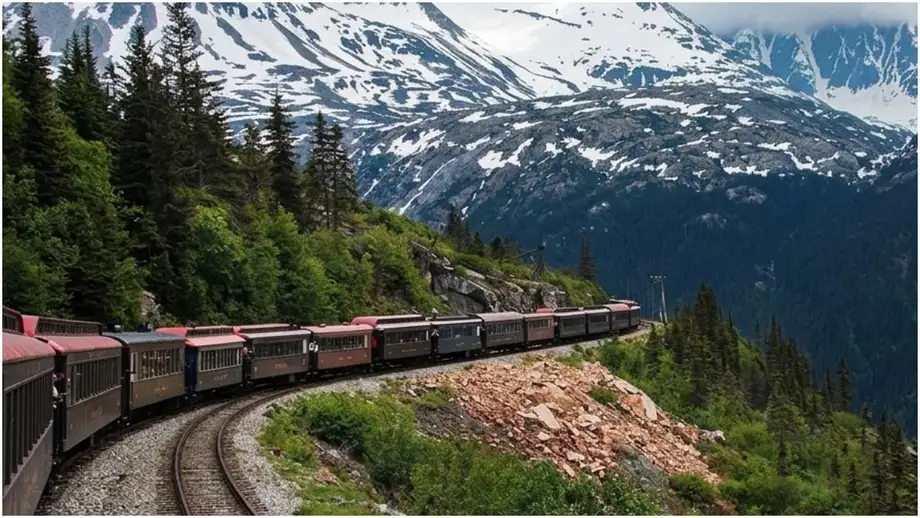
The query what is slow travel also broke out. Slow travel means spending more time in fewer places, instead of rushing through five cities in a week. A traveller who chooses slow travel might stay four days in one town, eat at the same local cafes, walk the same trails and learn the rhythm of the place.
The quiet trend and the wellness trend overlap, while each answers a different need. A fitness trip can be active and social. A silent retreat can be still and spare. Both sit under the wider idea of mindful retreats, one of the three categories named by Google India Team.
Experiences Replace the Sightseeing Checklist
Hiking trails near me and music festival travel emerged as breakout queries. These searches show trips being planned around an activity first and a destination second. For a child friendly explanation, imagine choosing the game before choosing the playground: the place is picked because it makes the experience possible.
Hidden gems India rose 400%, showing interest in places outside familiar tourist routes. Google India Team said travellers were looking for spots away from well known attractions. For local communities, that kind of attention can matter because lesser known towns, trails and cultural sites can benefit when visitors search beyond famous names.
The Google India Team, the unit that published the analysis, framed the change as a move away from fixed plans. It said travellers were leaning toward rest and spontaneous breaks.
Google Trends shows a shift away from rigid checklists toward mindful retreats and spontaneous escapes
The Rise of the One Day Trip
Searches for one day trip near me rose 130% over the past year, and Maharashtra led national interest in this search category. A one day trip is a short escape that does not require an overnight stay, such as a nearby lake, heritage town, nature trail or countryside drive.
Weekend getaways near me and long weekend travel still draw interest, according to the analysis. The rise in one day searches adds another rung to the ladder of breaks: a full holiday for a long leave, a weekend for a shorter gap and a single day for a free Saturday.
This change is practical. It can put travel within reach for people who cannot take many days off, who want a low cost change of scene or who prefer to test a place before planning a longer stay. For state tourism boards and local operators, Maharashtra's lead suggests that short routes inside a state can compete with distant holiday destinations for attention.
Stays Built Around Real Life
Accommodation searches are becoming more specific. Queries for best pet friendly hotels, affordable homestay and family friendly destinations gained traction during the year. These are practical questions: Can I bring my dog? Can I afford this stay? Will this place work for children?
The Google India Team, author of the analysis, said accommodation choices were becoming more personal, matching the way people live. It linked the trend to travellers wanting places that fit their exact needs.
people seeking environments that match their exact lifestyles
For homestay owners and hotels, the message is direct. Clear information about pets, price, family facilities, meals and nearby activities can now be part of discovery, alongside details shared after a traveller makes contact. Search phrases show that people are trying to solve those questions before they choose a stay.
Solo Travel Grows as Community Matters
Solo travel guide, best places to travel solo and solo travel cost India all emerged as breakout queries. These searches cover the basics of travelling alone: where to go, whether a place is suitable and what the trip may cost. They also show people planning on their own timetable rather than waiting for a group.
The Google India Team, author of the analysis, said travelling alone had moved beyond a small circle of enthusiasts. It described the change in direct terms.
Setting off alone is no longer a niche pursuit
Search interest in travel community also rose 400%. Independence can sit beside a wish for company. Many people appear to want the freedom to set their own route along with a way to meet people who share an interest, such as hiking, food, photography or local exploration.
The pairing of solo searches and community searches is one of the more useful findings for travel businesses. A solo friendly hotel, guided walk or small group experience can serve both needs at once, giving a traveller independence during the day and company at meals or on a route.
How AI Enters Trip Planning
Searches for AI for Travel rose 600% over the past year. AI, or artificial intelligence, is software that can produce answers, suggestions and plans from prompts. In travel, that can mean turning a loose idea into a day by day plan or finding a place from a photograph.
Google, based in Mountain View, highlighted three ways its tools can move a traveller from inspiration to itinerary. AI Mode in Google Search can take a destination image or screenshot and help identify the place. A traveller who sees a cafe, trail or scenic spot online can upload the picture and ask where it is and how to plan a visit.
Gemini can build a personalised itinerary through Personal Intelligence. A user can turn on the setting, link apps such as Gmail, YouTube and Google Photos, and ask for a plan based on saved interests and past travel. In simple terms, the assistant uses the information a person has chosen to connect, so the suggestions can reflect that person's tastes rather than a generic list.
Ask Maps works after a traveller arrives. It can handle conversational local requests, such as finding a highly rated traditional lunch spot along the route to a hotel. This is closer to asking a local helper than typing a short keyword, because the request can include several conditions at once.
What the Search Shift Means for Tourism Businesses
The clearest business signal is specificity. Hotels, homestays, transport operators and local experience providers can see what travellers are asking before a booking happens. Wellness, one day trips, hidden places, fitness, hiking and music events all require different offers.
Maharashtra's lead in one day trip searches points to a practical opportunity inside a single state. Nearby routes, short drives and day packages can be promoted to people who want a break without a long leave. Local tourism bodies can also use the interest in hidden gems by making it easier to find lesser known places with clear travel information.
Solo travel creates another opening. Safe, clearly priced stays, small group walks and community events can help independent travellers feel prepared. Family friendly destinations and pet friendly hotels show that travellers want practical details up front, because a trip that works for one person may fail for another.
For wellness operators, the jump in search interest puts yoga, meditation, fitness and quiet stays in the same conversation as regular holidays. The existence of established retreats in Rishikesh and Kerala gives India a base, while the data shows that prospective travellers are searching across the country, not only around those famous wellness names.
What Readers Should Take From the Data
The 1,600% wellness travel figure is striking, while it belongs to a wider pattern. Indians are looking for shorter breaks, more personal stays, independent trips, local experiences and digital help. A single search phrase is a small window, but repeated rises across related phrases show where curiosity is gathering.
The most useful way to read the numbers is as a map of questions. What can I do near me? Where can I go alone? Which stay fits my life? Can technology help me plan this? Those questions are reshaping discovery even before they turn into tickets, room bookings or completed journeys.
The next test for the travel industry will be supply. If travellers keep searching for quiet retreats, one day escapes and personal itineraries, destinations and businesses that answer those needs in plain language will be easier to find. The searches have already made the demand visible.
Key Points
- Wellness travel India searches rose 1,600% over the past year, while fitness trip searches rose 950%.
- Silent retreat searches rose 150%, and what is slow travel became a breakout query.
- One day trip near me searches rose 130%, with Maharashtra leading India in that category.
- Hidden gems India and travel community searches each rose 400%.
- Solo travel guide, best places to travel solo and solo travel cost India emerged as breakout searches.
- AI for Travel searches rose 600%, as Google highlighted tools for screenshots, personalised itineraries and local discovery.
- The figures come from Google Trends search data published on 23 Nov 2026.