Lawmakers Briefed on Plan to Unify Sri Lanka Labour Laws
Sri Lanka is preparing to replace several separate employment statutes with one unified legal framework covering working hours, overtime pay, leave rules, and workplace safety. Officials from the Ministry of Labour presented the proposed overhaul to Members of Parliament during a special briefing at the Parliament Complex on November 18, 2026.
Contents
- Lawmakers Briefed on Plan to Unify Sri Lanka Labour Laws
- Four Core Pillars Driving the Overhaul
- Working Hours, Leave, and Safer Workplaces Under Review
- New Legal Protections Planned for Part-Time Staff
- Four Draft Chapters Open Online for Public Feedback
- Southern Province Hosts First Islandwide Consultation
- Timeline of Recent Reform Steps and What Comes Next
- Key Points
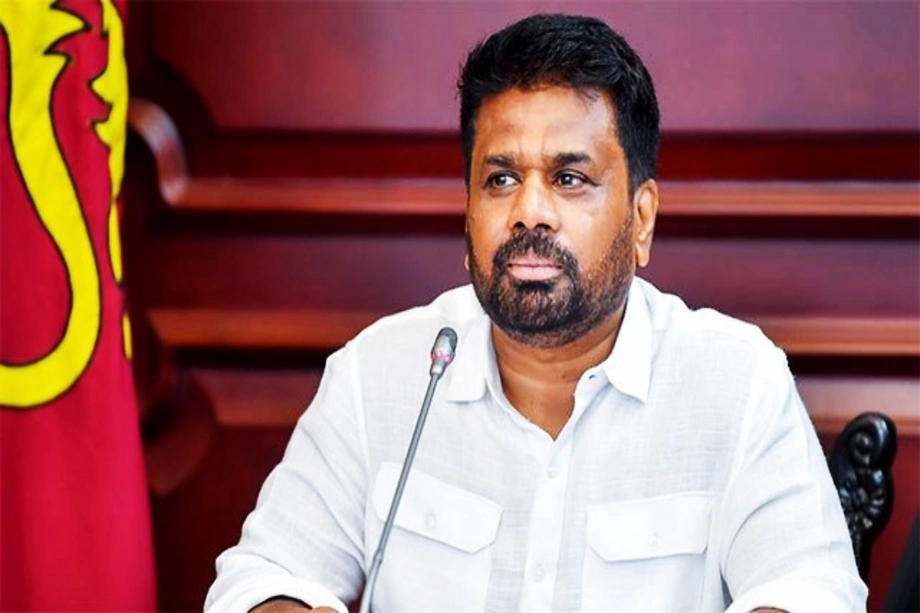
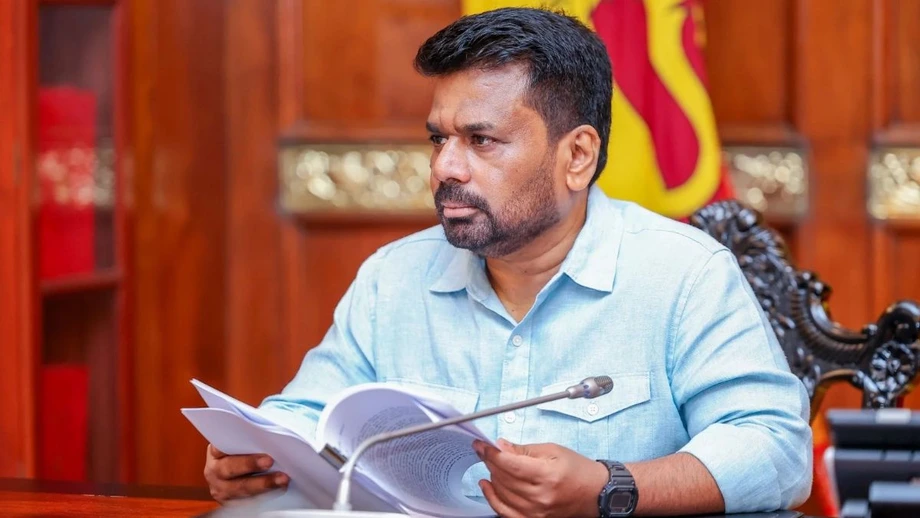
Labour Minister Dr. Anil Jayantha, who chairs the Ministerial Consultative Committee on Labour Affairs, led the November 18 session alongside Deputy Minister of Labour Mahinda Jayasinghe. According to the official government notice published on November 23, 2026, a committee of 17 members appointed with Cabinet approval is drafting the new legislation to update employment rules for modern workplaces.
The Parliament Department of Communication stated that the main objective is to review and consolidate major labour laws currently in force. Consolidating laws means bringing scattered rules from older acts into a single, clearer set of regulations so employers and employees can see their rights and duties in one place. For now, the proposals remain at the drafting and consultation stage and have not become law.
Four Core Pillars Driving the Overhaul
Ministry of Labour officials informed lawmakers that the drafting committee is building the reform package around four main areas: labour standards, occupational health and safety, industrial relations and disputes, and trade union rights. Together, these four pillars are meant to align domestic rules with international labour standards and current economic and social conditions.
Labour standards set the basic floor for how a job works, including pay rules, maximum daily or weekly hours, and minimum leave. Occupational health and safety rules require employers to keep machinery, work environments, and physical spaces safe so workers do not suffer preventable injuries or illnesses on the job.
Industrial relations and dispute resolution govern how managers and staff settle disagreements over pay, dismissals, or working conditions without lengthy court battles. Trade union rights protect the freedom of workers to form or join groups that bargain collectively with employers on their behalf.
Working Hours, Leave, and Safer Workplaces Under Review
Employment contracts, working hours, leave entitlements, and overtime payments are among the core topics included in the draft proposals. Formalising an employment contract means putting terms such as job duties, pay, and hours into a clear written agreement rather than relying on informal verbal promises.
Maternity protection and paternity leave are also part of the planned legislation presented to lawmakers on November 18. Including paternity leave would give fathers dedicated time off around the birth of a child, alongside stronger legal safeguards for mothers returning to work.
Ministry officials briefed MPs that the updated rules also seek to prevent violence and harassment in the world of work. Workplace safety proposals aim to create safer environments across industries while establishing clearer duties for employers to protect staff from abuse.
New Legal Protections Planned for Part-Time Staff
Officials placed special focus on strengthening the rights of part-time employees during the November 18 presentation at the Parliament Complex. Workers hired for fewer hours than regular staff often face uncertainty over paid leave, overtime eligibility, and formal contracts, so the draft framework seeks to bring them under clearer legal protection regardless of their work arrangement.
Employee access to social security benefits is another central item presented to the Ministerial Consultative Committee on Labour Affairs. Social security covers financial safety nets such as pensions, provident funds, or injury compensation that support workers when they retire, fall ill, or face work disruptions.
Ministry officials explained that updating these protections reflects how jobs are changing across the labour market. Formal contracts, clearer overtime rules, and social security access are designed to protect workers while taking the operational needs of employers into account.
Four Draft Chapters Open Online for Public Feedback
Four chapters of the proposed Labour Standards Bill have already been drafted and posted on the Ministry of Labour website at labourmin.gov.lk. Publishing early chapters online allows citizens, legal specialists, and business owners to read the initial text and send views and recommendations before the government writes the final bill.
Government officials stated that submissions from trade unions, employers, and employee representatives will be considered while shaping the final legislation. Gathering feedback early gives both businesses and labour groups a chance to point out practical issues before any rules reach a parliamentary vote.
Officials have not yet released exact numerical limits for maximum working hours, overtime rates, or the length of paternity leave. The government has also not announced a closing deadline for submitting public comments on labourmin.gov.lk.
Southern Province Hosts First Islandwide Consultation
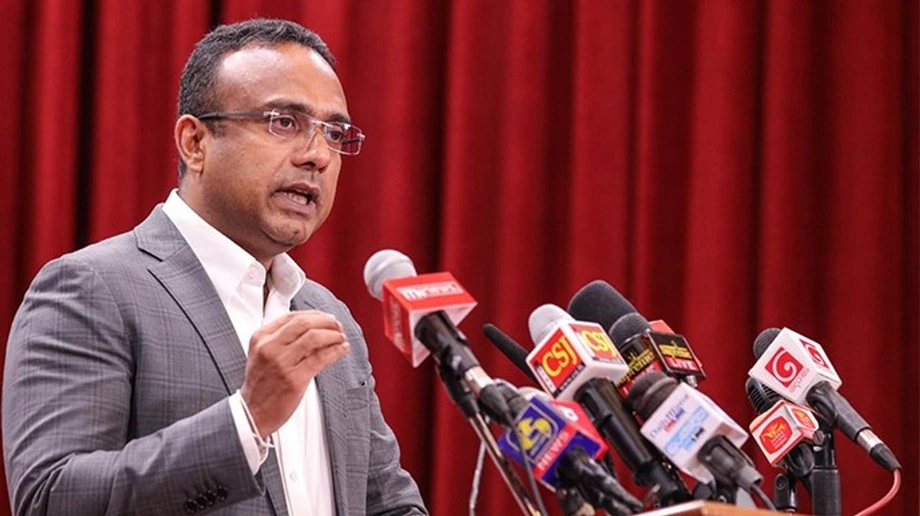
On November 22, 2026, the Ministry of Labour launched islandwide public consultations with an inaugural morning session at the Matara District Secretariat auditorium. Deputy Minister of Labour Mahinda Jayasinghe served as patron of the event, which was organised by the drafting committee of 17 members.
Representatives of employer, employee, and public sector groups from Galle, Matara, and Hambantota districts attended the Matara meeting. Organisers briefed attendees on why the reforms are needed, the policy framework behind the draft, and the main proposed amendments before holding an open discussion where participants raised concerns and made proposals.
Senior officials and specialists taking part in the Southern Province session included Ministry of Labour Secretary S. M. Piyatissa, who chairs the drafting committee, Additional Secretary for Administration Muditha Pathmajai, Commissioner General of Labour Nadeeka Wataliyadda, and Southern Province Deputy Commissioner of Labour Prasangani Pasqual. University of Jaffna Senior Lecturer Dr. Ahilan Kadirgamar and Senior Attorney-at-Law Isuru Lakpura also took part in the discussions.
Timeline of Recent Reform Steps and What Comes Next
Between November 18 and November 23, 2026, the government moved the draft proposals from a parliamentary briefing to regional public meetings.
- November 18, 2026: Ministry of Labour officials brief Members of Parliament at the Parliament Complex under the chairmanship of Labour Minister Dr. Anil Jayantha.
- November 22, 2026: Deputy Minister Mahinda Jayasinghe and the drafting committee hold the first regional public consultation in Matara for Galle, Matara, and Hambantota stakeholders.
- November 23, 2026: Government notices confirm that the first four chapters of the proposed Labour Standards Bill are open for public comment on labourmin.gov.lk.
Ministry officials stated after the Matara session that similar public consultations are scheduled to take place in other provinces across Sri Lanka. Provincial meetings allow workers and businesses outside Colombo to speak directly with drafting committee members rather than relying only on internet submissions.
The Ministry of Labour has not yet announced dates or venues for consultations in the remaining provinces. No date has been set for submitting the completed Labour Standards Bill to Cabinet or introducing it in Parliament for debate and a final vote.
Key Points
- Sri Lanka is drafting a new legal framework to consolidate major labour laws into a single modern system covering four areas: labour standards, occupational health and safety, industrial relations and disputes, and trade union rights.
- A committee of 17 members appointed with Cabinet approval and chaired by Ministry of Labour Secretary S. M. Piyatissa is leading the drafting work.
- Proposed provisions cover formal employment contracts, working hours, overtime, leave entitlements, maternity protection, paternity leave, social security benefits, workplace violence prevention, and stronger rights for part-time employees.
- The first four chapters of the proposed Labour Standards Bill are available for public review and comment on labourmin.gov.lk.
- Members of Parliament were briefed on November 18, 2026, and islandwide consultations began in Matara on November 22, 2026, with sessions in other provinces yet to be scheduled.
- The proposals remain at the drafting and consultation stage and have not yet become law.