First Meeting Since Brussels Signing Focuses on Food Safety Rules
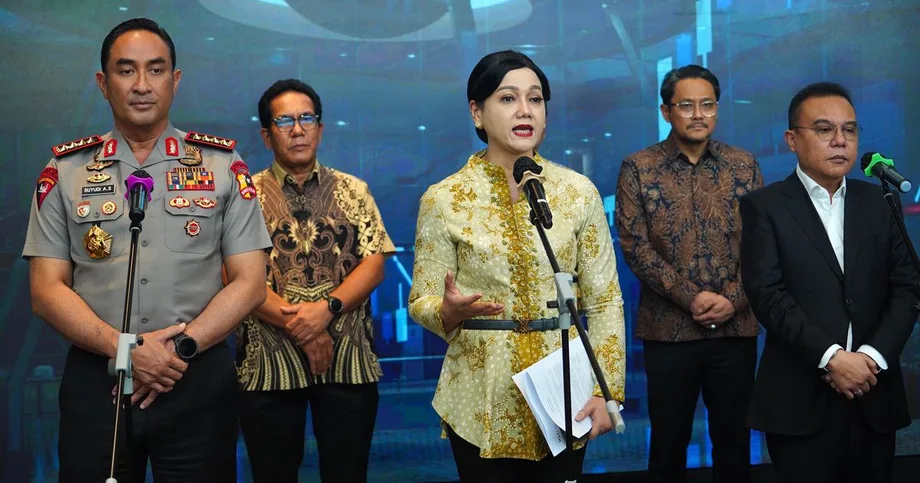
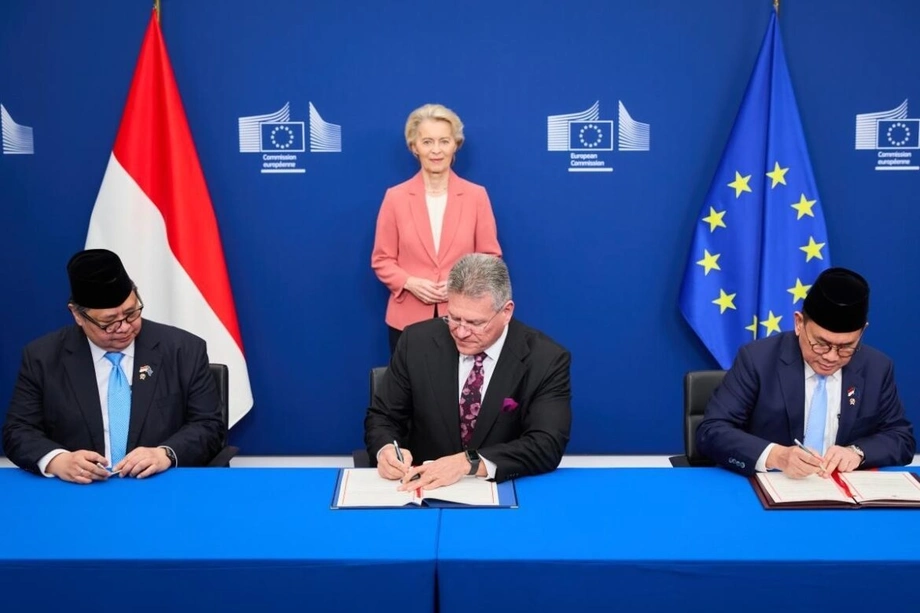
Indonesian government officials and a European Union delegation met in Jakarta on Monday, November 23, 2026, for their first technical discussions since signing the Indonesia-European Union Comprehensive Economic Partnership Agreement (IEU-CEPA) two days earlier in Brussels. The meeting took place at the Coordinating Ministry for Food Affairs office in Central Jakarta, bringing together Indonesian ministries and agencies with the European Commission's Directorate-General for Trade and its Directorate-General for Health and Food Safety.
Contents
- First Meeting Since Brussels Signing Focuses on Food Safety Rules
- What Exactly Are SPS Rules and Why Do They Matter?
- EU Ambassador Pushes for Predictability, Not New Obstacles
- Trade Projection: 40% Growth and a US$40 Billion Relationship
- What the Agreement Changes for Tariffs
- Nontariff Barriers Still Cast a Shadow
- Ratification Timeline and the GSP Deadline
- What It Means for Businesses, Farmers, and Fishers
- Readiness Questions and What Comes Next
- Key Points
The talks centered on resolving market access requests and tackling nontariff barriers, particularly sanitary and phytosanitary (SPS) measures that govern food safety and animal and plant health. Bara Krishna Hasibuan, an expert staff member for digital transformation and inter-institutional relations at the Coordinating Ministry for Food Affairs, described the session as the first follow-up after the landmark pacts were signed in Brussels.
We have just received and held a meeting with the EU delegation that came from Brussels. So this is the first meeting after the IEU-CEPA was signed on November 21. So we had a long meeting. The core of that meeting was to discuss the implementation of IEU-CEPA, especially in the sanitary and phytosanitary aspect, known as SPS.
Bara said the two sides also reviewed transparency of import requirements, procedures for approving business facilities, audit mechanisms, and ways to strengthen technical and institutional cooperation. Indonesia pushed for a balanced, science based, transparent approach that respects food safety standards and the protection of animal and plant health.
What Exactly Are SPS Rules and Why Do They Matter?
Sanitary and phytosanitary measures are the health and safety rules that countries apply to imported food, animals, and plants. They cover everything from pesticide residues and veterinary drugs to pest controls and food additives. The rules exist under the World Trade Organization's Agreement on the Application of Sanitary and Phytosanitary Measures, which allows governments to set their own safety standards while preventing hidden trade barriers.
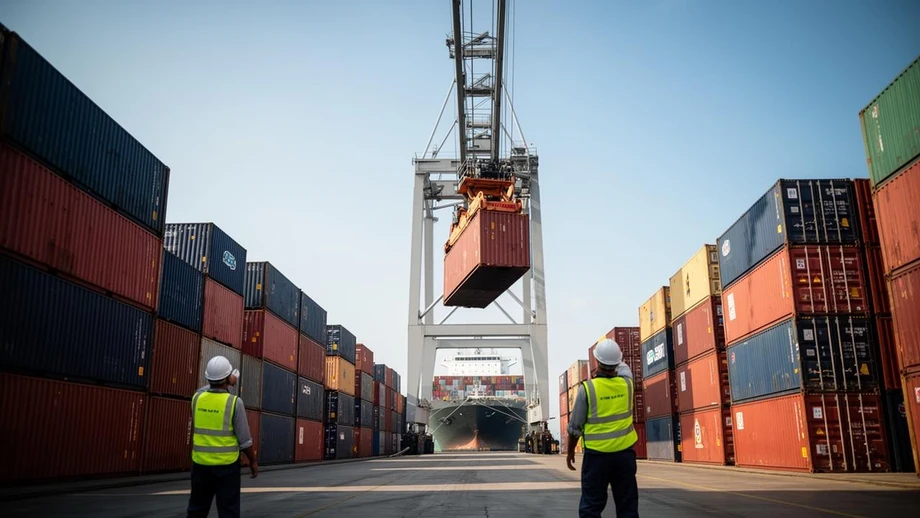
For Indonesian exporters of palm oil, coffee, tea, fish, and processed foods, these rules determine whether their products can enter the European market. The EU maintains some of the world's strictest SPS requirements, shaped by consumer expectations about food safety, environmental protection, and animal welfare. Dandy Satria Iswara, deputy for maritime resource coordination at the Coordinating Ministry for Food Affairs, said Indonesia is confident it can meet most of those requirements.
From Indonesia's side, regarding EU regulations on SPS, we are very confident we can comply with most of those provisions, because we have fishery and agricultural products of very good quality.
Dandy added that products from Indonesia must meet specific requirements covering product standards, production processes, and handling. The EU has its own regulations, and Indonesia has its own rules to guarantee the safety of incoming products. Issues discussed in the technical talks included traceability, audit mechanisms, and stronger technical and institutional cooperation.
EU Ambassador Pushes for Predictability, Not New Obstacles
EU Ambassador to Indonesia Hervé Delphin called the IEU-CEPA signing a historic and transformative moment for bilateral relations. He said the technical meeting held just two days after the signing showed both sides' commitment to making sure businesses can use the agreement immediately. Delphin stressed that companies consistently ask for predictability, which he described as critical in a regulatory environment.
One thing that all companies always ask for is predictability, and this is very important in a regulatory environment.
The ambassador said the goal of the discussions was not simply to open market access on paper and then erect new nontariff barriers. Instead, he said, the aim is to give businesses on both sides a fair chance to access each other's markets under clear and consistent rules. The EU maintains high quality regulatory standards in SPS to meet European consumer expectations on food safety and animal and plant health, while respecting Indonesia's sovereign right to set its own SPS rules.
The purpose of this discussion is to understand each other's processes and regulatory environments, and to open a path that gives economic actors on both sides predictability.
Trade Projection: 40% Growth and a US$40 Billion Relationship
Delphin projected that trade in both directions between Indonesia and the EU could grow by 40% in the coming years. Current bilateral goods trade stands at around 29 billion euros, or just over US$30 billion. Services trade adds another 9 billion euros, close to US$10 billion. Total trade is about US$40 billion, or Rp 728 trillion at an exchange rate of Rp 18,200 per US dollar.
Delphin said the total is significant but he believes both sides can do much better.
Indonesia is currently the EU's fifth largest trading partner among ASEAN countries, even though it is the largest economy in Southeast Asia. Delphin said this gap shows huge potential for growth. The agrifood sector accounts for about 20% of total merchandise trade between Indonesia and the EU, with flows in both directions of coffee, tea, palm oil, fishery products, and processed foods. He said IEU-CEPA will open more opportunities for Indonesian companies to export agrifood products to Europe, and for European companies to export to Indonesia.
What the Agreement Changes for Tariffs
The IEU-CEPA, signed in Brussels on November 21, 2026, eliminates tariffs on a vast range of goods. When the agreement takes effect, 90.4% of EU tariff lines for Indonesian exports will immediately drop to zero. Another 7.92% will be phased out over three to 15 years. In total, 98.35% of EU tariff lines will offer preferential access to Indonesian products.
Key Indonesian exports set to benefit include palm oil and its derivatives, rubber, footwear, textiles and garments, fishery products, furniture, and various manufactured goods. For crude palm oil, Indonesia secured a duty free quota of 1.9 million tonnes, plus 140,000 tonnes for derivative products, with gradual increases over the first nine years. The agreement also protects 72 Indonesian geographical indications in the EU, including 32 coffee products such as Gayo and Toraja coffee, and 12 spice products such as nutmeg.
Coordinating Minister for Economic Affairs Airlangga Hartarto said the tariff cuts would sharpen Indonesian products' competitiveness in Europe.
Through the agreement, 90.4% of Indonesia's export tariff lines to the EU will immediately be subject to zero tariffs once the agreement takes effect.
On the other side, the EU will gain broader access to Indonesia. Based on European Commission fact sheets, 98.5% of Indonesia's tariffs on EU goods will be removed once the agreement is fully implemented. European exporters are projected to save more than 650 million euros annually from reduced customs duties. Bilateral goods trade between Indonesia and the EU reached 28.9 billion euros in 2025, with Indonesia recording a surplus of 8.5 billion euros. EU exports to Indonesia were 10.2 billion euros, while EU imports from Indonesia were 18.7 billion euros.
Nontariff Barriers Still Cast a Shadow
Even with tariff cuts, Indonesian industry faces significant nontariff barriers. The IEU-CEPA focuses mainly on tariffs and does not resolve the stricter sustainability standards, product certification requirements, and environmental regulations that apply to the European market. Shinta Widjaja Kamdani, chairwoman of the Indonesian Employers Association (Apindo), said the success of IEU-CEPA depends on implementation readiness and the ability of businesses to use the agreement's facilities, as much as on how much market access is opened.
Two European regulations stand out. The EU Deforestation Regulation, or EUDR, requires importers to prove that products such as palm oil, rubber, coffee, and cocoa are not linked to deforestation. The Carbon Border Adjustment Mechanism, or CBAM, puts a carbon price on imports of steel, cement, aluminium, fertilisers, and electricity. Mohammad Faisal, executive director of the Center of Reform on Economics (CORE) Indonesia, warned that CBAM certification is set to become effective in 2027, the same year IEU-CEPA is meant to start.
Meanwhile, CBAM, Europe is strict enough to keep implementing it, especially effective certification in 2027. If that is applied, there will be a big barrier for our exports to enter Europe, with an additional cost of 75 euros per one metric ton of carbon.
Faisal said steel products would be directly affected by CBAM certification. He urged the government to be more calculative and not rush ratification of IEU-CEPA without careful planning. He pointed to textile exports as an example, noting that Indonesian textiles often lack a dyeing stage. Under GSP rules, adding one more processing step, such as dyeing, would be required to access preferences. Domestic industries need time to adjust production capacity to meet higher value added standards. If ratification is forced before supply chains are ready, Indonesian exports could still face high import duties in destination countries.
Ratification Timeline and the GSP Deadline
Both agreements still need approval and ratification before they can take effect. On the EU side, the European Parliament must give its consent before the Council of the European Union can formally conclude the agreement. The European Commission submitted the documents to the parliament on Monday, November 23, 2026, and a plenary vote is targeted for December 2026.
In Indonesia, the government plans to ratify the agreement through a presidential regulation, or Perpres, after consulting the House of Representatives (DPR). Coordinating Minister Airlangga said the target is for IEU-CEPA to be effective on January 1, 2027, to avoid disruption when the EU's Generalized Scheme of Preferences (GSP) expires on December 31, 2026.
- July 18, 2016: Indonesia and the EU announce the start of negotiations.
- September 23, 2025: Both sides conclude substantive negotiations.
- November 21, 2026: IEU-CEPA and the Investment Protection Agreement are signed in Brussels, Belgium.
- November 23, 2026: First technical meeting on SPS in Jakarta; EU submits documents to its parliament.
- December 11, 2026: President Prabowo Subianto is scheduled to visit Brussels.
- December 2026: European Parliament plenary vote targeted.
- January 1, 2027: Target date for provisional application, ahead of GSP expiry.
European Commission President Ursula von der Leyen described the agreement as one of the most ambitious the EU has concluded in Asia. She said it would connect a European market of about 450 million people with Indonesia, the largest economy in Southeast Asia and the fourth most populous country in the world.
This agreement will eliminate customs duties for almost all trade between the two sides.
Von der Leyen said the tariff cuts would open opportunities for companies, farmers, workers, and small businesses in both Indonesia and the EU. She added that the agreement provides what companies value most: certainty, with clear rules, open markets, and a stable trade and investment framework for years to come.
What It Means for Businesses, Farmers, and Fishers
Indonesian officials expect the agreement to benefit small and medium sized enterprises, farmers, fishers, and entrepreneurs. Micro, small, and medium enterprises will be able to use self certification for rules of origin, which should speed up export documentation. The agreement also covers cooperation in the digital economy, including e-commerce.
Investment protection is the focus of the separate Investment Protection Agreement, or IPA, signed alongside IEU-CEPA. It provides legal certainty and protection for bilateral investment flows, including protection from discriminatory actions, unlawful expropriation, and guarantees of fair treatment for investors. Sectors targeted for European investment include electric vehicles, electronics, pharmaceuticals, renewable energy, critical mineral processing, and manufacturing.
Airlangga said EU investment in Indonesia over the past five years reached about US$25 billion. The EU is Indonesia's third largest export destination after China and the United States. The EU contributes about 18% of global economic output and has a combined GDP of around US$50 trillion. The agreement also opens access for Indonesian industries to machinery, raw materials, and capital goods from Europe at lower tariffs. This covers 86.2% of tariff lines for machinery, 83.5% for the chemical industry, and 73.9% for the pharmaceutical industry. For European exporters, Indonesia will gradually eliminate tariffs on 50% of motor vehicle tariff lines over five years. Sensitive commodities such as rice, sugar, and ethanol remain excluded.
Readiness Questions and What Comes Next
Indonesia's government says it is prepared to meet EU sustainability criteria. Airlangga pointed to a deforestation moratorium for palm oil plantations and the implementation of Good Mining Practice, audited in mining companies' financial reports. The agreement includes a special protocol on palm oil, with dialogue and trade facilitation on environmental issues, plus duty free quotas for crude palm oil and palm kernel oil as strategic raw materials for European industry.
Mohammad Faisal of CORE Indonesia said the ratification timetable is risky if Indonesia does not first calculate the costs of nontariff barriers. He noted that over 90% of tariff lines will be eliminated, saving up to 600 million euros annually in trade costs. Tariffs will drop from around 7% to 12% to 0% for key Indonesian commodities. He said supply chain adjustments, especially in textiles and steel, need time. He also raised concerns about a potential flood of European imports into the domestic market and called for mitigation measures.
The first technical meeting in Jakarta ended with a commitment to hold further discussions involving the Ministry of Marine Affairs and Fisheries and other relevant ministries. Bara said the government will intensify outreach to stakeholders and businesses in the coming weeks and months.
We will work hard in the coming weeks and months to gather all stakeholders, including businesses, to explain the substance of this agreement.
For Indonesian exporters, the immediate task is to prepare for SPS compliance, traceability systems, and audit readiness before January 1, 2027. For European companies, the opening of the Indonesian market brings new opportunities in machinery, pharmaceuticals, vehicles, and food products. The agreement's success will depend on whether both sides can turn zero tariffs into real shipments, and whether the promises of predictability survive the complex web of nontariff rules that still govern global trade.
Key Points
- Indonesia and the EU held their first technical meeting on November 23, 2026, in Jakarta, two days after signing IEU-CEPA in Brussels.
- The talks focused on sanitary and phytosanitary rules, import requirements, facility approvals, audits, and technical cooperation.
- The EU projects 40% growth in trade between the two sides, with current total trade around US$40 billion or Rp 728 trillion.
- 90.4% of EU tariff lines for Indonesian exports will immediately drop to zero; 7.92% will be phased out over 3 to 15 years.
- Nontariff barriers such as the EU Deforestation Regulation and the Carbon Border Adjustment Mechanism remain major concerns.
- CBAM could add 75 euros per metric ton of carbon for affected exports starting in 2027.
- Both sides target provisional application on January 1, 2027, when the EU's GSP scheme expires.
- European Parliament is expected to vote in December 2026; Indonesia plans ratification through a presidential regulation.