Shanghai Pilot Points to a National Shift in Drug Reimbursement
Since May 1, 2026, patients covered by public medical insurance in Shanghai have encountered a new reality at pharmacy counters across the city. Original brand drugs that lost government bulk procurement tenders now require much larger cash payments from patients, yet those same branded medicines are easier to obtain at local community health clinics rather than solely at major hospitals.
Contents
- Shanghai Pilot Points to a National Shift in Drug Reimbursement
- How Fixed Reimbursement Ends Hidden Subsidies for Expensive Brands
- Community Clinics Open Up While Hospitals Face Financial Balancing Acts
- Beijing Sets the Legal Framework for Pricing Reform
- Provinces Move Early Across Chemical and Traditional Medicines
- Squeezing Old Drug Prices to Pay for 107 Newly Covered Therapies
- A Dual Catalog Bridge for Million Yuan Therapies and Rare Diseases
- What Changes for Patients, Hospitals, and Drugmakers Next Year
- What to Know
Behind that shift sits a pricing rule that Shanghai calls fixed amount reimbursement, which ties public insurance payouts to the winning price of national bulk tenders. Speaking to more than 1,000 pharmaceutical executives at the 2026 High Quality Development Conference for Innovative Drugs in Suzhou, Jiangsu province, on November 14, 2026, Huang Xinyu, director of the Department of Medical Services Management at the National Healthcare Security Administration (NHSA), signaled that the agency is preparing to extend this payment standard model nationwide for key bulk procured drugs. While Beijing has not yet announced a formal national launch date or published the final list of affected medicines, industry participants expect 2027 to mark the start of broader national implementation.
By capping how much public insurance pays toward older, off-patent brand drugs, authorities aim to redirect billions of yuan toward expensive breakthrough treatments for cancer, rare diseases, and chronic illnesses without exhausting the national insurance pool.
How Fixed Reimbursement Ends Hidden Subsidies for Expensive Brands
China's centralized bulk procurement program operates like a massive group buying mechanism, guaranteeing public hospital sales volumes to drugmakers that offer the steepest price cuts on generic medicines. Before Shanghai launched its pilot, however, public insurance still paid 70% to 80% of the retail or hospital price when a patient chose an expensive original brand instead of the winning generic. Because those unselected brands often cost several times to dozens of times as much as the winning tender product, insurance funds effectively subsidized the price gap both inside and outside hospitals.
Shanghai changed that calculation on May 1, 2026, when it rolled out new reimbursement rules for the 11th batch of nationally procured drugs. Under the fixed reimbursement ceiling, public insurance sets a single benchmark payment for every drug sharing the same generic active ingredient, anchored to the winning bulk tender price. Patients remain free to choose an original brand priced above that benchmark, yet the insurance fund contributes only the exact yuan amount it would pay for the winning generic, leaving the patient to cover the rest using cash or accumulated balances in personal medical accounts.
Zhao Heng, founder of healthcare strategy consultancy Latitude Health, noted that the six months of data from Shanghai show strong generic substitution because the rule squeezes price premiums on unselected drugs out of insurance payouts. Unlike administrative hospital alerts used to discourage prescribing nonwinning drugs, tying payment standards to tender prices applies both inside hospitals and at outside pharmacies, putting heavier market pressure on originator drugmakers to cut prices.
Community Clinics Open Up While Hospitals Face Financial Balancing Acts
Alongside the reimbursement cap, Shanghai introduced targeted incentives to make neighborhood community health centers more attractive for patients seeking chronic or specialized prescriptions. Local clinics waived primary consultation fees, began reimbursing Class B medicines at higher Class A coverage rates, and lifted internal stocking limits on the ratio between tender winners and unselected brands.
Jin Chunlin, director of the Shanghai Health and Development Research Center, said the first six months of the pilot proceeded smoothly without fierce pushback from patients or doctors, proving the mechanism workable in practice. He cautioned that nationwide expansion cannot simply copy Shanghai's template because local budgets, hospital capacity, and patient demographics differ across China. Once administrative stocking quotas are removed, Jin added, public hospitals face the delicate task of balancing departmental financial targets against clinical prescribing decisions.
For patients, the change has meant clearer tradeoffs between price and brand preference. Access to originator medicines improved at neighborhood clinics, while the true cost of choosing a higher priced brand shifted onto personal budgets rather than public insurance reserves.
Beijing Sets the Legal Framework for Pricing Reform
Shanghai's local experiment rests on a national policy blueprint issued in spring 2026. On March 30, 2026, the General Office of the State Council finalized Document No. 9 of 2026, releasing the State Council circular publicly on April 14, 2026, alongside an official English release.
Directing the NHSA to take the lead, the document requires authorities to align medical insurance payment standards with centralized bulk procurement winning prices for covered drugs sharing the same generic name. It also lays out rules across every stage of a medicine's lifecycle:
- Newly launched medicines use corporate self evaluation for initial pricing, giving Class 1 innovative drugs room to reflect high research risks and investments at launch while guiding generics to match comparable existing products.
- Exclusive negotiated drugs must be supplied to designated medical institutions at no more than the agreed payment standard, though sales outside those institutions are not restricted by that ceiling, and provinces must lower payment standards once generics enter the market.
- Public medical institutions must purchase all medicines through provincial procurement platforms and sell them at zero markup, extending the zero markup rule to traditional Chinese medicine formula granules while excluding raw herbal decoction pieces.
- Retail pharmacies and online platforms face public price comparisons, backed by smart monitoring using national listing tables and full supply chain traceability codes to spot abnormal price spikes.
- Regulators are instructed to establish a medical insurance value assessment system using clinical practice studies and crack down on bid rigging, monopolistic price hikes on raw materials, and unrealistically low bids that disrupt supply.
Provinces Move Early Across Chemical and Traditional Medicines
Syncing insurance payouts with bulk procurement prices has been a national goal since the 2019 pilot plan for centralized drug purchasing, which envisioned a transition period of two to three years. From the third national procurement batch onward, however, nationwide rollout stalled across chemical drugs, patent traditional Chinese medicines, and herbal formula granules.
Following the April 2026 State Council directive, several provinces have moved quickly with distinct local rules. Jiangxi's Healthcare Security Administration recently updated payment standards for bulk procured medicines covering 872 specifications of Western and patent Chinese medicines plus five specifications of herbal formula granules. While Shanghai's pilot focused on chemical drugs, Jiangxi's inclusion of traditional medicines signals growing pricing pressure across wider segments of the pharmaceutical market.
Fujian adopted a tiered formula when implementing the 12th national bulk procurement batch. For unselected drugs in noncompetitive groups, insurance bases payouts on the selling price if it does not exceed the lowest winning bid; if the selling price is higher, the payment standard is set at 70% of the selling price, using the lowest winning bid as a floor. Hebei has also conducted earlier exploratory work.
Squeezing Old Drug Prices to Pay for 107 Newly Covered Therapies
Pushing older drugs toward lower reimbursement baselines directly supports China's effort to fund expensive modern medicines within a tight public budget. NHSA Administrator Zhang Ke told the November 14 conference in Suzhou that China's basic medical insurance covers more than 95% of residents and spent a cumulative 13 trillion yuan between 2021 and 2025. Annual sales of negotiated catalog drugs now exceed 170 billion yuan, four times the volume recorded five years earlier. Ding Yilei, director of the NHSA Center for Drug Price and Tender Procurement Guidance, reported that 530 drugs added through negotiations from 2018 through 2024 generated 172.5 billion yuan in purchases at public medical institutions in 2025.
At the same November 14 event, officials unveiled the 2026 National Basic Medical Insurance, Maternity Insurance, and Work Injury Insurance Drug Catalog, representing the ninth adjustment since the NHSA was founded. Effective January 1, 2027, the updated list adds 107 drugs, including a record 51 Class 1 innovative drugs, bringing the cumulative total of innovative therapies added over nine years to 250. The additions cover 31 cancer medicines, 24 chronic disease drugs, 18 rare disease treatments, seven infection fighters, and five psychiatric drugs. After removing 34 drugs with limited clinical value, better alternatives, missing label details, or unrenewed contracts and merging dosage forms, the catalog records a net gain of 78 codes to reach 3,331 drugs, comprising 1,935 Western medicines and 1,396 patent Chinese medicines.
Peking University professor Liu Guoen explained that negotiations weigh two separate calculations: pharmacoeconomic modeling, which compares a new drug's added cost against its clinical benefits over existing care, and insurance fund modeling, which estimates patient numbers and total budget impact.
A Dual Catalog Bridge for Million Yuan Therapies and Rare Diseases
Alongside the basic catalog, China published the second annual edition of its Commercial Health Insurance Innovative Drug Catalog, adding 12 costly therapies and transferring two drugs from the 2025 commercial list into basic coverage to reach 28 products total. Basic insurance and occupational injury funds do not pay for medicines on the commercial list; instead, private insurers and mutual aid programs are urged to reference it when designing policies.
Xie Shitong, a professor at the Tianjin University School of Pharmaceutical Science and deputy dean of the Tianjin University Academy of Health Economics and Policy, explained how the two lists divide responsibilities while creating an upward pathway as evidence matures.
Under the premise of keeping basic medical insurance focused on essential coverage, the commercial insurance innovative drug catalog opens a new payment channel for innovative medicines that carry high clinical value but temporarily exceed what basic insurance can afford.
Xie added that shifting two drugs from commercial coverage into basic insurance in 2026 turns static approvals into dynamic value management across multiple payers.
Medical insurance payment is more than a buyer of pharmaceutical innovation achievements, and it will also become an important force guiding the direction of innovation in the pharmaceutical industry.
Concrete examples show how the dual catalogs split coverage for families facing severe illnesses. Relmacabtagene autoleucel, a CAR-T cell therapy for certain relapsed or refractory large B cell lymphomas originally priced above 1 million yuan, moved from the 2025 commercial list into basic insurance, though its confidential payment standard is marked with an asterisk and cannot be calculated from its old sticker price. Sapropterin dihydrochloride tablets, used by adults and children aged four and older with tetrahydrobiopterin deficiency, also moved into basic insurance at a published payment standard of 62 yuan for a tablet containing 100 milligrams, split between the fund and patients under local rules.
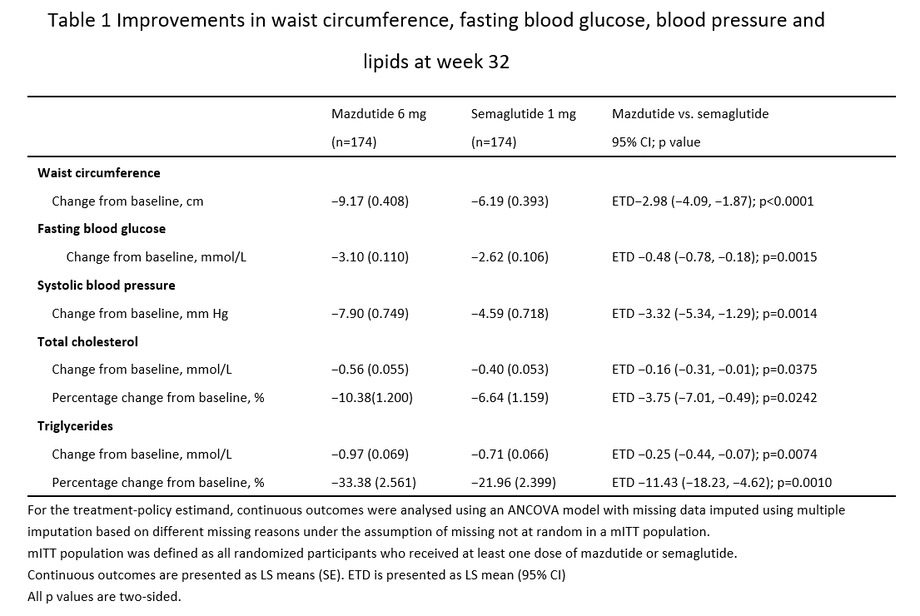
Other notable additions to basic coverage include emicizumab injection, a preventive treatment given under the skin for eligible hemophilia A patients, mazdutide injection strictly for adults with Type 2 diabetes rather than weight loss alone, and xanomeline and trospium chloride capsules for adult schizophrenia. Meanwhile, the commercial catalog added satricabtagene autoleucel, the world's first approved CAR-T therapy for solid tumors targeting eligible advanced gastric cancer patients, alongside bopaidakeji injection, China's first approved gene therapy for adults with moderate or severe hemophilia B.
Yuan Ni, a professor at the School of Public Health at Dalian Medical University, said combining public programs with commercial coverage shields families from catastrophic bills.
Therapies of high value, such as rare disease treatments and CAR-T, often cost hundreds of thousands of yuan or more per year, making them difficult to cover fully under basic insurance's essential mandate, so a tiered security system built from basic insurance, commercial health insurance, medical assistance, and supplementary insurance prevents patients from paying the entire cost themselves.
Early adoption of the commercial catalog has grown steadily. Huang Xinyu reported that by the end of October 2026, the inaugural 18 commercial catalog drugs were stocked at 1,710 medical institutions and designated retail pharmacies, an increase of about 140% in stocking sites compared with before inclusion, serving nearly 30,000 patient visits and generating roughly 600 million yuan in sales, with monthly sales up 70%.
What Changes for Patients, Hospitals, and Drugmakers Next Year
Delivering newly listed drugs to hospital pharmacies on schedule requires coordination across agencies and clear rules for clinics. Wang Li, deputy director of the work injury insurance department at the Ministry of Human Resources and Social Security, said authorities will work jointly to ensure patients can access and reimburse newly discounted drugs starting January 1, 2027, while advancing unified settlement counters combining basic, work injury, and commercial coverage. Hospitals are barred from using total budget caps, formulary size limits, or drug ratio targets to block negotiated medicines, and may apply for special case reviews when complex patients legitimately exceed standard diagnosis payment caps. People holding private health insurance must still verify their individual contracts, as coverage of the 12 newly added commercial catalog drugs depends on policy terms and effective dates.
Patients currently taking four unrenewed drugs removed from the basic list, namely beraprost sodium tablets with extended release, pediatric niuhuang qingxin powder, shenlong ningxin capsules, and pamiparib capsules, retain coverage at original payment standards during a transition period running through June 30, 2027. Drugs transferred from the commercial list into basic insurance keep commercial support policies across two agreement periods spanning four years.
For drugmakers, the expanding payment standard regime creates sharp divergence. One pharmaceutical executive noted that exclusive innovative drugs on the catalog face little disruption, whereas originator brands competing against bulk procured generics risk steep volume losses as patients switch on price. Jin Chunlin argued the reform can actually help originator companies if they adapt: losing a bulk tender previously locked brands out of public hospitals entirely, whereas fixed reimbursement lets them re-enter hospitals at higher prices if they promote clinical value and trim prices closer to what patients will pay. At the same time, Chinese regulators are backing global launches for domestic innovators through regional trading platforms covering Southeast Asia, Central Asia, and Central and Eastern Europe, paired with confidential negotiated price registration to protect overseas reference pricing.
Key milestones trace the evolution and upcoming rollout of these drug pricing and coverage reforms:
- 2019: National bulk procurement pilot plan first calls for aligning insurance payment standards with tender prices within two to three years.
- 2018 to 2024: 530 drugs enter the basic catalog through negotiations, reaching 172.5 billion yuan in public hospital purchases in 2025.
- March 30 and April 14, 2026: General Office of the State Council finalizes and releases Document No. 9 mandating tender based payment standards.
- May 1, 2026: Shanghai launches its fixed amount reimbursement pilot for the 11th national bulk procurement batch.
- November 14, 2026: NHSA signals national expansion of payment standards and releases the 2026 basic and commercial drug catalogs in Suzhou.
- End of December 2026: Provincial agencies guide drugmakers to list newly covered medicines on regional procurement platforms.
- January 1, 2027: Both 2026 drug catalogs take effect nationwide.
- End of February 2027: Designated hospitals must hold pharmacy committee meetings to stock new drugs or open temporary purchase channels.
- June 30, 2027: Transition reimbursement ends for four unrenewed drugs removed from the basic catalog.
- End of 2027: Provinces must launch cloud pharmacy lookup systems enabling residents to search catalog drug availability statewide.
What to Know
- Shanghai's fixed amount reimbursement pilot, running since May 1, 2026, caps public insurance payouts at the bulk procurement winning price for all drugs sharing the same generic name, requiring patients who pick pricier originator brands to pay the difference.
- China's NHSA signaled on November 14, 2026, that this payment standard model will expand nationally for key bulk procured drugs, following the State Council's April 2026 pricing reform directive and early moves by Jiangxi, Fujian, and Hebei.
- Savings from curbing hidden subsidies for nonwinning brands help fund the 2026 basic insurance catalog, which takes effect January 1, 2027, with 107 new drugs including a record 51 Class 1 innovative therapies.
- The 2026 commercial innovative drug catalog expands to 28 high value treatments not paid by basic insurance, while shifting two 2025 commercial drugs, including a CAR-T lymphoma therapy, into basic public coverage.
- Patients gain access to newly covered medicines from January 1, 2027, with hospital stocking meetings due by February 2027 and transition coverage lasting through June 30, 2027, for four removed drugs.