A Major Milestone in Brain Computer Interface Technology
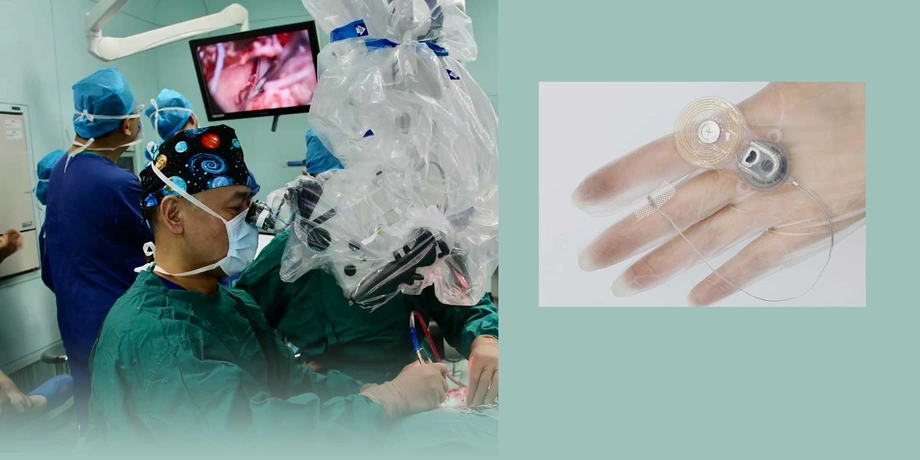
China has approved its first auditory brainstem implant for clinical use among deaf patients, marking a significant step forward in medical technology. The approval was granted on Oct. 19, 2026, by the National Medical Products Administration. Known as the Nurotron WH-01A, the new medical device is classified as a Class III medical system, which represents the highest risk category under the national medical device classification rules. The system was created by a team led by Wu Hao, a surgeon and professor of otolaryngology at Shanghai Jiao Tong University School of Medicine Ninth Peoples Hospital, working alongside Zhejiang Nurotron Biotechnology based in Hangzhou.
Contents
The newly approved system is designed to help patients who cannot use regular cochlear implants because of severe inner ear malformations or an absent cochlear nerve. While standard cochlear implants stimulate the hearing nerve through the inner ear, the auditory brainstem implant bypasses both the cochlea and the nerve entirely. It delivers electrical pulses straight to the cochlear nucleus, which is a structure in the brainstem where all sound information first enters and gets processed by the central nervous system. The device features six components, including a stimulator and a receiving coil, and works alongside an external speech processor to turn digital signals into electrical impulses.
The target group for this technology includes children aged 2 to 6 with nonsyndromic deafness, meaning hearing loss that occurs without other associated physical abnormalities or medical conditions. It is also intended for patients whose deafness was not caused by tumors and who cannot benefit from traditional implants. Clinical trials for the device involved 30 children, and the team completed surgeries and follow up procedures by 2024. After 12 months of device activation, the treatment achieved an effectiveness rate of 96.67 percent, according to domestic media accounts.
This approval arrives as the country accelerates efforts to push brain computer interface technology toward clinical use and commercialization. The national development plan identifies this technology as one of six key future industries. Seven national ministries set joint guidelines in July 2025 to foster a globally competitive industry by 2030. Regulators have also sped up approvals for patient populations affected by conditions such as stroke, Parkinson disease, Alzheimer disease, and spinal cord injuries. Market analysts at CCID Consulting expect the domestic sector to exceed 6 billion yuan by 2028, growing at an annual rate of roughly 18 percent.
Expanding Beyond Traditional Cochlear Implants
Industry leaders are already looking beyond standard hearing devices to build complete product pipelines in the field of neural technology. Li Chu, General Manager of Zhejiang Nurotron Neuroelectronic Technology Company, explained the broader corporate strategy during recent industry discussions. The company is actively expanding invasive brain computer interface pipelines across four main areas, which include auditory rehabilitation, visual rehabilitation, motor disorder rehabilitation, and brain disease diagnosis and treatment.
Company data shows that Nurotron experienced a significant rise in surgical volume following the implementation of national healthcare procurement reforms. Li Chu stated that the firm's cochlear implant surgical volume increased by 75 to 80 percent year-on-year through the end of October. International markets are also growing rapidly for the firm, with products now sold to 25 countries and overseas sales revenue nearly doubling over the same period.
Other domestic manufacturers are pursuing similar high-tech strategies alongside national procurement initiatives. Shanghai Lishengte Medical Technology Company has dedicated substantial financial resources to next-generation research. According to company representatives, total research and development spending has reached nearly 600 million yuan, with over 100 million yuan planned for upcoming investments. Their development targets include fully implantable cochlear implants and closed-loop neural interfaces developed in cooperation with the Shanghai Brain Computer Interface Laboratory.
Transforming Access Through National Procurement Policies
The landscape for hearing restoration devices changed dramatically after national healthcare policies introduced volume-based procurement for high-value medical consumables. Fifth-batch national procurement results for cochlear implants began taking effect across the country in March 2025, bringing the average price down to approximately 50,000 yuan per set. Before these reforms, single-side treatments often cost hundreds of thousands of yuan, placing them out of reach for many families.
This policy shift released pent-up demand across the medical sector. Industry data indicates that the annual surgical implantation volume in the country rose from roughly 13,000 to 14,000 sets up to approximately 20,000 sets in 2025, representing an overall industry increase of over 30 percent. Liu Yuhe, Director of the Otolaryngology Head and Neck Surgery Center at Beijing Friendship Hospital, noted the immediate clinical impact during a national event:
Artificial cochlea central procurement implementation has driven our team to perform over 250 cochlear implant surgeries, nearly matching our total volume for the previous year.
The reforms also altered how manufacturers compete in the healthcare market. With prices standardized across brands, competition has shifted toward clinical service quality, brand reputation, and patient management. While foreign companies previously dominated the sector due to decades of clinical experience, domestic firms have successfully expanded their footprint into regional and county-level hospitals where the majority of patients now receive care.
Addressing Remaining Hurdles in Patient Care
Despite the success of price reforms, healthcare providers and manufacturers face several practical challenges in delivering these advanced medical treatments to everyone who needs them. Public awareness of hearing loss interventions remains remarkably low. Industry surveys indicate that fewer than one in ten thousand people understand that severe hearing loss can be treated medically rather than simply accepted as a natural part of aging.
Medical training also presents a long-term challenge for the healthcare system. Cochlear implants and brainstem devices require multidisciplinary surgical teams, and specialized expertise was previously concentrated mostly in major metropolitan medical centers in cities like Beijing, Shanghai, and Guangzhou. To fix this gap, domestic manufacturers have organized systematic training programs, inviting top ear specialists to teach surgeons at regional and county hospitals how to perform the complex procedures.
Supply chain coordination and payment policies create additional hurdles for widespread adoption. Although most provinces now cover cochlear implants through public medical insurance, a few regions have not yet included them in their reimbursement catalogs. Hospitals outside the initial procurement agreements sometimes experience long payment collection cycles, which puts financial pressure on the companies supplying the medical devices.
Building a Global Industry and Research Ecosystem
Research and development activities are clustering in specific geographic hubs across the nation, according to recent industry findings. The China Academy of Information and Communications Technology and the Brain-Computer Interface Industry Alliance published a comprehensive research study at a major technology conference in Beijing. The study revealed that the global number of neural interface enterprises reached 1,175, with domestic activities heavily concentrated within three major urban clusters.
The study highlights how different regions specialize in distinct parts of the industrial chain. The Beijing-Tianjin-Hebei area focuses on high-precision projects with strong financing conversion rates, the Yangtze River Delta benefits from leading enterprise leadership and investment environments, and the Guangdong-Hong Kong-Macao region excels in manufacturing with numerous small and medium enterprises. Experts note that current revenue in the sector stems mainly from research and medical applications, while non-medical consumer applications remain in their early stages.
International expansion has become a primary goal for domestic medical device makers. Companies are actively seeking international regulatory approvals to bring Chinese neural technologies to patients worldwide. Lishengte has initiated overseas projects targeting Southeast Asian nations and the European Union, while Nurotron products have already entered markets such as Spain, Argentina, India, and Turkey.
Timeline of Key Developments
- October 19, 2026: China National Medical Products Administration approves the Nurotron WH-01A auditory brainstem implant.
- November 21, 2026: Research report on neural interface development is released at the annual technology conference in Beijing.
- December 2024: Clinical trial surgeries and follow-up procedures for the auditory brainstem implant are completed.
- March 2025: Fifth-batch national procurement results for cochlear implants take effect across the country.
The Bottom Line
The approval of the nation's first auditory brainstem implant and the broader rollout of national healthcare reforms have transformed the treatment landscape for thousands of deaf patients. Here are the main developments:
- The Nurotron WH-01A was approved as a Class III medical device to help patients who cannot use traditional cochlear implants.
- Clinical trials for the auditory brainstem implant demonstrated a treatment effectiveness rate of nearly 97 percent after 12 months.
- National medical procurement reforms lowered device prices, raising annual surgical implant volumes to about 20,000 sets.
- Domestic companies are expanding international sales while developing advanced neural technologies across multiple medical fields.