Why Thailand Scrapped a Major Warship Contract
On November 18, 2026, the Royal Thai Navy announced that it had canceled a frigate procurement contest valued at roughly 17 billion baht, or $500 million, overturning the September selection of South Korean shipbuilder Hanwha Ocean.
Contents
- Why Thailand Scrapped a Major Warship Contract
- The Missing Financial Rule in the Bidding Documents
- Six Shipbuilders Competed Before One Complaint Upended the Contest
- Hanwha Ocean Petitions the Ombudsman as Rivals Weigh a Return
- Leadership Handover and Scrutiny Over an Unsigned Contract
- Budget Deadlines, Fleet Plans, and the HTMS Bhumibol Adulyadej
- Timeline of the Thai Frigate Procurement Dispute
- Key Points
Rear Admiral Chanin Sriyaphai, spokesperson for the Royal Thai Navy, confirmed that the Appeals and Complaints Committee under the Ministry of Finance's Comptroller General's Department had ordered the cancellation. While some procurement summaries put the tender value slightly higher at $508 million, Hanwha Ocean had won preferred bidder status on September 8 with an offer of 16.73 billion baht, equivalent to 683.3 billion won at the time and about 270 million baht below the 17 billion baht budget ceiling.
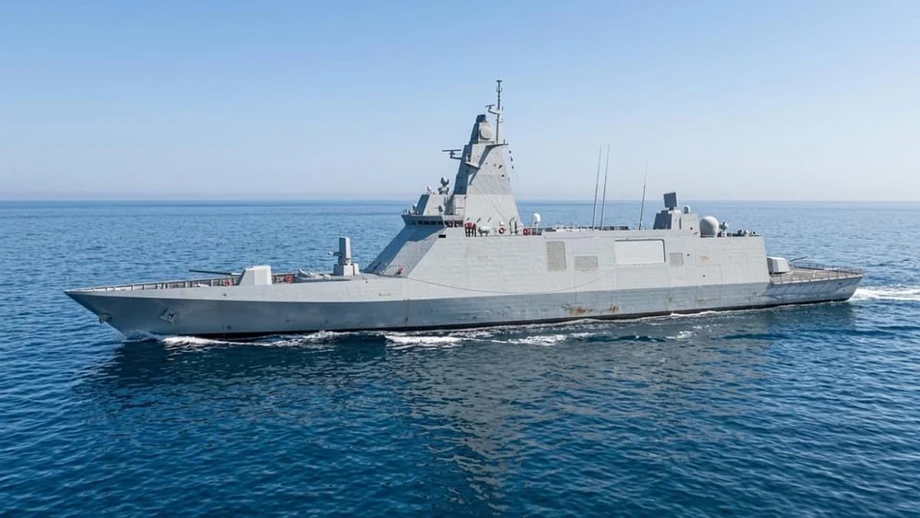
A frigate is an agile warship built to escort larger vessels, patrol sea lanes, and defend against threats from the air, the sea surface, and underwater. Thailand planned to buy one vessel displacing around 4,000 metric tons, along with maintenance and operational support, before an objection from a rival group forced officials back to the starting line.
The Missing Financial Rule in the Bidding Documents
Government procurement rules in Thailand require clear standards for a company's past work before it can compete for major defense contracts. Under regulations issued by the Ministry of Finance, the navy's Terms of Reference, the formal rulebook telling companies what to build and how to qualify, had to specify a financial value for prior frigate construction contracts equal to 50 percent of the project budget, or about 8.5 billion baht. While some descriptions frame that 50 percent mark as a maximum ceiling rather than a minimum floor, the appeals panel ruled that omitting a specific monetary figure violated legal requirements.
Thai naval planners had required bidders to show experience building frigates, yet they left out any specific baht threshold. On November 18 and 19, navy officials acknowledged this omission while insisting that the mistake resulted from an administrative oversight rather than corruption or bias toward any bidder.
Rear Admiral Chanin Sriyaphai explained on November 19 why the navy's original drafting team had omitted the 8.5 billion baht figure, noting that no real frigate carries that exact price tag.
We must admit that the terms of reference were incomplete and not in line with legal requirements, and we respect the ruling. In reality, however, a frigate costing 8,500 million baht does not exist. At the time, we thought writing that a company must have previously built a frigate worth 8,500 million baht served no practical purpose. Because the navy wanted to buy a frigate, we simply asked bidders to present past contracts for building frigates. Since it is mandatory to state that figure and it was missing, we have to redo the documents to comply with the rules.
In issuing its order, the Appeals and Complaints Committee cited Section 119, paragraph two of the Public Procurement and Supplies Administration Act B.E. 2560, enacted in 2017. That law governs how Thai state agencies buy goods and services, and it empowers the finance ministry's review board to scrap an entire tender when a flaw in the bidding rules materially affects the competition.
Six Shipbuilders Competed Before One Complaint Upended the Contest
Six international defense shipbuilders had entered the original contest, proposing designs that ranged from roughly 3,000 to 4,000 metric tons. Each bidder had to meet requirements covering defense against aircraft, warfare against submarines, combat against surface ships, and defenses against drones, alongside a rule that at least 20 percent of construction take place inside Thailand.
Hanwha Ocean entered the 4,000 metric ton Ocean-40F, the largest vessel in the field, offering extended range at sea and room for future weapon upgrades. Five other contenders submitted competing proposals:
- HD Hyundai Heavy Industries of South Korea proposed a design derived from its HDF-3000 and FFX Batch III warships.
- The Thai Frigate Building Consortium, a venture based in Thailand partnering with Spain's Navantia, offered the ALFA 3000 design.
- Singapore Technologies Engineering, known as ST Engineering, entered a variant based on its Formidable-class frigates.
- ASFAT, a defense shipbuilder backed by the Turkish state, proposed its Istanbul-class design, also called the ISTIF-class.
- TAIS Shipyards, another Turkish defense company, submitted a variant of the MİLGEM and TF-class warship line.
Exact weapon packages in each proposal stayed confidential, though the contenders offered combinations of naval guns, missiles designed to strike enemy ships, combat management computers, and vertical launch systems, which are armored deck cells that fire missiles straight upward for rapid defense. Hanwha Ocean emerged as the only company to pass the navy's technical screening.
After Hanwha Ocean won selection in September, all five unsuccessful contenders filed formal appeals. The Ministry of Finance panel rejected the complaints from HD Hyundai Heavy Industries, ST Engineering, ASFAT, and TAIS Shipyards after finding insufficient grounds, leaving only the objection from the Thai Frigate Building Consortium, which succeeded and triggered the cancellation.
Hanwha Ocean Petitions the Ombudsman as Rivals Weigh a Return
South Korean executives moved quickly to challenge the cancellation order through Thailand's administrative oversight channels. Jeong Sung Kyung, senior executive vice president and head of global naval business at Hanwha Ocean, signed a petition sent to the Office of the Ombudsman asking it to investigate whether canceling the selection process broke Thai law. An ombudsman is an independent public official empowered to examine complaints of unfair government action and recommend corrective steps.
A Hanwha Ocean representative stated in public remarks that the company learned of the cancellation through media coverage and was checking the official notification from Bangkok. The company noted that it understood the ruling centered on how guidelines had been applied during procurement and said it would review its next steps once the navy's follow-up measures become clear.
Royal Thai Navy officials rejected suggestions that the company could sue Thailand for damages or collect financial compensation. Rear Admiral Chanin Sriyaphai explained that no formal construction contract had been signed and Hanwha Ocean had not yet spent money or made investments under a binding deal, leaving the navy confident it faces no legal liability.
Officials also confirmed that Hanwha Ocean remains free to compete again when bidding reopens, alongside its five former rivals. HD Hyundai Heavy Industries has not yet decided whether to reenter the contest because the revised bidding terms could shift, while the restart keeps the door open for Turkish exporter ASFAT and other contenders to adjust their offers.
Leadership Handover and Scrutiny Over an Unsigned Contract
Questions over transparency had followed the selection long before the November ruling because Hanwha Ocean was the lone bidder to qualify. On September 18, ten days after Hanwha Ocean submitted its bid, then Navy Commander Admiral Pairote Fuangchan held a briefing to reject allegations that specifications had been written to favor one company.
Admiral Pairote told the public that the navy demanded high combat standards to protect the sailors who would serve aboard the ship, and he noted that watchdog observers fighting corruption had monitored the process under an integrity pact, a formal agreement where buyers and bidders pledge clean conduct under outside supervision. He outlined five guiding principles for the procurement team: strict legal compliance, open scrutiny at every stage, equal treatment for all bidders, value over the ship's service life, and maximum benefit for Thailand through technology sharing and domestic shipbuilding.
Admiral Pairote retired on September 30 without signing the final purchase contract, leaving the unfinished deal to his successor, Admiral Nares Wongtrakul. Prime Minister and Interior Minister Anutin Charnvirakul signed paperwork acknowledging the selection outcome, though officials noted that acknowledging a bid result is separate from signing a binding purchase contract.
With the contest restarted, officials must examine the earlier procurement round to determine whether any misconduct occurred, including potential offenses under Section 157 of Thailand's Criminal Code, which covers official malfeasance, corruption, or rigging bids. Canceling a tender on appeal does not establish criminal wrongdoing by itself, and officials have not announced any charges or findings of misconduct.
Budget Deadlines, Fleet Plans, and the HTMS Bhumibol Adulyadej
Navy Commander Admiral Nares Wongtrakul addressed the setback on November 20 during ceremonies marking the 121st anniversary of the Royal Thai Navy, with further remarks published the following day. He confirmed that the navy had already formed a new project management committee chaired by Chief of Staff Vice Admiral Tepparit Laplua to rewrite the Terms of Reference and oversee a clean, lawful tender.
Time pressure now shapes every step of the restart. Preparing fresh bidding rules and running a new selection is expected to take about six months, while the navy faces a strict deadline to sign a contract by the end of September 2027, the close of Thailand's 2027 fiscal year, or risk having to return the allocated money to the national treasury.
Delays in acquiring the new warship will force the navy to adjust its plans for retiring older ships and scheduling maintenance across the active fleet. This single frigate is part of a broader modernization drive worth roughly $1 billion aimed at acquiring four frigates by 2037, with the first two vessels funded under Thailand's national budget running from 2026 to 2032. Unconfirmed talk has circulated about bundling two frigates into the revised tender instead of ordering just one, though the navy has announced no decision to expand the purchase.
Scrutiny of Hanwha Ocean's earlier delivery to Thailand, the frigate HTMS Bhumibol Adulyadej, also surfaced during the controversy after that vessel experienced mechanical trouble and problems with its onboard weapons. Admiral Nares stated on November 20 that the cancellation does not disrupt maintenance on HTMS Bhumibol Adulyadej, noting that its engines are now installed and the ship is ready for missions, while a naval committee continues talks with the contractor under existing contract terms to resolve issues with its Phalanx defense gun designed for rapid fire.
Timeline of the Thai Frigate Procurement Dispute
Events surrounding the 17 billion baht frigate project unfolded across three months of bidding, leadership transitions, and legal challenges, with tight deadlines ahead.
- September 8, 2026: Hanwha Ocean submits an offer of 16.73 billion baht, or 683.3 billion won, and wins selection as preferred bidder.
- September 18, 2026: Outgoing Navy Commander Admiral Pairote Fuangchan defends the selection process and outlines five procurement principles.
- September 30, 2026: Admiral Pairote retires without signing the purchase contract, passing responsibility to incoming commander Admiral Nares Wongtrakul.
- November 16, 2026: Admiral Nares orders staff to gather details on the reported appeals ruling ahead of formal receipt of the order.
- November 18, 2026: Royal Thai Navy spokesperson Rear Admiral Chanin Sriyaphai confirms the tender cancellation following the Ministry of Finance appeals ruling.
- November 19, 2026: Navy officials explain the missing 8.5 billion baht experience rule as Hanwha Ocean petitions the Office of the Ombudsman.
- November 20, 2026: Admiral Nares announces a new project management committee chaired by Vice Admiral Tepparit Laplua and confirms engine installation on HTMS Bhumibol Adulyadej.
- September 2027: Final deadline for the Royal Thai Navy to sign a new frigate contract before allocated budget funds expire.
- 2037: Target year for Thailand to complete its plan to field four frigates.
Key Points
- Thailand canceled its 17 billion baht, or $500 million, frigate tender on November 18, 2026, overturning Hanwha Ocean's September 8 selection.
- A Ministry of Finance appeals committee upheld a complaint from the Thai Frigate Building Consortium, backed by Spain's Navantia, while rejecting appeals from four other rivals.
- The tender failed because the navy omitted a required financial threshold, about 8.5 billion baht or 50 percent of project value, for bidders' past frigate contracts.
- Hanwha Ocean petitioned Thailand's Ombudsman to review the cancellation, though the navy says no contract was signed and no compensation is owed.
- A new committee led by Vice Admiral Tepparit Laplua must rewrite the rules and restart bidding, a process expected to take six months that faces a strict September 2027 contract deadline.