Samsung Mobile Records Second Consecutive Quarterly Loss
Samsung Electronics reported financial results for the third quarter of 2025, revealing that the Mobile eXperience and Networks Businesses posted a consolidated revenue of KRW 34.1 trillion and an operating loss of KRW 3,600 billion. The official Samsung Electronics Announces Third Quarter 2025 Results detailed the company-wide performance for the period ending September 30, 2025, showing total consolidated revenue of KRW 86.1 trillion and an operating profit of KRW 12.2 trillion. While the Device eXperience Division posted an 11% revenue increase quarter-on-quarter due to successful product rollouts, the mobile sector struggled with profitability.
Contents
The operating loss for the mobile division followed a similar deficit in the preceding quarter, marking a prolonged period of financial strain for the smartphone unit. Despite growing sales volumes, soaring expenses tied to essential hardware components prevented the division from translating strong consumer demand into operational earnings.
Soaring Memory Component Costs Outpace Smartphone Prices
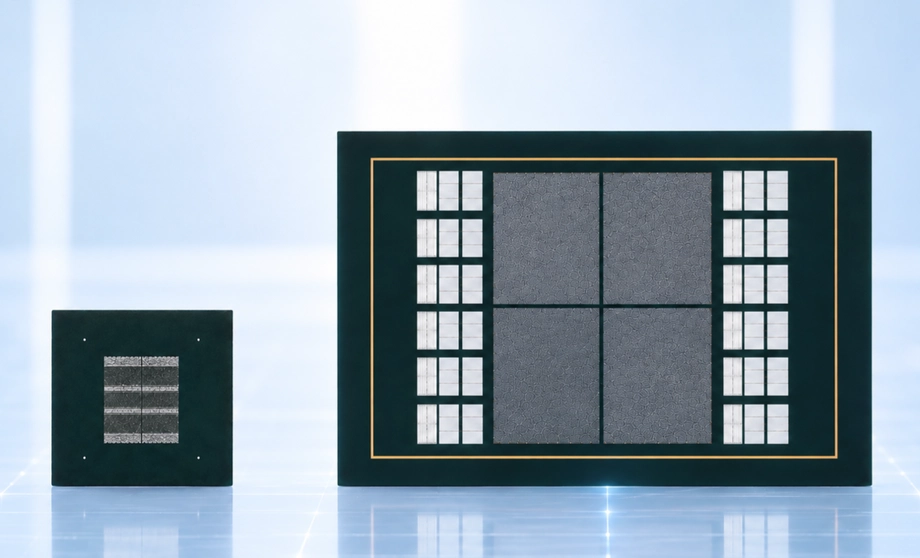
The core financial challenge stems from a steep surge in memory semiconductor prices driven by intense demand for artificial intelligence infrastructure. As major chip manufacturers diverted production capacity toward high-bandwidth memory and server-grade components to supply artificial intelligence data centers, mobile memory supplies tightened significantly.
Memory chips became the most expensive component in smartphone manufacturing, surpassing the cost of mobile application processors. Average purchasing prices for mobile memory consumed by the Device eXperience Division spiked by 263% compared to the previous annual average, while memory selling prices across the semiconductor sector jumped by approximately 270% during the third quarter. Meanwhile, the average selling price of Samsung smartphones increased by only 13% over the same comparison period, making it impossible for the company to fully pass component price hikes on to consumers without hurting sales.
Foldable Smartphone Leadership and Production Growth
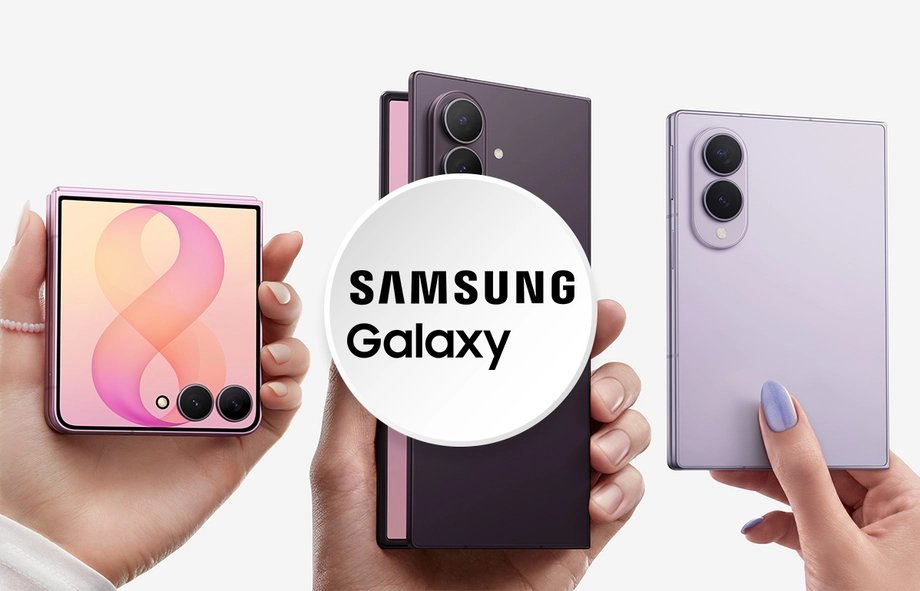
Strong consumer reception of new foldable devices helped drive volume growth despite the adverse cost environment. According to market data from Samsung Electronics Announces Third Quarter 2025 Results, the successful launch of the Galaxy Z Fold7 and related foldable models contributed to year-over-year and quarter-over-quarter sales expansion in the mobile division. Global market tracking indicated that Samsung captured 69% of the worldwide foldable smartphone market during the third quarter, with total foldable shipments rising by 13% even as the broader foldable category experienced a slight contraction.
Production figures remained robust, with total smartphone manufacturing reaching 167.79 million units during the first nine months of the year, representing a 4.2% increase compared to the same period in the prior year. Shipment market share data from Counterpoint Research showed Samsung holding a 22% share of the global smartphone market in the third quarter, up from 19% in the same period of the previous year.
Leadership Transition and Strategic Cost Control
In response to ongoing financial challenges, leadership restructuring aims to reinforce operational efficiency across the mobile division. Choi Won-jun assumed the role of President and Head of the Mobile eXperience Business, succeeding Roh Tae-moon, who had led the mobile unit since late 2019. The leadership change comes as the company navigates strict cost-reduction measures, including a directive across the Device eXperience Division to implement double-digit percentage expense cuts and optimize operational workflows.
Operational adjustments involve tightening travel budgets for management personnel and recalibrating fourth-quarter parts procurement. Component order forecasts submitted to suppliers in October reflected a 20% to 30% reduction compared to preliminary estimates set prior to the autumn holiday period.
Global Market Comparison and Competitor Performance
Competitors across the mobile industry faced divergent financial conditions amid the broader component cost pressures. Apple reported fiscal year revenue of $478.8 trillion alongside operating profit of $158.1 billion, driven largely by premium iPhone sales that accounted for more than half of total revenue. Xiaomi navigated the component cost environment with a projected annual revenue of 436.2 billion yuan and an operating profit of 26.3 billion yuan, supported by portfolio optimization despite a 22.9% drop in first-half smartphone shipments caused by rising core component expenses.
Market share tracking for the third quarter highlighted Apple expanding its smartphone shipment share to 21%, up from 18% a year earlier. In contrast, several Chinese manufacturers experienced declines in market presence, leaving Apple and Samsung as the primary brands that grew their shipment share during the period.
The Essentials
- Samsung reported a mobile division operating loss of KRW 6,000 billion for the third quarter of 2025.
- Memory semiconductor purchasing prices surged by 263% compared to previous annual averages.
- Samsung captured 69% of the global foldable smartphone market in the third quarter.
- Choi Won-jun was appointed as the new head of the Mobile eXperience Business.
- The company implemented strict cost-reduction measures and scaled back fourth-quarter component orders.