Extending Visa-Free Travel for Tourism and Business
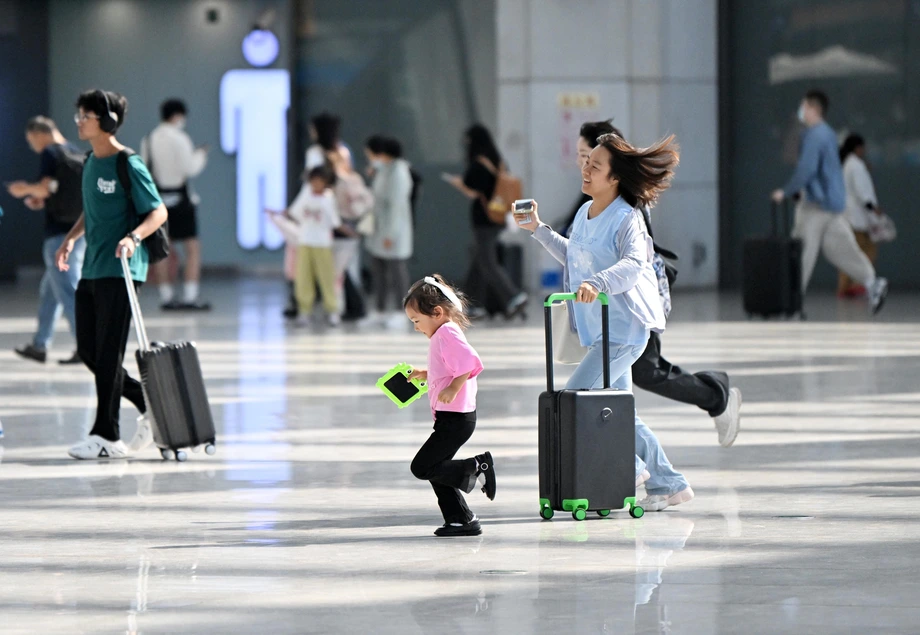
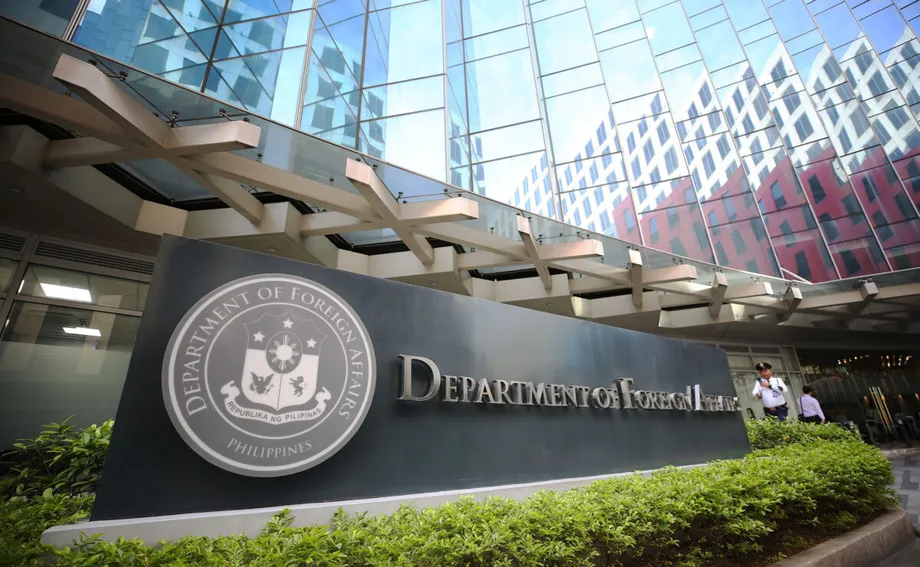
The Philippines has decided to prolong a special travel policy that allows citizens of China to visit the country without obtaining a visa beforehand. Announced on Monday, November 23, the Department of Foreign Affairs stated that the 14-day visa-free entry privilege will remain in effect until January 15, 2028. The policy, first launched in January 2026, aims to attract more international travelers and boost economic investments while keeping national borders secure.
Contents
Under the renewed guidelines, eligible visitors arriving for tourism or business can stay in the country for a maximum of 14 days. This short visit allowance cannot be extended or changed into any other type of visa category once the traveler arrives. Government officials noted that the decision follows a presidential directive issued on November 11 to keep key tourism markets open and accessible.
Specific Requirements and Strict Entry Ports
Travelers hoping to take advantage of the visa-free policy must meet several mandatory entry requirements. Every visitor must carry a passport that remains valid for at least six months beyond their planned departure date from the Philippines. In addition to a valid passport, tourists must present confirmed hotel bookings and a return or onward travel ticket.
Entry into the country under this policy is strictly limited to two major airports. Visitors must fly through either the Ninoy Aquino International Airport in Metro Manila or the Mactan-Cebu International Airport in Cebu. Anyone arriving through other airports or ports must secure traditional visas beforehand. Furthermore, travelers must complete eTravel registration forms and pass all routine screening procedures conducted by the Bureau of Immigration.
Balancing Tourism Growth Against Security Concerns
Tourism officials have strongly supported the continuation of the policy, pointing to a sharp rebound in visitor numbers from China. Department of Tourism figures recorded 394,394 visitors from China between January 1 and November 4, representing a 69.8 percent increase compared to the previous year. Acting Tourism Secretary Ma. Bernardita Angara-Mathay praised the growth, noting that making travel easier helps generate widespread economic benefits for local workers and businesses.
Not all government figures share this enthusiasm, as the policy has faced pushback over law enforcement concerns. Former Presidential Anti-Organized Crime Commission spokesperson Winston Casio publicly criticized the decision as a careless policy, arguing that short visit privileges might be exploited by individuals connected to illegal offshore gaming operations and scam hubs. Ombudsman Jesus Crispin Remulla also raised warnings regarding potential abuses such as overstaying, echoing worries that economic gains might be outweighed by security risks.
Navigating Diplomatic Tensions and Transit Rules
The visa-free extension moves forward despite ongoing diplomatic friction between Manila and Beijing regarding competing claims in the South China Sea. Tensions flared in October following sharp remarks from Chinese Ambassador Jing Quan, prompting the foreign ministry to summon the ambassador and criticize subsequent statements as undiplomatic. Despite these geopolitical disputes, the administration of President Ferdinand Marcos Jr. has maintained that bilateral economic and tourism ties can operate independently of maritime disagreements.
Special transit rules apply for individuals who are not visiting the Philippines as their final destination. Chinese travelers who are simply passing through the country to catch another flight must secure an appropriate transit visa. Anyone attempting to bypass immigration rules or holding derogatory records with local authorities will be denied entry, regardless of the visa-free framework.
Comparing Regional Visitor Markets
The Philippines continues to apply similar conditional visa-free arrangements to other key Asian markets as part of broader efforts to revive the national tourism sector. India has emerged as another fast-growing source market, supported by relaxed visa requirements and expanding aviation agreements. Arrivals from India reached 101,146 by November 19, marking a 24 percent year-on-year increase. Aviation connectivity has also improved, highlighted by new nonstop flights between major regional hubs.
Despite the recent surge in arrivals, Chinese visitor numbers remain well below pre-pandemic records. In 2019, the Philippines welcomed 1.74 million visitors from China, making it the second-largest tourism market at the time. Current arrivals place China as the fourth-largest source of international visitors, trailing behind the United States, South Korea, and Japan.
Reviewing Past Investigations and Enforcement
Government agencies continue to monitor foreign arrivals following raids on suspected illegal offshore gaming operations that placed short-term entry policies under intense scrutiny. Law enforcement bodies previously investigated how foreign nationals involved in unlawful operations managed to enter and remain in the country. Authorities are currently compiling custodial data from recent operations to determine whether individuals overstayed tourist visits or entered without proper documentation.
The Department of Foreign Affairs stated that it will maintain close coordination with the Bureau of Immigration and law enforcement agencies to oversee the implementation of the policy. Officials are tasked with assessing whether the entry framework creates vulnerabilities that criminal networks could exploit. No immediate suspensions were announced, but internal reviews continue to evaluate the long-term impact of open-access travel policies.
At a Glance
- The 14-day visa-free entry privilege for Chinese nationals is extended until January 15, 2028.
- Eligible travelers must enter exclusively through airports in Manila or Cebu.
- Requirements include a passport valid for six months, hotel bookings, and return tickets.
- Chinese visitor arrivals rose nearly 70 percent, reaching nearly 400,000 in late 2026.
- Officials from the Department of Justice and anti-crime bodies called for policy reviews over security concerns.