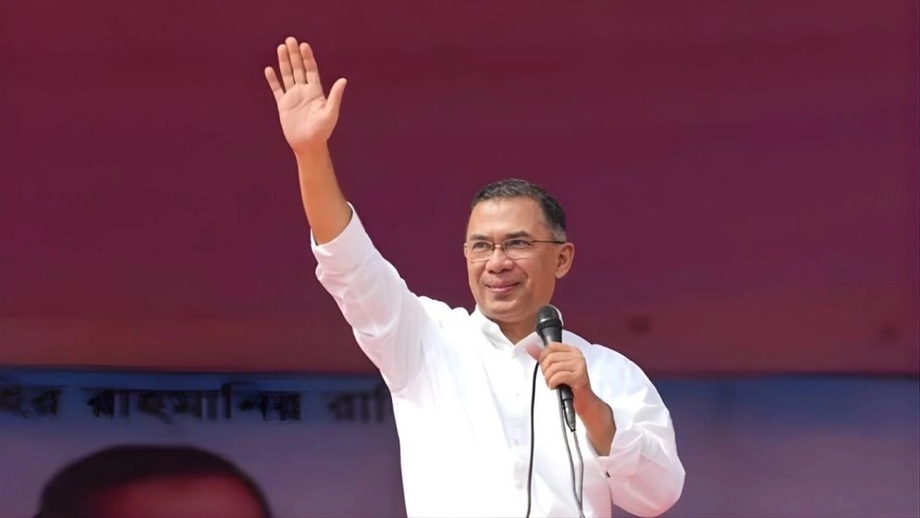
Clarification Issued Over Lalmonirhat Address
Government officials in Dhaka addressed foreign media reports on November 22, 2026, stating that Prime Minister Tarique Rahman named no country during his public address in Lalmonirhat. The Ministry of Foreign Affairs responded to inquiries regarding coverage from several foreign outlets that claimed the Prime Minister blamed India for domestic unrest involving the activity-banned Awami League.
Contents
The controversy stems from a speech delivered by Prime Minister Tarique Rahman on November 19, 2026. The address took place after he inaugurated the Mahendranagar Model Canal re-excavation programme in Lalmonirhat Sadar upazila at a public meeting organised by the local district branch of the Bangladesh Nationalist Party.
A Foreign Ministry spokesperson clarified the official position regarding the address. The remarks emphasised that international security was being threatened by transnational actions from political groups previously removed from power.
The speech was misreported by these media since he did not mention any country by name.
The spokesperson further detailed the government stance on the activities of the banned political faction outside national borders. The official stated that individuals associated with the ousted administration were operating across multiple continents.
They are globalising their terror and creating serious security problems in different countries. Their heinous acts are endangering Bangladesh's standing abroad. They are also harming our expatriate communities by painting a negative image of them. All countries have a duty to eradicate this menace before it spreads its vile roots.
New Delhi Responds to Regional Developments
Official representatives from the government in New Delhi addressed the situation during a media briefing. Randhir Jaiswal, Official Spokesperson at the Indian Ministry of External Affairs, spoke during a bi-weekly media briefing in New Delhi on Friday regarding bilateral ties.
The Indian foreign ministry representative emphasised the desire for cooperative diplomatic relations between the two neighbours. The official noted that diplomatic ties remain grounded in historical cooperation and shared cultural heritage.
As for the other remarks made there, I would like to make it clear that we do not wish to comment on Bangladesh's internal affairs.
This diplomatic exchange follows heightened political tensions within Bangladesh. Prime Minister Tarique Rahman had called upon citizens during his Lalmonirhat visit to unite against renewed political violence and arson attacks attributed to opposition elements.
The Prime Minister referenced a group that had ruled the nation for 16 years before being removed from power following mass uprisings in 2024. He warned citizens that political actors who fled across the border were attempting to destabilise communities through covert attacks.
Fact-Checking Claims of Communal Violence in Narail
Independent verification efforts challenged widespread media accounts concerning retaliatory violence in Narail district. The unrest occurred on November 20, 2026, following the killing of two local Bangladesh Nationalist Party leaders during a motorcycle procession attack attributed to activists of the Awami League and its student wing, Chhatra League.
Field investigations conducted by national journalists in Bendar Char recorded at least 40 damaged houses resulting from arson, vandalism, and looting. Local authorities confirmed that the targeted properties belonged exclusively to individuals affiliated with the banned political organisation.
Official statements from Narail district police confirmed that no Hindu families resided within the specific locality of Bendar Char. Consequently, local law enforcement designated reports of widespread communal targeting as entirely fabricated.
Ghoshpara, a predominantly Hindu neighbourhood located approximately four kilometres away in Boro Kalia village, remained largely unaffected by the surrounding political reprisal. Local residents confirmed that only the residence of Krishnapada Ghosh, a former upazila chairman and political activist, experienced attacks.
Refuting Exaggerated International Media Figures
Foreign broadcasting networks published conflicting casualty and property destruction estimates following the Narail incidents. Kolkata-based news outlet Zee 24 Ghanta broadcast claims on YouTube and Facebook alleging that 300 Hindu residences were burned across Narail and Pabna districts.
Additional digital platforms, including Republic World, News18 Bangla, and Hindustan Times Bangla, published reports stating that between 200 and 300 homes belonging to minority populations had been destroyed. These platforms frequently cited statements attributed to the banned Chhatra League without providing independently verifiable evidence.
Mainstream Bangladeshi journalists attempted to contact several international broadcasting organisations for clarification regarding their published figures. Emails dispatched to News18 Bangla, Zee 24 Ghanta, Republic World, and Hindustan Times Bangla received no responses prior to publication deadlines.
Alternative foreign reports presented differing accounts of the property damage. The Telegraph reported that nearly 30 political offices and residences were burned, while The Indian Express characterized the disturbances as targeted actions against political partisans rather than religious communities.
Analysis of Misinformation Trends
Data compiled by domestic fact-checking organisations highlighted a broader pattern of inaccurate reporting concerning regional events. A specialized study conducted by Rumor Scanner documented 140 misinformation reports published by 73 foreign media outlets regarding Bangladesh throughout 2025.
Local journalists and press representatives noted that misinformation frequently originated from unverified social media profiles. Mahbubur Rashid Lablu, general secretary of Narail Press Club, dismissed allegations circulated by online commentators claiming that media workers faced operational obstructions in disaster zones.
Pro-online accounts affiliated with the banned political formation actively amplified unverified casualty statistics. Digital pages such as Mujib Chronicles disseminated claims regarding hundreds of destroyed properties and alleged abductions in Narail Sadar upazila, garnering thousands of online interactions.
Local community members rejected these online narratives directly. Gopi Ghosh, a resident of Ghoshpara, confirmed that neighbourhood safety remained intact outside of the single political target, while Baishakhi Ghosh affirmed that local families continued normal daily routines without communal friction.
Timeline of Key Events
- November 17, 2026: Arson attacks target a police station, security vehicles, and political properties in Tungipara, leading to increased security deployments and investigations using video evidence.
- November 19, 2026: Prime Minister Tarique Rahman delivers a public address in Lalmonirhat regarding political accountability and transnational security threats.
- November 20, 2026: Political reprisal attacks occur in Bendar Char following the deaths of local party activists in Narail district.
- November 21, 2026: Field inspections by journalists verify property damage in Bendar Char while local police issue statements refuting communal violence claims.
- November 22, 2026: The Ministry of Foreign Affairs issues official clarifications regarding foreign media misinterpretations of the Prime Minister's remarks.
The Bottom Line
- Government officials confirmed that Prime Minister Tarique Rahman did not reference any specific nation during his November 19 policy speech.
- Field investigations in Narail verified that property destruction was directed at political partisans rather than religious minority communities.
- District police and local residents refuted foreign news reports claiming that hundreds of minority residences were burned.
- Fact-checking data indicates a continuing trend of unverified claims originating from banned political factions and international media outlets.