Foreign Airlines Seek Transition Delay
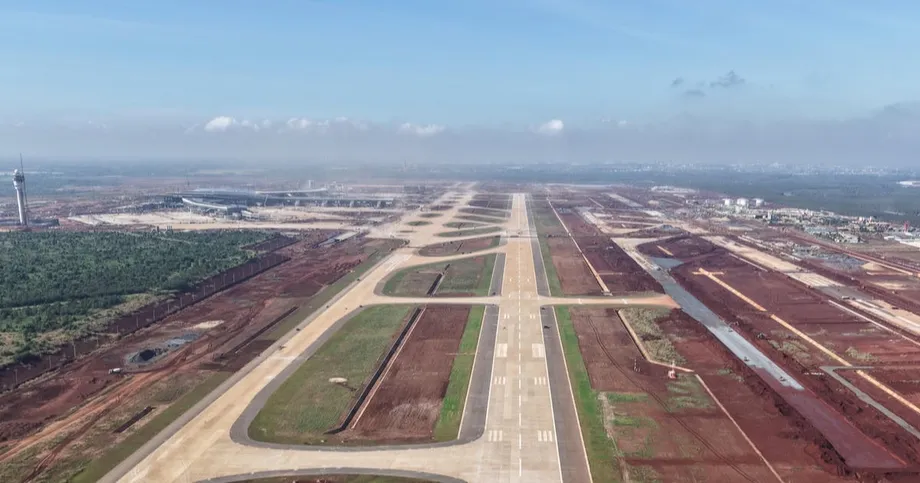
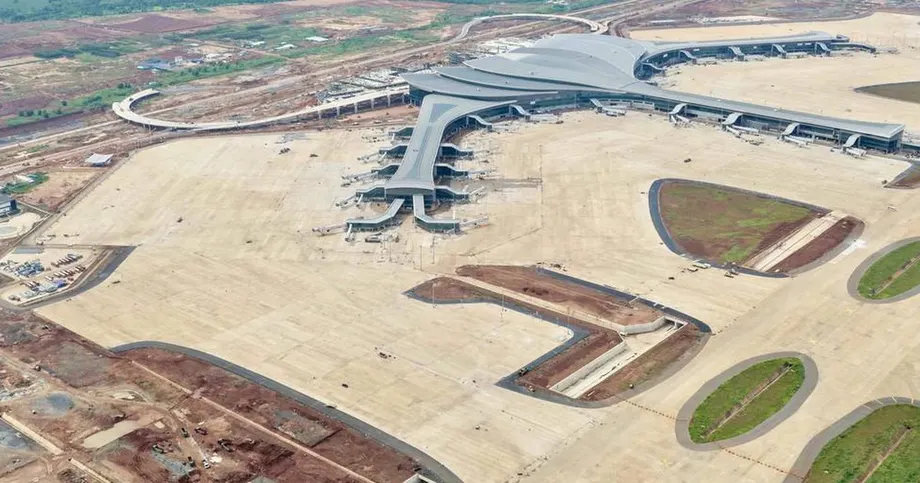
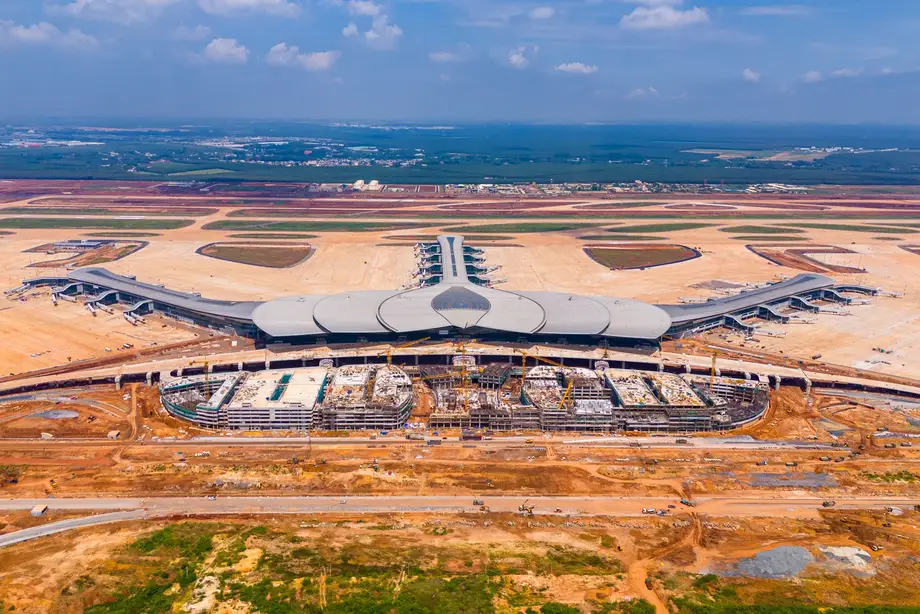
Thirty-four foreign carriers have requested a delay in moving their operations from Tan Son Nhat International Airport to the new Long Thanh International Airport. The £16 billion project, located in Dong Nai City about 40 kilometers east of Ho Chi Minh City, is scheduled to open its doors on December 24, 2026. A survey by the Civil Aviation Authority of Vietnam revealed that 24 of these international airlines want to postpone their relocation until the winter 2027 flight schedule in late October, while the remaining 10 aim for the summer 2028 schedule or later. While all surveyed carriers support the eventual transition to the modern aviation hub, they argue that moving too soon without full operational integration could disrupt their services and hurt their competitiveness.
Contents
An airline representative operating flights between Ho Chi Minh City and India explained the complex preparation process required for such a massive move. The representative noted that shifting an entire operational setup involves adjusting route networks, deploying aircraft, training flight crews, and organizing ground handling and ticketing systems, which typically takes between 6 and 12 months. Speaking about the logistical hurdles, the airline representative stated:
Moving our entire operational setup from Tan Son Nhat to Long Thanh before its infrastructure is fully integrated will pose major challenges to operations.
The representative added that passengers only care about the service they receive directly from the airline rather than whether an airport has sufficient facilities to meet their needs. If passengers experience repeated inconveniences due to early relocation, they may choose to fly with competing airlines instead.
Logistics and Cargo Challenges
International logistics companies and cargo operators have raised serious concerns about the readiness of dedicated freight facilities at Long Thanh. Organizations such as the International Express Carriers Association, representing DHL-VNPT, FedEx Express Vietnam, and UPS Vietnam, warned the Ministry of Construction that moving express cargo operations by summer 2027 is not feasible. The Association pointed out that package 7.8, which covers the first cargo terminal and its auxiliary structures, might not be fully completed by December and lacks designation for express customs clearance. Furthermore, express cargo operators estimate they need 12 to 18 months just to build basic warehouse infrastructure, followed by another 12 months to install specialized equipment and operating systems. A representative for an international cargo carrier explained that the airline remains unsure how it will operate a dedicated warehouse at the new site or transport goods from satellite warehouses used by importers and exporters. Foreign carriers also face regulatory hurdles, such as the requirement for the United States Transportation Security Administration to conduct an on-site safety inspection before direct cargo flights to the United States can launch from Long Thanh.
Road Connectivity and Passenger Journeys
Travelers heading to the new airport will rely heavily on road transport during the initial phase because rail links are not yet operational. A representative for an international airline operating flights to Japan pointed out that most passengers have Ho Chi Minh City as their final destination. Traveling between the new facility and downtown Ho Chi Minh City currently depends on road routes that frequently experience heavy traffic congestion, while key connecting infrastructure projects remain unfinished. This could extend total journey times significantly, creating severe headaches for business travelers and passengers on tight schedules. The lack of nearby established transit hotels and medical services matching international standards adds another layer of complexity. If a flight suffers a prolonged delay, airlines must arrange meals, lodging, and transport that meet strict criteria. At Tan Son Nhat, those support networks operate smoothly, but the supporting ecosystem around Long Thanh still needs time to catch up.
Trial Operations and Phased Schedule
The Airports Corporation of Vietnam plans to open the airport on December 24, 2026, targeting initial operations in the western wing and central passenger terminal T1. The initial phase is designed to handle between 20 and 30 flights daily, utilizing roughly 6 to 10 percent of the facility's total capacity. To attract carriers, the Airports Corporation of Vietnam plans to reduce specific aviation service prices by 20 to 50 percent during the 2026 and 2027 period, complying with pricing guidelines under Circular 23/2026/TT-BXD issued on May 15, 2026, by the Ministry of Construction. The overarching transition roadmap includes three distinct phases for international services:
- Phase 1 spans from December 24, 2026, through the end of March 2027, prioritizing domestic routes and short-haul international flights.
- Phase 2 runs from April 2027 to October 2027 during the summer flight schedule, targeting the movement of long-haul international flights and cargo services.
- Phase 3 begins in October 2027 for the winter flight schedule, absorbing all remaining international flights except routes under 1,000 kilometers operated by domestic carriers.
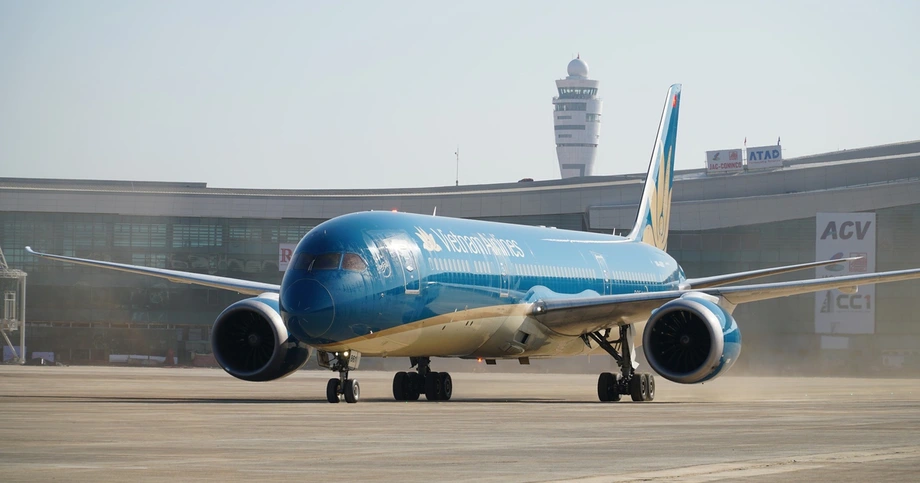
The Airports Corporation of Vietnam intends to scale up operations to 30 to 40 flights daily during the peak 2027 Lunar New Year travel period to relieve congestion at Tan Son Nhat. Domestic carriers have already registered for the early launch, with Vietnam Airlines planning 72 weekly domestic flights and Vietjet registering up to 294 weekly domestic flights during the initial phase.
International Benchmarks and Testing Concerns
The Ministry of Construction noted that the scheduled testing period for Long Thanh is relatively short compared to global practices for massive aviation hubs. The developer's Operational Readiness and Airport Transfer program consists of 55 scenarios divided into three waves running from September to December 2026. This leaves roughly three months of integrated trial operations before the planned commercial launch, which gives technical teams less time to identify and resolve system glitches. Major international airports historically devoted much longer periods to testing before welcoming the public. Beijing Daxing International Airport in China started flight trials in May 2019 and conducted multiple exercises, including a major simulation involving 100 test flights, 13,000 passengers, and 9,000 pieces of luggage before opening in September 2019. Istanbul Airport in Turkey spent 63 days testing over 100 scenarios and maintained a real-world trial phase handling 8 to 10 daily flights for five months before completing its full operational transfer in April 2019. Similarly, Hong Kong International Airport ran drills starting in January 1998 culminating in a final exercise with 12,000 people and 35 airlines, while Terminal 1 at Incheon International Airport required nine months after construction, and Terminal 4 at Changi Airport required 12 months. These international benchmarks underline the vital importance of rigorous multi-round testing to ensure seamless passenger and cargo handling.
Infrastructure Progress and Regional Growth
The massive aviation project is being developed on a 5,000-hectare site in Dong Nai province with a total projected investment exceeding $16 billion. Upon full completion across its three planned development phases, the facility is designed to accommodate up to 100 million passengers and 5 million tonnes of cargo annually. The first phase carries a price tag of roughly VND109 trillion, equivalent to $4.22 billion, with a designed annual capacity of 25 million passengers and 1.2 million tonnes of cargo. Provincial and city authorities are rushing to complete vital access routes ahead of the December launch. Essential transport arteries feeding traffic toward the terminal include the Ho Chi Minh City to Long Thanh to Dau Giay Expressway, the Nhon Trach Bridge on Ring Road 3, National Highway 25C, and the Biên Hòa to Vũng Tàu Expressway. Officials anticipate that these highway projects and the An Phú interchange will be largely finished by early in the second quarter of 2027. While local leaders work to finalize these connecting networks and complete acceptance inspections, the ongoing dialogue between aviation regulators and foreign carriers highlights the delicate balance between launching a landmark national infrastructure project early and maintaining uninterrupted operational safety.
The Bottom Line
- Thirty-four foreign airlines have requested delayed moves to Long Thanh International Airport due to readiness and infrastructure concerns.
- The Airports Corporation of Vietnam maintains its target opening date of December 24, 2026, using a phased transfer schedule running through late 2027.
- International logistics associations warn that specialized express cargo warehouses and customs clearance facilities require an additional 12 to 18 months to prepare.
- Transport connectivity relies heavily on road networks that are still under construction, raising potential journey time concerns for travelers heading from Ho Chi Minh City.
- The airport developer plans to implement service price reductions of 20 to 50 percent to attract airlines during the initial operating phase.