Massive Milestone Achieved for Major Water Project
China has crossed a significant threshold in its massive effort to redistribute water resources across the country. By November 21, the first phase of the Eastern and Middle Routes of the South-to-North Water Diversion Project had transported more than 92 billion cubic meters of water to the northern regions. This achievement was highlighted at the Third National Water Grid and South-to-North Water Diversion High-Quality Development Forum, which took place in Beijing on November 21.
Contents
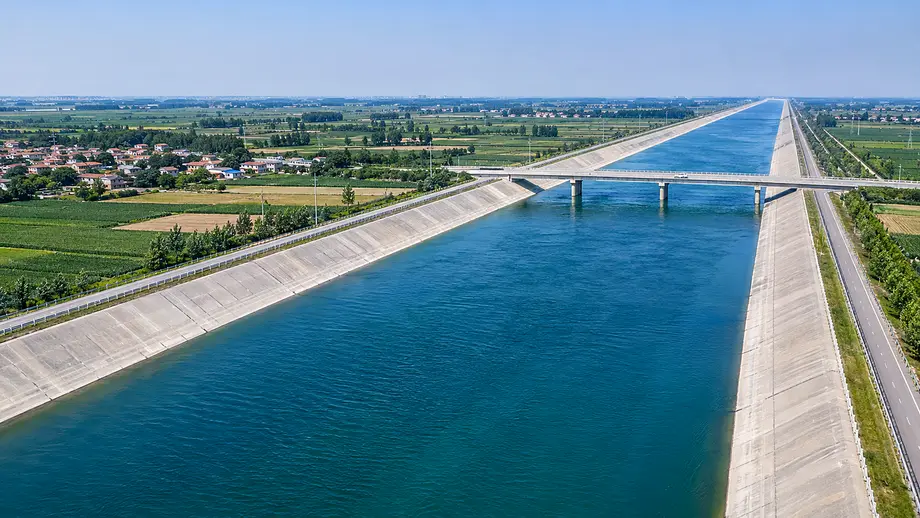
The water infrastructure initiative spans thousands of kilometers and connects major river basins to combat geographic imbalances in water availability. The project serves nearly 200 million people across 48 major and medium-sized cities in seven provinces and municipalities. By bringing water from the south to the parched north, the network supports industrial output, agricultural needs, and residential consumption.
During the forum, government and corporate leaders gathered to discuss the ongoing progress and future goals of the national water grid. Water Resources Ministry Chief Planner Yu Qiyang spoke about the strategic importance of the infrastructure network during the opening sessions. He emphasized the government dedication to maintaining system safety and optimizing the layout of national water resources.
The South-to-North Water Diversion Project is the main backbone and great artery of the national water grid, relating to the strategic overall situation, long-term development, and the well-being of the people.
Expanding Reach and Economic Impact Across Northern Provinces
Data released during the Beijing gathering reveals substantial growth in the scope and benefits of the infrastructure during the 14th Five-Year Plan period. Between the start of that planning cycle and the present, the project added more than 45 billion cubic meters of water volume sent northward. This expansion brought new services to over 52 million additional people, ensuring a steady supply of stable and high-quality water resources.
Economic development in the northern regions has relied heavily on this liquid lifeline. Officials reported that the water diversion effort has successfully underpinned more than 19 trillion yuan of gross domestic product growth in the northern provinces. Industries and agricultural sectors that previously faced severe shortages now operate with reliable water supplies.
Environmental restoration has matched economic gains as water flows back into dried-up riverbeds and shrinking aquifers. By the end of 2025, the project had supplied over 11.8 billion cubic meters of ecological replenishment water to more than 50 northern rivers. Separate calculations place the total ecological water supply at over 13.1 billion cubic meters, helping revive ecosystems in places like the Haihe River basin and the Grand Canal.
Restoring Rivers and Improving Drinking Water Quality
Generations of residents in northern regions previously suffered from drinking water tainted with high levels of fluorine and salt. In the Heilonggang river basin in Hebei province, millions of people now enjoy fresh water instead of the brackish resources they once relied on. Historic waterways that stood dry for years, including the Yongding River and the Hutuo River, have achieved full-line connectivity thanks to the influx of southern water.
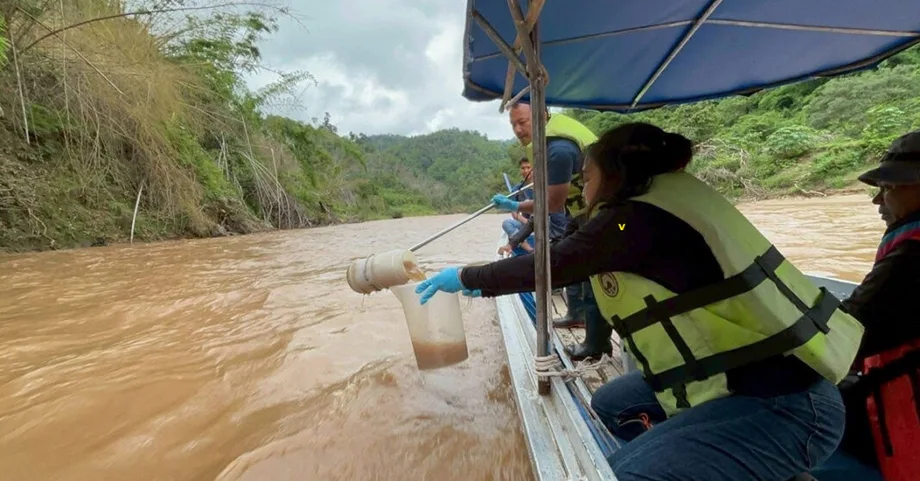
Maintaining strict water purity standards remains a priority for the management teams operating the pumping stations and canals. The Eastern Route maintains water quality consistently at Grade III standards under China surface water quality categories. The Middle Route achieves even higher purity, keeping water quality stable at Grade II or better.
China South-to-North Water Diversion Group party secretary and chairman Wang Annan addressed the forum attendees to outline the corporate vision for the coming years. He stressed the commitment to providing clean water and improving operational efficiency across the entire network.
We must consolidate and upgrade world-class water diversion projects, invest in and construct a batch of major national water grid projects, and accelerate the construction of a world-class water grid enterprise.
Harnessing Advanced Technology and Smart Systems
Modern engineering relies heavily on digital tools and automated machinery to reduce waste and monitor structural integrity. In the mountains of Hubei province, construction workers utilize advanced hard rock tunnel boring machines equipped with smart perception and tunneling systems. These massive machines form an intelligent cluster that communicates data through a central control system monitoring 9,100 equipment parameters across seven categories for real-time risk warning.
Along the open canals and pipelines, operators deploy smart patrol robots, underwater artificial intelligence dredging equipment, and automated scheduling systems. These innovations protect the physical safety of the infrastructure and ensure precise water delivery. Through technical upgrades and digital twin technology, water loss during transit along the Middle Route dropped from an initial design estimate of 10 percent down to about 3 percent.
Technological upgrades extend into data processing with the rollout of the newly updated Tianhe large model system version 2. In flood control operations, the system integrates data from 27 remote sensing satellites and 237 weather radars to compress flood situation analysis from hours down to minutes. For water protection, the model catalogs 50 million monitoring data points to simulate pollutant diffusion and generate rapid emergency response plans.
Future Construction Plans and Upcoming Engineering Deadlines
Planning for the next stages of the national water grid is already underway with clear milestones set for the end of the decade. By 2030, authorities intend to largely complete the Han River to Yangtze River tunnel project, start construction on the second phase of the Eastern Route, and strive to launch the first phase of the Western Route.
Progress on the Han River to Yangtze River project continues at a rapid pace in Hubei province. By October 14, the main tunnel had excavated a cumulative distance of 40 kilometers, reaching one-fifth of its total planned length. Civil engineering work on the water intake and the Shihua control sluice has reached completion for the main structures.
Preparation for subsequent stages involves extensive administrative and technical groundwork by the construction management department. A preparatory group for the Eastern Route second phase was established in 2026 to accelerate project proposal drafting and secure official approval during the current five-year planning window. Researchers are also deepening feasibility studies for the Western Route project throughout the same period.
At a Glance
- The South-to-North Water Diversion Project has delivered over 92 billion cubic meters of water to northern China.
- Operations support nearly 200 million people across 48 cities in seven provinces and municipalities.
- The initiative has underpinned more than 19 trillion yuan in northern regional gross domestic product growth.
- Water quality remains stable at Grade III for the Eastern Route and Grade II or higher for the Middle Route.
- The newly released Tianhe large model version 2 integrates satellite and radar data to accelerate flood analysis to minutes.
- By 2030, planners aim to finish the Han River tunneling project and initiate the next phases of the Eastern and Western routes.