Automakers Launch New Round of Safety Actions
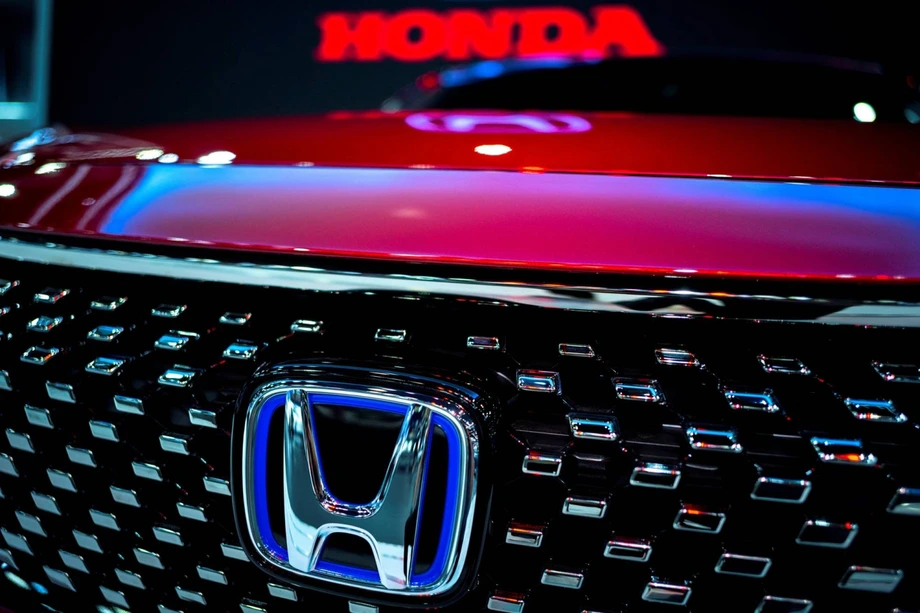
Honda Motor Company and Toyota Motor Corporation announced vehicle safety recalls covering approximately 1.6 million cars, trucks, and SUVs worldwide. The actions target specific vehicle models equipped with Takata airbag inflators that could experience chemical propellant degradation over time. Neither automaker has received reports of crashes, injuries, or component ruptures associated with the newly recalled parts. Independent testing groups and long-term monitoring programs allowed both manufacturers to identify potential risks before any failures occurred.
Contents
The National Highway Traffic Safety Administration confirmed in its campaign acknowledgement documents that Honda is recalling 810,592 vehicles in the United States, while Toyota is recalling approximately 790,000 vehicles globally, which includes 314,029 vehicles in the United States. Phase-stabilized ammonium nitrate serves as the primary chemical propellant inside these inflators, a substance designed to create rapid gas expansion during a collision. Prolonged exposure to high heat, high humidity, and repeated temperature swings can cause this chemical compound to break down gradually. If a degraded airbag deploys, the inflator housing can shatter instead of venting gas properly, sending sharp metal fragments into the vehicle cabin.
Honda and Toyota saw early evidence of degradation risk in certain of their vehicles and are currently proactive recalls of vehicles.
Federal regulators noted that predictive degradation models developed by independent testing coalitions helped automakers spot components approaching the end of their safe service lives. Previous safety campaigns involving Takata airbags focused on inflators without moisture-absorbing drying agents, which were linked to dozens of fatalities. The latest recalls involve inflators that do contain a desiccant, yet extended real-world monitoring revealed that certain units still require replacement.
Understanding the Historical Takata Airbag Crisis
Defective Takata airbag inflators have triggered the largest automotive safety recall in United States history, spanning more than a decade. Since 2009, exploding inflators have caused at least 28 deaths and more than 400 injuries across the United States. At least 20 of those fatalities occurred inside Honda and Acura vehicles. Worldwide, the crisis has affected more than 100 million vehicles built by roughly two dozen major automakers, with approximately 67 million vehicles recalled in the United States alone. International fatalities related to defective Takata components have also been documented in Brazil, China, Ghana, Malaysia, Mexico, Pakistan, Seychelles, and Thailand.
Takata Corporation held roughly twenty percent of the global airbag market when the initial defects surfaced, making it one of the largest suppliers of safety restraint systems in the world. The company originally manufactured millions of airbag inflators using ammonium nitrate without any moisture-absorbing materials. When moisture penetrated those older canisters, the propellant burned too violently upon ignition, tearing the metal housing apart. Although Takata eventually filed for bankruptcy, the physical legacy of its defective hardware continues to prompt routine safety notices and component swaps across millions of aging vehicles.
Vehicle owners can verify whether their specific car or truck requires service by visiting official lookup tools provided by manufacturers or federal agencies. Owners may consult the National Highway Traffic Safety Administration safety portal to check vehicle identification numbers against active campaigns. Toyota customers can also review model specifics directly through the Toyota official recall page or contact corporate customer support.
Honda and Acura Vehicles Included in the Recall
Honda structured its recall around specific geographic regions where environmental factors accelerate chemical breakdown inside airbag inflators. The campaign covers 810,592 older cars and SUVs originally sold or registered in areas known for high temperatures, intense humidity, and large daily temperature fluctuations. The affected Honda and Acura models include the 2013 Honda Accord, the 2012 and 2013 Honda Civic, the 2012 and 2013 Honda CR-V, the 2013 Acura ILX, and the 2013 Acura RDX.
The geographic boundaries for the Honda recall encompass Alabama, California, Florida, Georgia, Hawaii, Louisiana, Mississippi, South Carolina, and Texas. The directive also covers United States territories including Puerto Rico, the U.S. Virgin Islands, the Northern Mariana Islands of Saipan, Guam, and American Samoa. Honda confirmed that authorized dealerships will replace the suspect airbag inflators free of charge. The company plans to begin mailing notification letters to affected vehicle owners in December. Executives at Honda stated that replacement parts will be phased in steadily to meet demand leading up to the 2027 parts availability timeline.
Toyota and Lexus Models Subject to Safety Action
Toyota applied its safety action globally, encompassing approximately 790,000 vehicles with 314,029 units located inside the United States. Unlike Honda, Toyota did not restrict its recall to specific states or territories, opting instead for a nationwide campaign based on vehicle build dates and component tracking numbers. The Toyota recall applies to seven distinct nameplates manufactured across a fifteen-year production window. Affected vehicle lines include the 2002 through 2010 Lexus SC430 convertibles, the 2011 Lexus IS250 sedans and convertibles, the 2017 Lexus GX460 SUVs, the 2003 through 2008 Toyota Corolla sedans, the 2005 and 2006 Toyota Tundra pickups, the 2005 through 2007 Toyota Sequoia SUVs, and the 2016 and 2017 Toyota 4Runner SUVs.
Toyota officials stated that some vehicles in this population may have already received replacement passenger airbag inflators during earlier safety campaigns. The automaker determined that even those previously serviced units have reached the boundary of their reliable service life and must be replaced again. Toyota logged the action under National Highway Traffic Safety Administration campaign number 26V748, utilizing internal tracking numbers 26TB25, 26TA25, 26LB11, and 26LA11. Replacement parts for these vehicles are expected to become widely available by early 2027, with Toyota executives noting that the 2027 timeline reflects the meticulous engineering required to source and distribute components safely.
Repair Procedures and Timeline for Vehicle Owners
Automobile dealerships will perform the necessary safety repairs at zero cost to vehicle owners. Depending on the specific car model, technicians will replace either the front passenger airbag inflator module or the entire airbag assembly. Toyota owner notification letters are scheduled to begin mailing on December 28, with regional rollouts extending into January. Owners seeking immediate assistance can call Toyota customer service directly to verify campaign details.
Drivers can identify their vehicle unique seventeen-character Vehicle Identification Number located on the driver side dashboard near the windshield or on the inside of the driver door jamb. Entering this code into online lookup tools immediately reveals whether a particular vehicle faces open safety recalls. Regulators urge all registered owners to schedule service appointments promptly once replacement components arrive at local dealerships. Timely repairs eliminate the risk of unexpected component rupture during future vehicle collisions.
Key Points
- Honda and Toyota announced recalls for approximately 1.6 million vehicles worldwide due to potential Takata airbag rupture risks.
- Federal regulators confirmed that no crashes, injuries, or inflator ruptures have been reported for the newly recalled vehicles.
- The affected components contain moisture-absorbing desiccant material, setting them apart from older non-desiccated inflators linked to 28 U.S. deaths.
- Honda recall covers 810,592 vehicles in specific hot and humid U.S. states and territories, with owner letters starting in December.
- Toyota recall covers 314,029 vehicles in the United States across seven Lexus and Toyota nameplates, with parts expected by early 2027.