Japan Economic Contraction Highlights Growing Divide
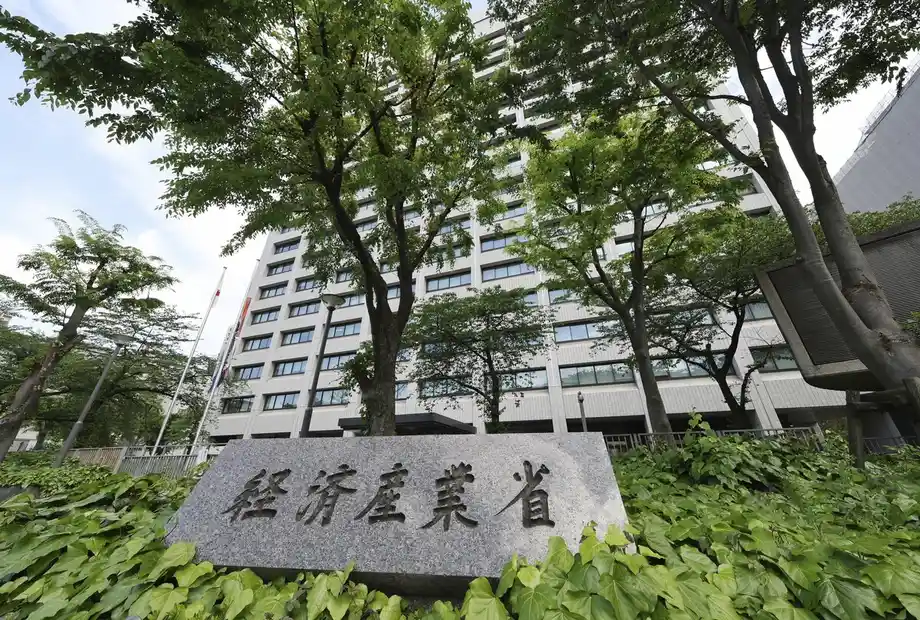
Japan experienced an unexpected economic contraction in the July-September quarter of 2026, driven by a significant decline in household spending. According to preliminary data released by the Cabinet Office on November 16, 2026, the nation gross domestic product shrank at an annualized rate of 0.1 percent, missing the median market forecast of 0.3 percent growth. This downturn represents the first quarterly contraction in four quarters and follows a revised 1.7 percent expansion in the previous three-month period. Gross domestic product measures the total value of all finished goods and services produced within a country over a specific time period, serving as a primary gauge of economic health.
Contents
- Japan Economic Contraction Highlights Growing Divide
- Corporate Investment Surges on Artificial Intelligence Demand
- Persistent Inflation and Weather Disruptions Weigh on Households
- Wage Increases Fail to Spark Immediate Consumer Recovery
- Bank of Japan Faces Difficult Monetary Policy Decisions
- Government Policy Interventions and Long-Term Outlook
- Economic Timeline of Recent Developments
- The Bottom Line
The contraction translates to a minor quarterly decline of 0.02 percent compared with the previous quarter. Analysts and economists suggest that while the drop is modest, it exposes a stark divergence between corporate enthusiasm and consumer caution. Private consumption, which accounts for more than half of Japan economic output, fell by 0.3 percent during the quarter, performing worse than the anticipated 0.2 percent decline. This drop marks the second consecutive quarter of negative growth for household spending, leaving domestic demand fragile even as businesses pour capital into advanced technologies.
Corporate Investment Surges on Artificial Intelligence Demand
While consumers held back their spending, Japanese companies increased capital spending by 1.6 percent in the July-September quarter, exceeding the market forecast of a 1.5 percent increase. Capital spending refers to money invested by businesses on physical assets, machinery, and technology to improve productivity and long-term capacity. This corporate expansion was heavily supported by surging demand for artificial intelligence-related projects and labor-saving technologies designed to counter persistent labor shortages.
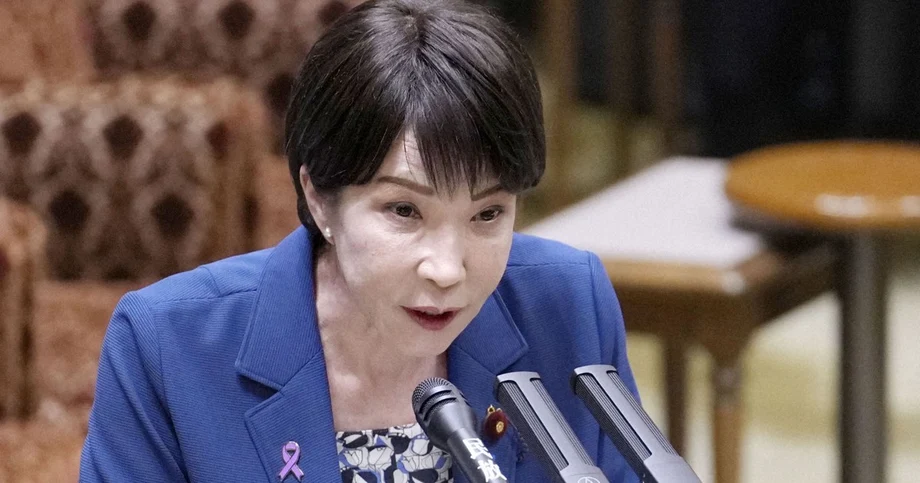
The corporate optimism is reflected in broader business surveys. According to a Bank of Japan business sentiment survey released on October 1, 2026, large firms across Japan plan to increase fixed investment by 11.3 percent in the fiscal year ending in March 2027. Prime Minister Sanae Takaichi has placed investment at the center of her economic growth strategy, actively encouraging public and private spending in 17 strategic fields, including semiconductors and artificial intelligence. However, economists warn that this heavy reliance on corporate technology spending leaves the national economy vulnerable to any potential slowdown in the global artificial intelligence boom.
Persistent Inflation and Weather Disruptions Weigh on Households
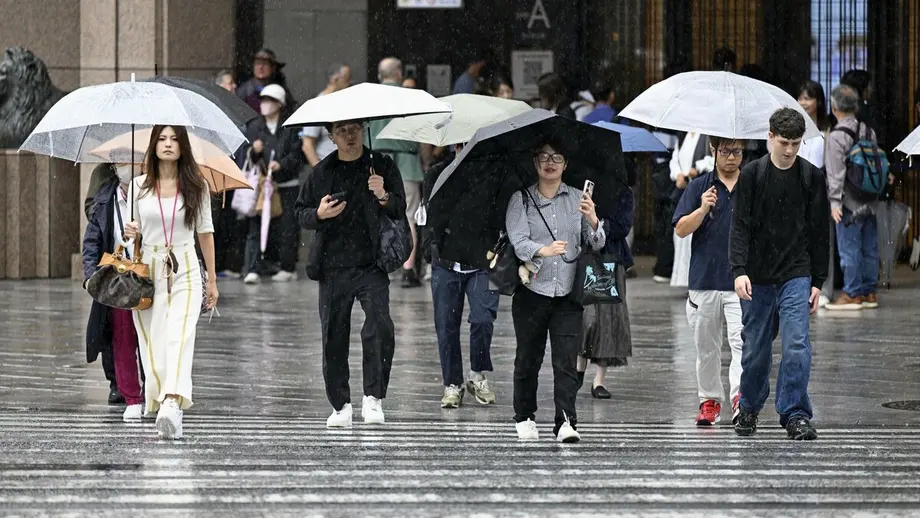
The decline in consumer spending stems from a combination of rising living costs, persistently high food and energy prices, and unfavorable weather conditions during the quarter. Tokyo experienced rain for 37 consecutive days from late August through early October, setting a record streak according to the Japan Meteorological Agency. This prolonged rainfall, alongside typhoons and torrential rains, disrupted retail activity and delayed purchases of seasonal goods such as air conditioners and automobiles.
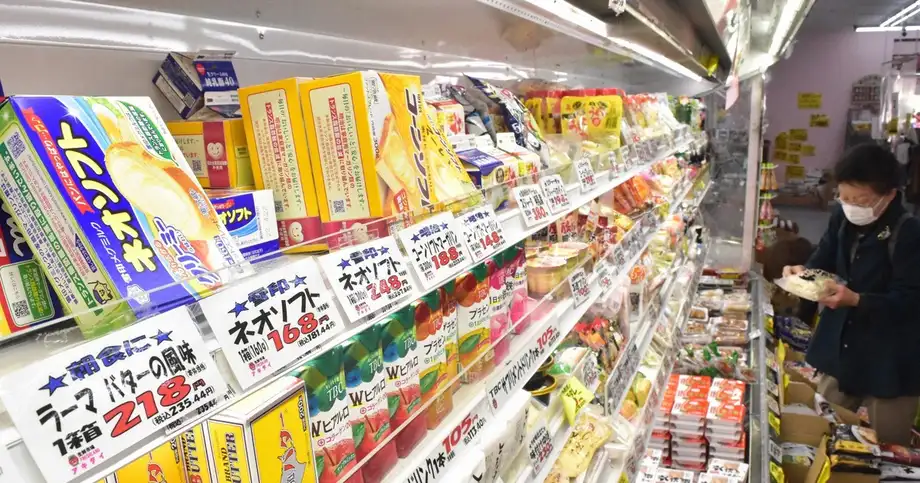
Inflation driven by higher oil import costs and a weak yen has continued to erode household purchasing power. Japan diversified its crude oil procurement in response to ongoing conflicts in the Middle East, leading to increased import costs that overshadowed a rise in exports. Net external demand, calculated as exports minus imports, subtracted 0.6 percentage points from gross domestic product growth during the quarter, as imports surged by 2.5 percent while exports slipped by 0.2 percent.
Wage Increases Fail to Spark Immediate Consumer Recovery
Japan has experienced rising wages following years of economic stagnation, with inflation-adjusted real employee compensation showing modest improvement. Real employee compensation rose by 0.3 percent in the July-September quarter compared to the previous three months, pointing to improving income conditions. Despite these wage gains, consumers have not increased their spending in the manner policymakers anticipated.
Economists point to deep-seated caution and concerns over future income stability as reasons for the continued restraint. A government report released in 2025 revealed that 38.6 percent of surveyed households expected the wages of their main earners to remain unchanged over a five-year period, while 18.4 percent anticipated a decline. This persistent anxiety echoes behavior patterns observed following the collapse of Japan asset bubble in the early 1990s, when prolonged economic weakness established conservative spending habits among households.
Bank of Japan Faces Difficult Monetary Policy Decisions
The recent economic contraction complicates the Bank of Japan path toward normalizing monetary policy. The central bank raised interest rates in June and September 2026 to combat rising inflation, and many analysts expect another rate hike of 25 basis points as early as December 2026. Policymakers must weigh fragile domestic consumption against upside risks to inflation driven by energy costs and currency weakness.
Shinichiro Kobayashi, chief economist at Mitsubishi UFJ Research and Consulting, highlighted the tension between corporate strength and consumer weakness. In a statement regarding the economic data, he explained:
While corporate capital investment remains strong, the biggest factor was weak consumer spending. In addition to weather factors and a drop from the strong second quarter result, rising prices weighed on consumer sentiment.
Some economists argue that weak consumption is primarily a symptom of lost purchasing power caused by inflation, which reinforces the necessity of stabilizing prices through continued policy tightening. Conversely, more cautious analysts warn that raising interest rates further could suppress fragile household demand and deepen divisions within the central bank governing board.
Government Policy Interventions and Long-Term Outlook
Prime Minister Sanae Takaichi administration is preparing fiscal measures to ease the pressure on household budgets as price-relief subsidies expire. The government plans to restart electrical and gas utility subsidies in December 2026 to lower energy bills. Additionally, the administration aims to cut the sales tax on food and beverages for a two-year period starting in April 2027.
Analysts remain divided on whether these tax cuts will successfully stimulate spending, given that businesses facing higher material and labor costs may not lower final store prices. Meanwhile, international institutions project gradual long-term adjustments for the national economy. The International Monetary Fund projects that Japan will slip to the sixth-largest economy in nominal dollar terms by 2027, overtaken by India and Britain, as broader demographic and productivity challenges persist.
Economic Timeline of Recent Developments
- Late August to early October 2026: Tokyo experiences a record 37 consecutive days of rain, disrupting retail activity and consumer spending.
- October 1, 2026: The Bank of Japan releases a business sentiment survey showing large firms plan an 11.3 percent increase in fixed investment.
- November 16, 2026: The Cabinet Office reports that gross domestic product contracted at an annualized rate of 0.1 percent in the July-September quarter.
- December 8, 2026: The Cabinet Office is scheduled to release its second preliminary gross domestic product estimate for the third quarter.
- December 2026: The Japanese government plans to resume electricity and natural gas subsidies to reduce household utility burdens.
The Bottom Line
- Japan real gross domestic product contracted at an annualized rate of 0.1 percent in the July-September quarter of 2026.
- Private consumption fell by 0.3 percent, marking the second consecutive quarter of declining household spending.
- Business investment rose by 1.6 percent, supported by strong demand for artificial intelligence projects and labor-saving technology.
- Net external demand subtracted 0.6 percentage points from quarterly growth due to surging energy imports and a weak yen.
- The Bank of Japan faces a policy decision regarding a potential interest rate hike in December 2026 amid persistent inflation risks.