Climate Talks Collapse Without a Deal
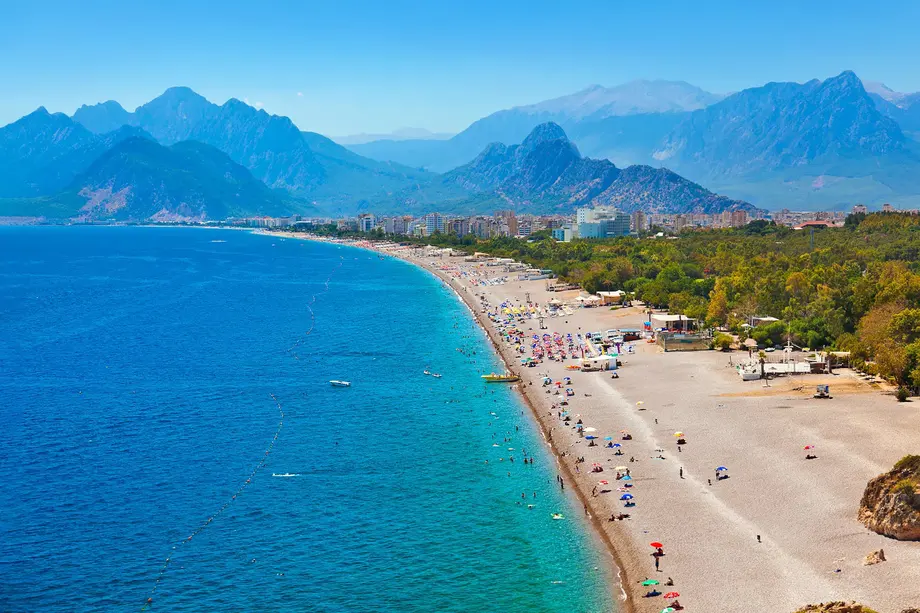
The 31st United Nations Climate Change Conference concluded in Antalya, Turkey, without a final overarching agreement after negotiations stalled over fossil fuel reductions and financial support for developing nations. The summit, originally scheduled to close on November 20, 2026, extended discussions past the deadline before breaking down in a final plenary session. UNFCCC COP31 president and Turkey's Environment, Urbanisation and Climate Change Minister Murat Kurum announced the failure to secure the required consensus during the plenary. The collapse marks the first time a conference of the parties has failed to adopt an official overarching decision since the 2009 Copenhagen summit. While existing international obligations under frameworks such as the Paris Agreement remain legally and technically intact, the lack of a unified consensus leaves future cooperative pathways uncertain, as detailed in UN Climate Summit Ends in Historic Deadlock Over Fossil Fuels and Gender Language.
Contents
- Climate Talks Collapse Without a Deal
- The Mounting Crisis in Mountain Regions
- The Battle for a Standalone Mountain Agenda
- Proposed Work Programmes and Institutional Recognition
- The Reality of Inadequate Loss and Damage Finance
- Proposals for Adaptation and Resilience Financing
- Grassroots Activism and Civil Society Demands
- The Essentials
The core dispute centered on the removal of direct references to phasing out coal, oil, and natural gas. Saudi Arabia and other major oil producing nations strongly resisted the inclusion of explicit reduction targets, leading to their deletion from successive drafts. European Union member states, the United Kingdom, Norway, and climate vulnerable nations formally rejected the draft for ignoring scientific realities and omitting fossil fuel phase out language. Nations arrived in Turkey facing stark scientific warnings, including estimates that global warming is on track to reach 2.6 degrees Celsius by 2100 under current national pledges.
The Mounting Crisis in Mountain Regions
High mountain ranges across the globe are experiencing temperature increases well above the global average, threatening water security and human settlements. Scientific assessments indicate that 1.5 degrees Celsius of global warming translates to an average warming of 1.8 to 2.2 degrees Celsius over the Hindu Kush Himalayan range. According to a report by the International Cryosphere Climate Initiative, if emissions remain at current levels, only 16 percent of Himalayan glaciers are likely to survive the end of the century. The World Meteorological Organization estimated that the Earth lost 400 gigatonnes of glacier ice in 2025 alone, driving up risks of sudden glacier collapse and water shortages for nearly two billion people living downstream.
Nepal and Bhutan arrived at the summit carrying the physical and economic scars of severe cryosphere disasters. In late August, an avalanche of ice and rock in Nepal crashed into the Bhote Koshi valley, triggering a debris flow and flooding dubbed a mountain tsunami that swept through the Bhotekoshi to Trishuli river system. According to the Government of Nepal's Rapid Damage and Needs Assessment, the disaster caused at least 2.69 billion dollars in economic losses and requires upwards of 4.77 billion dollars for recovery. Bhutan faced similar compounding crises, reporting the loss of 27 glaciers and about 9 percent of its glacial area since 2018, alongside the formation of more than 50 new glacial lakes in just five years.
The Battle for a Standalone Mountain Agenda
Delegations from Nepal, Bhutan, and Kyrgyzstan launched a coordinated diplomatic push to establish a permanent mountain agenda within the global climate negotiations. On October 29, Nepal and Bhutan jointly submitted a supplementary agenda item titled 1.5 degrees Celsius warming in the mountains, signed by Minister of Agriculture, Forests and Environment Gita Chaudhary. The proposal called for improved science on regional warming risks, an annual high level dialogue, a dedicated work programme under the UN climate convention, and the integration of mountain priorities into adaptation, climate finance, and loss and damage arrangements. Although the proposal did not become a formal agenda item due to opposition from major negotiating blocs fearing new obligations, the submitting countries continued pressing for formal recognition.
Negotiations continued through a series of compromises that integrated mountain issues into the broader conference documents rather than a standalone track. Following consultations on November 8, Kyrgyzstan merged its proposal with the Nepal and Bhutan submission, renaming the item to matters relating to mountains and climate change. Avishek Shrestha, adviser to Minister Gita Chaudhary, explained that while the title change helped build broader consensus among hesitant country blocs, the delegation maintained strong pressure to secure actionable outcomes in the presidency's cover decision. Officials emphasized that mountain communities are already facing limits to adaptation where lives and livelihoods are permanently lost.
Proposed Work Programmes and Institutional Recognition
The final draft texts circulated by the COP31 presidency acknowledged the particular vulnerability of mountain ecosystems and glacier dependent communities to the adverse effects of climate change. Paragraph 31 of the presidency led cover decision proposed establishing a dedicated work programme on mountains and climate change under both the Subsidiary Body for Implementation and the Subsidiary Body for Scientific and Technological Advice. Paragraph 32 welcomed plans to hold targeted dialogues during the 66th and 68th sessions of the subsidiary bodies in Bonn in June 2027 and June 2028, with summary reports feeding into COP32 and COP33. Climate experts noted that while these provisions create an institutional foothold, their long term success depends on receiving a clear mandate and escaping temporary technical status.
Nepali officials and international coordinators expressed cautious optimism regarding the draft text while pressing for stronger commitments. Lila Pieters Yahia, Nepal's UN Resident Coordinator, noted that when the standalone agenda was edged out, Nepal pivoted successfully to mainstream cryosphere priorities across existing negotiating tracks. Dr Maheshwor Dhakal, spokesperson for the Ministry of Agriculture, Forests and Environment, highlighted that this marked the first time Nepal and Bhutan successfully advanced such an agenda item into the draft discussions. Meanwhile, climate experts like Dr Bimal Regmi cautioned that the two year work programme must be backed by long term political commitment and financial resources to avoid becoming a hollow exercise.
The Reality of Inadequate Loss and Damage Finance
Financial assistance for disaster recovery proved to be a major point of contention throughout the summit. Following the catastrophic Bhote Koshi floods, Nepal wrote to the Fund for Responding to Loss and Damage on August 31, requesting emergency support. On October 22, 57 days after the disaster, the Board met in an extraordinary session and provisionally set aside 21.6 million dollars for Nepal. Against losses of 2.69 billion dollars and recovery needs exceeding 4.77 billion dollars, the allocated funding covered a fraction of the total damage. After deducting a 1.6 million dollar oversight fee, the remaining 20 million dollars covered a mere 0.7 percent of total assessed damages, highlighting severe institutional delays and funding shortfalls in global climate architecture.
Official figures underscored a widening chasm between requested loss and damage funds and actual allocations. While approximately 2.8 billion dollars had been requested under the implementation arrangements of loss and damage mechanisms, only around 342 million dollars had been allocated globally. Speaking from Antalya, Prayash Adhikari from the People's Movement for Climate Justice Nepal criticized negotiators for failing to deliver justice to frontline communities. Activists and government ministers repeatedly called for fast track disbursement mechanisms, grants rather than debt inducing loans, and stronger financial commitments from developed nations whose historical emissions drove the crisis.
Proposals for Adaptation and Resilience Financing
Discussions surrounding the New Collective Quantified Goal on climate finance featured intense bargaining over adaptation targets for developing nations. Earlier drafts proposed scaling up financial support for climate adaptation in developing countries to at least 120 billion dollars annually by 2035, up from public adaptation finance amounts of 28 billion to 32 billion dollars recorded in 2024. Assessments by the UN Environment Program indicated that developing countries will actually require approximately 305 billion dollars annually for climate adaptation by 2035. However, as negotiations fractured over broader disagreements, specific financial targets were omitted from the final negotiation texts, leaving developing economies vulnerable to funding deficits.
Delegates from mountainous countries stressed that financial mechanisms must shift away from loans toward direct grants to prevent compounding national debt burdens. Constructing embankments, installing early warning systems for glacial lakes, and relocating communities threatened by landslides require massive capital injections that fragile economies cannot absorb through borrowing. The institutional framework governing these flows remains anchored to the ministry's report published by Oxford Policy Management, which outlines lessons drawn from rapid response allocations following Himalayan disasters. Negotiators emphasized that future funding windows must incorporate pre agreed triggers for cascading ice related disasters.
Grassroots Activism and Civil Society Demands
While official negotiations unfolded behind closed doors, thousands of environmental civil society members participated in the People's Climate Summit march in Antalya to demand systemic climate justice. Activists from across Africa, South Asia, and Southeast Asia voiced fierce opposition to fossil fuel expansion projects and financial institutions backing high emission infrastructure. Representatives from organizations such as 350.org East Africa and the StopEacop coalition called out commercial banks for funding projects that displace local communities and generate hundreds of millions of metric tons of carbon emissions. Protesters demanded three non negotiables consisting of grant based climate finance, a complete transition to renewables without fossil fuel loopholes, and the removal of industry lobbyists from climate negotiations.
Grassroots leaders connected the climate crisis in mountainous regions to broader patterns of global resource extraction and militarism. Activists argued that closed door diplomacy failed to reflect the existential threats facing frontline populations whose survival limits have already been breached. Protesters called on developed nations to abandon false solutions and honor historical climate debts through transparent, community centered resource distribution. These demonstrations underscored a widening divide between corporate backed state negotiations and the lived realities of communities experiencing the daily impacts of environmental collapse.
The Essentials
- The 31st United Nations Climate Change Conference concluded without a final agreement after negotiations collapsed over fossil fuel reductions and financial commitments.
- Nepal, Bhutan, and Kyrgyzstan successfully placed mountain climate issues into the presidency draft decision text through a dedicated work programme under convention subsidiary bodies.
- Global warming of 1.5 degrees Celsius translates to up to 2.2 degrees Celsius of warming over the Hindu Kush Himalaya, threatening 84 percent of glaciers with extinction by 2100.
- Nepal received a provisional allocation of 21.6 million dollars from the Loss and Damage Fund following floods causing 2.69 billion dollars in damages, covering less than one percent of recovery needs.
- Proposed targets to increase annual climate adaptation finance to 120 billion dollars by 2035 were stripped from final negotiation drafts amid widespread diplomatic deadlock.