Prachin Buri Faces Industrial Waste Crisis
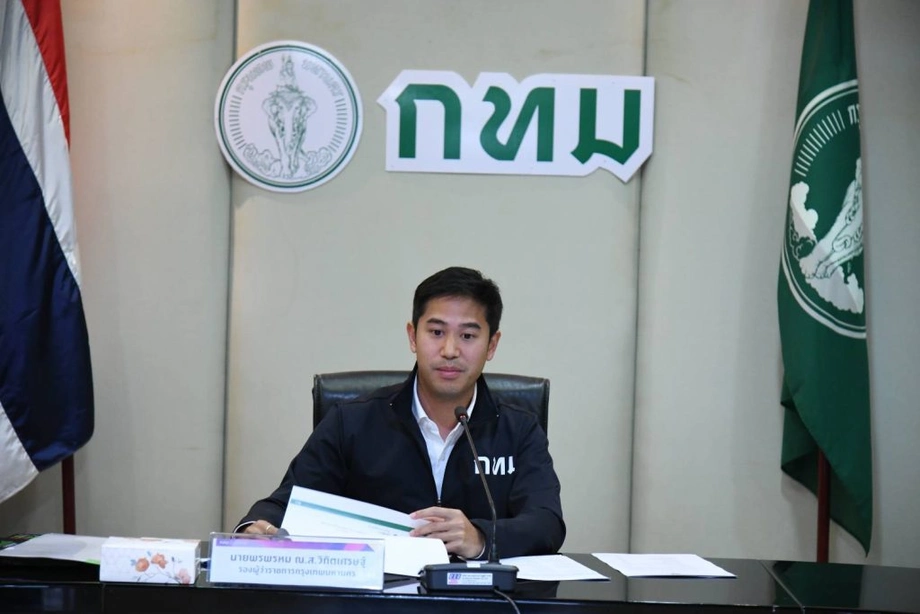
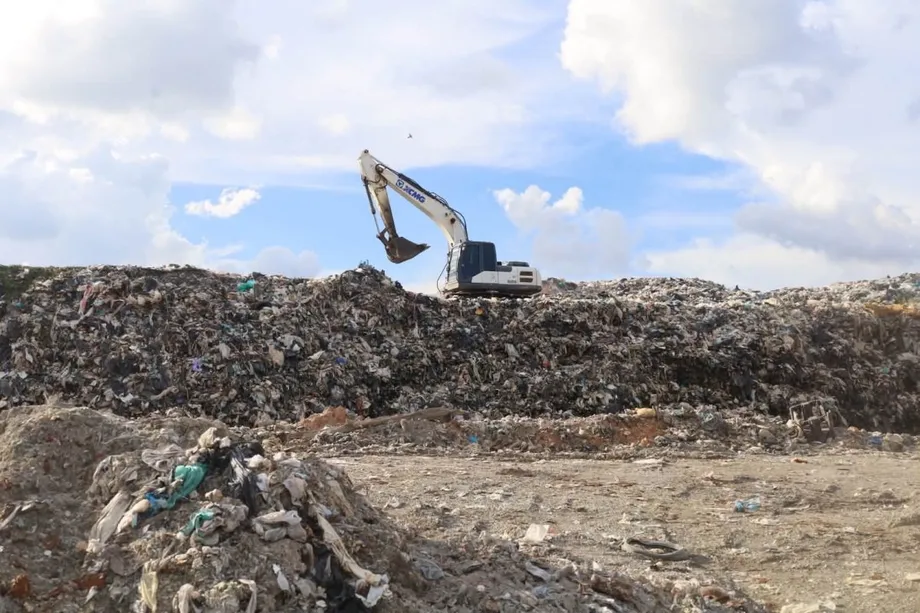
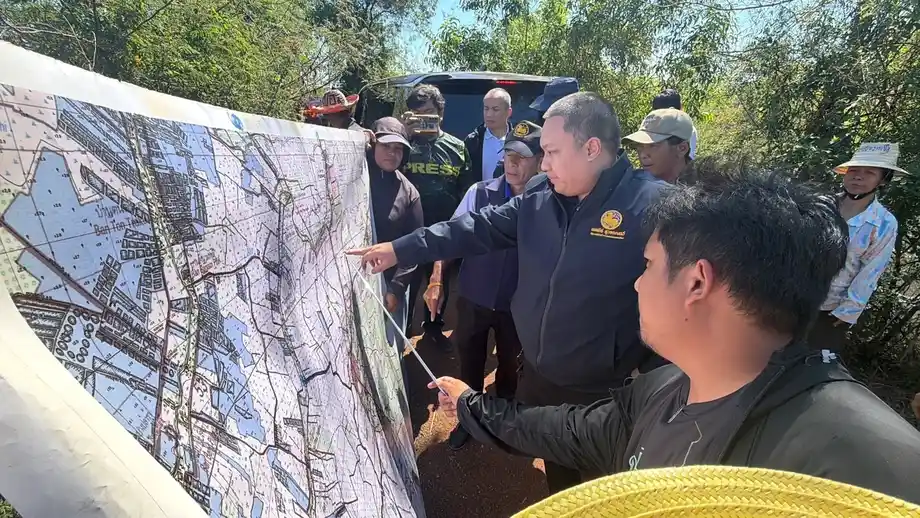
Deputy Minister of Interior Phonphir Suwanwatchai visited Prachin Buri on November 22, 2026, to address a massive industrial waste crisis affecting local communities. Officials reported that approximately 50,000 tons of hazardous industrial waste remain abandoned across 18 separate locations in the province. During the visit, the deputy minister inspected industrial facilities including LD Metal Company located at 90/1 Moo 10, Nong Phong Subdistrict, Si Maha Phot District, and Green Environment Technology Company. At the same time, around 200 local residents gathered to demand permanent factory closures and environmental restoration.
Contents
The crisis stems from years of industrial expansion and illegal dumping in provinces that serve as manufacturing hubs. Industrial waste refers to leftover materials from factories, such as used chemicals, heavy metals, and electronic parts, which require careful treatment to prevent environmental harm. Improper disposal of these materials can contaminate soil and water sources, creating severe risks for agriculture and human health. Local residents reported experiencing foul odors and visible water discoloration, raising concerns about the safety of local water supplies and food sources.
Somphon Chinsroi and Sunthon Khunwat, coordinators of the Prachin No Waste group, led the community demonstration and submitted formal demands to the government. Residents called for the permanent closure of polluting facilities, the safe removal of hazardous waste without harming destination communities, and comprehensive environmental rehabilitation alongside financial compensation. Local farmers and community leaders explained that polluted water and soil have severely impacted their livelihoods and daily lives. The situation has intensified discussions about the environmental costs of industrial development in regions bordering special economic zones.
Official Inspections Reveal Illegal Operations and Foreign Dummy Shareholders
Government investigations into Prachin Buri industrial facilities uncovered widespread legal violations and complex corporate structures designed to conceal true ownership. Provincial data indicates that Prachin Buri hosts more than 160 industrial plants, with approximately 114 facilities falling under suspicion of illegal operations. Authorities identified four companies utilizing nominee arrangements, where Thai citizens are used as registered owners to hide foreign control. Investigators found that several factories involved in recycling and waste disposal were established by foreign investors from China who later transferred shares to Thai nationals after environmental violations emerged.
Deputy Minister Phonphir ordered relevant agencies, including the Department of Business Development and the Department of Lands, to investigate company financial records and land ownership titles within a three-day to seven-day timeframe. Officials are examining investment funds amounting to roughly 100 million baht linked to suspect operations. Investigators also discovered that some factory buildings were constructed on reserved forest land or agricultural reform land without proper authorization. The Ministry of Interior instructed local governors to use standardized checklists to inspect all factories in the province and take immediate legal action against violators.
The Department of Industrial Works and other regulatory bodies have already suspended operations at several non-compliant facilities, including MY Metal Company, GK C Recycle Company, and Green Environment Technology Company. Authorities noted that these plants often operate without following environmental impact assessment rules or proper waste management standards. Investigators are coordinating with the Department of Special Investigation and the Anti-Money Laundering Office to trace financial flows and pursue legal action against wrongdoers, including international warrants through Interpol for foreign suspects who fled the country.
Environmental Damage and Health Impacts on Local Communities
Recent heavy rainfall and flooding across Prachin Buri worsened the industrial waste crisis by washing chemical residues and oil slicks into public waterways and agricultural fields. Residents in Si Maha Phot and Si Maha Phot districts observed black-colored water and rainbow-colored oil films covering local canals and ponds. In October 2026, analytical results from the Environmental and Pollution Control Office Region 7 confirmed high levels of petroleum hydrocarbons downstream from industrial waste disposal sites. Farmers reported significant losses, including fish farmers in three districts who lost 1,498 cages valued at approximately 72 million baht due to oxygen depletion and toxic contamination in the water.
The pollution also affected public health monitoring efforts in rural communities. Following floods on September 28, the Department of Control conducted urine tests on residents in risk areas and reported finding heavy metals in biological samples, although specific metal types and quantities remained unspecified. Community members expressed deep frustration over inadequate health information and demanded systematic health screenings for all vulnerable populations. Local leaders emphasized that receiving compensation from factory operators should not exempt companies from legal liability or prevent authorities from revoking operating licenses.
Opposition leader Natthaphong Ruangpanyawut and a team of lawmakers visited Prachin Buri on November 22 to meet with affected farmers and local residents. Natthaphong outlined four key demands gathered from the community: seeking the truth through independent laboratory testing, establishing fairness through clear damage mapping, providing hope via low-interest financial loans for farmers, and ensuring long-term safety through systematic health checks and environmental restoration. Lawmakers also pledged to support civil servants enforcing environmental laws against powerful industrial operators.
Illegal Dumping Networks and Transboundary Waste Movements
Investigations into Prachin Buri revealed that industrial waste dumping is part of a broader regional network spanning multiple provinces in eastern and central Thailand. Task forces tracking illegal waste movements discovered that operators established illicit disposal sites in provinces such as Sa Kaeo, Chachoengsao, Saraburi, Chon Buri, and Rayong. In Sa Kaeo province, local networks allegedly paid brokers around 4,000 baht per trip to dump roughly 15 tons of hazardous waste into abandoned clay pits. Transport trucks often omitted vehicle registration renewals to evade Global Positioning System tracking and hide their delivery destinations from authorities.
Law enforcement agencies deployed drones for nighttime surveillance and used heavy metal detection equipment to intercept suspicious transport vehicles. Officials noted that much of the hazardous waste originates from imported materials entering through Thai ports with inadequate customs screening. The Ministry of Interior and the Ministry of Natural Resources and Environment called for tighter controls on imported metal scrap and electronic waste. In 2028, import statistics showed millions of tons of scrap iron, aluminum, and copper entering the country, creating opportunities for illegal operators to mix hazardous industrial waste into domestic recycling streams.
Industry associations expressed support for stricter government oversight to protect legitimate manufacturing businesses and restore public trust. The Federation of Thai Industries endorsed proposals to trace industrial waste throughout its entire lifecycle, from the factory of origin to final disposal. Industry representatives emphasized the importance of enforcing the polluter pays principle, ensuring that companies responsible for environmental damage bear the full cost of cleanup and community restoration. Authorities intend to establish rigorous cross-agency inspection protocols to dismantle illegal dumping syndicates permanently.
Action Plans and Deadlines Set for Waste Removal
The Thai government established strict operational timelines to resolve the hazardous waste crisis in Prachin Buri before the end of the year. Deputy Minister Phonphir directed provincial authorities to finalize comprehensive removal and disposal plans for the 50,000 tons of abandoned waste by November 23, with clear responsibilities assigned for each site. Officials set a firm deadline of December 5, 2026, for executing waste transportation plans under the supervision of technical experts. The provincial administration will coordinate with the Department for Disaster Prevention and Mitigation to transport hazardous materials to certified disposal facilities in Chon Buri.
Prachin Buri province and central government agencies are also preparing for the National Environment Board to consider designating the area as a pollution control zone. Chachoengsao and Prachin Buri officials are reviewing whether additional statutory declarations are necessary to unlock emergency funds, estimated at roughly 500 million baht, for site cleanup. If local and ministerial budgets prove insufficient, the government plans to request central budget allocations from the Prime Minister. Public officials emphasized that accountability and transparency remain top priorities to ensure affected communities receive justice and long-term environmental protection.
At a Glance
- Deputy Minister Phonphir Suwanwatchai inspected industrial sites in Prachin Buri on November 22, 2026, ordering a comprehensive cleanup plan by November 23 and final execution by December 5, 2026.
- Investigations identified roughly 50,000 tons of hazardous industrial waste abandoned across 18 locations, with an estimated cleanup cost of 500 million baht.
- Out of more than 160 factories in Prachin Buri, approximately 114 facilities face suspicion of illegal operations and environmental violations.
- Local communities and fish farmers suffered severe losses, including 1,498 fish cages damaged across three districts with an estimated economic impact of 72 million baht.
- Authorities are cracking down on foreign nominee shareholders and illegal waste transport networks operating across Prachin Buri, Sa Kaeo, Chachoengsao, and neighboring provinces.