A Historic Legislative Milestone in Jakarta
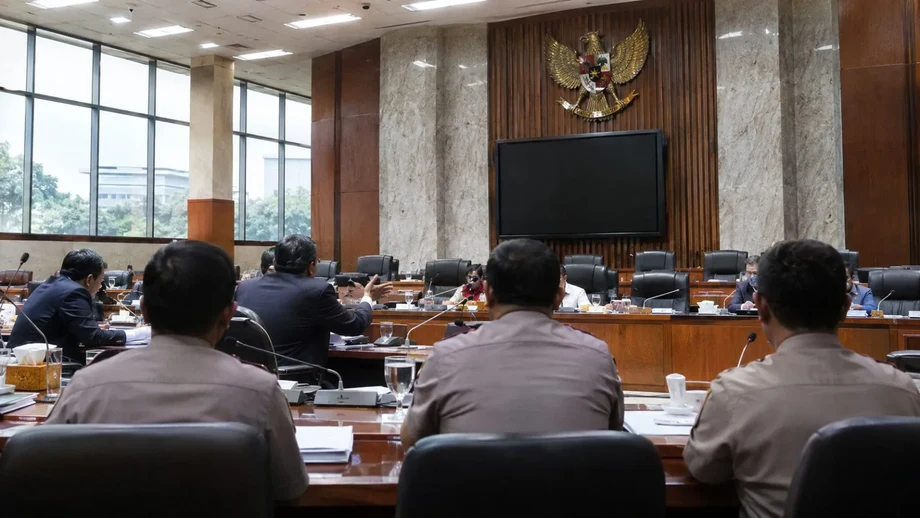
Dewan Perwakilan Rakyat officially approved the UU tentang Perampasan Aset Terkait Tindak Pidana Korupsi dan Tindak Pidana Lainnya during a legislative session on Thursday, November 19, 2026. The landmark decision took place at Gedung Nusantara II in the parliamentary complex in Senayan, Jakarta. Puan Maharani, speaker of the legislative body, led the proceedings during the 13th plenary meeting of the second session for the 2026 to 2027 legislative year. Lawmakers in the chamber answered in unison when asked for their approval, marking the end of an eighteen-year wait for the legal framework.
Contents
Government representatives present at the historic session included Bambang Eko Suhariyanto, vice minister of state secretarial affairs; Rini Widyantini, minister of state apparatus empowerment and bureaucratic reform; and Edward Omar Sharif Hiariej, deputy minister of law. Habiburrokhman, head of the third parliamentary commission and leader of the working committee for the bill, presented the final report. He noted that the drafting process involved reviewing 397 inventory lists of problems, leading to 160 provisions remaining unchanged, 135 receiving editorial revisions, 40 undergoing substantive changes, 44 being removed, and 18 new items being added.
Shifting the Focus of Legal Enforcement
The newly approved legislation fundamentally changes how the justice system handles criminal proceeds. Past practices focused heavily on sending offenders to prison, often leaving stolen funds in the hands of wrongdoers or out of the reach of the state. Under the new statute, the primary goal shifts toward recovering state losses and restoring rights to victims of crime. Habiburrokhman explained that this paradigm change ensures that financial recovery stands alongside incarceration as a core objective of the legal system.
The scope of offenses covered under the statute extends beyond corruption cases. Lawmakers included provisions targeting narcotics and psychotropic offenses, terrorism and terrorism funding, human smuggling, weapons smuggling, human trafficking, and financial frauds utilizing information technology that impact the broader economy. This broad reach aims to dismantle criminal enterprises by seizing the financial foundations that support illegal operations across multiple sectors.
Reactions from Religious and Civil Society Leaders
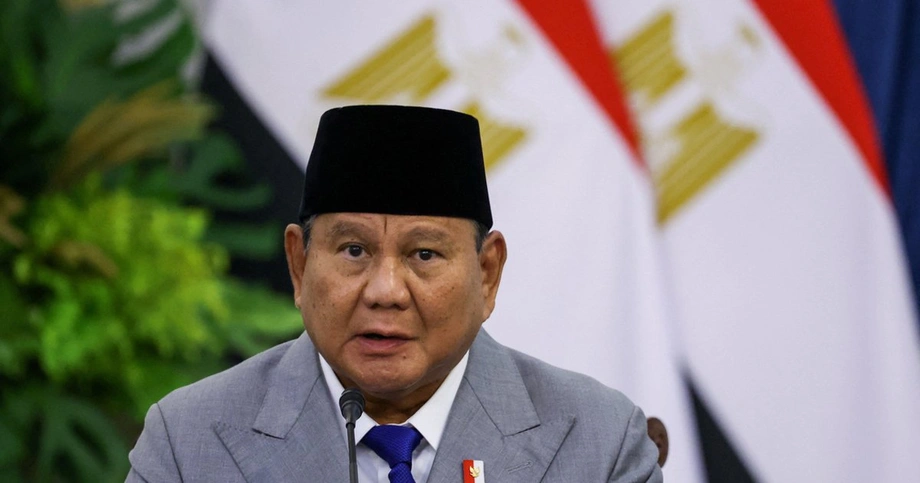
Religious leaders and organizations voiced strong support for the new legal instrument. Prof KH Asrorun Niam Sholeh, head of fatwa for the Indonesian Ulema Council, praised the leadership of President Prabowo Subianto and the parliamentary leadership for finalizing the text. He emphasized that the framework provides a vital mechanism for improving governance.
Apresiasi Presiden Prabowo dan Wakil Ketua DPR RI Sufmi Dasco Ahmad atas pengesahan UU Perampasan Aset. Ini momentum untuk perbaikan sistem bernegara. Mewujudkan good governance and clean government.
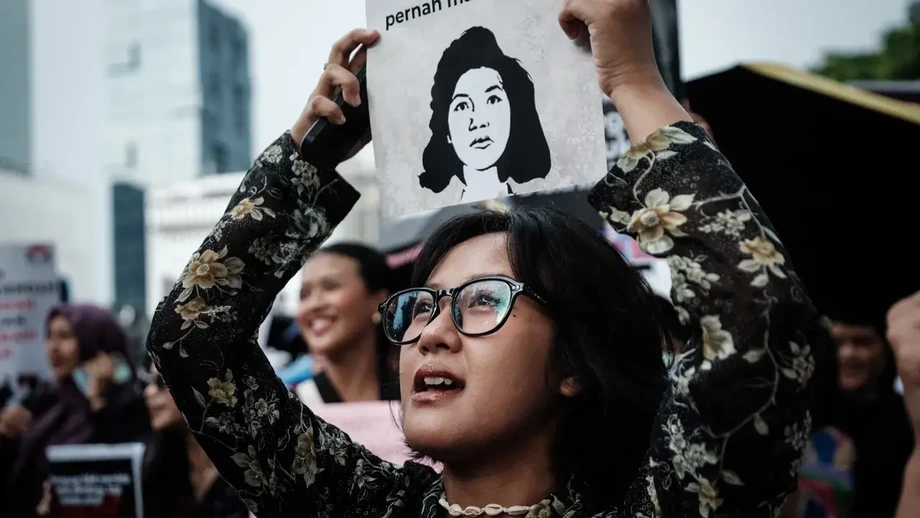
Prof Niam noted that the legislative action responded directly to public demands, referencing a demonstration held on August 27, 2026, by the United Pati Community Alliance. During that protest, Sufmi Dasco Ahmad met with demonstrators and pledged that the bill would pass by mid-December. The enactment on November 19 fulfilled that promise ahead of schedule. Similarly, KH Marsudi Syuhud, deputy chairman of the council, emphasized earlier in the legislative cycle that deep-seated corruption remains a primary threat to national stability, noting that decisive legal mechanisms are necessary to prevent illicit wealth from leaving the country.
Timeline of Key Developments
- August 27, 2026: Protesters demand legislative action during demonstrations in Jakarta.
- August 28, 2026: Parliamentary leaders provide a written commitment to pass the bill by mid-December.
- November 18, 2026: Parliamentary factions approve the bill during initial committee reviews.
- November 19, 2026: The plenary session officially approves the bill into law.
- November 20, 2026: Religious leaders and legal experts publicly evaluate the new framework.
Key Provisions and Enforcement Mechanisms
The statute outlines clear criteria for how authorities may seize property linked to illegal acts. Article 3 establishes that forfeiture can occur either through a final criminal court ruling against an offender or independently of a criminal conviction under specific circumstances. Article 6 specifies that forfeiture without a conviction applies when a suspect or defendant has died, fled, fallen permanently ill, or remains unidentified, provided the targeted assets reach a minimum value of one billion rupiah.
The law also introduces strict penalties for severe offenses. Article 4 reaffirms that individuals convicted of corruption can face the death penalty, with execution procedures governed by existing criminal law provisions. To manage the recovered property, the legislation mandates the creation of two new bodies appointed by the president under Articles 53 and 61, responsible respectively for asset management and independent oversight.
Debate Over Implementation Timing and Transparency
Despite the celebration surrounding the enactment, legal experts and advocacy groups raised concerns regarding the delayed implementation timeline and procedural transparency. Article 74 of the statute states that the law takes effect twelve months after promulgation, and only after the two mandatory administrative bodies are fully formed. This means authorities cannot immediately begin seizing assets following the parliamentary vote.
Critics also pointed to missing elements in the final text. Ibrahim, head of law and investigation at Indonesia Corruption Watch, criticized the omission of provisions addressing unexplained wealth and illicit enrichment. He argued that without explicit rules requiring public officials to account for assets not properly recorded in official wealth disclosures, certain corrupt individuals might evade accountability. Agus Sarwono, a researcher at Transparency International Indonesia, similarly questioned the transparency of the legislative process, noting that digital drafts of the bill only appeared on official parliamentary websites after the vote took place, limiting meaningful public review prior to passage.
The Bottom Line
- The national legislature approved the asset forfeiture law during the 13th plenary session on November 19, 2026.
- The statute allows property recovery either through criminal convictions or without a conviction for suspects who have fled, died, or remain unknown.
- Seizures without a conviction require a minimum asset value of one billion rupiah.
- The law will take effect twelve months after promulgation and after the establishment of two new presidential oversight bodies.
- Corruption offenders remain subject to severe penalties, including the death penalty under applicable criminal laws.