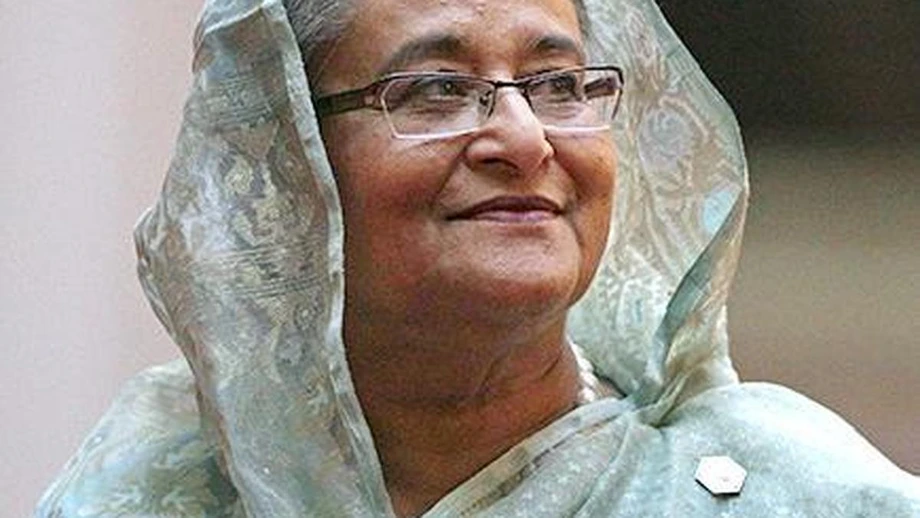
Geopolitical Friction and Diplomatic Strains
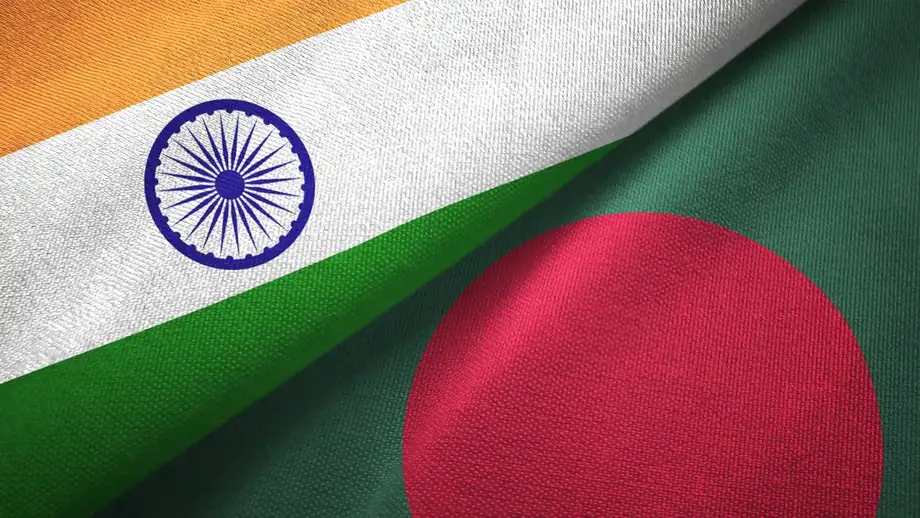
International relations between India and Bangladesh face severe diplomatic pressure following renewed demands from Dhaka regarding the extradition of deposed Prime Minister Sheikh Hasina. Ms. Hasina has resided in India since fleeing her official residence in Dhaka on August 5, 2024, amid a mass student-led uprising that ended her fifteen-year tenure. Tensions escalated further when Bangladesh urged India on August 16, 2026, to create what officials described as a propitious environment for Prime Minister Tarique Rahman's upcoming visit by surrendering the former leader. The political standoff involves complex legal frameworks, outstanding criminal convictions, and broader bilateral challenges including water-sharing treaties and regional security arrangements.
Contents
Analysing these geopolitical dynamics, international relations scholar Sreeradha Datta stated in an interview on November 20, 2026, that New Delhi will not hand over the ousted leader. Describing India's perspective, Ms. Datta noted that the host nation traditionally considers Ms. Hasina a close ally and will not execute an extradition. Speaking about the bilateral ties, she explained that the ongoing dispute over extradition should not overshadow other critical areas of cooperation between the two neighbouring countries.
The Extradition Treaty and Legal Exceptions
The legal mechanism governing the potential transfer relies on a bilateral framework established in 2013. Under the agreement, both nations have a reciprocal arrangement to surrender individuals wanted for criminal offenses. However, Article 6 of the agreement introduces the political offense exception, which states that extradition may be refused if the requested offense carries a political character. While the treaty specifies that serious crimes such as murder, kidnapping, and manslaughter cannot be classified as political offenses, legal ambiguity remains. Analysts point out that the lack of clear definitions regarding political motives gives New Delhi wide latitude to evaluate requests under current diplomatic circumstances, especially given questions raised by international observers regarding the integrity and judicial processes of Bangladesh's International Crimes Tribunal.
Adding to the legal complexities, Bangladesh Acting Foreign Minister Humayun Kabir announced on November 9, 2026, that Dhaka would pursue the return through an acceptable prisoner exchange programme governed by the same treaty. Meanwhile, a legal team representing Ms. Hasina applied for a fresh passport, though officials in Dhaka dismissed the request while labeling the ousted prime minister a terrorist.
Timeline of Key Events
- May 29, 2024: India hosted the fourth consular dialogue in New Delhi.
- August 5, 2024: Sheikh Hasina fled Bangladesh and entered India during the mass uprising.
- December 2024: Dhaka formally requested Ms. Hasina's extradition through diplomatic channels.
- November 17, 2025: Bangladesh's International Crimes Tribunal sentenced Ms. Hasina and former home minister Asaduzzaman Khan to death in their absence.
- November 26, 2025: India publicly acknowledged receiving an extradition request and confirmed it was undergoing legal examination.
- August 16, 2026: Bangladesh urged India to extradite Ms. Hasina to help create conditions for Prime Minister Tarique Rahman's proposed visit.
- November 9, 2026: Ms. Hasina's legal team sought a new passport while Dhaka proposed a prisoner exchange.
The Stance of the Interim Government
State Minister for Foreign Affairs Shama Obaid Islam addressed reporters at the Ministry of Foreign Affairs on November 13, 2026, rejecting reports that New Delhi had attached specific conditions to any potential return of the former prime minister. Ms. Islam dismissed claims that India demanded a new trial or an appeals process for Ms. Hasina as baseless rumors originating outside official channels. She maintained that the bilateral relationship encompasses far more than a single legal dispute, emphasizing that administrative channels remain open for dialogue.
Ms. Islam criticised continued political activities originating from abroad, stating that the government cannot ignore actions aimed at destabilising domestic peace. She pointed to historical acts of destruction and warned that law enforcement agencies are monitoring ongoing security threats. The state minister also confirmed that the bilateral consular dialogue originally scheduled for November had been deferred to a mutually convenient date rather than cancelled, ensuring that administrative cooperation on visas, fishermen, and detained citizens can resume.
Sentences and Charges Stemming from the 2024 Uprising
The legal pressure on the former administration stems from the violent suppression of protests in July and August 2024, an upheaval that resulted in the deaths of up to 1,400 individuals according to United Nations estimates. The International Crimes Tribunal concluded its proceedings by handing down death sentences to Ms. Hasina and former home minister Asaduzzaman Khan on November 17, 2025, for crimes against humanity. Former police chief Chowdhury Abdullah Al Mamun received a five-year prison sentence after cooperating with prosecutors and testifying about the chain of command that authorized the use of lethal force against civilian crowds.
Chief Prosecutor Mohammad Tajul Islam described the central role attributed to the former leader during the court proceedings:
As Bangladesh's chief prosecutor, I see Sheikh Hasina as the mastermind and principal architect of the atrocities unleashed on unarmed protesters last July and August.
While victims' families welcomed the judicial decisions, representatives for the former government rejected the authority of the tribunal entirely, leaving enforcement dependent on international diplomacy.
Broader Regional Diplomacy and Water Sharing
Beyond the extradition dispute, bilateral relations involve critical deadlines regarding natural resources and regional infrastructure. Negotiators face an imminent deadline regarding the 1996 Ganges water sharing treaty, which expires on December 12, 2026. A four-member Indian technical delegation led by Sharad Chandra arrived in Dhaka on November 21, 2026, for the 91st meeting of the Joint Committee. Officials discussed the implementation of dry-season water allocations, though renewing or replacing the treaty requires higher-level political engagement before the next irrigation cycle begins in January 2027.
Furthermore, cooperative arrangements extend to major cultural and sporting events. The International Cricket Council confirmed in November 2026 that Bangladesh and India will jointly host the 2031 ICC Men's Cricket World Cup from October 9 to November 23. This joint hosting responsibility revives a partnership last seen during the 2011 tournament, demonstrating that institutional ties between the two neighbours persist across sports, trade, and diplomatic channels despite political friction.
At a Glance
- Bangladesh officially requested the extradition of Sheikh Hasina following her trial and death sentence for crimes against humanity.
- India continues to review the legal aspects of the request under the 2013 bilateral extradition treaty without committing to a surrender.
- Scholar Sreeradha Datta noted that India views the former prime minister as an ally and is unlikely to hand her over.
- The fifth consular dialogue between the two nations was postponed to a later date amid rising travel and extradition friction.
- Negotiators face a December 12 deadline to address the expiration of the 1996 Ganges water sharing treaty.