Kazakhstan Moves Closer to Hosting First UFC Event
Kazakhstan is taking concrete steps to bring the world of mixed martial arts to its home soil, with government officials holding high level discussions with the leading global promotion. The Ministry of Tourism and Sports in Astana has been reviewing proposals for a historic fight card scheduled for either 2027 or 2028. State representatives and sports administrators view the project not only as a landmark sporting occasion, but also as a major driver for local tourism and international visitors.
Contents
The push to secure an event comes after years of public interest and near misses. Back in 2020, sports organizers attempted to stage a major fight card featuring top athletes such as Petr Yan and Marlon Moraes, but global health restrictions ultimately halted those plans. Today, discussions have resumed with renewed momentum, backed by strong performances from local athletes on the international stage. Sports leaders and government officials are currently evaluating financial requirements and venue logistics before making a final commitment.
Venues and Infrastructure Options in Astana and Almaty
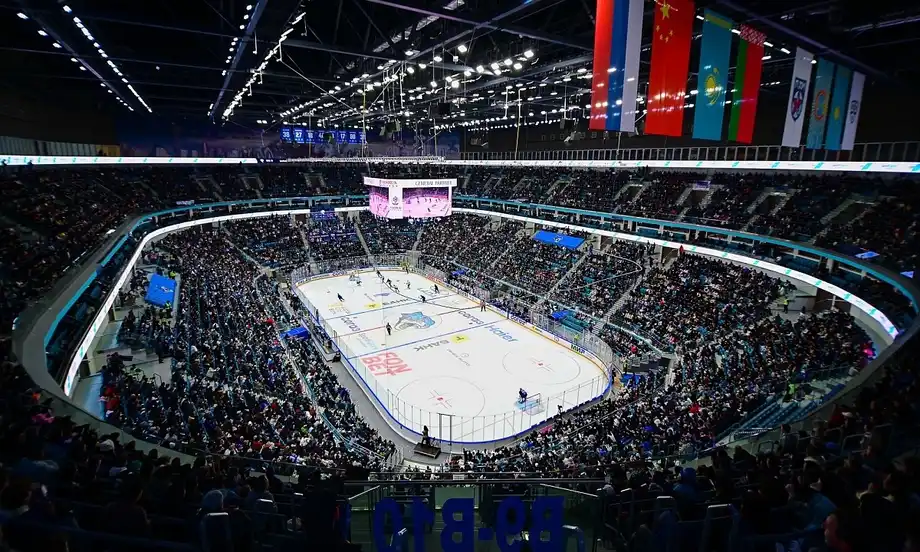
Choosing the right arena is a central part of the current planning process. Sagyndyk Mekkeev, president of the Kazakhstan MMA Federation, pointed out two primary locations that meet the compact requirements for a world class fighting event. The two facilities under consideration are the Almaty Arena and the Barys Arena in Astana, both offering seating capacities of around 12,000 spectators alongside extra floor seating.
While these venues are smaller than massive 20,000 seat outdoor stadiums used in other countries, sports experts consider them ideal for television broadcasts and live atmosphere. Almaty offers a mountainous backdrop and established culinary and hospitality networks, while Astana brings extensive experience in hosting international competitions and large visitor gatherings. A delegation from the global promotion visited Almaty in mid-November to inspect local conditions firsthand. Transportation networks remain robust, with the international airport in Astana having handled 9.2 million passengers in 2025.
Financial Estimates and Potential Economic Impact
Hosting a major international sports exhibition involves substantial financial commitments. Sagyndyk Mekkeev estimated the potential cost of staging the event at roughly 14 million dollars, while manager Sayat Abdrakhmanov offered a preliminary estimate ranging from 10 million to 15 million dollars. These figures represent expert projections rather than finalized commercial agreements.
Governments and host cities often consider a site fee, which is a direct payment to the promotion for the right to host the event. Industry executives, including TKO President Mark Shapiro, have previously noted that cities around the globe actively compete for these marquee dates. To put the scale into perspective, a typical local professional fighting event in Kazakhstan managed by promoters like Octagon costs between 250,000 and 300,000 dollars, making a global showcase dozens of times more expensive.
Lessons from International Tourism Studies
Supporters of the initiative point to the economic benefits seen in other host cities around the world. When Paris hosted a fight night event in September 2022, it drew over 15,000 spectators and generated an estimated 33.4 million euros in regional economic impact according to research published by the promotion. Similarly, a subsequent event in Sydney was associated with an economic boost exceeding 36 million dollars.
Tourism experts emphasize that the true financial return depends heavily on attracting foreign visitors rather than relying solely on local ticket sales. Data from Astana shows that the city welcomed over 1.6 million visitors in 2025, with average daily tourist spending reaching 118,000 tenge. Bringing in international fans from neighboring Central Asian nations, Europe, and the Middle East would ensure that money flows directly into hotels, restaurants, and transport networks.
Local Fighters and Star Power
The enthusiasm among domestic sports fans is driven largely by the success of Kazakh fighters competing at the highest level. Shavkat Rakhmonov, an undefeated welterweight contender, stands as the most prominent local figure in the global organization, though his participation depends on his recovery schedule following a recent injury. Trainer Eduard Bazrov has indicated a potential return to action in the spring, which could align with future timelines if the domestic event moves forward.
Other athletes are also making waves in the division. Diyar Nurgozhay recently secured his third consecutive victory by knockout inside the octagon, earning a performance bonus of 100,000 dollars, which amounts to roughly 45.5 million tenge. Such victories elevate the profile of local fighters and build anticipation for a potential home event.
Timeline of Recent Developments
- November 10: Representatives from the global fighting promotion visit Almaty for venue inspections.
- November 19: The Minister of Tourism and Sports confirms ongoing negotiations for a 2027 or 2028 event.
- Late November: Authorities plan to announce definitive decisions regarding the schedule and hosting agreements.
The Essentials
Key Points
- Kazakhstan is in active negotiations to host its first major international fighting event in 2027 or 2028.
- Officials are evaluating the Almaty Arena and the Barys Arena as the primary venue options.
- Preliminary cost estimates for staging the event range from 10 million to 15 million dollars.
- Economic planners hope to attract international tourists from neighboring countries to maximize local spending.
- Final decisions on dates, funding structures, and participating athletes remain pending.