Understanding the Crisis in Bangladesh Garment Factories
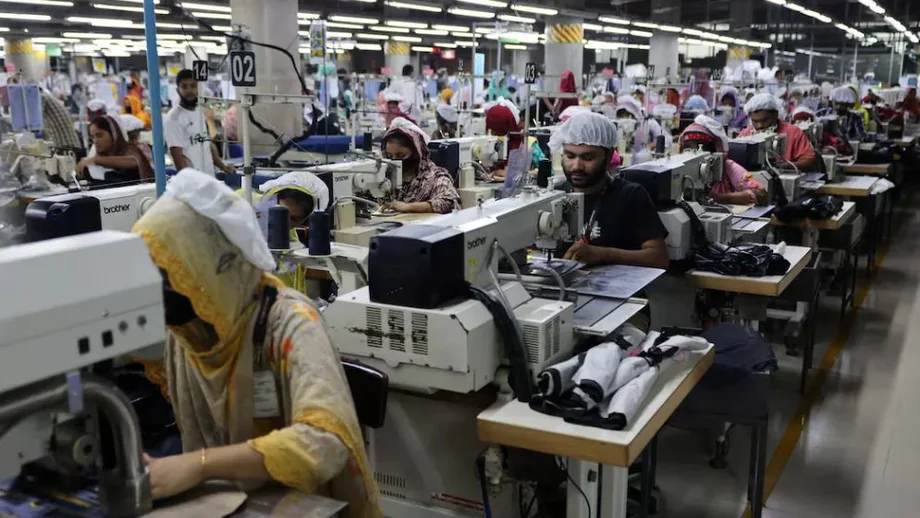
Workers and factory owners in Bangladesh are currently navigating a turbulent period that affects millions of people who rely on the country's massive apparel industry. The readymade garment sector serves as a vital engine for the national economy, producing clothing items exported to major brands around the world. Free on board, often abbreviated as FOB, is a shipping term indicating that the seller pays for transportation of goods to the port of shipment, and the cost of loading is included. When production stops, the financial impact ripples through local communities and international supply chains alike.
Contents
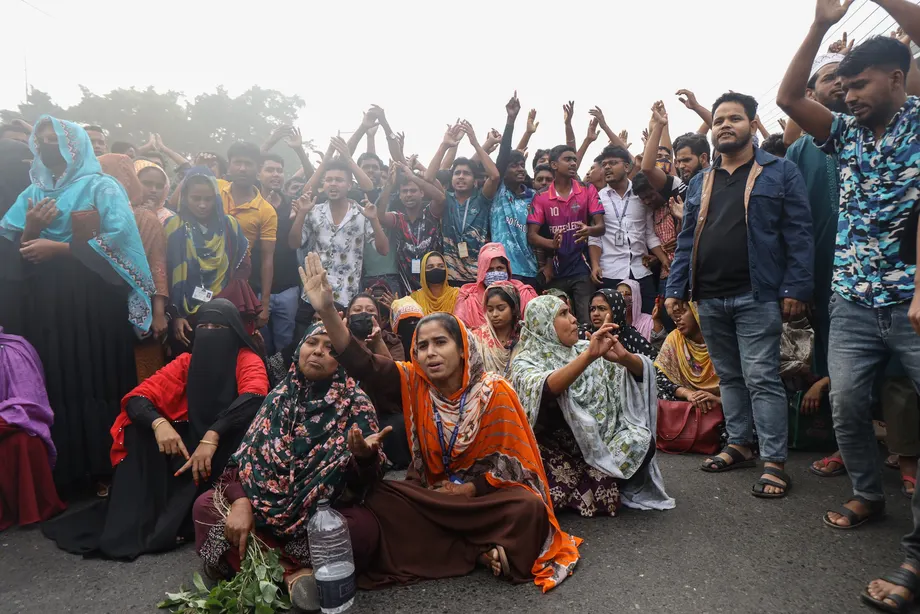
Labour unrest began to sweep through major industrial belts in October and intensified significantly at the start of November. Employees took to the streets to demand a higher minimum monthly wage, pointing to soaring living costs that made it difficult to afford basic necessities. Protests, road blockades, and clashes with police erupted in key manufacturing zones such as Mirpur, Gazipur, Savar, and Ashulia. The current minimum monthly wage stands at Tk 12,500, while workers initially demanded an increase to Tk 30,000 during the early stages of the demonstrations.
The Timeline of Disruptions and Government Action
The sequence of events unfolded rapidly as tensions escalated across industrial hubs, leading to factory closures and emergency meetings. A clear timeline highlights the critical developments during this turbulent period:
- 1 November: The government formed a six-member wage board to address the compensation demands.
- 4 November: Employer and worker representatives agreed that a revised wage structure would take effect in December, with new salary rates starting in January.
- 18 November: The Bangladesh Garment Manufacturers and Exporters Association sent a survey letter to member factories setting a data submission deadline of 22 November.
- 22 November: The trade body published preliminary survey figures detailing production losses and export order shifts.
- 23 November: The owners representative was expected to submit a formal wage proposal at a scheduled meeting.
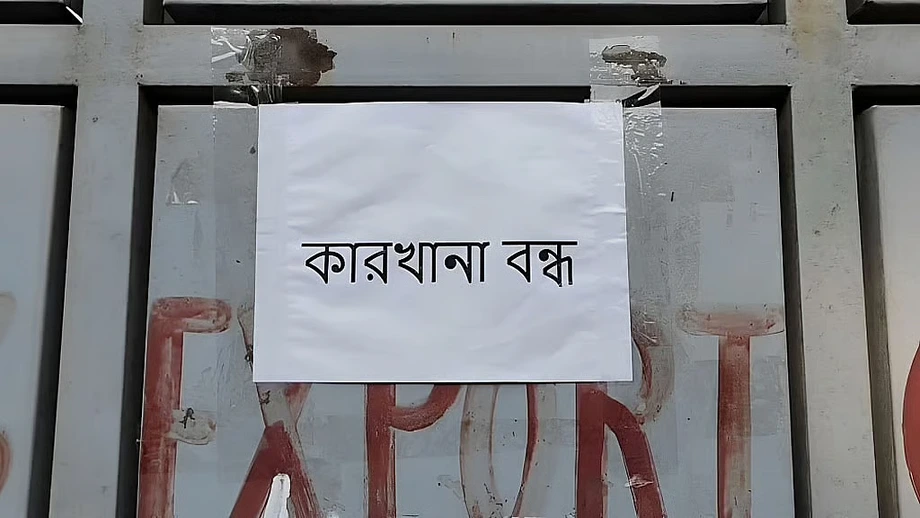
Workers and industry representatives held intense discussions as the protests persisted despite the formation of the wage board. During a meeting on 4 November, participants agreed on a timeline for the revised salary structure. Workers' representatives separately proposed a minimum monthly wage of Tk 32,000 during the proceedings. Even with these negotiations underway, demonstrations continued in areas like Gazipur, where ten factories declared a holiday and authorities at 39 factories announced indefinite closures by 18 November.
Measuring the Financial Damage Across Member Factories
The Bangladesh Garment Manufacturers and Exporters Association conducted an urgent survey over a four-day period to measure the financial impact of the instability. Preliminary data received from 317 member factories revealed direct production losses of $428 million, equivalent to around Tk 5,136 crore. These factories were forced to suspend production for between one and 16 days during the period from 1 to 18 November. The trade body noted that the actual number of affected factories exceeded 600, meaning the survey captures only a portion of the total economic damage.
Factories participating in the survey reported that international buyers shifted 59 million pieces of garments from confirmed orders to other countries. This diversion resulted in a direct loss of $254 million, or approximately Tk 3,048 crore, in export orders. The survey asked factories to report annual export values, workforce size, lost production volume, wages paid during shutdowns, and additional overtime costs incurred to make up for shortfalls. Additional expenses such as damage to buildings and machinery were also included in the data collection effort.
Pressure from International Buyers and Supply Chain Risks
Major international clothing brands, including European and North American retailers H&M and Inditex, stepped in to address the crisis. Representatives from these global buyers met with leaders of the trade body at the organization's office in Uttara to urge a swift resolution. International retailers explained that the ongoing unrest was causing severe shipment delays and disrupting the placement of work orders for the upcoming autumn and winter seasons. Many buyers adopted a wait-and-see approach, wanting to know the final agreed minimum wage before committing to new business.
Factories faced difficult circumstances to retain existing export orders amid the production halts. Companies resorted to costly air shipments, substantial price discounts, and direct order cancellations to appease frustrated clients. The trade body pointed out that these extra expenses were not even included in the initial $428 million loss estimate. Shipments delayed by factory closures left most export orders at serious risk of being abandoned entirely by international partners.
What Remains Unresolved in the Garment Industry
Several crucial questions and deadlines remain pending as the industry attempts to stabilize operations. The exact total of financial losses across all 600 plus affected factories remains uncalculated because the preliminary survey only captured data from 317 businesses. No official date was given for the complete final tally of damages covering infrastructure, building repairs, and machinery replacement. The outcome of the wage board meetings and the final implementation date for the revised pay structure will dictate whether workers return to factories permanently. Industrial areas continue to experience sporadic instability, meaning the ultimate financial cost to the national economy will climb higher than current figures suggest.
The Bottom Line
- Labour unrest in Bangladesh garment factories caused direct production losses of $428 million across 317 surveyed facilities between 1 and 18 November.
- International buyers shifted 59 million pieces of garments worth $254 million to other countries due to shipment delays and ongoing protests.
- The government formed a wage board on 1 November, leading to an agreement that revised wages will take effect in December and appear on paychecks in January.
- International brands including H&M and Inditex urged a quick resolution during meetings in Uttara as the peak season for autumn and winter orders approached.
- Actual losses are expected to exceed preliminary estimates since over 600 factories were affected and instability continued past the mid-November survey period.