Vietnam Assumes APEC 2027 Leadership in Shenzhen
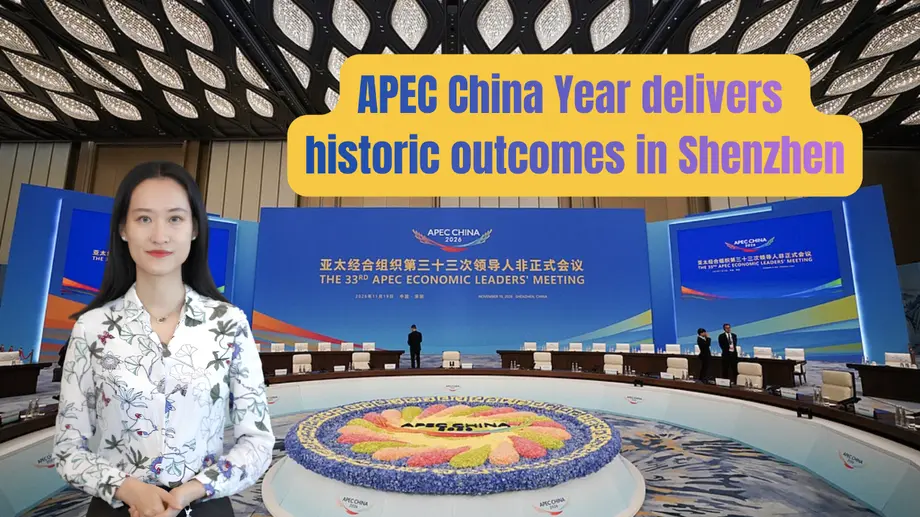
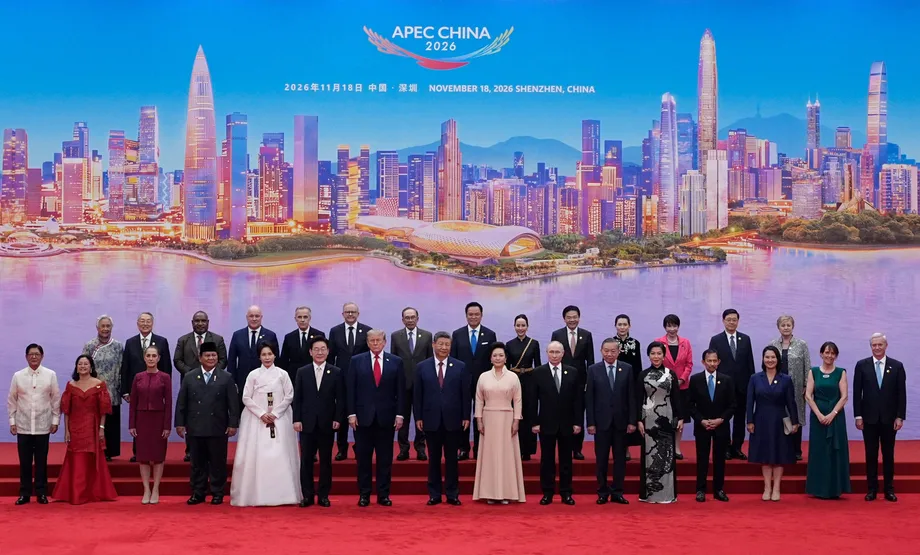
Vietnamese Party General Secretary and State President To Lam officially received the hosting responsibilities for the Asia-Pacific Economic Cooperation forum on November 19, 2026. The handover ceremony took place during the 33rd APEC Economic Leaders' Meeting in Shenzhen, China, where Chinese President Xi Jinping formally transferred the role. This marks the third time Vietnam has assumed the position, following previous hosting duties in Hanoi in 2006 and Da Nang in 2017. The transition sets the stage for Vietnam to guide the organization's agenda through 2027, with the main leaders' summit scheduled to take place on Phu Quoc Island.
Contents
Speaking at the ceremony, To Lam outlined the guiding vision for the upcoming year under the theme of creating a new era of resilience, innovation and shared prosperity. The proposed agenda focuses on three main priorities, which include enhancing economic productivity, promoting regional trade and investment, and strengthening economic resilience and dynamism while improving people's quality of life. International observers and member economies have welcomed these objectives as a continuation of the forum's long-term goals while addressing modern economic shifts.
Global Media and Expert Reactions to the Handover
International news outlets and regional leaders responded positively to the transition, highlighting Vietnam's growing diplomatic and economic standing. Media agencies such as Xinhua, China Daily, Associated Press, Reuters, and Bernama covered the event extensively. During bilateral meetings on the sidelines of the summit, US President Donald Trump congratulated Vietnam on taking the host role and extended an invitation for To Lam to attend the upcoming G20 summit in Miami scheduled for December 14 to 15, 2026. Philippine President Ferdinand Marcos Jr. also affirmed his country's support for Vietnam during discussions in Shenzhen.
Foreign policy experts noted that Vietnam is uniquely positioned to serve as a bridge between developed and developing economies. Former US Ambassador to Vietnam Marc Knapper pointed out that maintaining positive relations with all major powers gives the country a natural advantage in fostering regional consensus. Meanwhile, Tatyana Gorchakova, Deputy Director of the Institute of China and Contemporary Asia at the Russian Academy of Sciences, noted that Vietnam's experience in navigating regional issues will help promote cooperation among economies at different stages of development.
Strategic Priorities and Economic Integration
To prepare for its tenure, Vietnam has aligned its national development strategy with multilateral goals through active participation in regional trade agreements. As a member of both the Comprehensive and Progressive Agreement for Trans-Pacific Partnership and the Regional Comprehensive Economic Partnership, Vietnam acts as a connector between nations eager for rapid innovation and those taking a more cautious approach to economic reform. Analysts have emphasized that this dual membership provides a strong foundation for advancing regional trade liberalization.
Professor Liu Anh from the Chongyang Institute for Financial Studies at Renmin University of China explained that the proposed priorities respond directly to core regional challenges by maintaining open markets and driving stability. Academic assessments from institutions such as Zhejiang University of Technology further emphasize that focusing on digital commerce, artificial intelligence, and supply chain connectivity will be vital for supporting small and medium-sized enterprises across the Asia-Pacific region. These efforts aim to translate high-level political commitments into practical benefits for local businesses and communities.
The Economic Impact of Hosting APEC
Hosting the APEC leaders' week historically provides significant economic momentum for the host nation and the designated host locality. Economic data from the World Bank and UNCTAD illustrate that previous host cities experienced substantial growth following their summits. Following China's hosting of APEC in 2001 and its entry into the World Trade Organization, its foreign trade expanded dramatically. Similarly, the Philippines saw its GDP growth reach 5.9 percent in 2015 after hosting the summit in Manila, accelerating further in subsequent years driven by infrastructure investments.
Vietnam's own history demonstrates similar trends, as the country recorded an impressive GDP growth rate of 8.46 percent in 2007 following its first hosting duties in Hanoi, alongside a sharp surge in foreign direct investment. Officials and urban planners anticipate that preparing for the 2027 summit will accelerate infrastructure development on Phu Quoc Island. Ongoing projects include the expansion of the airport with the construction of the T2 passenger terminal, the development of the APEC Convention Center, and improvements in transport networks designed to accommodate international delegations and boost long-term tourism.
Bilateral Cooperation between Vietnam and China
The transition of the APEC chairmanship coincided with extensive bilateral talks between Vietnamese and Chinese leaders aimed at deepening comprehensive strategic cooperation. General Secretary and State President To Lam held discussions with Chinese President Xi Jinping to reinforce political trust and align macro-level planning. The agenda included strengthening cooperation in cross-border infrastructure, smart customs checkpoints, and digital economy initiatives to ensure smoother supply chain logistics between the two neighboring nations.
Minister of Foreign Affairs Lê Hoài Trung noted that these diplomatic engagements successfully combined strategic party-to-party guidance with practical local implementation. Meetings with provincial officials in Guangdong and Yunnan focused on high-tech industries, green energy, and cross-border trade facilitation. These cooperative frameworks are intended to ensure that regional supply chains remain stable and that trade ties continue to grow in a balanced and sustainable manner.
Looking Ahead to the 2027 Summit
As preparations intensify, the National Committee for APEC 2027, led by Permanent Deputy Prime Minister Phạm Gia Túc, is overseeing the coordination of ministries, local authorities, and business sectors. The organizational framework requires comprehensive improvements in digital infrastructure, administrative procedures, and hospitality services across multiple provinces before activities culminate on Phu Quoc Island. No specific dates for interim preparatory meetings have been publicly released by organizing authorities.
The upcoming summit represents a major milestone for Vietnam as it approaches nearly four decades of economic renewal, known domestically as Đổi Mới. By utilizing its diplomatic network and economic openness, the country aims to guide regional discussions toward sustainable growth, technological innovation, and enhanced resilience against global economic uncertainties. The success of the upcoming year will depend on the ability of member economies to transform shared visions into concrete policy outcomes that benefit citizens throughout the Asia-Pacific region.
The Essentials
- Vietnam officially assumed the role of APEC 2027 host on November 19, 2026, during the 33rd APEC Economic Leaders' Meeting in Shenzhen, China.
- The official theme for APEC Year 2027 is Creating a new era of resilience, innovation and shared prosperity.
- The APEC Economic Leaders' Week in 2027 will take place on Phu Quoc Island in Vietnam.
- Vietnam has proposed three main priorities for its hosting year: enhancing economic productivity, promoting regional trade and investment, and strengthening economic resilience while improving people's quality of life.
- The handover follows Vietnam's previous successful hosting of APEC summits in Hanoi in 2006 and Da Nang in 2017.